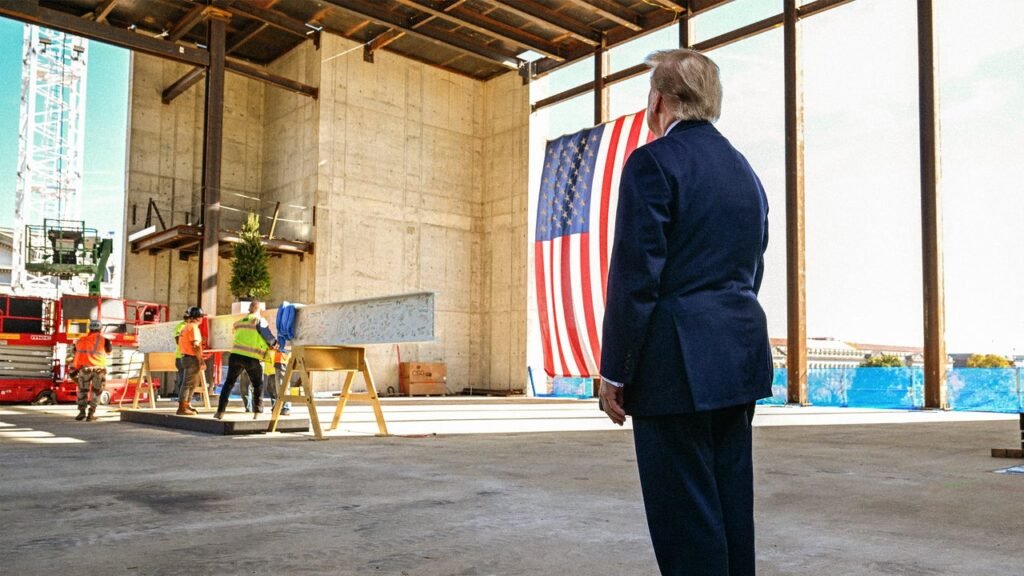
The future of President Donald Trump’s construction and renovation projects in Washington, D.C., could soon come into question, after Democrats take control of Congress in January.
Trump has powered his pet projects through by sheer force of will since retaking office last year, setting a breakneck pace for ideas moving from blueprint to construction site. Disregarding legally mandated approval processes and protocols, his administration has knocked down buildings and torn up trees without permission.
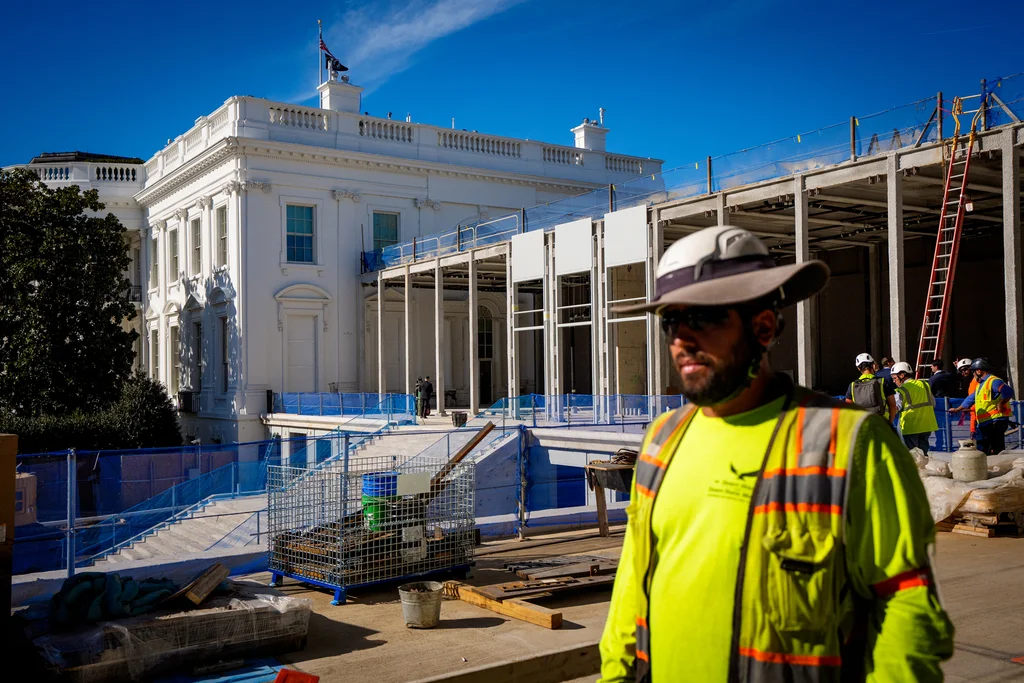
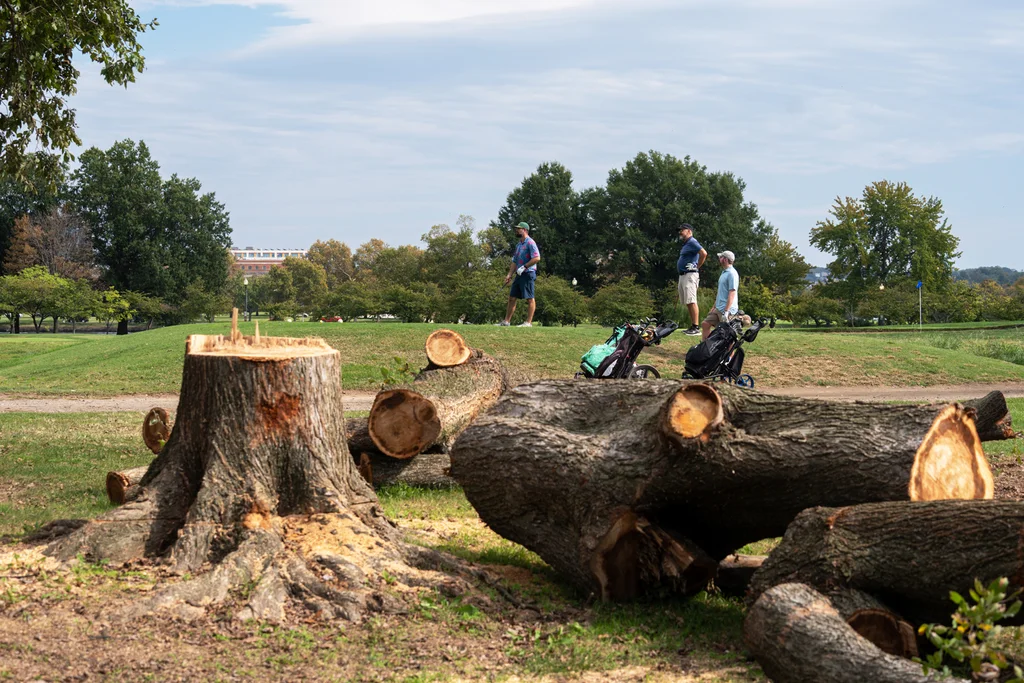
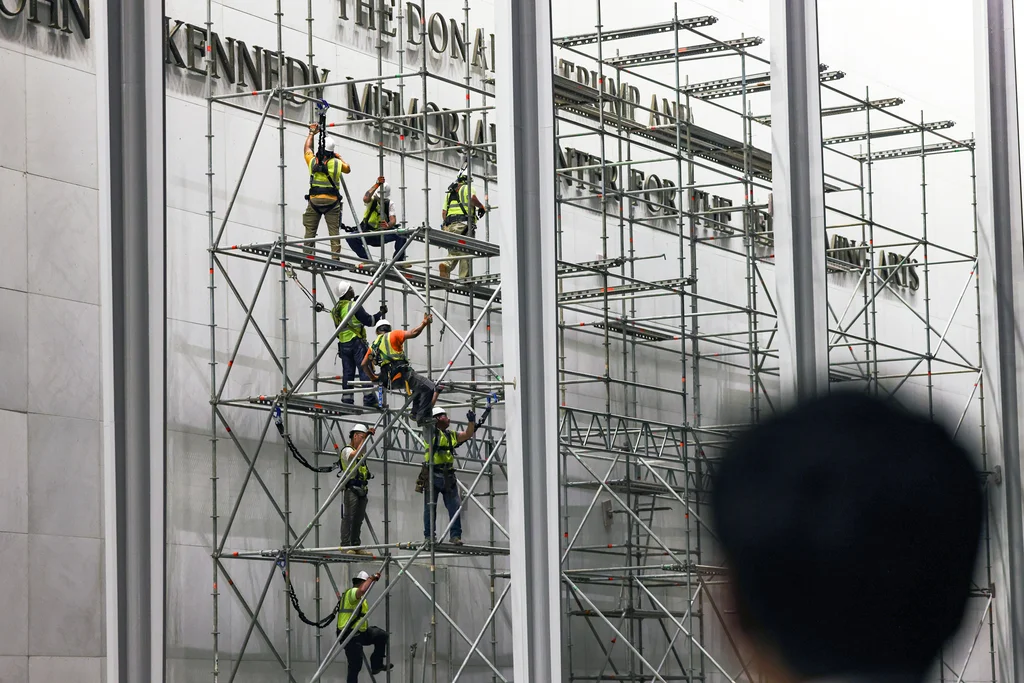
Though legal challenges have, at times, slowed projects like the White House ballroom, arch monument, a D.C. golf course, and John F. Kennedy Center for the Performing Arts renovations, they haven’t been effective.
The landscape is shifting, however. Once the the next Democrat-led Congress is in place, changes to the built environment will face oversight that Republicans didn’t previously provide. This is how it might shake out.
3 new roadblocks to Trump’s projects
First, Democrats will get two ex officio seats on the 12-person National Capital Planning Commission (NCPC)—the federal government’s D.C.-area planning agency—that are reserved for U.S. Senate and House of Representatives members. The president appoints some members of the commission, and there are others who are there because of their job titles.
Democrats will replace Senator Rand Paul and Representative James Comer, both Kentucky Republicans, with their own people. Those two new members of the commission could join with the District of Columbia’s four members, who have consistently voted against Trump’s building priorities, to block his projects from passing with a tied 6-6 vote.
Second, Democrats will have standing to sue in federal court on behalf of the Senate and House, using Senate and House counsel. Leveraging congressional subpoenas and investigations, lawmakers could learn more about private donations Trump used to fund the projects.
Third, and most important, Democrats will hold the purse strings in the appropriations process, which means they can restrict or defund executive branch activities. In addition to accepting private donations, Trump has also funded his construction with public, taxpayer funds. Under Democrats, that practice could soon come to an end.
What Democrats are saying
These potential roadblocks could be why Trump seems to be rushing to get construction work done before the next Congress is sworn in. The day after the midterm elections, Trump signed and raised a beam at the ballroom site. Meanwhile, the NCPC approved plans for his arch the following day, though a judge issued a temporary restraining order shortly after.
The restraining order lasts just 14 days, and Democratic lawmakers are gearing up to fight it long term.
Speaking about Trump’s arch, Representative Don Beyer, the Democrat whose northern Virginia district includes Arlington National Cemetery, said at a press conference Friday that he’s “never seen a project with such profound, widespread opposition from the very people who it will affect most.”
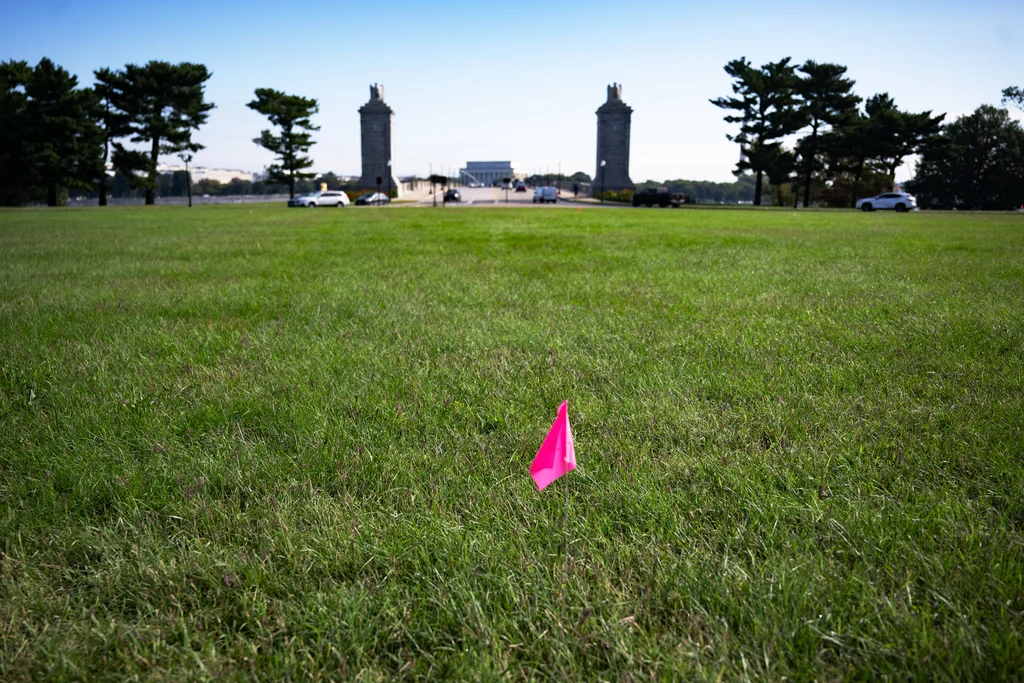
To fight the project, Beyer authored the Arlington National Cemetery Viewshed Protection Act, which would block the arch’s construction outright. Introduced in May, the bill hasn’t been brought to a vote under Republican House leadership. Under Democrats, that and similar legislation to defund or explicitly ban Trump projects could more easily make it to a vote.
Representative Jared Huffman, a California Democrat and ranking member on the House Natural Resources Committee, which oversees the Department of the Interior, said “the ground between the Lincoln Memorial and Arlington belongs to the American people and the families who have buried loved ones there.” He warned officials who keep the project moving forward or firms that sign on to build the arch to “understand the legal risk they’re taking on.”
“If Trump wants a tribute to himself, he can build one at one of his glitzy resorts or private golf clubs,” Huffman said Friday in a statement. “Come January, a new Congress will demand answers from the people enabling this abuse of our public lands and our laws.”
For two years, Trump hasn’t faced pushback from Congress over his construction projects. That’s about to change.