BYD is getting ready to take its international ambitions even further, while other Chinese automakers are making their presence more noticeable across Europe. BYD has raised its 2026 overseas sales target by nearly 40%, from 1.3 million to 1.8 million vehicles. BYD is outselling Ford, and Leapmotor is outselling Mitsubishi and Subaru. Buyers are increasingly embracing Chinese cars, putting Europe’s established manufacturers under growing pressure.
BYD Has Much Bigger Overseas Ambitions
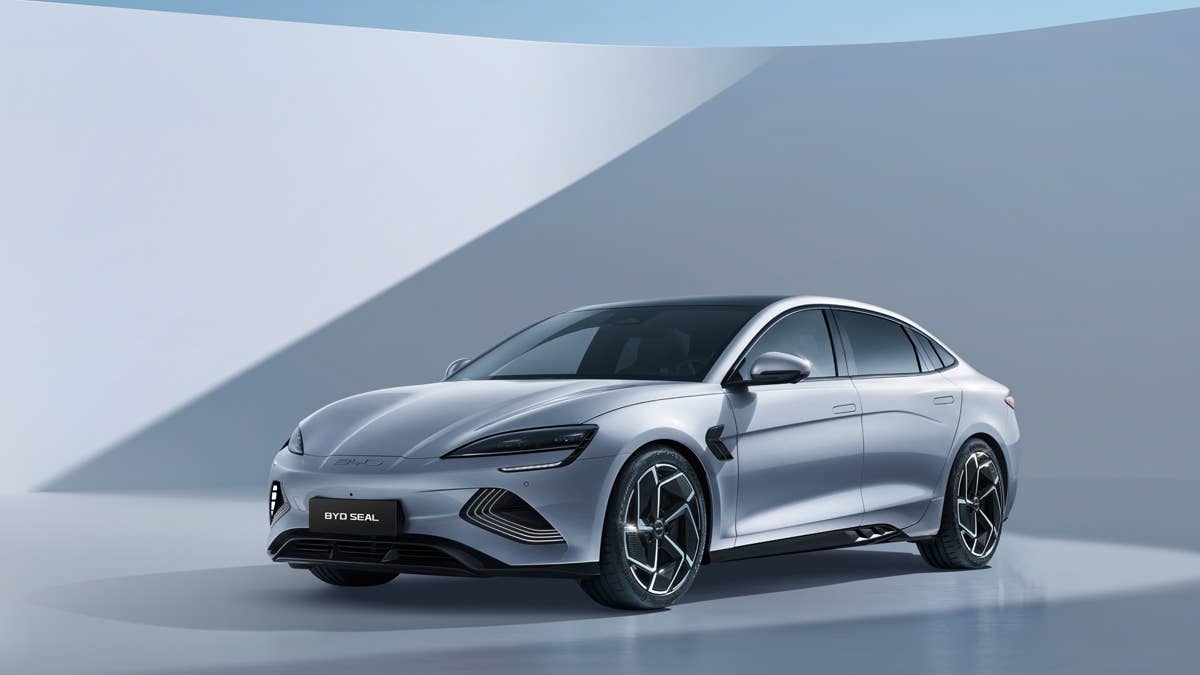
According to Chinese business publication YiCai Global, BYD expects to sell 1.8 million new-energy vehicles outside China this year, up from its initial forecast of 1.3 million. The company has already sold 1.51 million overseas during the first ten months of 2026, accounting for nearly 42% of its 3.62 million global sales.
Chairman Wang Chuanfu has previously said the company wants overseas markets to eventually account for “half of its total sales.” Its growing international presence is also reflected in its expanding production footprint, with its Brazilian factory already operational and its Hungarian factory expected to begin production before the end of the year.
Europe Is Becoming An Important Market
BYD
Europe is proving particularly receptive to Chinese manufacturers. According to JATO Dynamics, Chinese-owned brands recorded 72,034 registrations across Europe in September, a 76% year-on-year increase. Many Chinese cars come loaded with technology, while competitive pricing and expanding model ranges are making them increasingly attractive.
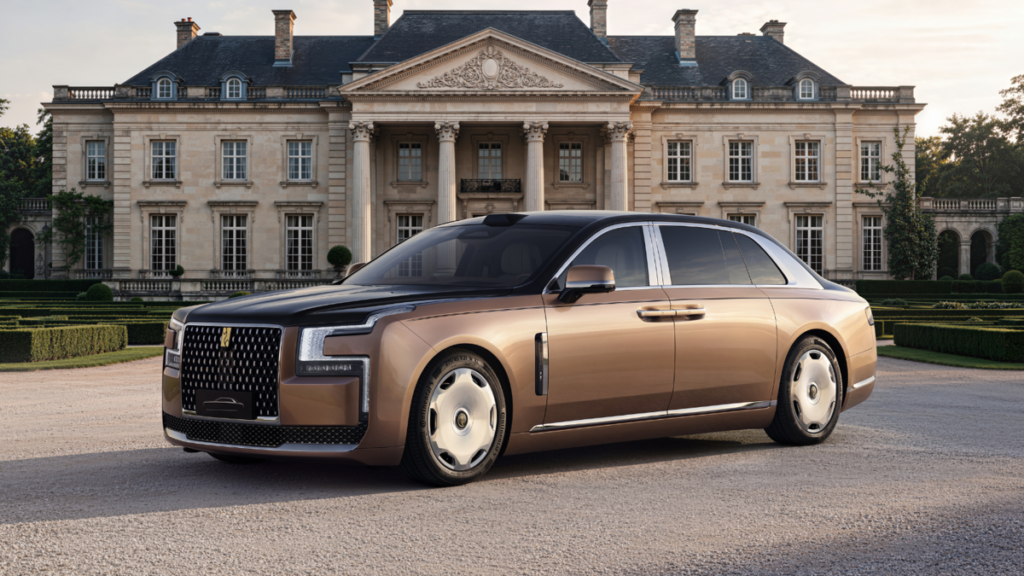
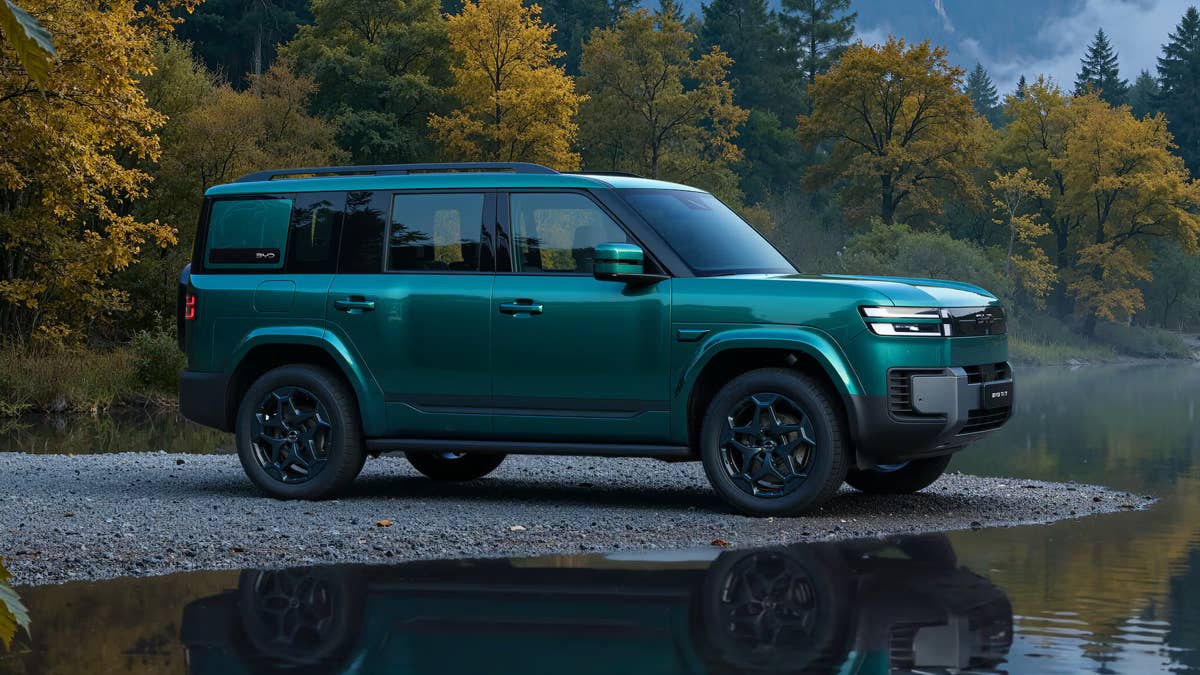
The appeal is no longer limited to affordable electric vehicles either, with BYD introducing premium models through its Denza and Yangwang brands. Its Yangwang U9 Xtreme recently reached 503.17 km/h, and its Altoir looks like the carbon copy of a Rolls-Royce Ghost. That said, BYD has been getting some flak for how much inspiration its latest Ti 7 SUV took from the Land Rover Defender, and they’re currently facing the legal consequences thereof.
Could American Automakers Be Next?
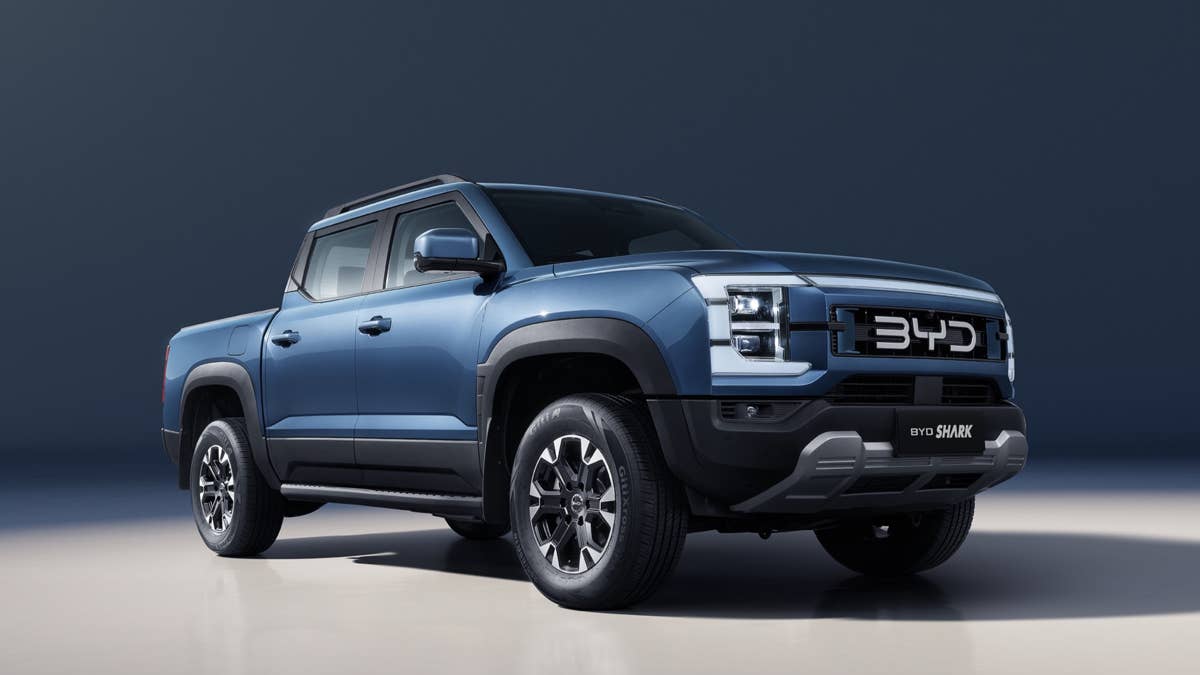
The U.S. auto industry remains free of Chinese cars, which is good news for established manufacturers, particularly American brands. However, a forecast from Mobility Global suggests Chinese automakers could capture 11% of U.S. sales by 2038 if restrictions were lifted, especially considering how many Chinese cars U.S. buyers would love.
Until the inevitable arrives, Europe is providing a clear picture of what increased Chinese competition could look like. With BYD raising its overseas ambitions and other Chinese manufacturers following suit, European automakers have an increasingly difficult challenge ahead.