
I became sick when I was 12. It happened out of nowhere. We were on a family trip to New York City to celebrate New Year’s Eve in Times Square. I stood out on the Statue of Liberty’s crown, sipping the (extravagantly priced) hot chocolate my parents bought me to combat the cold, gazing in awe at the dazzling metropolis, and was suddenly overcome with nausea. That night, I began vomiting, running to the toilet, and developed a high fever. I couldn’t even make it to the window to see the ball drop.
Over the next three years, I spent much of my time in doctor’s offices and bathrooms, with bloating, constipation, diarrhea and bleeding. I was in pain, mostly searing pangs. Who knew when they would hit? I went for X-rays, scopes, breath tests, physical exams; I tried medications, carbon supplements, acupuncture. Steroids worked miraculously at first, then not at all. Experimental drugs went through me completely undigested. I began to evacuate the lining of my own colon; it looked like a thin white snake. My blood count was so low I was repeatedly hospitalized for blood transfusions and iron infusions. It appeared I had very severe ulcerative colitis.
During this time, I was in 7th to 10th grades, the time of first loves, frenemies, tattoos and drivers ed. But as someone with acute bowel disease, my teenage life was increasingly limited. Want a ride home? No thanks. I was worried that whoever was driving would take detours, keeping me away from a toilet. The metro was scary; what if it stalled and I was stuck? I went to school but sat next to the door of the classroom. It was hard for me to go to boy-girl get-togethers: I couldn’t even sit through a movie in someone’s basement, and what if the bathroom was within earshot? The logistics were so difficult, the risk of embarrassment too high. I stopped attending most things.
All teenagers deal with their body changing, with it being out of their control. My body was waging war on me, emitting shameful sounds, smells and sights without my consent. It felt like I, Little Judy, was buried somewhere deep inside this morass of sickly flesh, this thing that all these ancient doctors were probing, trying to decipher. Had I done something to cause this? Was it my fault? I didn’t not-love my body, I hated it.
When my friends were exploring sexuality, I recoiled. For one, it’s hard to think about smooching when you’re doubled down in anguish. Constantly exposed to the medical world, I’d created strong barriers, dissociating from my physical experience.
Not to mention, how could I possibly share what I was going through with anyone? My peers were worried about algebra tests; I was worried about blood tests. My friends gossiped about trying drugs; I was on more drugs than half the school combined! I went to doctors who mentioned the possibility of developing cancer. I felt misunderstood, alone, and so very ugly. I didn’t know how to let anyone get close.
By tenth grade, my life was completely in the toilet, literally. Surgery was offered as an option. Major surgery: they would remove my entire large intestine colon and create a pouch from part of the small intestine that would, hopefully, work as a de facto colon. Doctors kept postponing the procedure, worried about the risks. But I insisted on the operation. I told my parents, if they didn’t take me, I’d take the bus.
So, at 15, I had my entire colon removed. My pouch was amazing; I was not a “bowel normie,” and I couldn’t eat with abandon, but I lived a mostly pain-free life. I remained relatively healthy through my twenties, eventually dating (and making up for lost time!). I got married at age 31 to a man who I was able to open up to about my chronic condition, and who was willing to support my toilet paper habit. But then came the question: was my body robust enough to have a baby? Could I get past all my shame, all my corporeal disappointment, to create a life? And should I be a parent, i.e. would my children end up sick too? I wobbled for two years.
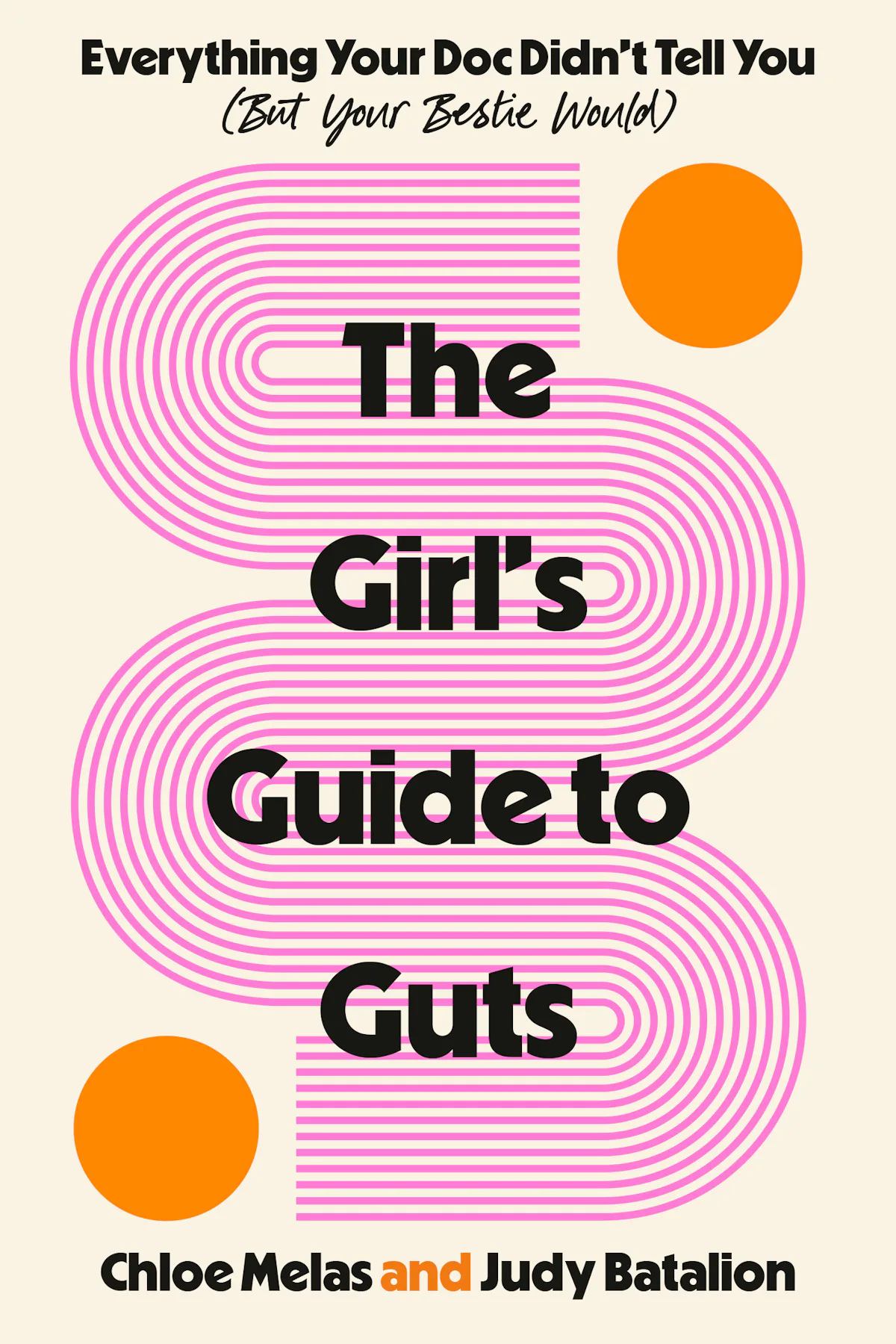
Then, the second I’d decided to maybe even consider trying to get pregnant, my gynecologist enrolled me in a fertility clinic, saying, “People with your surgeries have so much trouble, there’s not a minute to waste.” A few weeks later, I was doing bloodwork at my local clinic so they could send the results to the fertility center. Only, it turned out, as a squealing nurse revealed, I was already pregnant.
The nine months passed seamlessly, bowel-wise, except for some excruciating bouts of gas that had become trapped under my growing belly. My first daughter was born healthy via C-section (recommended, as natural childbirth carried a risk of damaging the pouch). Though I did have a dangerous and frightening ectopic pregnancy a few years later when trying for my second — most likely due to scar tissue from the old surgery — I ultimately ended up having three children which is a miracle, and also, a little insane. My body, once a disintegrating and diseased lump of organs, had made so much life! Never mind years of yoga and pilates, finally, I felt strong. And even, a little bit beautiful.
Judy Batalion is a New York Times bestselling author of award-winning nonfiction and fiction. Her essays have appeared in The New York Times, The Washington Post, and Vogue, among others. Judy has a BA in the History of Science from Harvard, a PhD from the University of London, and has worked as a museum curator and university lecturer. She lives in New York City with her husband and three children.