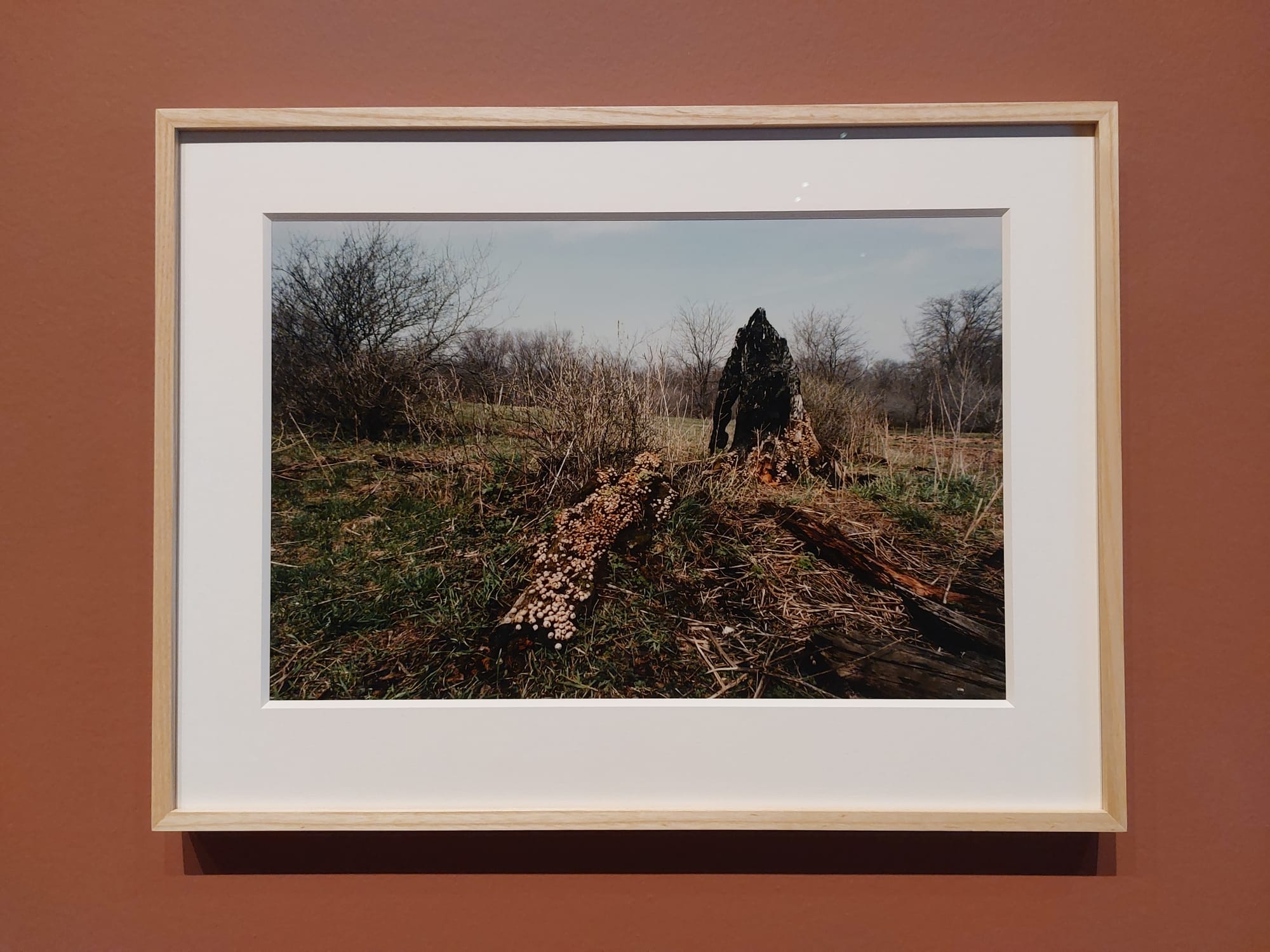
LONDON — Barely there but deftly constructed, Ana Mendieta’s Siluetas could be anywhere. Some are almost invisible in her documentary photographs. In one from 1979, a human form is impressed into the mud among similar natural shapes on a dried-out riverbank. In another from 1978, a few shimmering leaves, flowers, and branches sketch out the ghost of a woman against a dark tree trunk. Ana Mendieta, a major survey exhibition at Tate Modern, however, asks us to take notice: of the earth, the power of the female body, and the artist’s remarkable practice.
The exhibition eschews a chronological approach, opting to organize works according to their physical and metaphorical places, such as The Grove, The School, or The Sacred Grounds. This effectively points visitors towards the essential site-specificity of Mendieta’s practice; individual works are made in dialogue with particular locations of personal, ecological, or spiritual significance. More broadly, as the wall text explains, Mendieta described her practice as an “attempt to return to the maternal source,” in response to being “cast from the womb (Nature)” through her exile from Cuba as a child.
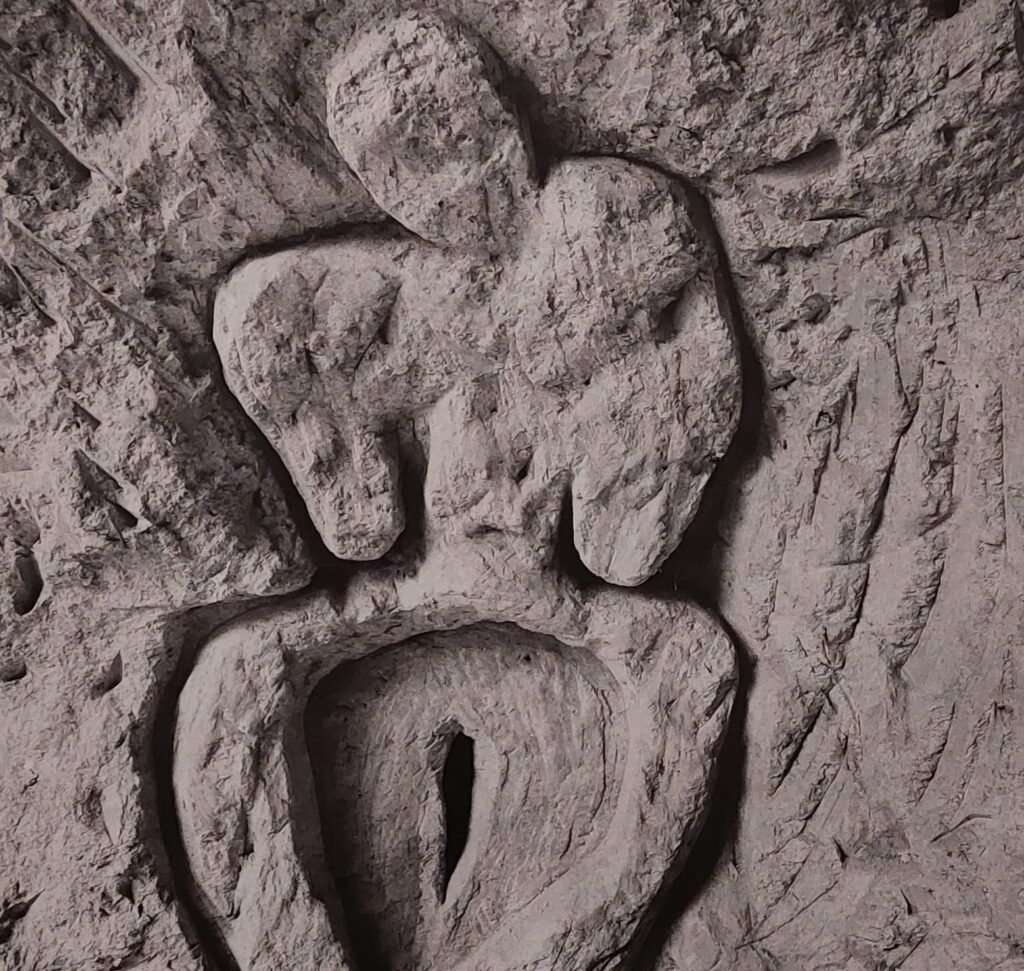
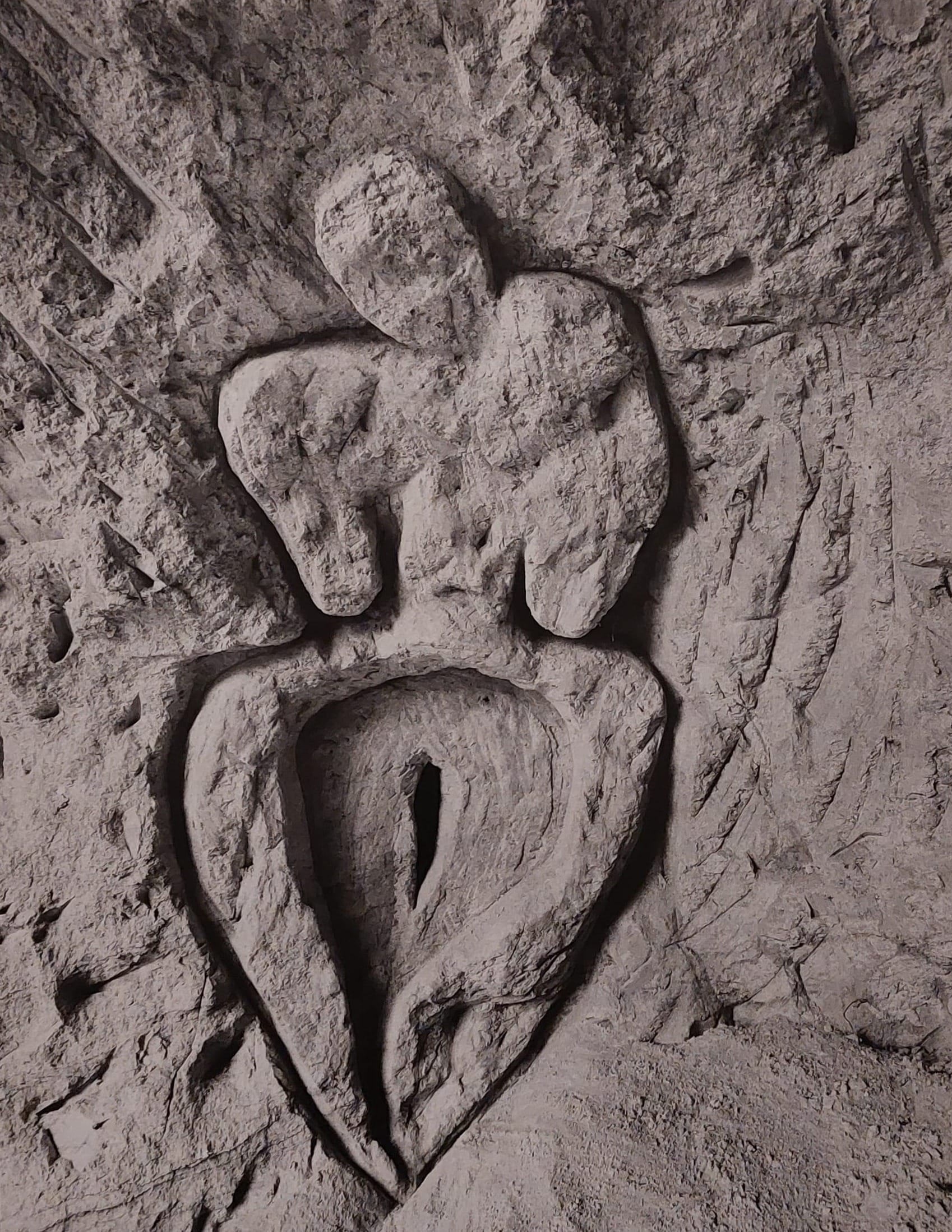
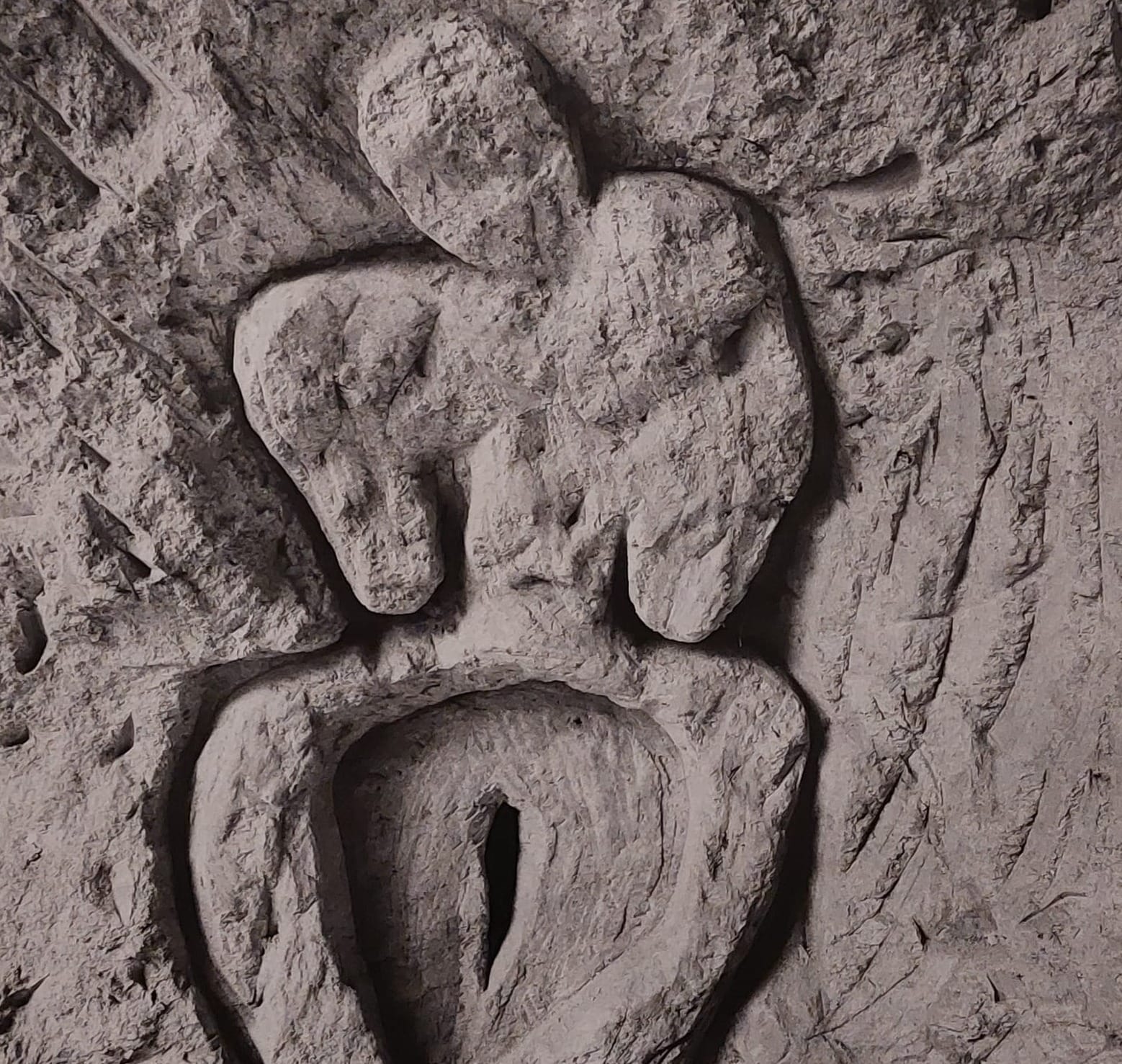
The exhibition opens with “The Cave,” featuring late works from the 1980s, including her very last video piece “Ochún” (1981) and a selection of her “rupestrian” sculptures inspired by prehistoric rock art. Whereas her more famous Silueta series generally features an imprint or silhouette of Mendieta’s own body, these lesser-known later works are more open-ended in style. Here, female forms are borrowed not from the artist’s anatomy but from the natural forms of rocks and prehistoric representations of goddesses.