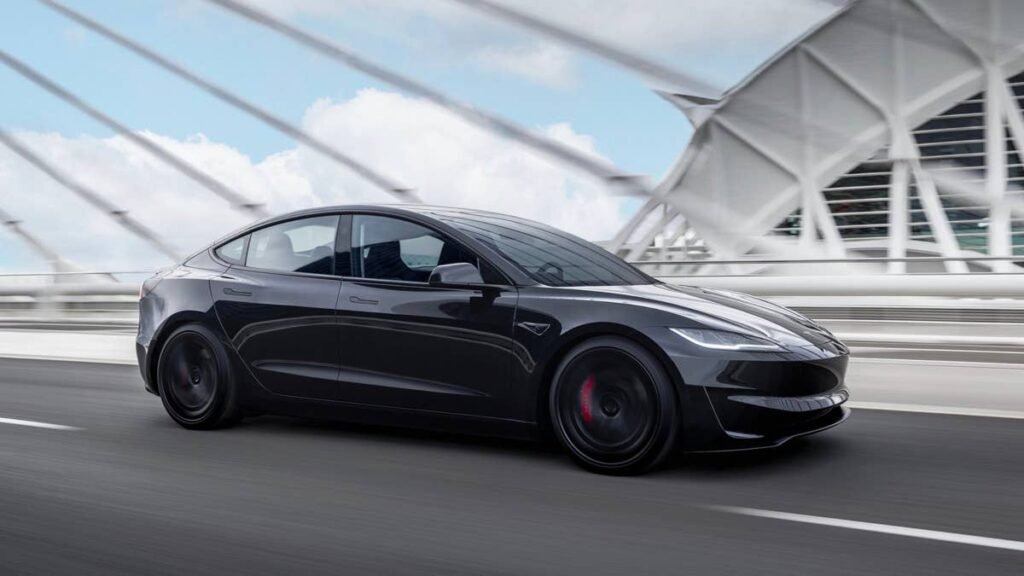
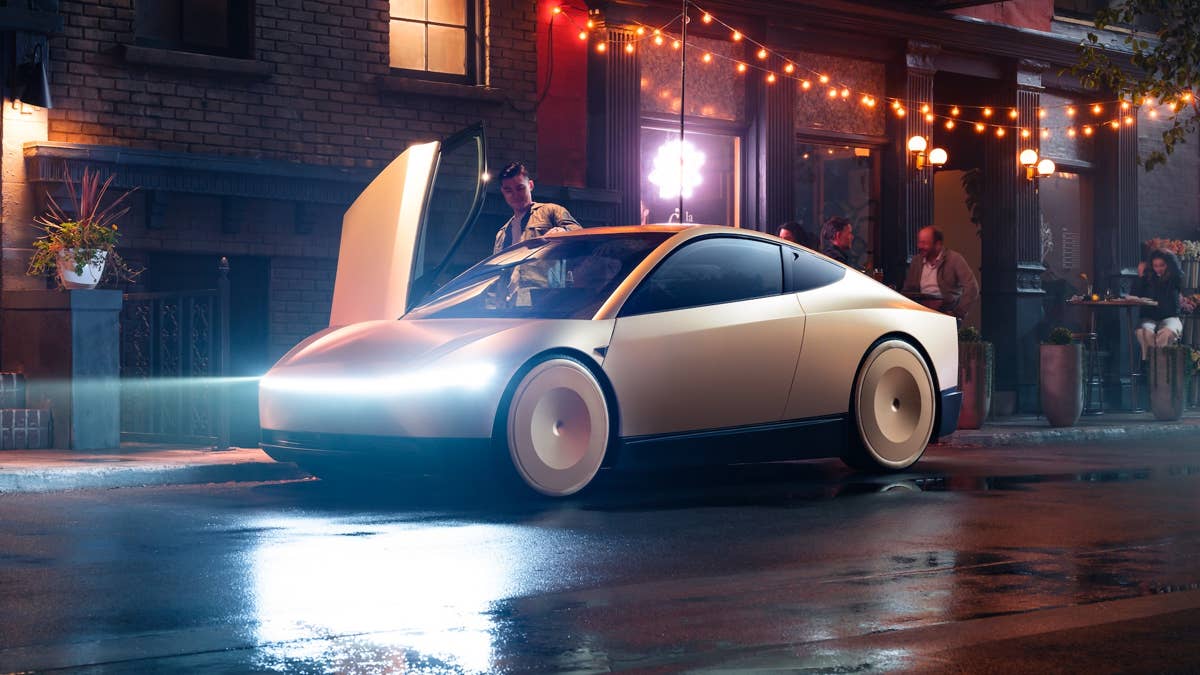
The Cybercab might be a robotaxi, but some of its hardware is coming to cars you can actually buy. In a bid to simplify building and powering its cars, Tesla is looking to incorporate certain components designed for its Cybercab in its passenger vehicles.
What Changes
Tesla
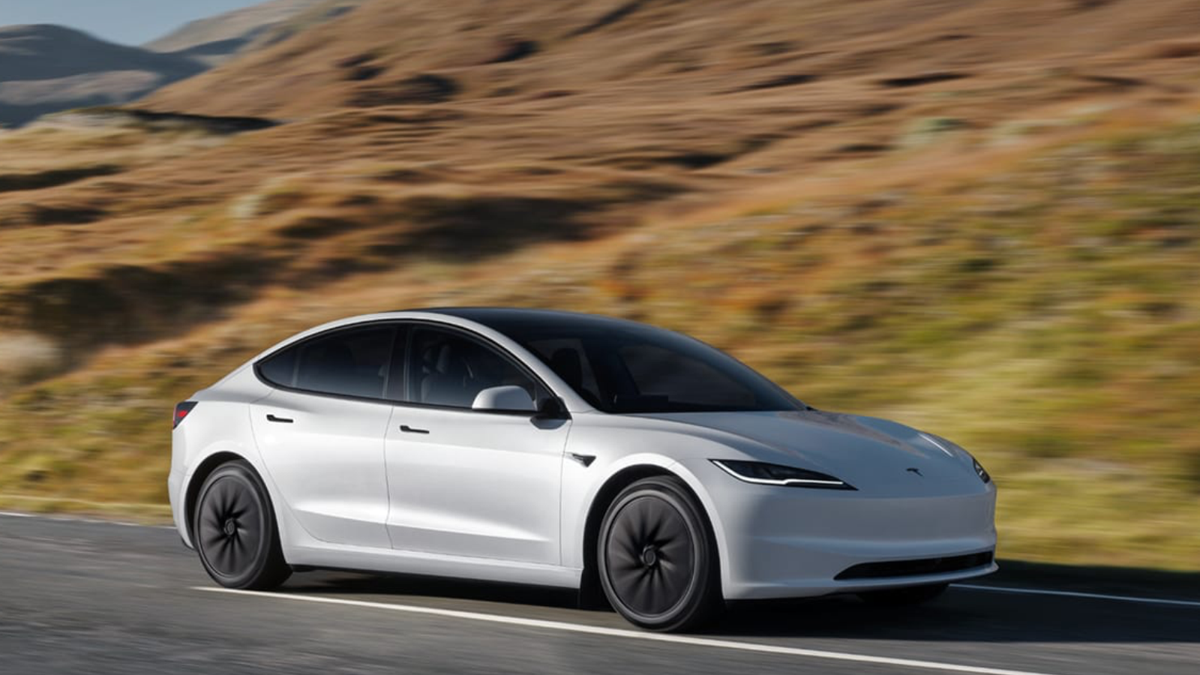
According to Drive Tesla Canada, Nick Verzini, Tesla’s head of drive unit engineering, said on a Munro Live factory tour that a new printed circuit board assembly and power stage will enter Model 3 production in 2026. They come from the inverter Tesla designed for the Cybercab it has started building.
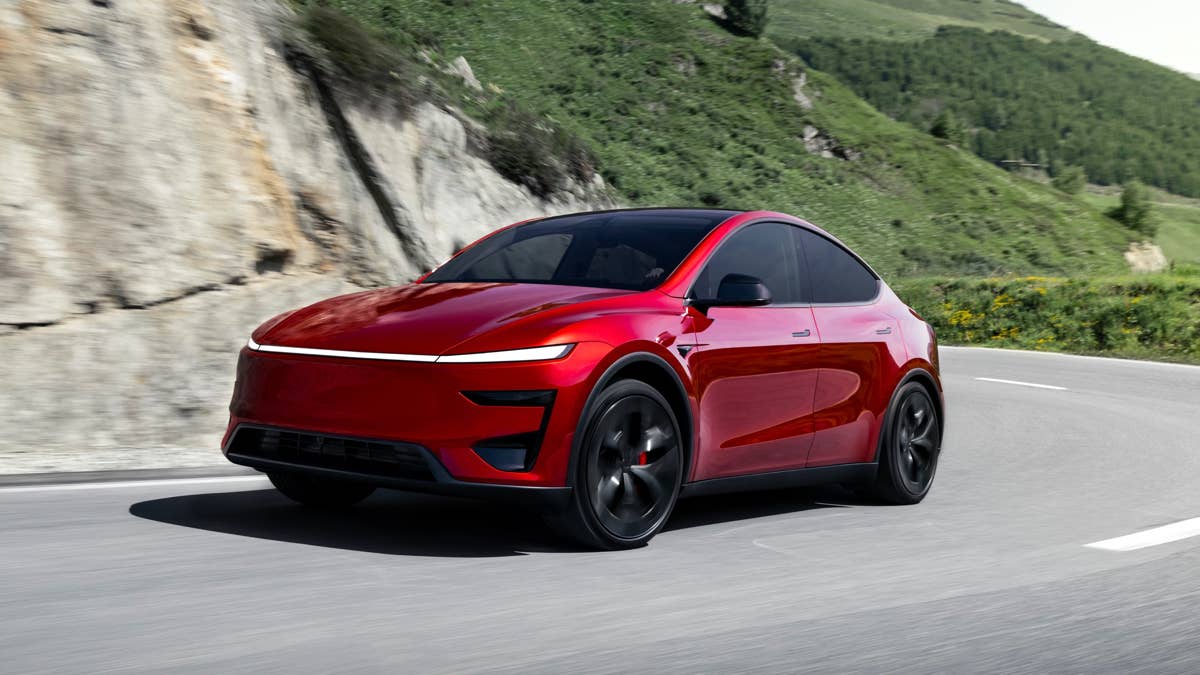
The inverter turns the battery’s DC power into AC that spins the motor, so it affects efficiency and cost. Verzini said the new design has substantially fewer electronic components than the current Model 3 inverter, though no figure was given, and it accepts parts from multiple suppliers. When asked whether the whole unit could fit a Model Y drive unit, he said: “We kept the entire interface.” Tesla hasn’t announced a Model Y change as yet.
Tesla
What It Means For Tesla Owners
Don’t expect a range jump. According to reports, efficiency, range, and price figures remain the same. What fewer parts and multiple suppliers could mean, though Tesla hasn’t promised it, is simpler and cheaper-to-build cars, with less exposure to supply chain volatility. For the Cybercab, Tesla’s 2025 Impact Report reportedly targets at least 6.1 miles per kWh, an efficiency figure that is crucial for a car meant to run all day.
What To Watch For
Tesla
Not everything carries over. The Cybercab’s front-mounted motor uses an 11:1 gear ratio, versus about 9:1 in many other Teslas, and swaps the electric oil pump for a mechanical one. Motor cooling channels also move into a cheaper aluminium housing. Those changes aren’t confirmed for other models. The real test is whether or not these changes will result in real-world gains in reliability, pricing, and/or efficiency.