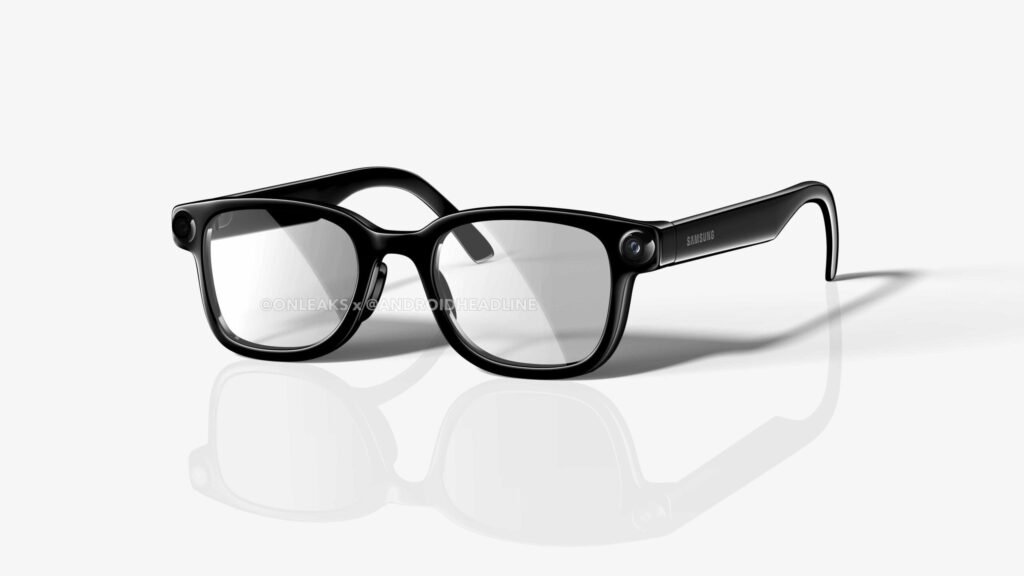

Smart glasses are evolving fast, and your Android phone is quietly getting ready to power the next generation of Android XR-powered AI eyewear. Google is already pushing background updates so your device can seamlessly connect to lightweight frames without any setup hassle. Preparing your smartphone right now means pairing connected glasses will soon feel as effortless as putting on wireless earbuds.
According to system release notes for Google Play services v26.42, a new connectivity option links Android smartphones directly to Android XR smart glasses. Early hardware designs developed alongside Samsung, Gentle Monster, and Warby Parker focus on lightweight audio frames before display-equipped models launch. Wearers will be able to take phone calls, hear live spoken translations, and navigate streets using hands-free Gemini voice commands.
Developer emulators and real-world mapping tools
Building software for expensive wearable hardware usually means buying costly prototype frames. However, new software emulators solve that problem. At the latest Android Dev Summit 2026, Google introduced stable emulators inside Android Studio so developers can test smart glasses apps right on a laptop screen. Updated Geospatial APIs also allow coders to anchor digital directions and landmark information to specific real-world locations for augmented reality views (via Digital Trends).
Mishaal Rahman also shared on X how creators can use ML Kit Gen AI Text-to-Speech libraries to build audio-centric apps. Applications can rely on spoken outputs, distinct sound cues called earcons, and direct voice input to interact with users without needing a screen. Mixing smart audio features with camera sensors lets your phone summarize unread text messages or describe nearby landmarks as you walk around.
Get ready for audio-only
intelligent eyewear running Android XR!
Using ML Kit’s Gen AI Text to Speech library, you can create rich audio-first experiences:
* Voice as output: Allow your app to speak to your users.
* Earcons: Use audio cues to signal and alert your users.… pic.twitter.com/ZgZtTY8cpf
— Mishaal Rahman (@MishaalRahman) October 28, 2026
Automated testing tools and hardware momentum
Updated command-line tools also let automated AI coding agents test Android XR apps on real hardware over cloud connections. Using Android Device Streaming helps developers catch slow app load times, laggy animations, and battery drainage bugs long before public releases. Google also added over 30 specialized development skills to help programmers fix hidden security flaws and optimize app performance automatically.
Hardware releases like the wired XREAL AURA show that the Android XR ecosystem is expanding across multiple wearable form factors. Providing ready-to-use emulators gives software creators plenty of time to build useful apps before consumer smart glasses hit retail shelves. Seeing these background updates roll out to regular phones suggests that official hardware announcements could happen much sooner than expected.
The post Google Android XR Update Brings Smart Glasses Closer to Your Phone appeared first on Android Headlines.