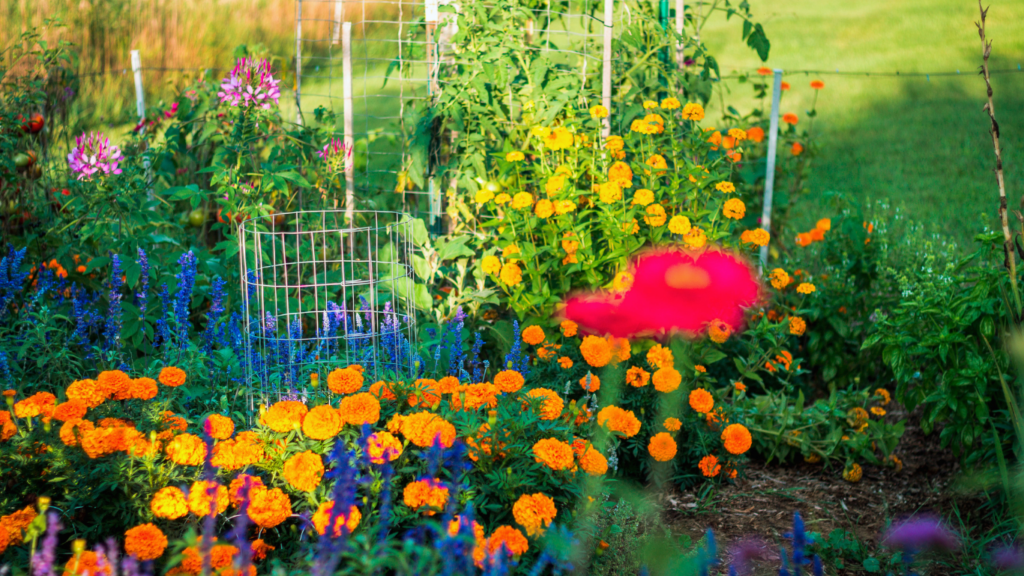
Michigan is known for its cold weather due to being surrounded by the Great Lakes. Michigan does have a warm season with plenty of plants to choose from. Below are the 25 best full sun perennials for Michigan gardens to grow.

25 Full Sun Perennials Michigan Gardens Can Grow
Whether you’re planting a sunny border, pollinator garden, or low-maintenance landscape, these full sun perennials are reliable choices for Michigan gardens.
Native Michigan Perennials
- Black-Eyed Susan
- Purple Coneflower
- Butterfly Weed
- Wild Bergamot
- Southern Blue Flag Iris
- Blazing Star (Liatris)
- Joe-Pye Weed
- New England Aster
- Penstemon (Beardtongue)
- Anise Hyssop
Long-Blooming Perennials
- Bee Balm
- Daylily
- Blanket Flower (Gaillardia)
- Garden Phlox
- Salvia
- Catmint (Nepeta)
- Yarrow
Pollinator Favorites
- Bee Balm
- Butterfly Weed
- Purple Coneflower
- Anise Hyssop
- Wild Bergamot
- Blazing Star (Liatris)
- Joe-Pye Weed
- New England Aster
- Salvia
Low-Maintenance Garden Choices
- Russian Sage
- Sedum ‘Autumn Joy’
- Coral Bells
- Switchgrass
- Peony
- Lupine
- Shasta Daisy
- Coreopsis (Tickseed)
Native Plants of Michigan
Native Michigan perennials are naturally adapted to the state’s climate, making them hardy, low-maintenance, and beneficial for local wildlife. Explore these beautiful plants to find the best options for adding lasting color and supporting pollinators in your garden.
Black-Eyed Susan

Botanical Name: Rudbeckia hirta
USDA Hardiness Zones: 3–9
Height & Spread: 2–3 feet tall and 1–2 feet wide
Bloom Time: July–September
Why It Grows Well in Michigan
Black-Eyed Susan is a hardy native perennial that thrives in Michigan’s USDA Zones 4–6. It tolerates cold winters, summer heat, and a variety of soil types, making it an excellent choice for sunny borders and pollinator gardens. Its cheerful yellow flowers provide long-lasting color throughout the summer.
Growing Tips
Plant in full sun with well-drained soil. Give your Black-Eyed Susans plenty of water until they are established. Deadhead spent flowers to encourage more blooms, or leave seed heads for birds to enjoy in fall.
Purple Coneflower

Botanical Name: Echinacea purpurea
USDA Hardiness Zones: 3–9
Height & Spread: 2–5 feet tall and 1–2 feet wide
Bloom Time: June–August (often into September)
Why It Grows Well in Michigan
Purple coneflower is a hardy native perennial that thrives in Michigan’s climate. It tolerates cold winters, summer heat, and drought once established, making it an excellent choice for sunny garden beds. Its long-lasting purple flowers also attract butterflies, bees, and other pollinators.
Growing Tips
Plant in full sun with well-drained soil. Water consistently during the first year, then only as needed during prolonged dry spells. Leave seed heads in fall to provide food for birds and winter interest.
Butterfly Weed

Botanical Name: Asclepias tuberosa
USDA Hardiness Zones: 3–9
Height & Spread: 1–3 feet tall and 1–2 feet wide
Bloom Time: June–August
Why It Grows Well in Michigan
Butterfly weed is a hardy native perennial that thrives in Michigan’s full sun gardens. It tolerates drought, poor soil type, and cold winters while producing vibrant orange blooms that attract butterflies, bees, and hummingbirds. It’s also an essential host plant for monarch butterfly caterpillars.
Growing Tips
Plant in full sun with well-drained soil. Water regularly until established, then only during extended dry spells. Avoid transplanting mature plants, as they develop deep taproots that prefer to remain undisturbed.
Wild Bergamot

Botanical Name: Monarda fistulosa
USDA Hardiness Zones: 3–9
Height & Spread: 2–4 feet tall and 2–3 feet wide
Bloom Time: July–September
Why It Grows Well in Michigan
Wild bergamot is a native Michigan perennial that thrives in full sun and adapts well to a variety of soil types. Its fragrant lavender blooms attract bees, butterflies, hummingbirds, and other beneficial pollinators, making it an excellent addition to pollinator and native plant gardens.
Growing Tips
Plant in full sun with well-drained soil for the best blooms. Water regularly during the first growing season, then only during prolonged dry periods. Divide clumps every few years to improve air circulation and maintain healthy growth.
Southern Blue Flag Iris

Botanical Name: Iris virginica var. shrevei
USDA Hardiness Zones: 4–9
Height & Spread: 2–3 feet tall and 1–2 feet wide
Bloom Time: May–June
Why It Grows Well in Michigan
Southern Blue Flag Iris is well adapted to Michigan’s climate and naturally grows in wetlands, along ponds, and in moist meadows. It handles cold winters with ease and performs especially well in consistently moist soils, adding striking blue-purple blooms in late spring.
Growing Tips
Choose a location with full sun and moist, well-drained soil. This iris is an excellent choice for rain gardens, pond edges, or other areas that stay damp. Remove spent flower stalks after blooming to keep plants looking tidy, and divide overcrowded clumps every few years to encourage healthy growth.
Blazing Star (Liatris)

Botanical Name: Liatris spicata
USDA Hardiness Zones: 3–8
Height & Spread: 2–4 feet tall and 1–2 feet wide
Bloom Time: July–September
Why It Grows Well in Michigan
Blazing Star is a native prairie perennial that flourishes in Michigan’s sunny landscapes. It is well suited to the state’s cold winters and warm summers, producing tall spikes of vibrant purple flowers that add vertical interest and late-season color to garden beds.
Growing Tips
Plant Blazing Star in a sunny location with well-drained soil. It prefers average to dry conditions once established and doesn’t require frequent watering. Leave the flower spikes standing through fall to provide winter interest and food for birds before cutting them back in early spring.
Joe-Pye Weed

Botanical Name: Eutrochium purpureum
USDA Hardiness Zones: 4–9
Height & Spread: 4–7 feet tall and 2–4 feet wide
Bloom Time: July–September
Why It Grows Well in Michigan
Joe-Pye Weed is a native perennial that thrives in Michigan’s climate, especially in areas with rich, moist soil. Its tall stems and clusters of rosy-purple flowers create a striking focal point while providing an important late-season nectar source for butterflies and other pollinators.
Growing Tips
Plant Joe-Pye Weed in full sun with consistently moist, well-drained soil. It works beautifully in rain gardens, naturalized areas, or along pond edges. Cut back the stems in late fall or early spring to encourage healthy new growth each season.
New England Aster

Botanical Name: Symphyotrichum novae-angliae
USDA Hardiness Zones: 4–8
Height & Spread: 3–6 feet tall and 2–3 feet wide
Bloom Time: August–October
Why It Grows Well in Michigan
New England Aster is a native perennial that provides vibrant late-season color when many other flowers have finished blooming. It thrives in Michigan’s climate and is an excellent source of nectar for bees and butterflies heading into fall.
Growing Tips
Plant in full sun with well-drained soil. Pinch back stems in early summer for a bushier plant, and divide every few years to maintain healthy growth and abundant blooms.
Penstemon (Beardtongue)

Botanical Name: Penstemon digitalis
USDA Hardiness Zones: 3–8
Height & Spread: 3–5 feet tall and 1–2 feet wide
Bloom Time: May–July
Why It Grows Well in Michigan
Penstemon is a tough native perennial that adapts well to Michigan’s changing weather. Its elegant white flower spikes brighten early summer gardens while attracting hummingbirds and other pollinators.
Growing Tips
Grow in full sun with well-drained soil. Avoid overly wet locations, especially during winter. Remove spent flower stalks after blooming to keep plants tidy and encourage healthy foliage.
Anise Hyssop

Botanical Name: Agastache foeniculum
USDA Hardiness Zones: 4–8
Height & Spread: 2–4 feet tall and 1–2 feet wide
Bloom Time: June–September
Why It Grows Well in Michigan
Fragrant anise Hyssop is a long-blooming perennial that handles Michigan’s summers and cold winters with ease. Its fragrant lavender flower spikes add months of color while attracting bees, butterflies, and hummingbirds.
Growing Tips
Plant in full sun and well-drained soil. Once established, it tolerates short periods of drought. Deadhead faded blooms to extend flowering, or leave seed heads in place for birds and winter interest.
Long Blooming Perennial Flowers
These blooms are perfect to grow in Michigan’s unique climate.
Bee Balm

Botanical Name: Monarda didyma
USDA Hardiness Zones: 4–9
Height & Spread: 2–4 feet tall and 2–3 feet wide
Bloom Time: July–August
Why It Grows Well in Michigan
Bee balm brings bold summer color to Michigan gardens and thrives in sunny beds with rich, evenly moist soil. Its bright blooms are especially loved by hummingbirds, bees, and butterflies.
Growing Tips
Give bee balm good air circulation to help prevent powdery mildew. Water at the base of the plant, deadhead faded flowers, and divide clumps every few years.
Daylily

Botanical Name: Hemerocallis
USDA Hardiness Zones: 3–9
Height & Spread: 1–4 feet tall and 1–3 feet wide
Bloom Time: June–August
Why It Grows Well in Michigan
Daylilies are reliable, hardy perennials that handle Michigan winters and summer heat beautifully. They come in many colors and are perfect for sunny borders, slopes, and low-maintenance beds.
Growing Tips
Plant in full sun for the most blooms. Remove spent flower stalks after blooming and divide crowded clumps every few years to keep plants vigorous.
Blanket Flower (Gaillardia)

Botanical Name: Gaillardia aristata
USDA Hardiness Zones: 3–10
Height & Spread: 1–3 feet tall and 1–2 feet wide
Bloom Time: June–September
Why It Grows Well in Michigan
Blanket flower loves sunny, dry spots and adds cheerful red, orange, and golden yellow blooms for much of the summer. It is a great choice for hot borders and pollinator-friendly gardens.
Growing Tips
Plant in well-drained soil and avoid overly wet areas. Deadhead regularly to encourage more blooms, and cut plants back in late summer if they begin to look tired.
Garden Phlox

Botanical Name: Phlox paniculata
USDA Hardiness Zones: 4–8
Height & Spread: 2–4 feet tall and 2–3 feet wide
Bloom Time: July–September
Why It Grows Well in Michigan
Garden phlox adds fragrant clusters of pink, purple, white, or red flowers during midsummer. It performs well in Michigan when planted where it receives full sun and steady moisture.
Growing Tips
Choose mildew-resistant varieties when possible. Space plants well for airflow, water at soil level, and remove faded blooms to keep the plant looking fresh.
Salvia

Botanical Name: Salvia nemorosa
USDA Hardiness Zones: 4–8
Height & Spread: 1–3 feet tall and 1–2 feet wide
Bloom Time: May–July, often reblooming
Why It Grows Well in Michigan
Perennial salvia is a dependable full-sun plant with upright purple, blue, pink, or white flower spikes. It handles Michigan’s growing season well and attracts bees and butterflies.
Growing Tips
Plant in full sun with well-drained soil. Shear back after the first flush of blooms to encourage reblooming and keep the plant compact.
Catmint (Nepeta)

Botanical Name: Nepeta faassenii
USDA Hardiness Zones: 3–8
Height & Spread: 1–3 feet tall and 2–3 feet wide
Bloom Time: May–September
Why It Grows Well in Michigan
Catmint is a tough, long-blooming perennial that thrives in sunny Michigan gardens. Its soft lavender-blue flowers and fragrant foliage make it beautiful for borders, pathways, and cottage gardens.
Growing Tips
Plant in full sun and well-drained soil. Trim plants back after the first bloom to encourage fresh growth and another wave of flowers.
Yarrow
Botanical Name: Achillea millefolium
USDA Hardiness Zones: 3–9
Height & Spread: 1–3 feet tall and 1–2 feet wide
Bloom Time: June–September
Why It Grows Well in Michigan
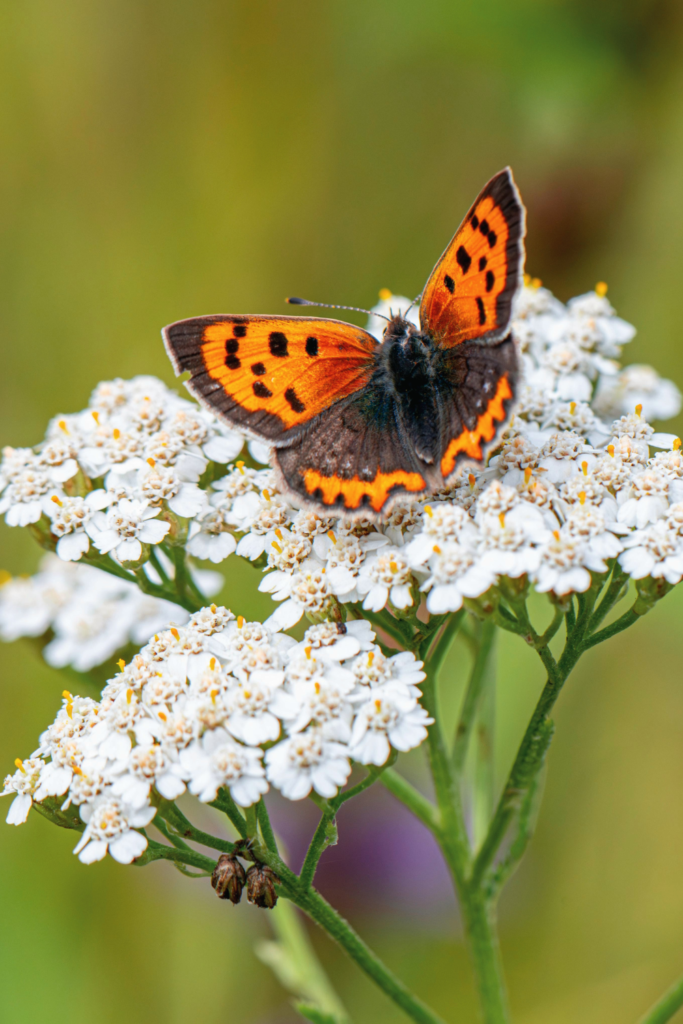
Yarrow is a hardy, drought-tolerant perennial that does well in sunny, well-drained Michigan gardens. Its flat-topped blooms attract pollinators and add a soft, meadow-like feel.
Growing Tips
Avoid rich, wet soil, which can make stems flop. Deadhead to encourage more blooms, and divide every few years to keep plants healthy.
Favorite Perennials of Pollinators
If you want to attract more bees, butterflies, and hummingbirds to your Michigan garden, these full sun perennials are excellent choices. They provide nectar and pollen throughout the growing season while adding vibrant color and supporting local wildlife.
- Bee Balm
- Butterfly Weed
- Purple Coneflower
- Anise Hyssop
- Wild Bergamot
- Blazing Star (Liatris)
- Joe-Pye Weed
- New England Aster
- Salvia
Low Maintenance Perennials
The following perennials are great for Michigan gardeners who want reliable color without a lot of fuss. Once established, many of these plants can handle changing weather, need minimal upkeep, and return beautifully year after year.
Russian Sage

Botanical Name: Salvia yangii (formerly Perovskia atriplicifolia)
USDA Hardiness Zones: 4–9
Height & Spread: 3–5 feet tall and 2–4 feet wide
Bloom Time: July–October
Why It Grows Well in Michigan
Russian sage thrives in Michigan’s sunny gardens and tolerates heat, drought, and poor soil once established. Its silvery foliage and lavender-blue flowers provide months of color.
Growing Tips
Plant in full sun with well-drained soil. Avoid overwatering, and prune plants back in early spring to encourage fresh growth.
Sedum ‘Autumn Joy’

Botanical Name: Hylotelephium ‘Autumn Joy’
USDA Hardiness Zones: 3–9
Height & Spread: 18–24 inches tall and wide
Bloom Time: August–October
Why It Grows Well in Michigan
Sedum ‘Autumn Joy’ is a dependable perennial that handles Michigan’s hot summers and freezing winters with ease. Its flower heads change from pink to deep bronze as the season progresses.
Growing Tips
Grow in full sun with well-drained soil. Water sparingly once established, and leave dried flower heads through winter for added garden interest.
Coral Bells
Botanical Name: Heuchera spp.
USDA Hardiness Zones: 4–9
Height & Spread: 8–18 inches tall and 12–24 inches wide
Bloom Time: Late spring to early summer
Why It Grows Well in Michigan
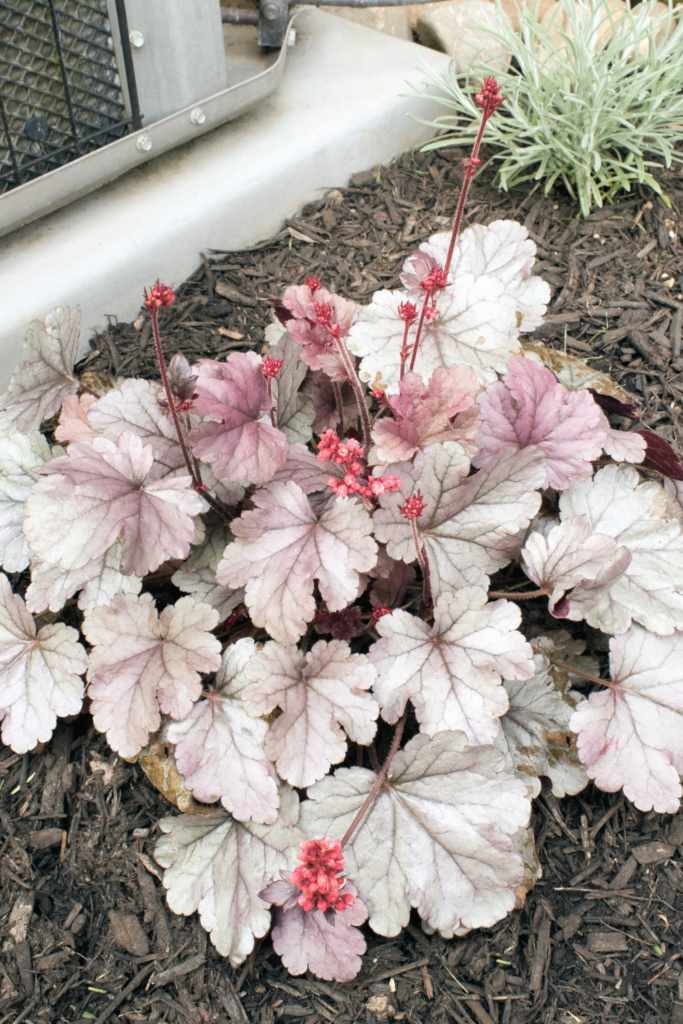
Coral bells are prized for their colorful foliage, which adds interest from spring through fall. They tolerate Michigan’s climate well and brighten borders with both leaves and delicate flower spikes.
Growing Tips
Plant in well-drained soil with consistent moisture. Remove old leaves in spring and divide mature plants every few years to keep them healthy.
Switchgrass

Botanical Name: Panicum virgatum
USDA Hardiness Zones: 3–9
Height & Spread: 3–6 feet tall and 2–3 feet wide
Bloom Time: July–September
Why It Grows Well in Michigan
Switchgrass is a native ornamental grass that thrives in Michigan’s changing seasons. It provides texture, movement, and attractive seed heads that last well into winter.
Growing Tips
Plant in full sun and well-drained soil. Cut old foliage back to a few inches above the ground in early spring before new growth begins.
Peony

Botanical Name: Paeonia lactiflora
USDA Hardiness Zones: 3–8
Height & Spread: 2–3 feet tall and wide
Bloom Time: May–June
Why It Grows Well in Michigan
Peonies are long-lived perennials that flourish in Michigan’s cold winters, which helps produce abundant blooms each spring. Their large, fragrant flowers make them a timeless garden favorite.
Growing Tips
Plant in full sun with well-drained soil, keeping the eyes no more than 2 inches below the soil surface. Avoid disturbing established plants, as they prefer to stay in one location.
Lupine

Botanical Name: Lupinus perennis
USDA Hardiness Zones: 3–8
Height & Spread: 1–3 feet tall and 1–2 feet wide
Bloom Time: May–June
Why It Grows Well in Michigan
Lupines bring bold spikes of colorful flowers to Michigan gardens in late spring. Native varieties are especially valuable for supporting pollinators and adding early-season color.
Growing Tips
Choose a sunny location with well-drained soil. Avoid heavy clay or soggy conditions, and remove spent flower spikes to encourage a tidy appearance.
Shasta Daisy
Botanical Name: Leucanthemum × superbum
USDA Hardiness Zones: 5–9
Height & Spread: 2–4 feet tall and 1–2 feet wide
Bloom Time: June–September
Why It Grows Well in Michigan
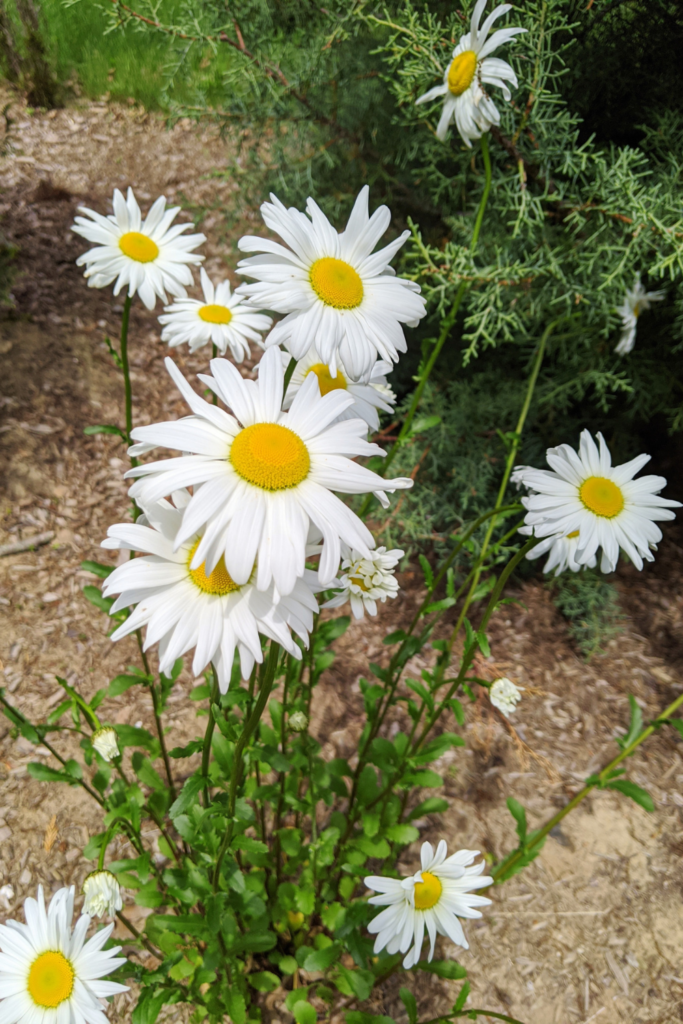
Shasta daisies produce cheerful white blooms that brighten sunny borders throughout the summer. They perform well in Michigan with plenty of sunshine and good drainage.
Growing Tips
Plant in full sun and deadhead faded flowers to extend blooming. Divide clumps every two to three years to maintain healthy, vigorous plants.
Coreopsis (Tickseed)

Botanical Name: Coreopsis lanceolata
USDA Hardiness Zones: 3–9
Height & Spread: 1–2 feet tall and wide
Bloom Time: May–July
Why It Grows Well in Michigan
Coreopsis is a hardy perennial that thrives in Michigan’s sunny gardens, producing bright yellow blooms that attract bees and butterflies. It remains healthy in dry conditions and doesn’t require rich, fertile soil to thrive.
Growing Tips
Plant in full sun with well-drained soil. Deadhead regularly to encourage additional blooms, and divide mature plants every few years to keep them vigorous.
Full Sun Perennials Michigan FAQs
Here are some frequently asked questions you may have about full sun perennials Michigan has to offer in your garden.
What are the best full sun perennials for Michigan?
Some of the best full sun perennials for Michigan include purple coneflower, black-eyed Susan, bee balm, butterfly weed, Russian sage, yarrow, daylilies, sedum, blazing star, and New England asters. These hardy plants thrive in Michigan’s sunny gardens and return year after year with minimal care.
When is the best time to plant perennials in Michigan?
The best time to plant perennials in Michigan is in spring after the last frost or in early fall, about six weeks before the first expected frost. Planting during these cooler seasons gives roots time to establish before extreme summer heat or winter cold.
What are the easiest full sun perennials to grow in Michigan?
Some of the easiest full sun perennials for Michigan include black-eyed Susan, daylily, sedum ‘Autumn Joy,’ yarrow, Russian sage, and peonies. These plants are low-maintenance, hardy, and reliable choices for beginners and experienced gardeners alike.
Which full sun perennials attract butterflies and bees?
Butterfly weed, bee balm, purple coneflower, wild bergamot, blazing star, anise hyssop, and New England asters are among the best perennials for attracting butterflies, bees, hummingbirds, and other beneficial pollinators to your Michigan garden.
Can perennials survive Michigan winters?
Yes. Most hardy perennials grown in Michigan are well adapted to USDA Hardiness Zones 4–6 and can survive cold winters with proper care. Choosing plants suited to your zone and applying mulch after the ground freezes can help protect roots and encourage healthy spring growth.
Full Sun Perennials Michigan Conclusion
Adding full sun perennials to your Michigan garden is an easy way to enjoy reliable color, attract pollinators, and create a landscape that returns year after year. By choosing hardy plants that thrive in USDA Zones 4–6, you can build a beautiful, low-maintenance garden filled with blooms from spring through fall, making your outdoor space both vibrant and easy to care for.