Two electric supercars now claim to leave the ground, and only one of them is actually being delivered. Tesla unveiled its next-generation Roadster on October 15 with cold-gas thrusters, a fan-based downforce system and an airborne stunt, and Elon Musk says production starts in 2028. BYD’s Yangwang U9 hops a couple of inches using its suspension. One is a promise, and the other is a car. Here’s how they stack up.
Round 1: The Stunt
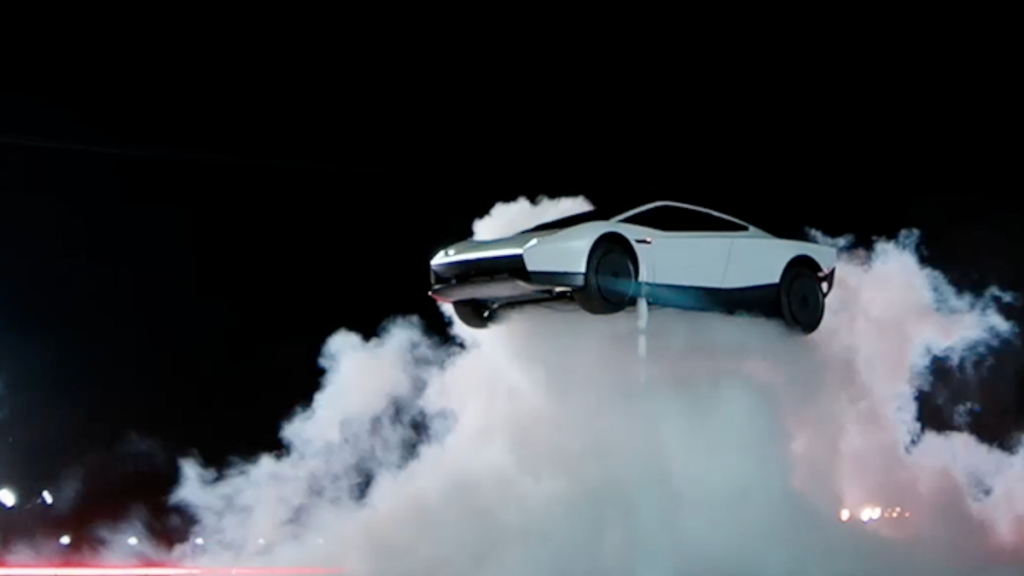
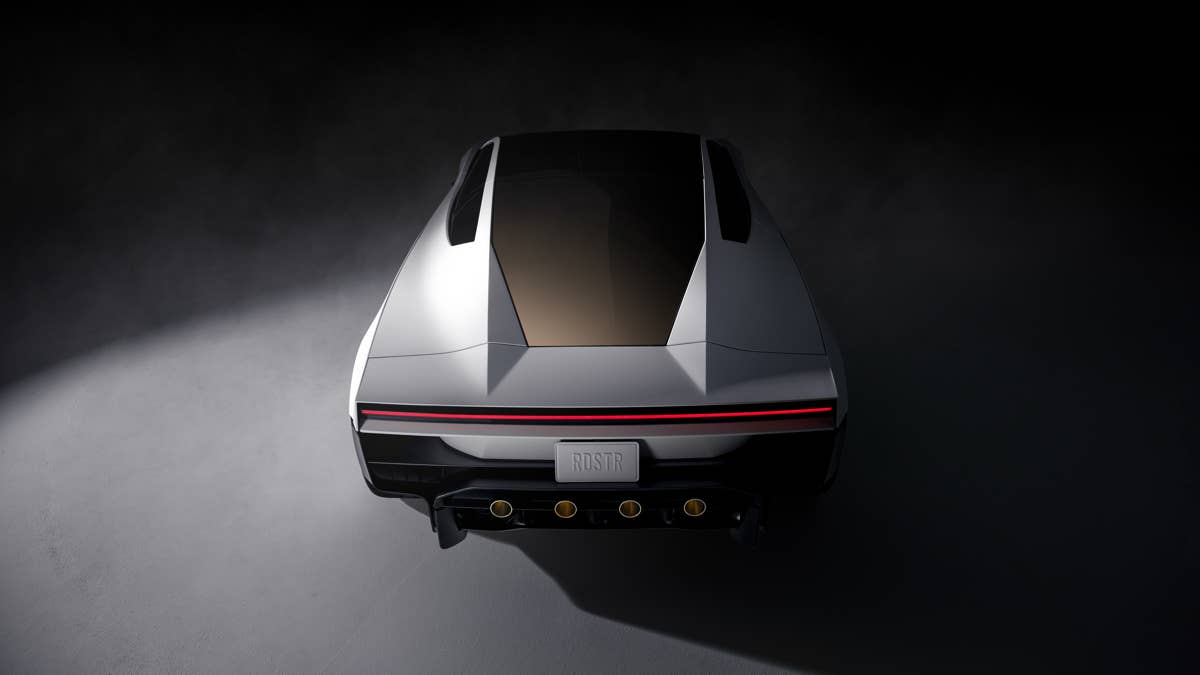
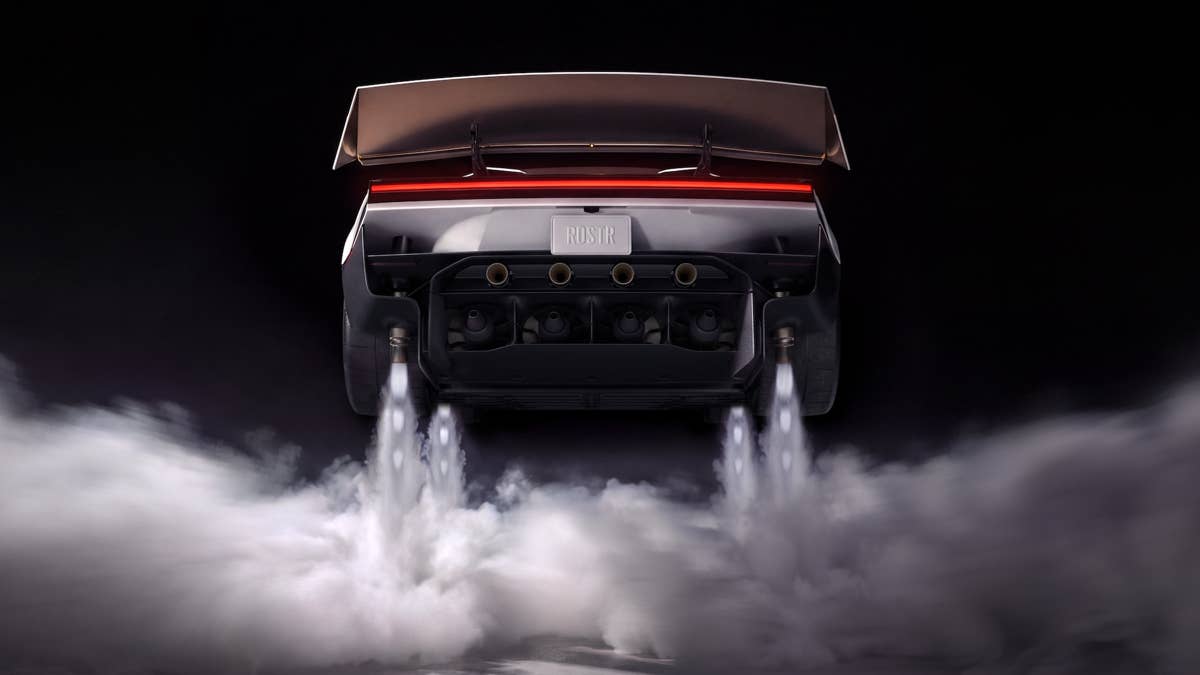
Tesla’s “air ready” Rocket trim is a one-seater with thrusters around the car, and Tesla says it’s invite-only and not approved for public roads. The demo included a ramp jump and a kickflip, more like short jumps and hovers, not sustained flight, and reports claim that no one was in the car. Really, it wouldn’t be an exaggeration to call the jump a “party trick,” since lifting off cuts tire load and doesn’t help performance.
Tesla
The Yangwang’s trick is smaller. BYD’s DiSus-X hydraulic suspension can raise all four corners fast enough to lift the car an inch or two, and it can briefly run on three wheels after a blowout. Most agree the hop has no practical use and is “just cool.” Call it a draw: both are stunts.
Round 2: The Technology Underneath
Tesla’s fan system pulls air from beneath the car for downforce, and the company claims over 2 g of cornering and more than 80 kilonewtons from the thrusters. That is real engineering, but it’s unproven. The Yangwang’s suspension is an electro-hydraulic fully active body control system (combining dual-valve hydraulic dampers, electric motor pumps, and cameras/LiDAR scanning), with road scanning, variable ride height and self-leveling. The jump is a side effect of tech that also improves ride quality. Tesla’s thrusters have no obvious use once the stunt is over.
Round 3: Proof It Exists
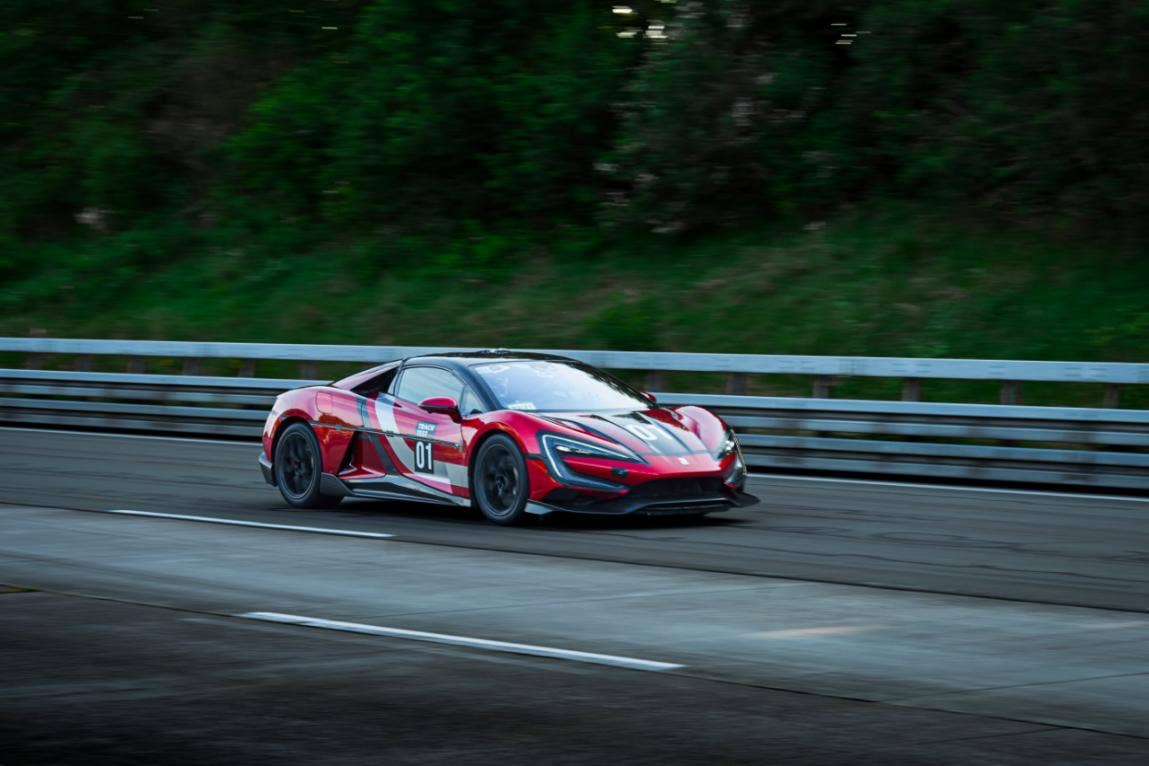
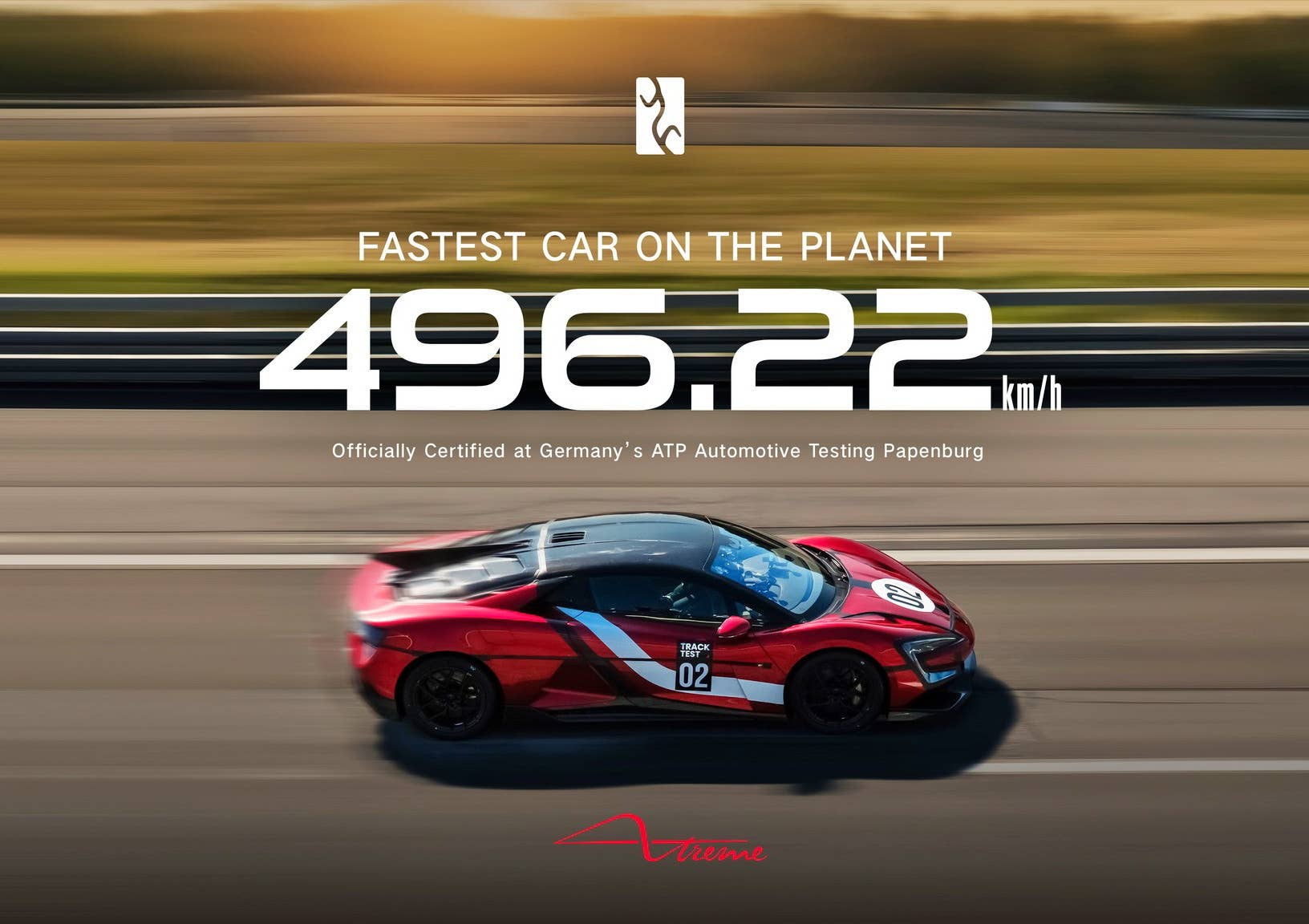
BYD sold a U9 Xtreme for $2.76 million at the Beijing Auto Show this year, with at least one unit handed over on site. Production is limited to 30 cars, with more than 3,000 horsepower and a 6:59.157 Nürburgring lap. A U9 Track Edition hit 294 mph at a German proving ground in 2025.
Tesla’s Thrust trim is listed at $245,000, and Rocket has no price. Production is 2028, roughly eight years after the original target. Range goals have also shrunk from 600 miles to “over 300,” according to reports. Tesla even blamed the weather for an earlier demo delay. The thruster-free Performance trim needs a $5,000 deposit and a further $45,000 within 10 days, though we aren’t sure how that adds up to the final price. Nothing about the Roadster is verifiable on the road yet.
The Winner: Yangwang U9
Yangwang
The label fits. Tesla’s flying car is a demonstration of what might ship in 2028, with thrusters that aren’t road-legal. The Yangwang’s jump is a gimmick too, but it rides on suspension tech that exists, works, and has been sold. Tesla’s fan downforce could prove real, and BYD’s claims are largely self-reported. What to watch: whether Tesla shows a verified 0-60 run, a timeline for the Performance trim, and a clear explanation of how a thruster car clears certification. Until then, the technology is Chinese, and the gimmick is American. Even Chinese rivals are impressed, as per a report from Global Times. Li Bin of NIO said, “We definitely don’t have this,” while XPENG’s He Xiaopeng stressed that certification will take years.