A Factory That Switched Gears
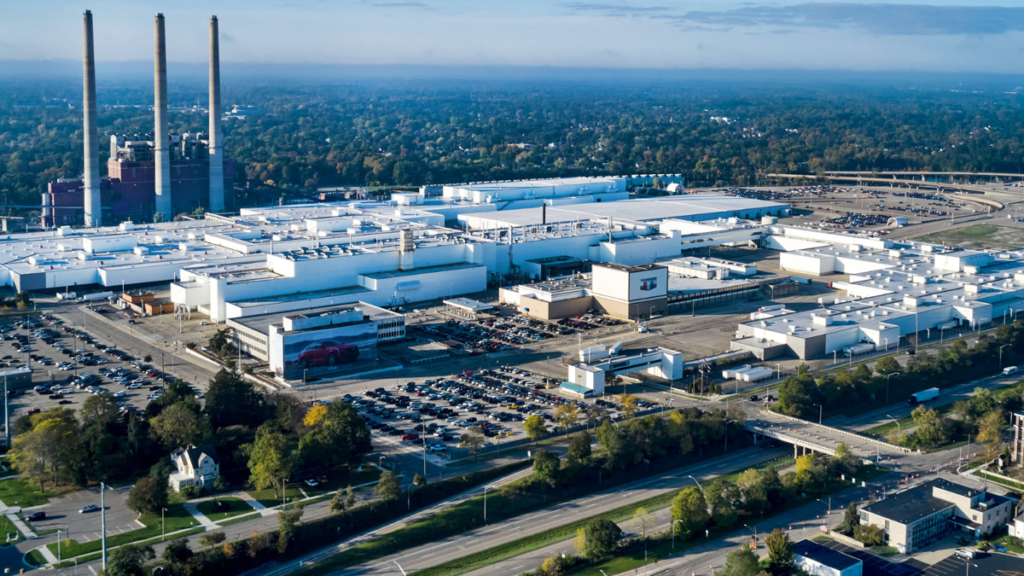
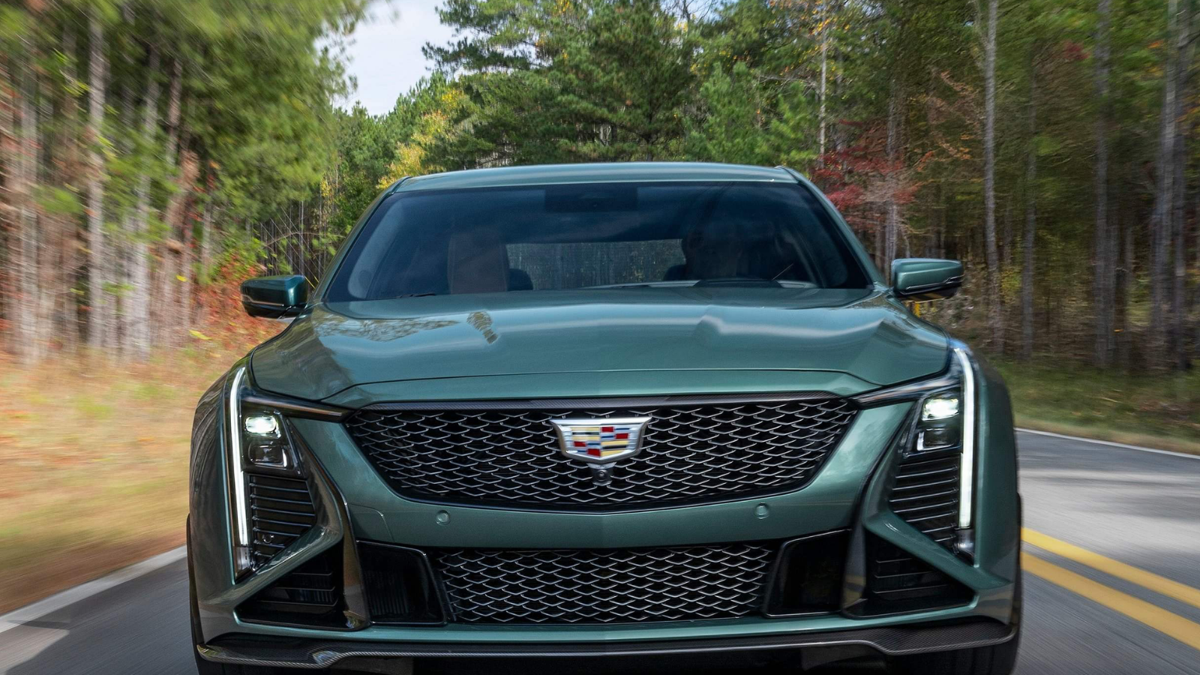
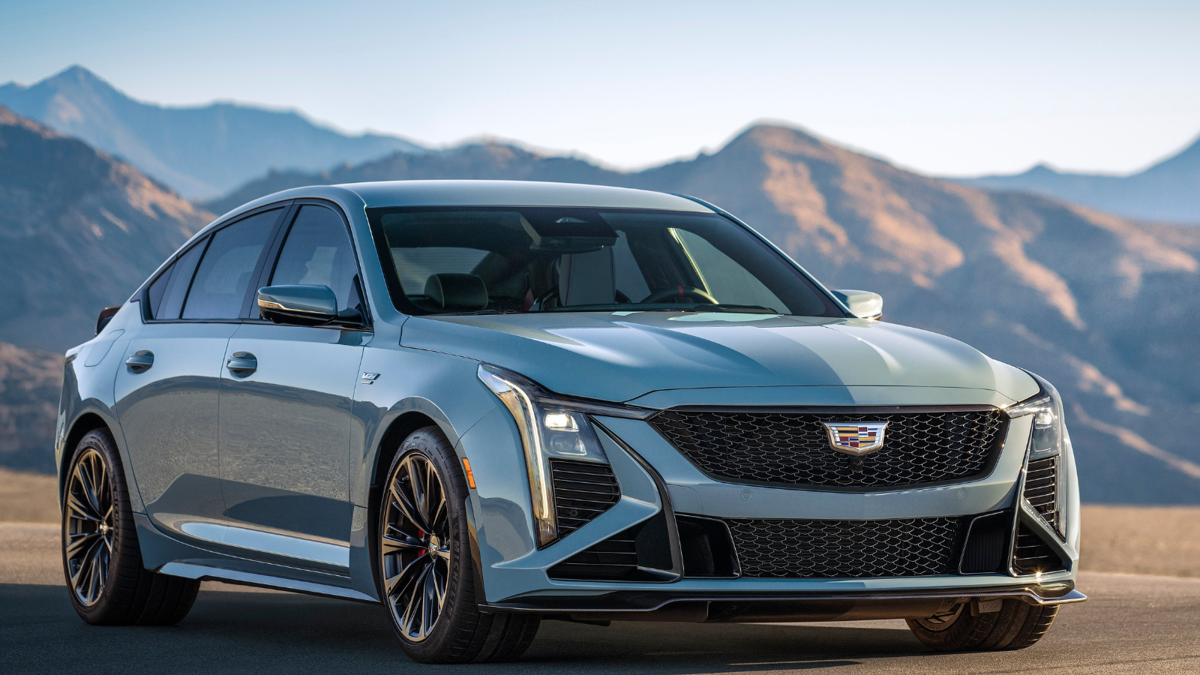
General Motors’ Lansing Grand River plant in Michigan has faced shifting plans since 2023, when the automaker committed $1.25 billion to retool the facility for electric vehicle production. But with EV demand slowing, such a strategy has become riskier, and GM later confirmed that the CT5 will return to the plant for another generation powered by a combustion engine.
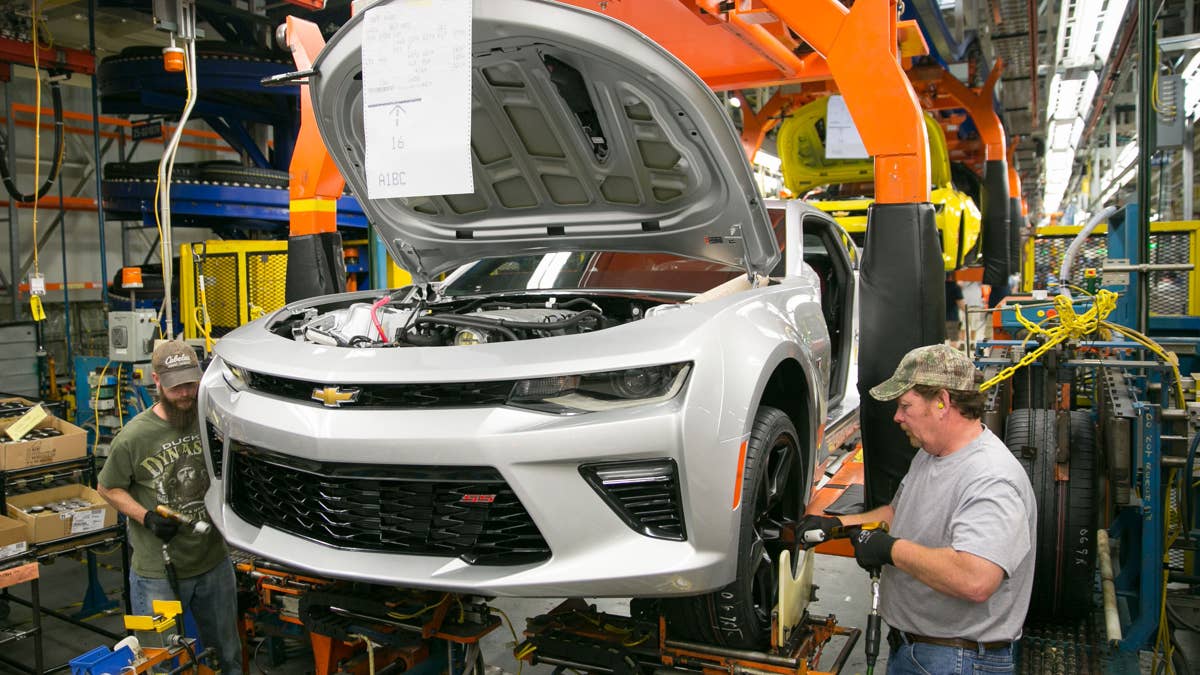
What GM hasn’t confirmed is whether the plant will be idled after the current-gen CT5 ends production in December 2026. The CT5 will reportedly return to the assembly line in the second half of 2028, leaving a gap of at least 18 months without production of the luxury midsize sedan. It is the last remaining model built at the plant following the discontinuation of the Cadillac CT4 and Chevrolet Camaro.
Cadillac
Don’t Turn Off the Lights Just Yet
According to GM Authority, the 18-month gap doesn’t necessarily mean the entire Lansing factory will shut down. However, with GM yet to outline its plans for the Michigan facility during this period, how it will be utilized remains uncertain. The plant is being prepared for the next-gen CT5, and potentially a revived Camaro and a new Buick sedan, but activities such as equipment testing and other manufacturing preparations could still take place in the meantime.
For instance, Honda’s Marysville plant in Ohio maintained gasoline-powered and hybrid vehicle production while undergoing extensive retooling to accomodate EV manufacturing in 2024.
The next-gen CT5, rumored new Buick sedan, and Chevy Camaro revival – potentially with a four-door configuration – are all expected to share GM’s updated Alpha 2-2 platform, potentially allowing the automaker to spread development and manufacturing costs across three models.
The Waiting Game Has a Cost
If the Lansing plant does shut down for the entire 18-month period, it would leave the factory without vehicle production until the next-gen CT5 arrives, potentially extending uncertainty for workers and local suppliers. About 350 employees across Lansing Grand River Assembly and Lansing Regional Stamping are reportedly set to be temporarily laid off starting January 14, 2027. Affected workers may have opportunities to transfer to other GM facilities or receive supplemental unemployment benefits worth 74% of their hourly wages.
The downtime could also allow GM to reassess which vehicles should be built at Lansing Grand River amid shifting consumer preferences for gasoline-powered, hybrid, and EVs. That flexibility could prove valuable after the automaker committed billions of dollars to EV production, only to scale back some of those plans.
Cadillac