It’s never been a better—or worse—to be a tech founder as Hollywood turns it lens on the bizarre and often controversy-filled lives of Silicon Valley leaders.
But among the sea of film projects diving deep into the topic of tech CEOs, one appears to be quickly taking the crown.
Zuck in a rut
First came Aaron Sorkin’s A-lister-filled continuation of The Social Network, a 2010 highly acclaimed biographical drama of the birth of Facebook.
More than a decade later, the new film, The Social Reckoning, serves as a check-in with Meta’s Mark Zuckerberg and his social media tech empire, with performances from Jeremy Strong (as Zuckerberg), Jeremy Allen White, and Mikey Madison.
But despite the famous cast, Sorkin’s reputation, and a genuine hype for the movie, users and critics alike were not especially impressed.
The Guardian called it “strangely dated and incomplete,” while The Atlantic referred to it as “disappointingly flat and gray.”

Average audience viewers weren’t necessarily kinder. One user on Letterboxd wrote, “perhaps one of the most atrocious scripts written by someone supposed to be able to write scripts.”
Another user on X said the movie was “the worst film I’ve seen all year released from a major studio” adding, “I can’t recall the last time an audience audibly laughed out loud so often at how ridiculously bad a movie was.”
The numbers weren’t great either. The film debuted with a box office of $5.5 million, beaten out by horror film Other Mommy, which earned $27.5 million the same weekend.
“Movie of the year”
The apparent flop of Social Reckoning may not signal a broader lack of interest in tech-inspired deep dives, however.
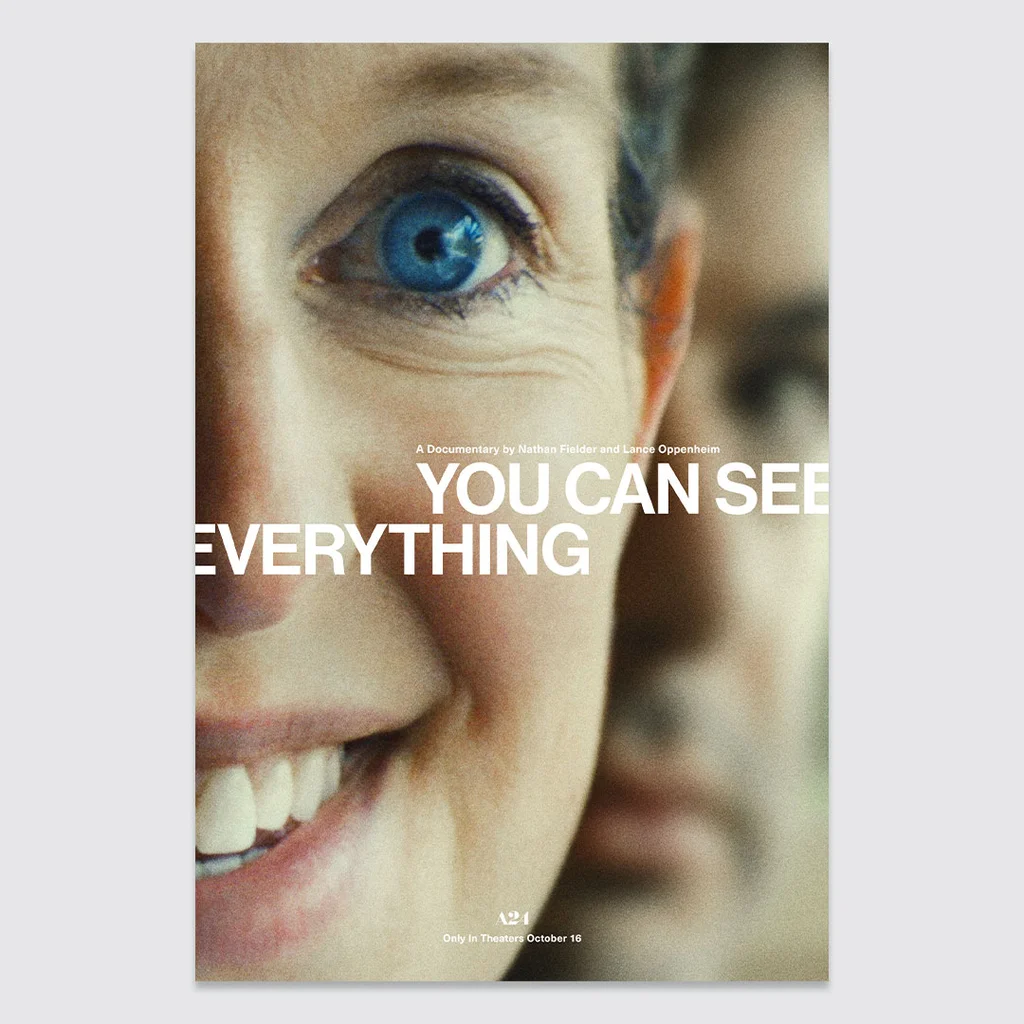
Released just a week later, You Can See Everything is being received with open arms by viewers and critics.
The A24 documentary, directed by comedian Nathan Fielder and Lance Oppenheim, follows disgraced Theranos CEO Elizabeth Holmes 34 days before she went to prison for defrauding company investors.
Vulture called it “the Movie of the Year.” The film currently sits at 98 on Metacritic, alongside a 99% on Rotten Tomatoes, and a 4.7 score on Letterboxd, placing it among the top 50 films of all time on the platform.
Based on early previews before its official Friday release, the movie has already brought in $1.75 million, and it’s on track to earn somewhere between $7 million and $12 million over the weekend.
The projected numbers are even more impressive given that You Can See Everything is a documentary, a genre that typically grosses far less than traditional films, especially star-studded ones.
It might even break records for the genre, beating out Melania, the first lady’s documentary, which earned $7 million on opening weekend and was said to be the largest opening for a non-concert documentary in the last decade.
With far less impressive numbers, Musk, a documentary by Alex Gibney examining the controversial Elon Musk, has earned a wide array of positive reviews, with critics calling it an “epic study,” a “fascinating character study” and some have even touted a possible shot at an Oscar.
Tech titans on the big screen
The sudden glut of tech movies is not entirely surprising.
The stacked slate coincides with a growing mythology around the industry’s biggest titans—think Sam Altman of OpenAI, Dario Amodei of Anthropic, Jensen Huang of Nvidia, and Alex Karp of Palantir—and a public that vacillates between worshiping or condemning them. (Artificial, a movie about Altman, is due to hit theaters later this year.)
“The thing about these tech movies is i would rather pour molten lava into my throat than watch them for fun,” Emily Dreyfuss, culture editor at The San Francisco Standard, wrote on X.
But perhaps that is exactly what makes Fielder’s film stand out in the sea of Silicon Valley portraits. The Canadian comedian, known for his deadpan delivery and subversive humor, is a true outsider—looking in with the same mix of awe and horror as the rest of us.
When asked by another user “does this include Nathan Fielder?,” Dreyfuss replied, “no that one is the exception, obviously.”