
Android Earthquake Alerts now have more regional support Google has confirmed, expanding the countries and regions in which users can receive alerts if such an emergency were to arise. Google’s earthquake alerts for Android attempt to alert users ahead of when the shaking would reach a user so they have more time to get to safety. There are multiple levels of these alerts, too.
The alerts work by using the Android phone’s accelerometer to sense earthquakes. When the phone is plugged in and sitting still, the accelerometer acts as a mini seismometer to track and sense ground vibrations. For instance, if your phone is plugged in while you sleep and it detects these vibrations, it could then send you an alert to help you prepare.
Android Earthquake Alerts expand to 200 regions
These alerts are now available in over 200 countries and regions, which is more than double what it used to be. According to Google these alerts were previously supported in up to 98 countries and regions. Google has been steadily rolling these out in more areas since they first announced and launched the feature back in 2021. Google says this now includes Panama, Guatemala, and “many more.”
In addition to expanding regional support for the earthquake alert system, Google is also improving the ‘Be Ready’ alert. This improvement is intended to give the user more information in the few precious seconds these alerts provide so they can be better prepared. Right now the alert is simply a notification that pops up at the top of the screen, telling you that an earthquake is nearby and that you should expect shaking. It also tells you to be ready to drop, cover, and hold, and there’s even a brief description of how far away the epicenter is.
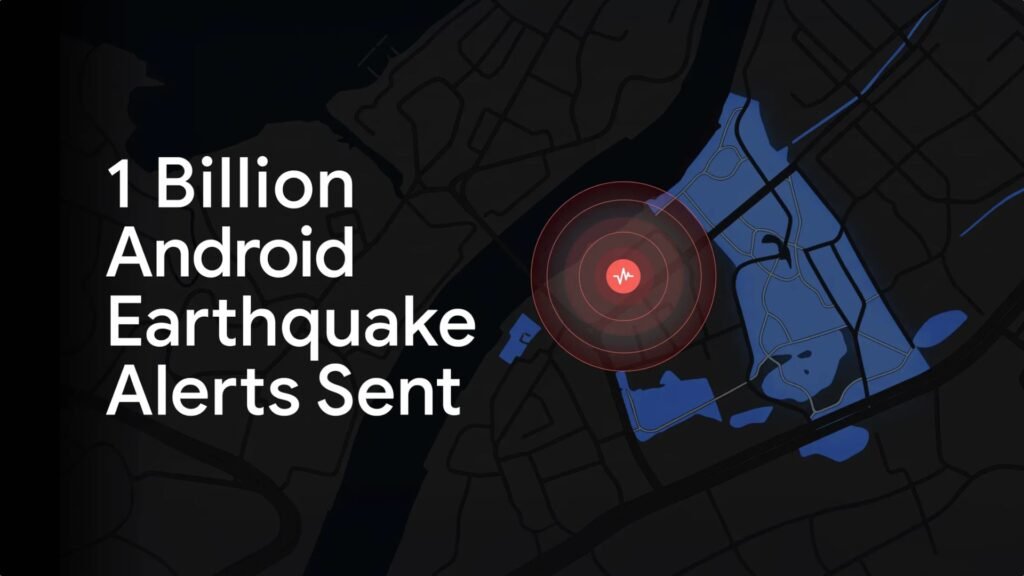
The new Be Ready alert will also add map that shows the radius of where shaking was detected. This will pop up below the alert text in the same notification. However, Google says this will start rolling out in the coming months.

The post Android Earthquake Alerts now support more than double the regions appeared first on Android Headlines.