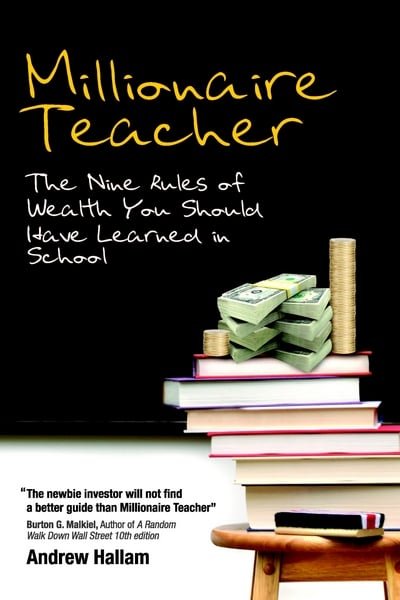
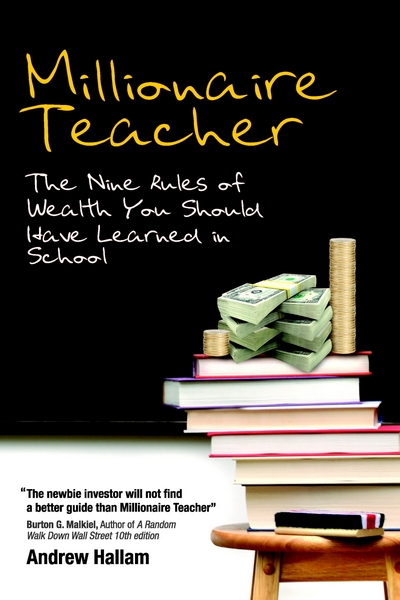
Secrets from the Millionaire Teacher, Andrew Hallam
The subject line of the email read: “Review or door stopper.”
Now that is a book review request I enjoy. Make me laugh, and you have my attention. And Millionaire Teacher, Andrew Hallam does not disappoint.
This is not going to be a traditional book review. Instead, it offers actionable tips from inside the book. Suffice it to say, Millionaire Teacher is a comprehensive personal finance guide for beginning and intermediate investors alike—and I highly recommend reading it!
To Become A Millionaire: Take Action
Read this article and come away with actionable steps you can implement today to become a millionaire. Some of these strategies may not be entirely new, and that is because they represent tried-and-true methods for growing your wealth.
First come the quick tips, followed by in-depth information and motivation.
Nine Rules of Wealth Checklist
1. Spend like a millionaire if you want to become rich. That means living conservatively rather than extravagantly.
2. Start investing early to allow your funds to compound and grow over time.
3. Invest in low-cost index funds to maximize your future wealth.
4. Learn about stock market history, greed, and fear, so you do not fall into the trap of buying high and selling low.
5. Learn to build a complete stock and bond portfolio using index funds, which can help you beat most professional money managers.
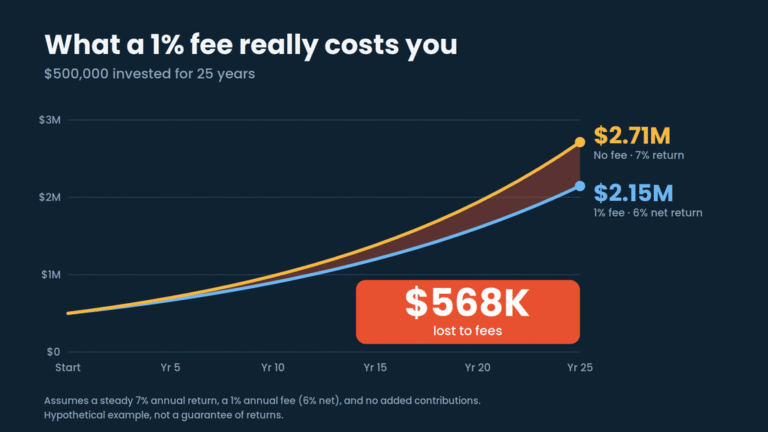
6. Understand all fees, both advisor fees and fund expense ratios.
7. Don’t fall for an advisors “hard sell”.
8. Watch out for “too good to be true” scams that promise outsized results.
9. If you want to dabble in individual stocks, do so only with a small portion of your portfolio.
In Depth Advice for Wealth Building
More details pilfered from Hallam—a high school English teacher who built a million-dollar investment portfolio on a teacher’s salary.
Spend Like you Want to Grow Rich
You’ve heard it before, the millionaires are not the folks riding around in Cadillacs and Porches but are those living in the modest home driving an older car. Hallam’s path to millionaire status was peppered with a cheapskate lifestyle for many years. This guy rode his bike 70 miles per day to work through rain and sleet. He lived on clams salvaged from the beach accompanied with low cost pasta and potatoes. Free rent was the byproduct of house sitting gigs for those Canadians wintering in the south.
That’s how he can afford to live well today; travel, live in a condo with a pool and squash courts, and drive a classic Mercedes.
What’s the takeaway for you? I certainly don’t want to get my food from the beach or ride a bike to work. Yet there are other ways to live conservatively with an eye towards the future. Substitute low cost alternatives for life’s necessities. You need a place to stay, you don’t need a luxury apartment. Take in a roommate or two. You need food, but you can cook at home instead of eating out. Have a peanut butter sandwich for lunch once in awhile and pasta for dinner.
The lesson is simple: delay gratification for a while and understand that the wealthy “look to the future.” Spend responsibly, think creatively, save profusely, and you can build serious wealth—even on a teacher’s salary.
Conquer the Enemy in the Mirror; Watch out for Fear and Greed
I tend to worry a lot, so anything to do with “mental money” strategies catches my interest. Hallam explained that mutual funds tout 10% average annual gain. Great, that means that all the investors in the fund earned 10% annually as well? Not quite.
Investors tend to be influenced by the bifurcated emotions of fear and greed. When the price of a mutual fund or ETF falls, many investors panic and pull their funds out. Then, after the fund climbs back up for awhile, they buy back in.
As a result, those investors miss out on the fund’s largest gains. Hallam underscores the classic truth:
It’s not timing the market, but time in the market, that leads to long term financial growth.
The stock market fluctuates. In the short term, these movements are completely random, but in the long term, the trend is upward. Jumping in and out of the market leads to buying high and selling low—not a great way to build wealth!
Hallam disclosed that he put money into the stock market after 9/11, while fearful investors were pulling out. He reasoned that businesses weren’t suddenly worth less because there had been a terrorist attack. Taking advantage of bargains when fear is in the air is a wonderful method of buying low.
Fight the tendency to follow the crowd, and your profits will grow.
In summary, for those just starting out, there are engrossing stories and time tested wealth building strategies showcased in Millionaire Teacher. There’s even a section on how to make money buying and selling your vehicle – a fascinating approach that anyone can try.
Remember to live sensibly, spend smart, and invest regularly. You may not get rich overnight, but you will set yourself firmly on the path to a wealthy future.
Can’t Get Enough Wealth Building?
- When A Financial Planner Beats DIY Investing
- 10 Secrets To Becoming A Millionaire At Any Age
- Should I Hire A Financial Planner If I Don’t Have Much Money? Barbara Friedberg Personal Finance
- Side Businesses You Can Start Today; Wise Bread by Ashley Jacobs
- 12 Tips to Build Wealth for Early Retirement; Financial Mentor
- How To Save For Retirement At 30 And Become A MIllionaire
- How To Become A Millionaire By 40 – 9 Strategies That Work
The post 9 Rules Of Wealth You Should Have Learned In School appeared first on Barbara Friedberg.