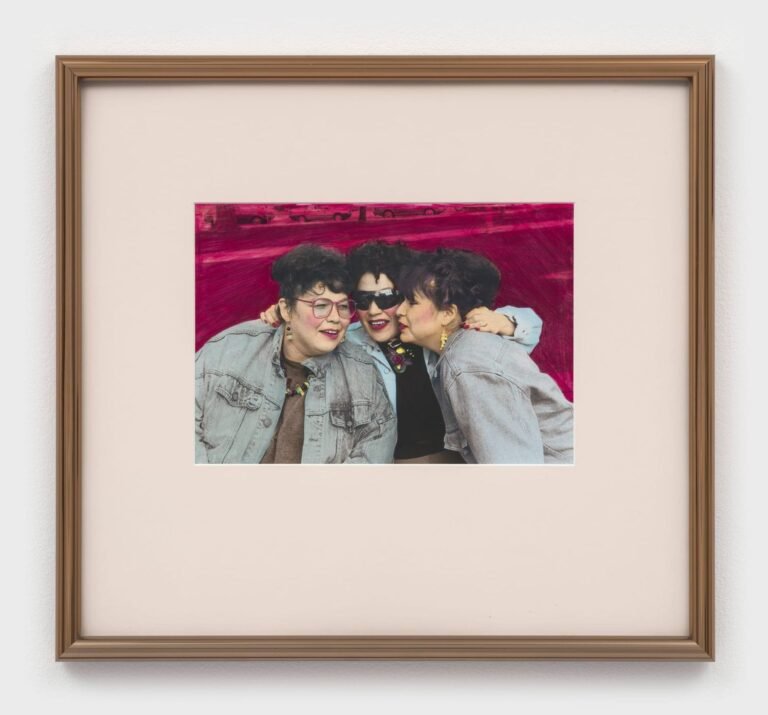
I’ve never put much thought into how I want to be portrayed after I die. Perhaps I’d opt to be plastered on Etsy mugs, tea sets, and journal covers, à la Frida Kahlo (though I doubt I’d have many buyers, or that Kahlo would’ve enjoyed how her self-image is often nowadays detached from the politics and life behind it), or I would begin things early by enlisting an artist to paint their best guess at my posthumous body. Maybe I’d like to be dipped in ink and stamped onto rice paper, as Molly Tenzer does with the roadkill she finds on New York City streets.
The lineup at this year’s DOC NYC, which returns to venues throughout the city from November 11 through November 29, offers many reflections on this question — and more regarding documentary’s capacity to sensitively portray communities currently under threat, examine artists’ legacies, and narrate some of art’s most idiosyncratic stories. We’ve selected 13 films we’re looking forward to seeing in-person or online at the festival’s 17th edition.
Frida: The Girl Just Doesn’t Go Away
Village East by Angelika, 181-189 2nd Ave, East Village
Nov. 14 & 16
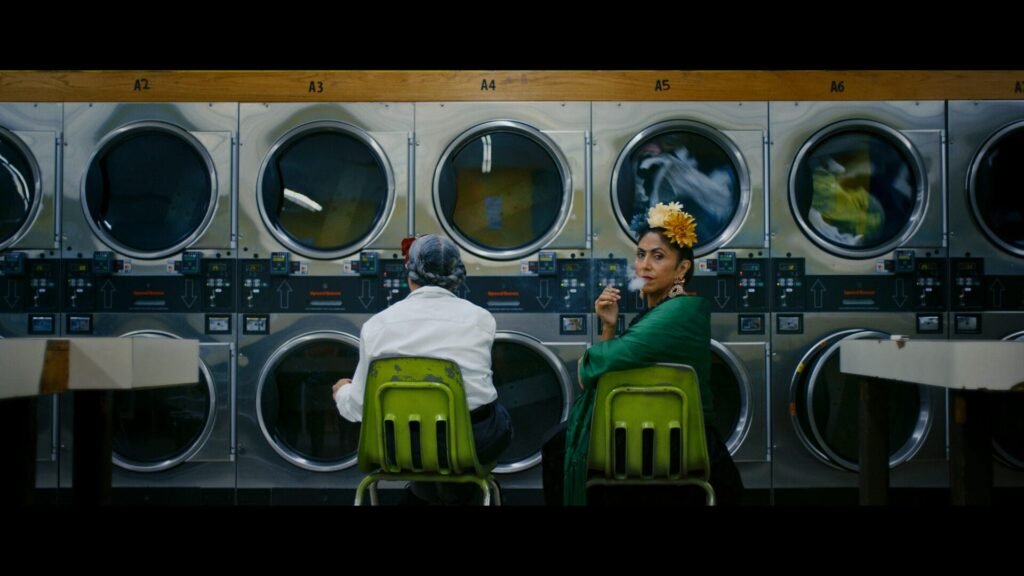
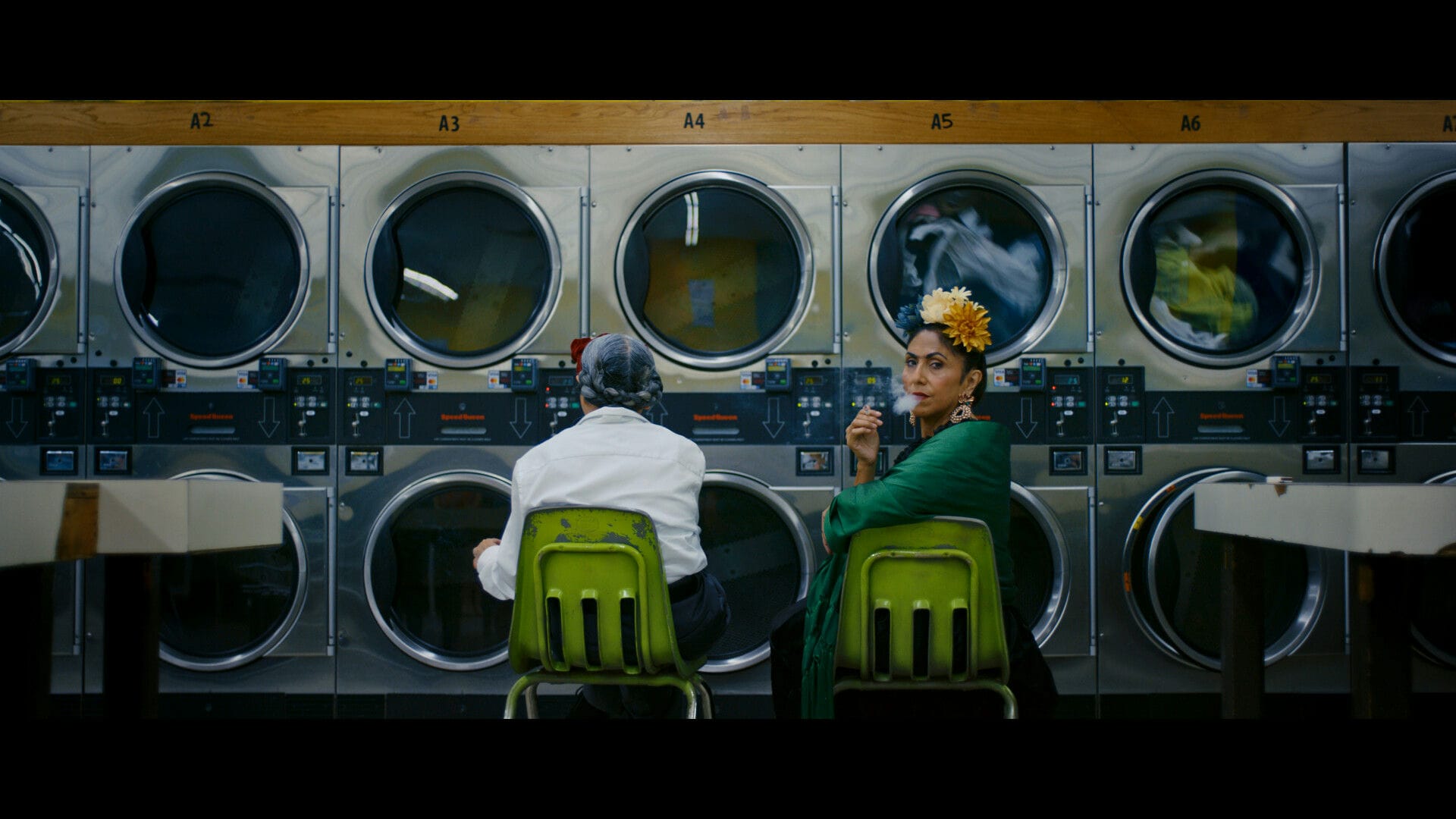
Go to any gift shop in an art museum, and there’s a decent chance you’ll find Frida Kahlo’s image draped over mugs, t-shirts, or decorative tapestries. Simultaneously a political icon, feminist celebrity, and a global household brand, Kahlo presents an interesting case study about how artists’ images define their legacy long after their deaths. Director Trisha Ziff taps into the commercial fascination with Kahlo and how her image has taken on a distinct life from her motivations and work.
The Hummingbird Paints Fragrant Songs
SVA Theatre, 333 W 23rd St, Chelsea
Nov. 11
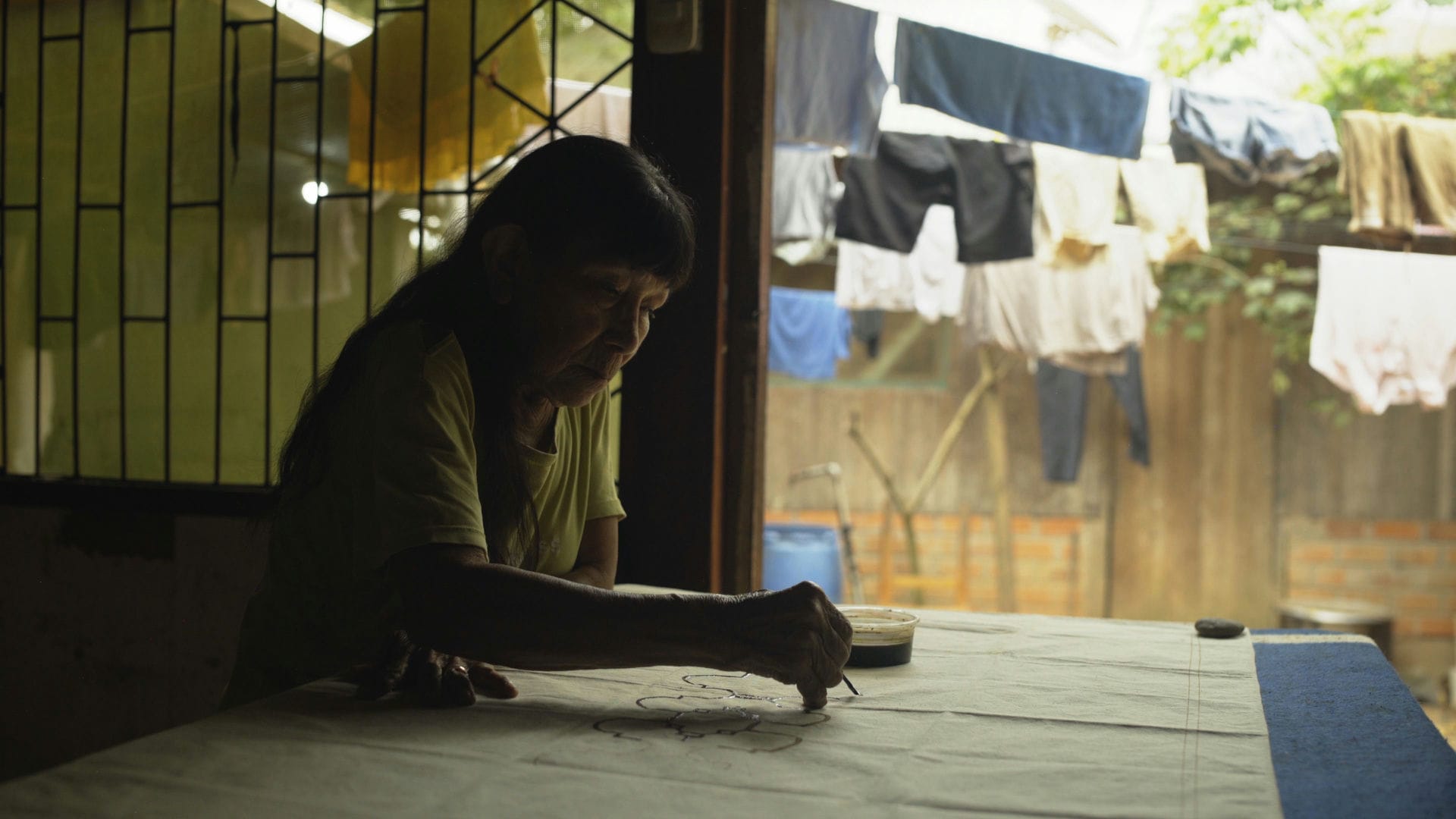
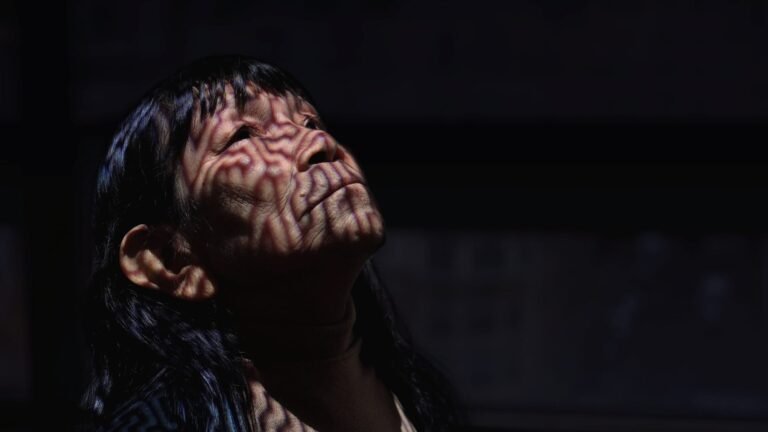
Èlia Gasull Balada’s and Matteo Norzi’s documentary on Indigenous artist Sara Flores (Shipibo-Konibo) was born out of a decade-long collaboration during which the painter began to receive international recognition. Using natural dyes sourced from her home in the Peruvian Amazon, Flores paints intricate geometric patterns with striking symmetry. Equally channeling the visual and matrilineal language of the Shipibo-Konibo practice of Kené, Flores creates works as a form of resistance against environmental, political, and social ills.