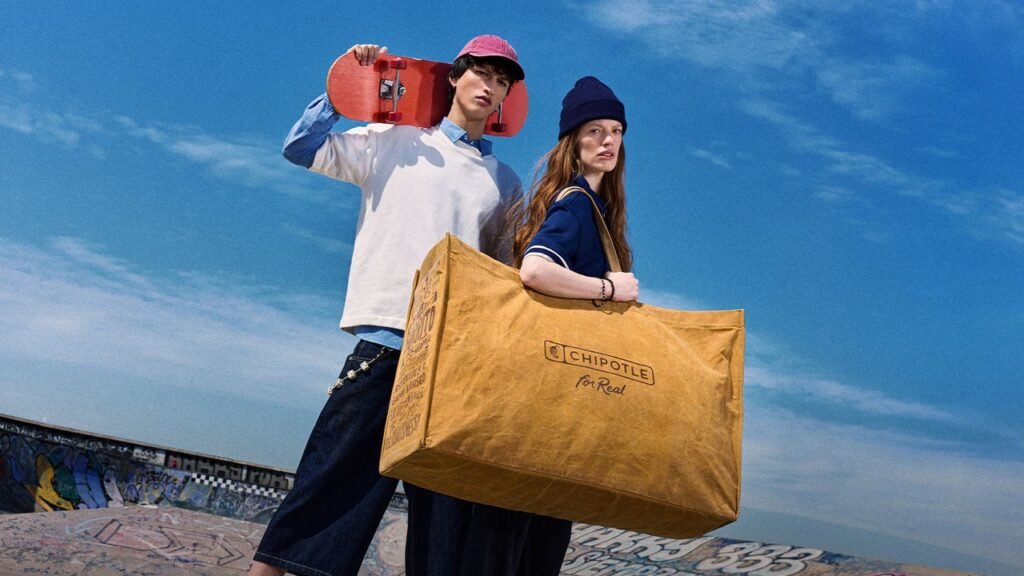
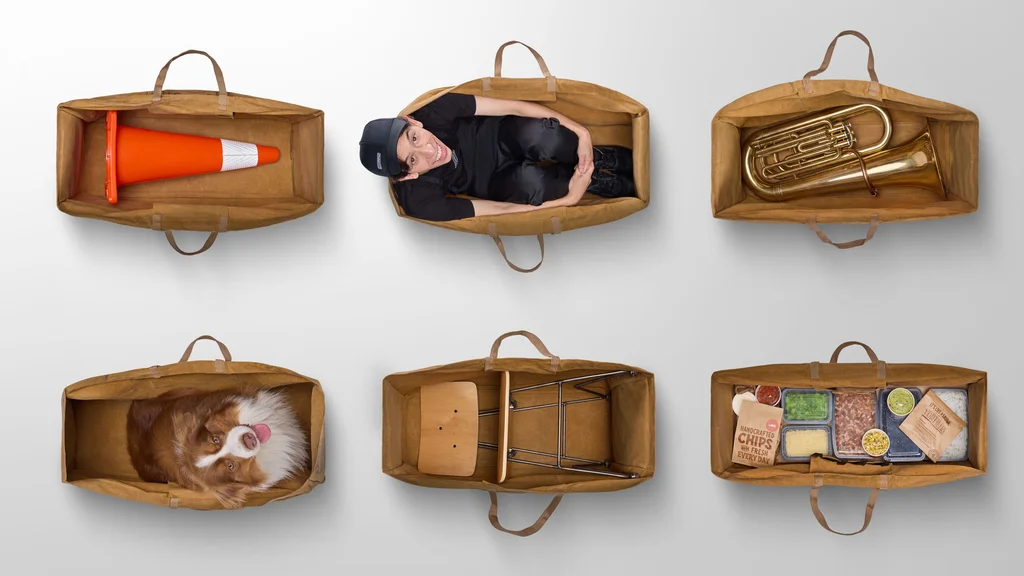
Chipotle Mexican Grill has debuted a 3-foot-wide, 170-liter (45-gallon) bag that serves as both a bold fashion statement and a marketing stunt that exemplifies the creative style of its chief brand officer, Fernando Machado.
Within the span of just seven weeks, Machado has rolled out three creative campaigns that point to a buzzier, more social media-friendly approach that intends to lure diners to the brand’s 4,200 restaurants.
On Tuesday, the company debuted its “Big Ass Chipotle Bag,” a limited-edition accessory that will star in a national advertising campaign to promote the company’s family meal kits.
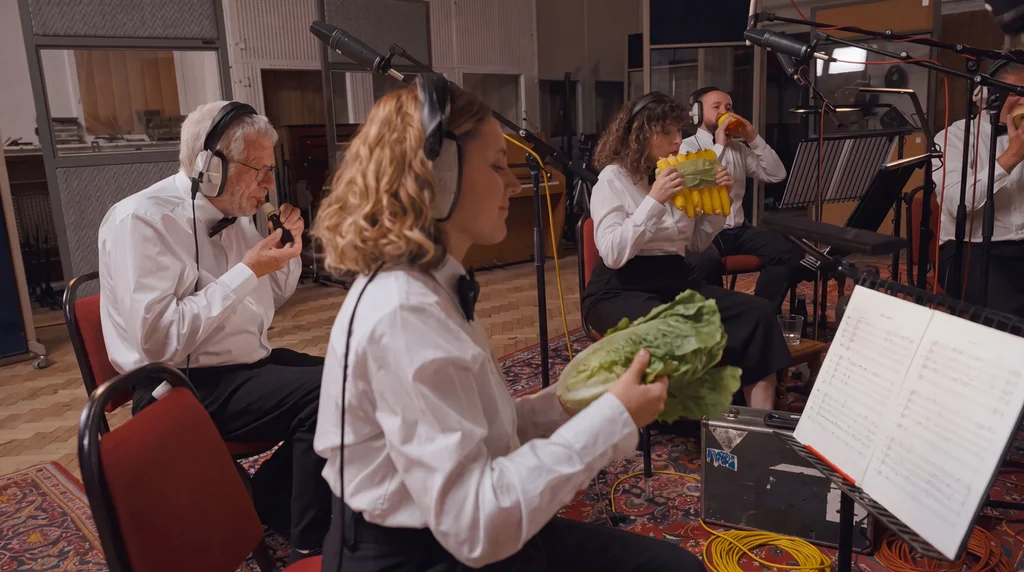
This follows a campaign that featured footage from 100 content creators, which debuted in August and was the first national ad spot from Machado since he joined Chipotle in June. Earlier in October, Chipotle unveiled a new music track recorded by a vegetable orchestra (yes, really!) at London’s Abbey Road Studios.
“Evolving brand messaging, in my mind, is not a total disruption with what has been done in the past,” Machado tells Fast Company.
Machado says his plan is to push the boundaries of creativity for Chipotle’s messaging, while also retaining the food-and-ingredient-focused ethos that gave the brand a distinctive voice in the restaurant sector. He has vowed to avoid making any sweeping changes to the branding, logos, or taglines, moves he says are mistakes frequently made by new chief marketing officers.
A page out of fashion’s book
This week’s “Big Ass Chipotle Bag” campaign takes a cue from the oversized bag trend that’s become a hit on runways and has been embraced by major luxury brands, including Chanel and Bottega Veneta.
“This is a brand that’s very wholesome, that’s trying to do the right thing, and wants to put a smile on people’s faces,” says Machado. “It’s not laugh-out-loud, but it’s joyful, it’s playful.”
Machado joined Chipotle as the company is in the early stages of a turnaround effort after four consecutive quarters of traffic declines at its restaurants throughout 2025.
In February, Chipotle’s CEO, Scott Boatwright, announced a “Recipe for Growth” strategy that committed to accelerating menu innovations, evolving the brand’s messaging, strengthening operations at the restaurants, and leaning more on artificial intelligence.
Early indications are that diners are coming back to the Chipotle fold. Comparable restaurant sales have improved modestly for the first two quarters of 2026 compared with last year’s levels, driven by an increase in traffic. The company’s third-quarter results are to be released on October 28.
Yet another business consideration for Machado and Chipotle’s leadership is a Financial Times report last week that Starbucks—now led by Chipotle’s former CEO, Brian Niccol—had been mulling a $41 billion merger with Chipotle that would be the largest-ever takeover in the restaurant sector. Niccol is spearheading his own two-year turnaround effort at Starbucks. (The coffee chain has since said it is “not buying Chipotle.”)
More evolution than turnaround
Historically at Chipotle, creative campaigns have focused on ingredients and food sourcing, including 2011’s “Back to the Start” and 2013’s “The Scarecrow,” both well-reviewed animated short films that lambasted industrial farming practices.
In 2018, Chipotle debuted its “For Real” campaign that lauded the chain’s “real” ingredients, and a year later, “Behind the Foil” focused on the chain’s employees and kitchen operations.
“I don’t think this is a brand that’s in need of a turnaround,” says Machado of Chipotle’s past creative work, which he says helped make it a fast-growing restaurant concept. “This is a brand, just like any other brand that’s successful, that needs to evolve.”
Before joining Chipotle, Machado spent more than seven years as the chief marketing officer at Restaurant Brands International across brands like Burger King and Popeyes. He also held the CMO title at the plant-based food company NotCo and the video game developer Activision Blizzard.
He has established a reputation for buzzy, stunt-forward campaigns like the “Moldy Whopper.” That campaign depicted Burger King’s signature menu item going moldy, but framed the gross, decaying imagery as a positive sign, because the chain had removed all artificial preservatives.
At Chipotle, Machado says he’s keeping a fresh eye on how conversations have evolved on social channels, where younger Gen Z and Gen Alpha diners are more inclined to express their opinions.
Brands, he says, are “better defined by what people talk about on social, rather than what the brand asserts about itself on TV.”
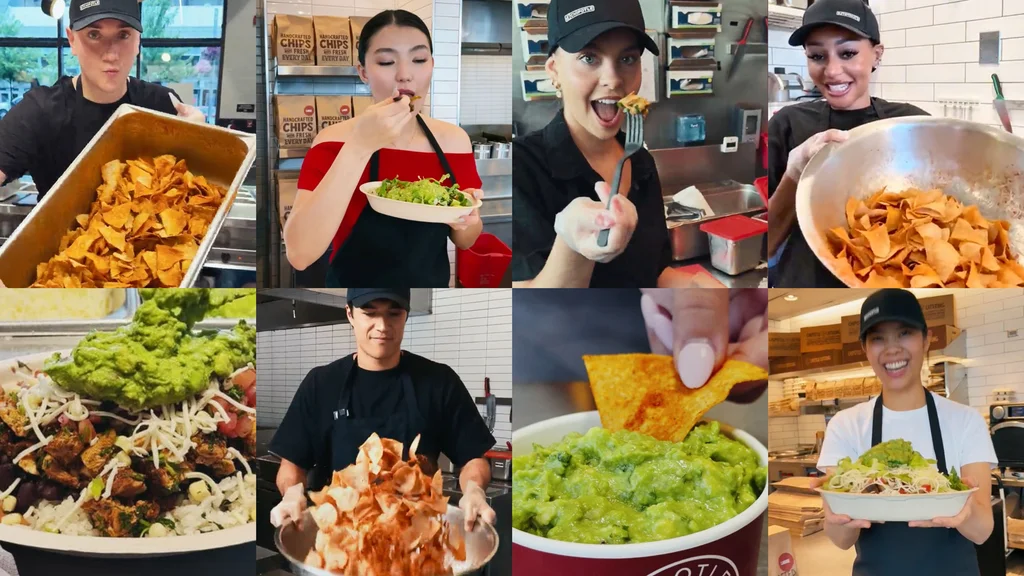
Accordingly, Machado let content creators go into the kitchens at more than 50 restaurants to work alongside Chipotle’s workers as they prepared the company’s new limited-edition Pollo Asado and Chili Lime Chips.
There was no script and no shot list, and Chipotle’s own marketing team submitted not a single shot of brand footage in the campaign that ran across national TV, TikTok, Instagram Reels, and YouTube Shorts.
“They know their audience better than you do,” says Machado. “I know it may sound a bit nerve-racking to give away control, but that’s what we did.”
Earlier in October, Chipotle embraced a whimsical and irreverent campaign that also leaned on the company’s “real” ingredient messaging with the original track “From Ground to Sound,” which featured playable instruments including flutes made from corn and trumpets built using jalapeños.
“We want to do things that stand out, that get people to talk about the brand,” says Machado. “I think you can only do that if you do something that’s different and unique—and also hopefully only something that your brand can do.”