A few days ago, I was sifting through my late grandmother’s meticulous archive of notes, reading lists, and ephemera from her four decades as a public school librarian in Texas. I came across a state report on books banned or contested during the 2003–4 academic year, when I was in daycare and still grappling with the text of Where the Wild Things Are.
The classic 1963 story of adventure by Maurice Sendak planted a seed of curiosity in me and so many other young readers, and perhaps that’s precisely why it’s one of thousands of titles still targeted for removal in libraries across the country. I’m reminded of it this Banned Books Week, as attacks on our right to imagination, free speech, and education continue unabated. PEN America — which has its own set of issues — tracked over 11,900 instances of book banning in public schools during the previous school year, over 8,100 of them in the state of Texas.
Amid this maelstrom, art books can show us a path forward. Artist, scholar, and critic Tao Leigh Goffe writes movingly about a new book on J. M. W. Turner’s relationship to slavery in art and in life, weaving in her family’s connection to Jamaica and the horrors inflicted on enslaved Black people. In her essential review, she argues that Turner and the Slave Trade “recasts Romanticism’s relationship to nature and landscape painting as a vehicle for colonial propaganda.” Meanwhile, Nageen Shaikh considers a book that focuses on the craftspeople of Ancient Egypt, yet another reminder of the importance of cherishing the expertise and labor of everyday people who create visual culture outside the spotlight.
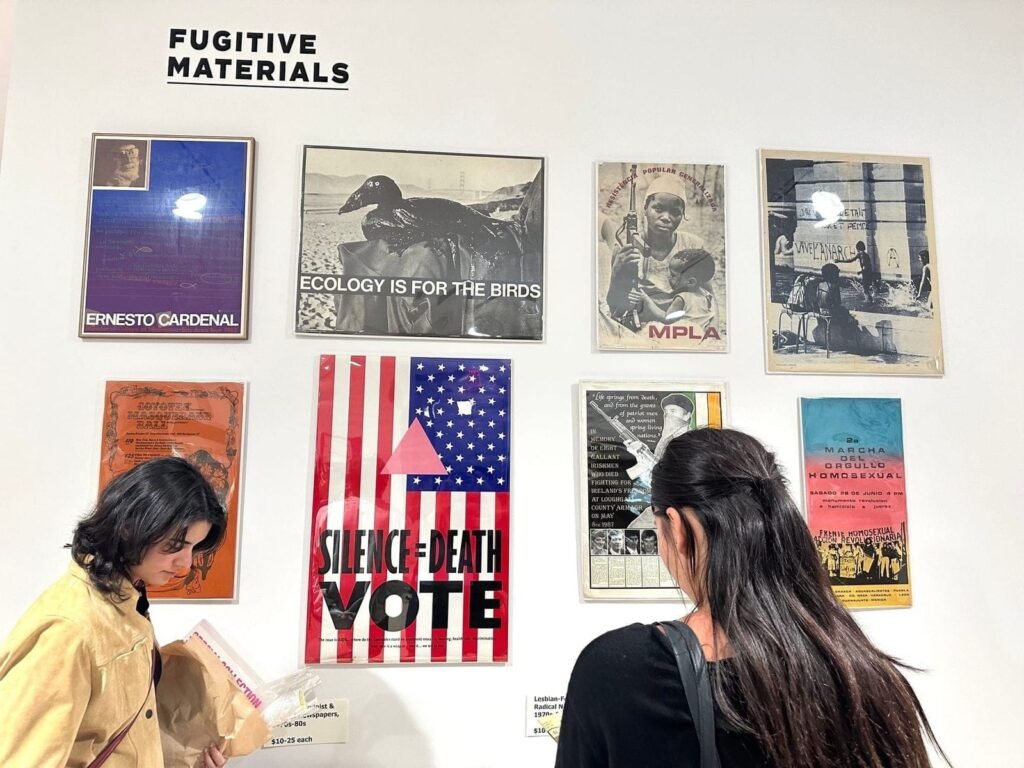
More below, including some of my favorite booths at Printed Matter’s New York Art Book Fair and the community-minded indie publishers who are keeping the contagious spirit of bookmaking alive. I’m thinking back to the cover of that 22-year-old report, which bore a slogan of librarian advocates and anyone who believes in the written word: “Free people read freely.”
—Lakshmi Rivera Amin, associate editor
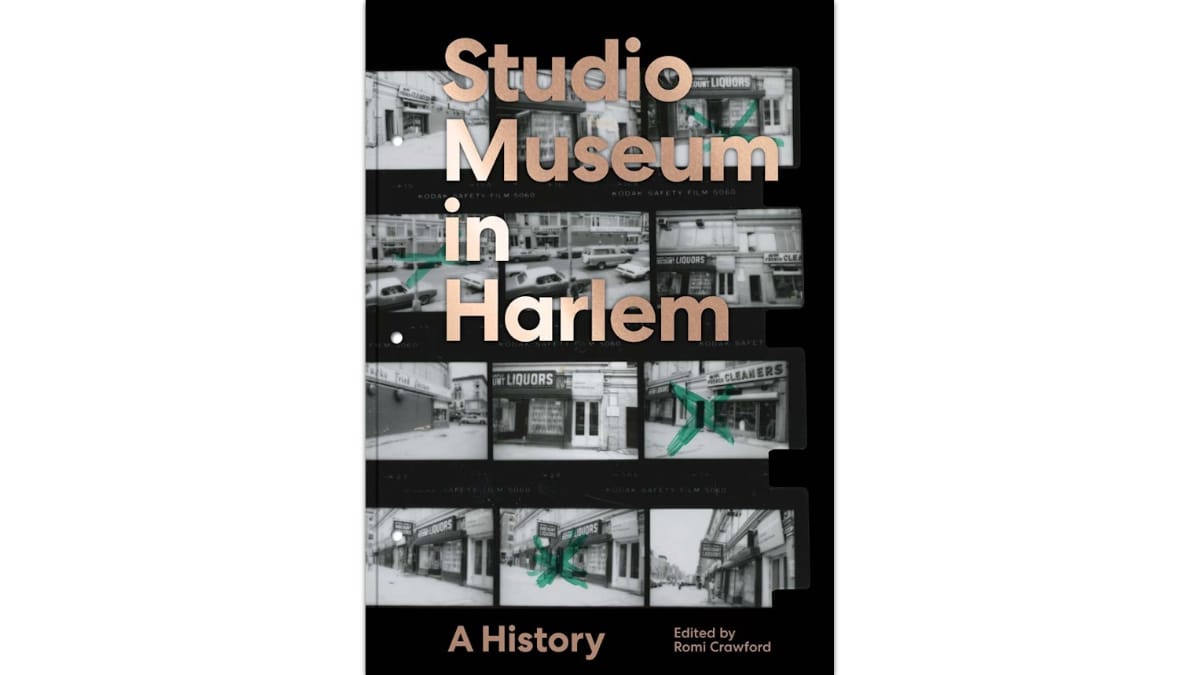
New Book Chronicles Studio Museum in Harlem’s 58-Year History
“Just as Harlem is a truly cosmopolitan place, so, too, is the Studio Museum a cosmopolitan place. It’s not the home of Black art for Black people. It’s the home of Black art for all people,” literary critic, historian, and Studio Museum trustee Henry Louis Gates Jr. writes in The Studio Museum in Harlem: A History. Set to be published on October 27 and distributed by Yale University Press, this new book brings together dozens of artists, curators, scholars, and community leaders’ insights on the 58-year-old Harlem institution, which reopened to the public last November after a seven-year hiatus. | Anna Lee
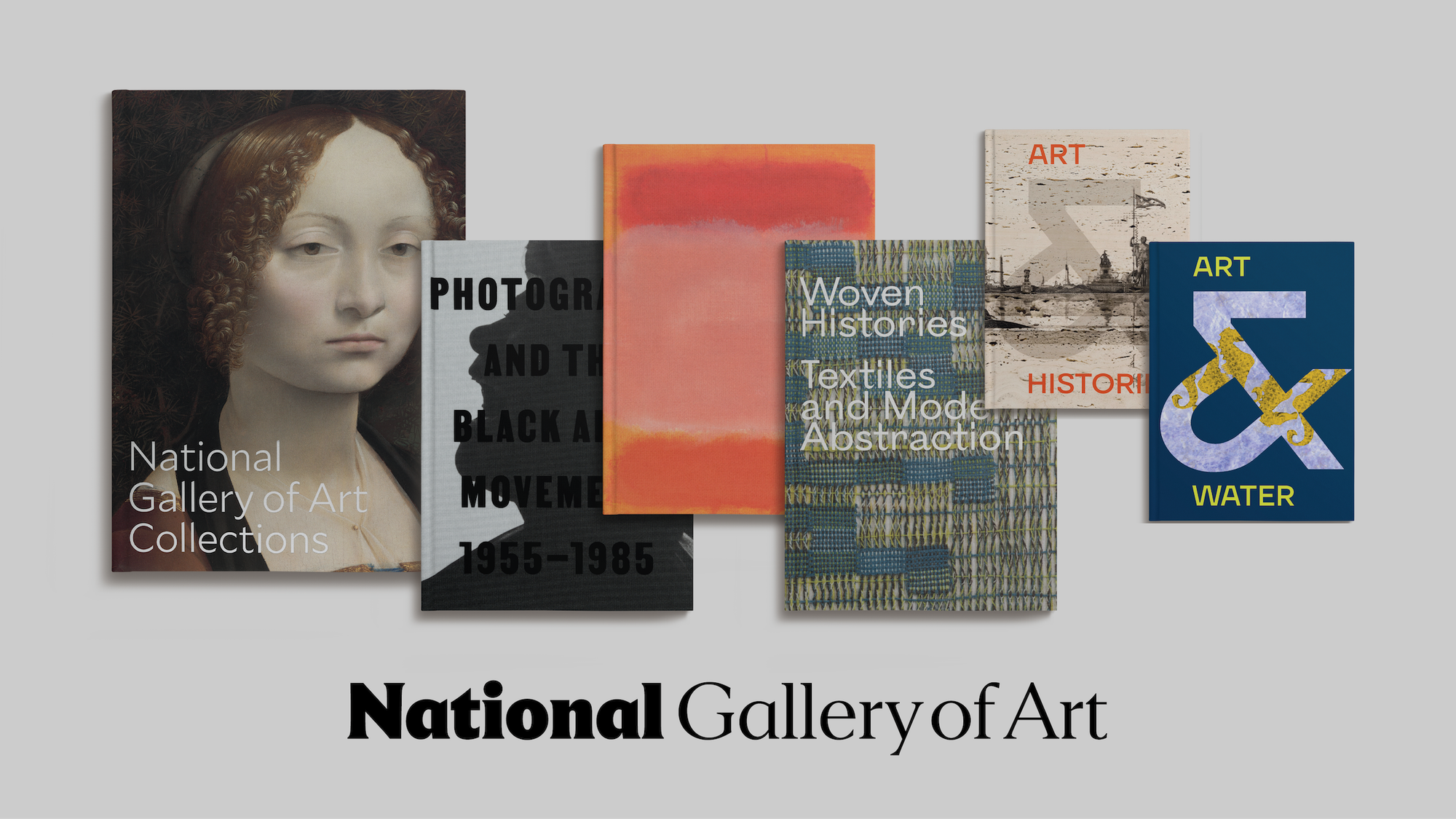
Art Books and Scholarship from the National Gallery of Art
Discover thoughtfully designed exhibition catalogs, insights from leading art historians and conservators, collection highlights, and more.
From Our Critics
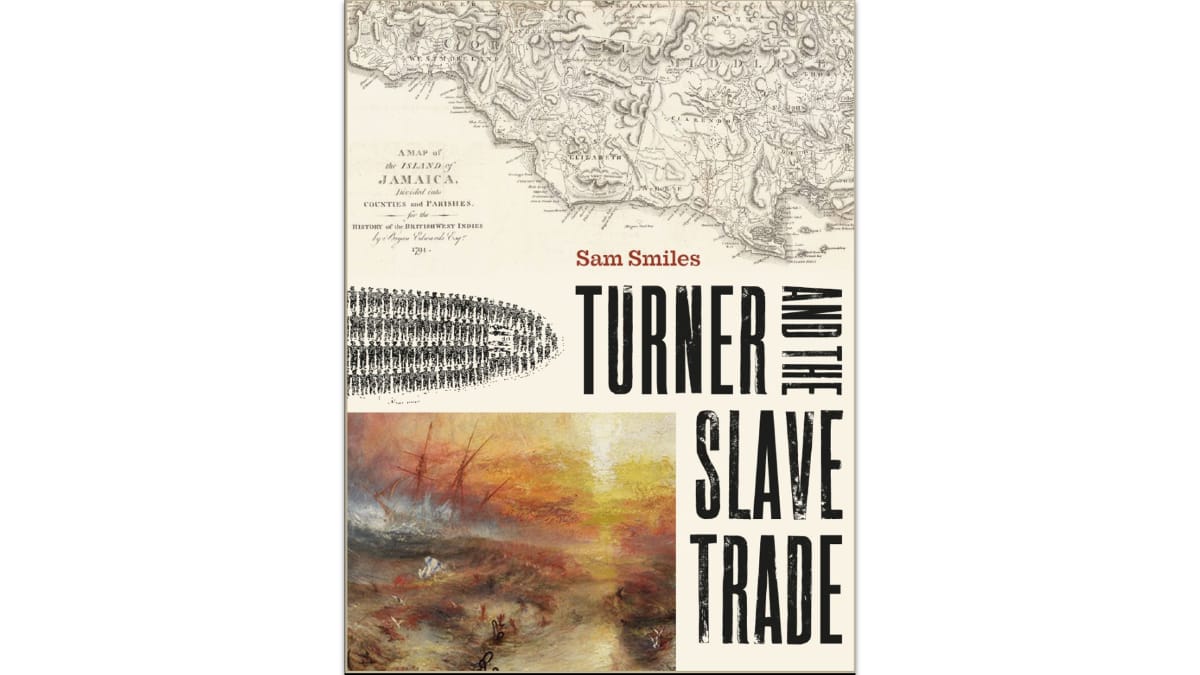
Turning Turner’s Legacy
“Turner and the Slave Trade” recasts Romanticism’s relationship to nature and landscape painting as a vehicle for colonial propaganda. | Tao Leigh Goffe
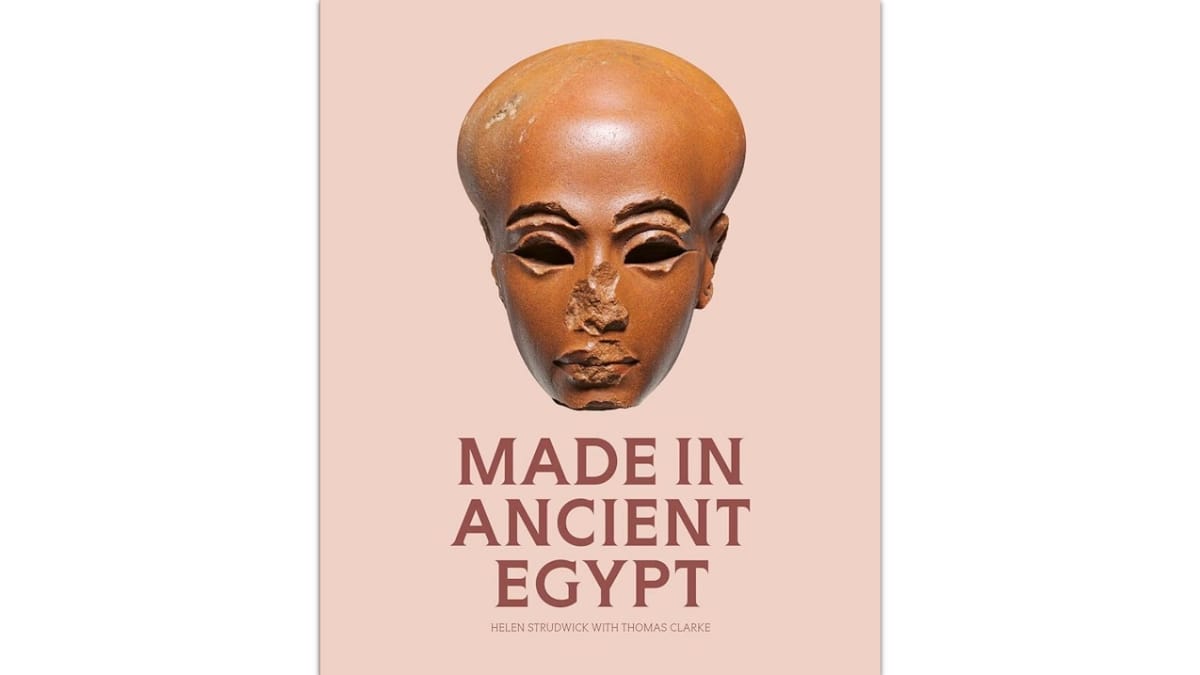
The Unsung Craftspeople Who Built Ancient Egypt
A new publication reflects a growing interest in the lives of the makers behind the civilization’s arts and crafts, long marginalized and erased by mythologized depictions of the ancient world. | Nageen Shaikh
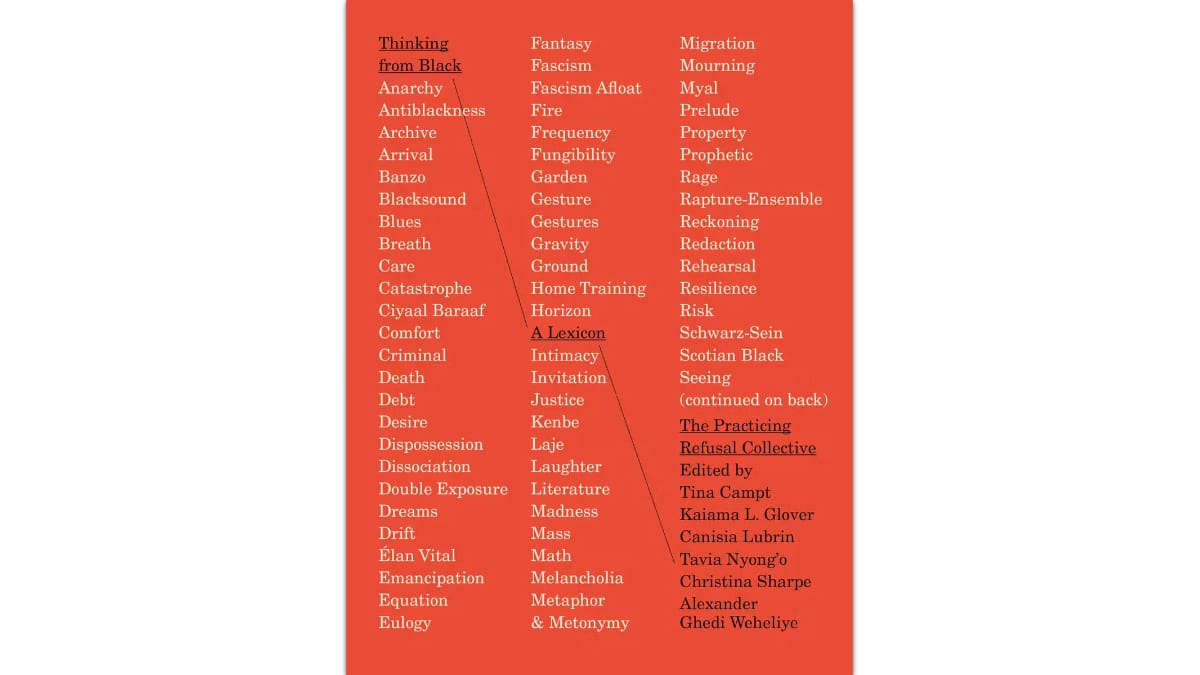
“Thinking From Black” Is a Glossary of Possibility
Artists, poets, and scholars mull over words of their choosing in this book, offering new definitions of phrases from which Blackness proliferates: “world,” “water,” “care.” | Jasmine Weber
Features
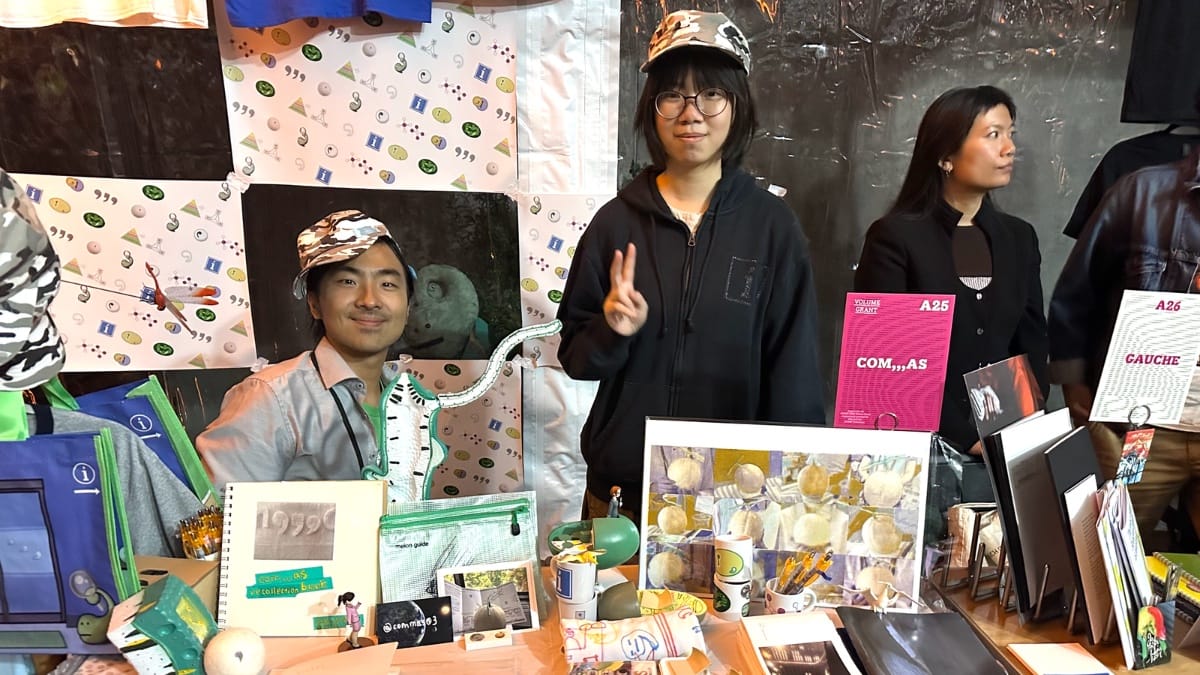
No One Is Reading, Except at the New York Art Book Fair
The overlooked, subversive, and playful currents of politics and queer culture flow freely at the fair’s 20th anniversary edition, held at MoMA PS1. | Lakshmi Rivera Amin
In the News
- Tonight, Hyperallergic Editor-at-Large Hrag Vartanian is moderating a conversation on artistic freedom at the Brooklyn Public Library at 6:30pm.
- Scholar Catherine Liu is launching her latest book, Traumatized: The New Politics of Public Suffering, at Artbook at MoMA PS1 Bookstore in Long Island City, Queens, on October 11.
- Delve deeper into the Visual AIDS archive with a new research guide on 28 Black artists in the collection.
- Valentino is cashing in on the trendiness of reading by asking fashion show attendees to bring their favorite books, and it’s not a great look. The titles will be donated to local libraries, but against the backdrop of Banned Books Week and global crackdowns on free speech, can’t a room full of celebrities and fashion executives do more?
Required Reading
- Ken Chen reflects on his initiation into the cult of Theresa Hak Kyung Cha’s Dictee, an “elusive oracle,” for the Yale Review.
- Patricia Lockwood is still the coolest poet out there, as her delightful interview with the Walrus on her new poetry collection, doorways, and tandem bikes reminds us.
What We’re Reading
Lakshmi Rivera Amin, associate editor
I’m just getting into Chris Hayes’s The Sirens’ Call: How Attention Became the World’s Most Endangered Resource (2026), perhaps in a feeble attempt to snap myself out of TikTok hypnosis. My back-up is an audio narration of The Alchemist (1993), which I somehow managed to avoid reading in middle school. Halfway in, I now understand why it has been memed as every tech bro’s favorite (and perhaps only) read.
Lisa Yin Zhang, associate editor
I’m reading Stephanie Wambugu’s Lonely Crowds! It’s been on my list for a minute now, but after I worked with her on her review of the Arthur Jafa show with my colleague Rebecca, I decided I needed more of her writing in my life.
Phillip Pyle, associate editor
Whereas Izumi Suzuki’s posthumously translated Set My Heart on Fire (2024) introduced English readers to a bygone demimonde of 1970s Tokyo, tinged with the desire, yearning, and destruction of the day’s sound (rock), the late author’s Hit Parade of Tears (2023) charts one that may never come into fruition across 11 short stories that conjure the bleak unrealities of an Octavia Butler or William Burroughs.
Rebecca Schiffman, associate editor
This might be cliché, but I have been working my way through Alexandre Dumas’s The Count of Monte Cristo this fall. A bit slow at first, this classic novel tells the tale of a wrongfully accused sailor who escapes from prison, finds a hidden treasure, and plots his revenge. It’s funny, exciting, and even though I know where the story is going, I look forward to reading it every night.
From the Archive
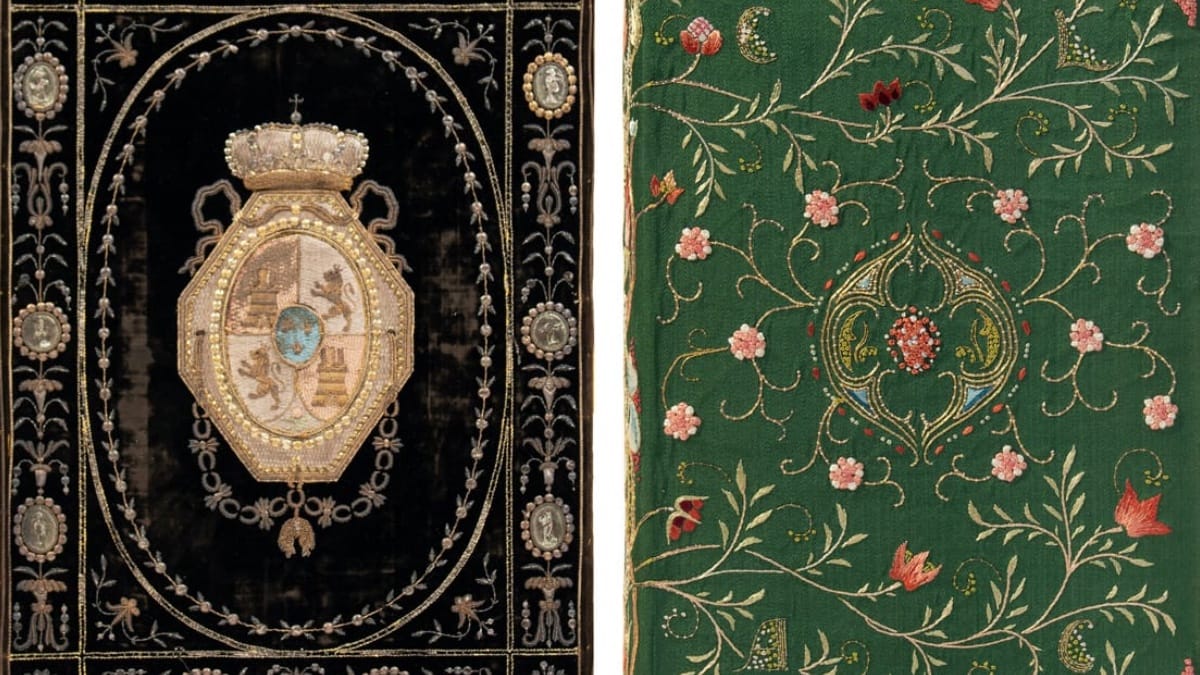
When Book Covers Outshine Their Pages
Judging a Book by its Cover at Manhattan’s Grolier Club pays homage to the highly specialized art form. | Elaine Velie