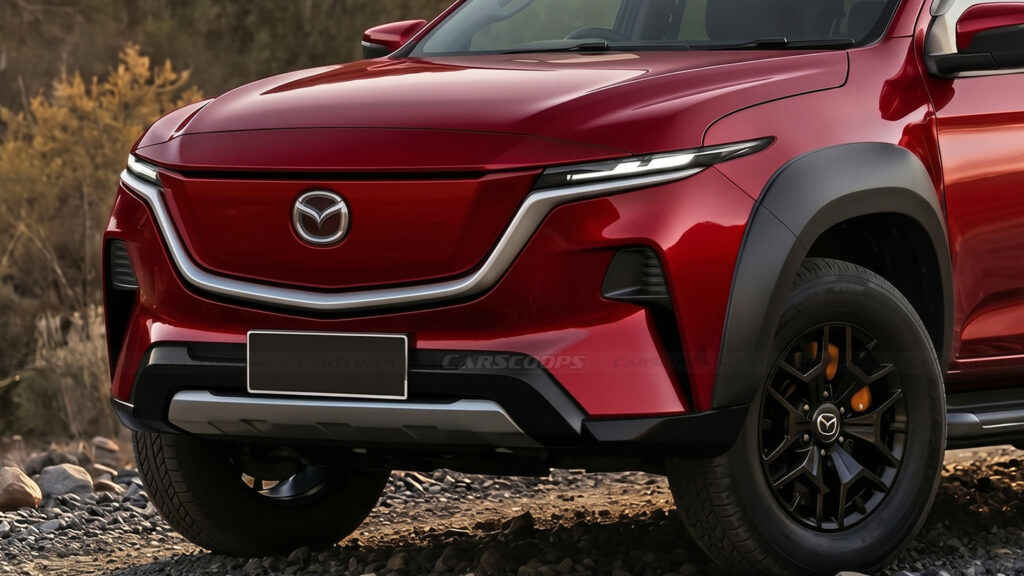
- Mazda confirms a next-gen BT-50 pickup is under development.
- It could feature sharper styling based on shared underpinnings.
- The new midsize truck is expected to hit the road around 2028.
The Mazda BT-50 might not be as popular as its Toyota Hilux and Ford Ranger rivals, but it remains an important model for the Japanese automaker. The increased competition in the midsize pickup segment has prompted Mazda to consider a new generation, set to arrive over the next couple of years.
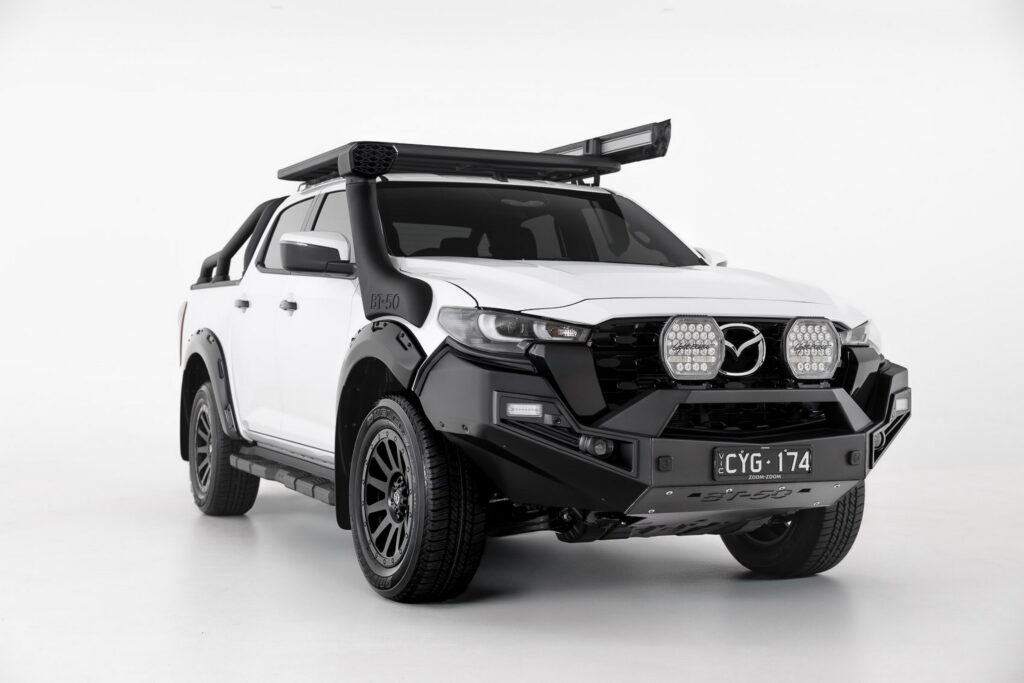
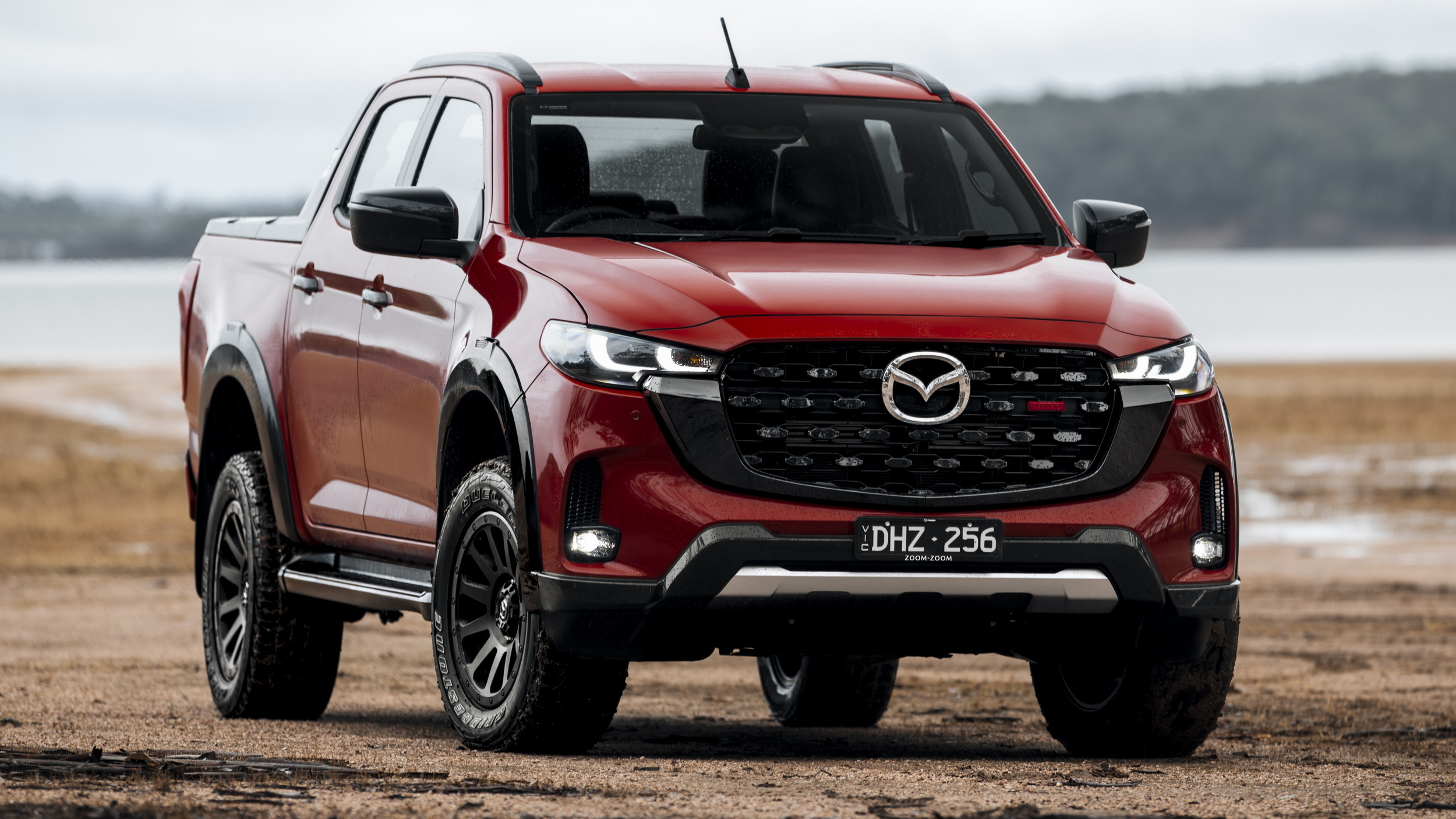
The third generation of the Mazda BT-50 was introduced in 2020, with a mid-lifecycle update following in late 2024. The model is based on the ladder-frame underpinnings of the Isuzu D-Max, with Mazda-specific styling inside-out and is currently offered with non-electrified turbodiesel powertrain options.
More: Mazda Pickup Gets Its Thunder Back, As A New Boss Steps In
Our colleagues at CarsGuide spoke to Vinesh Bhindi, Mazda Australia’s managing director, who confirmed that a new generation of the BT-50 is under development. The high-ranking official didn’t get into details about the specifications, but confirmed it will likely hit the road around 2028.
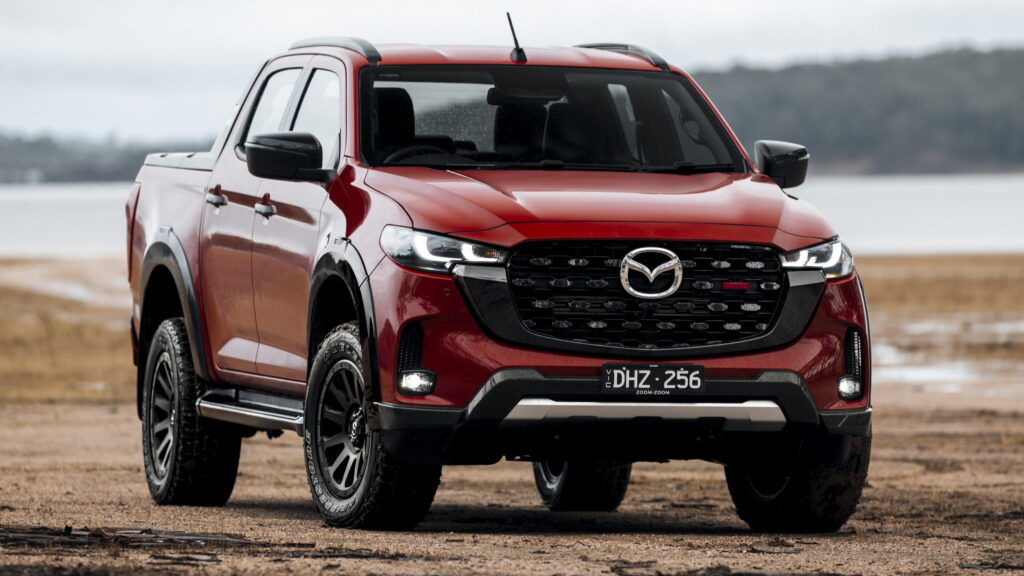
The same publication spoke to Eiji Kimoto, Mazda’s chief designer, who was responsible for the styling of the current BT-50. When asked about the upcoming pickup, Kimoto said: “I am not allowed to speak much about the future product, but I can tell you, please look forward to it”.
More: Bare-Bones Mazda BT-50 Grows Stronger And More Capable
Since Mazda doesn’t have enough R&D resources to develop a pickup on its own, the next BT-50 will likely be the result of a partnership. After all, the first two generations were paired with the Ford Ranger, while the third one migrated to the Isuzu platform.
Collaborative Effort
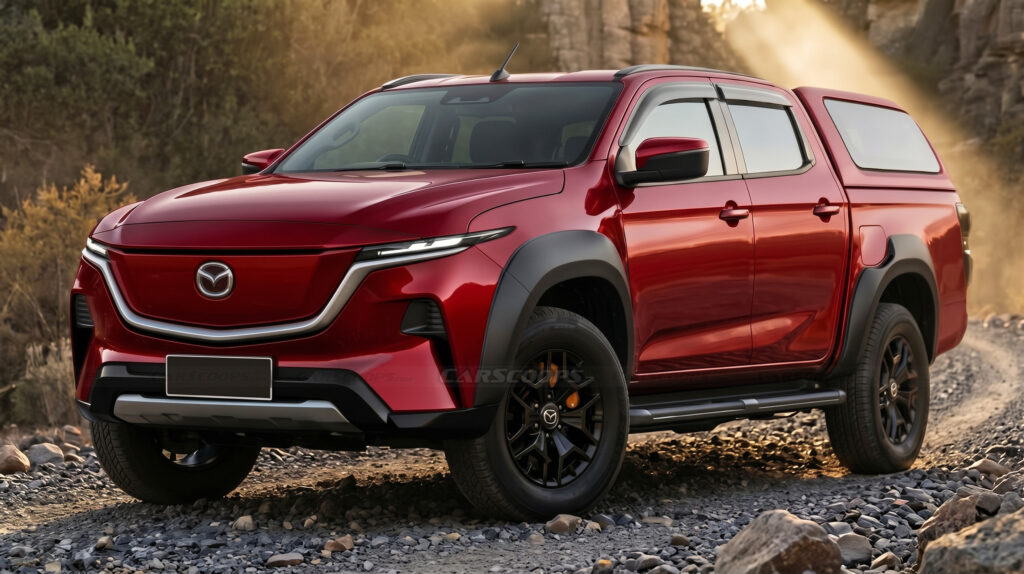
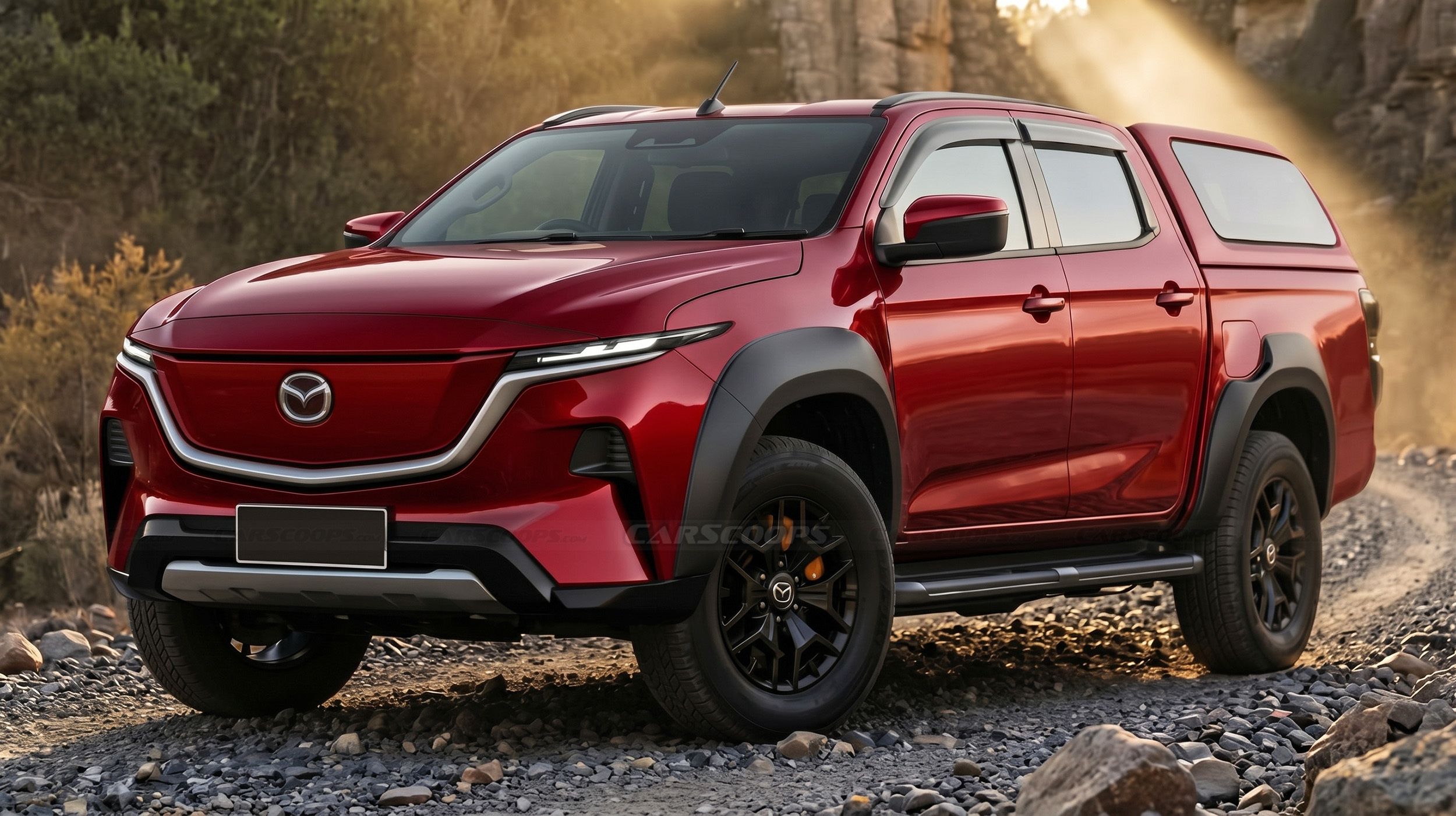
Illustrations: Thanos Pappas / CarScoops
Mazda could continue the partnership with Isuzu, developing the new model alongside the new generation of the D-Max. Another option would be to broaden its collaboration with Chinese automaker Changan, following the 6e sedan and CX-6e SUV projects.
More: Mazda Poised To Build More Chinese-Based EVs
Changan already offers a pickup in the form of the Hunter K50 with a revolutionary range-extender powertrain. However, this one is based on the ladder-frame chassis of the diesel-powered Changan Hunter which has already spawned several siblings from Stellantis brands in South America including the Peugeot Landtrek, the Fiat Titano, the Ram 1200, and Ram Dakota.
Sharp Looks And Upmarket Interior
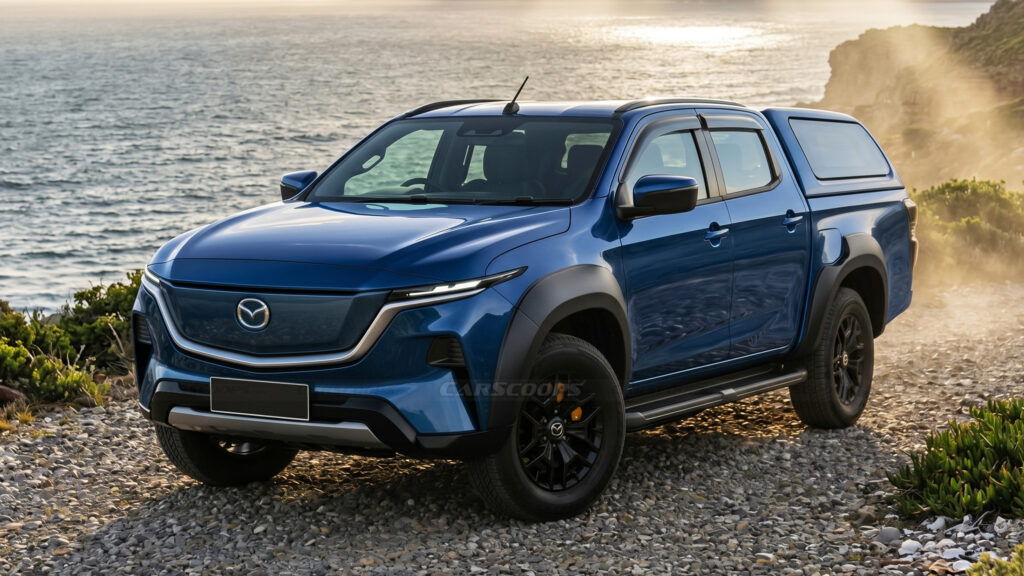
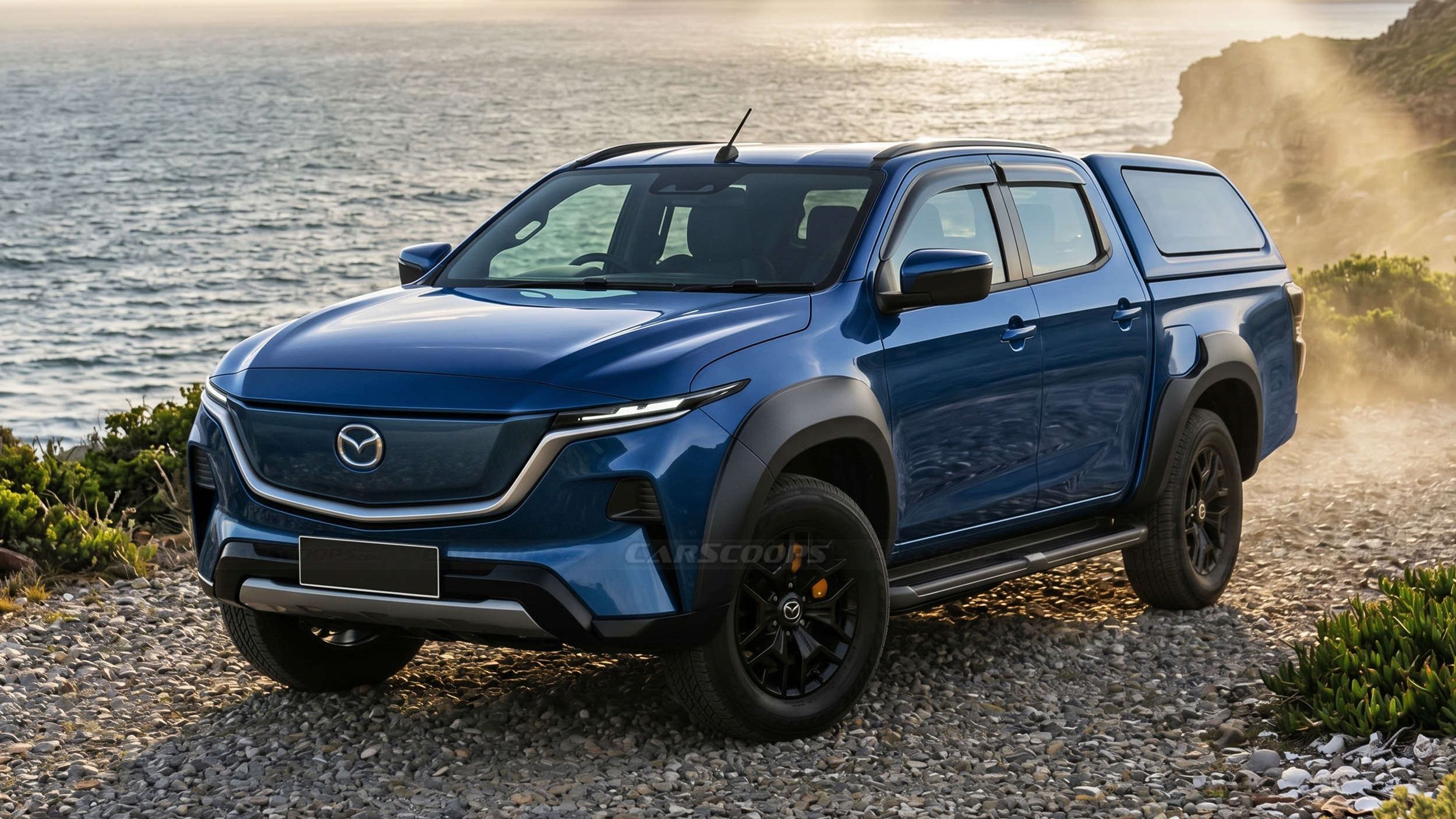
Illustrations: Thanos Pappas / CarScoops
In any case, the next Mazda BT-50 is expected to adopt the brand’s updated styling language with sharp LEDs and sculpted details. In our speculative rendering we used the proportions of the Isuzu D-Max as a base, infusing elements from the Mazda CX-6e alongside wide fender extensions and a rear canopy.
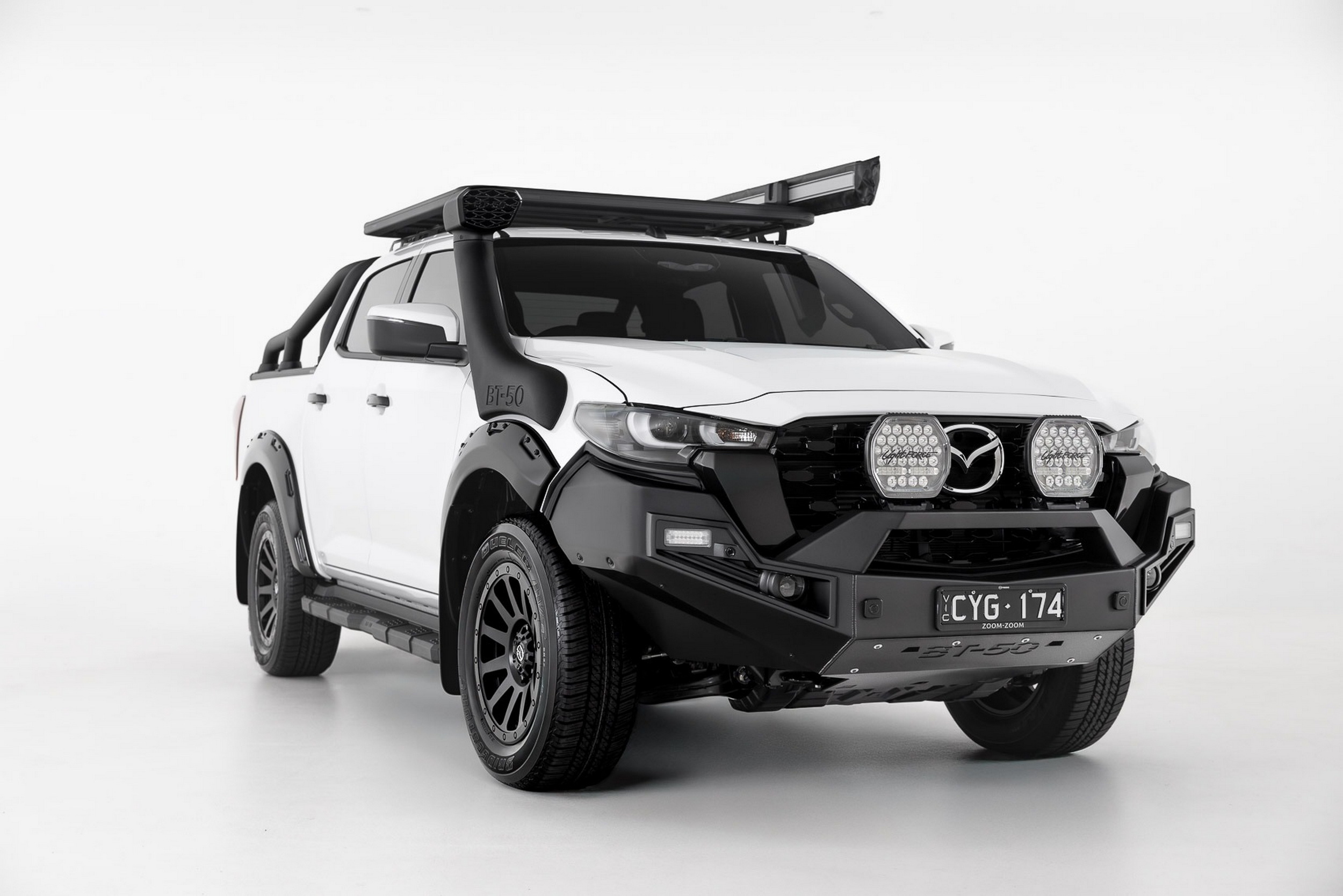
We also expect Mazda to give its truck a more premium interior, in line with the upmarket move of its entire lineup. This could help the next BT-50 stand out in a crowded segment, targeting a specific kind of buyer. As with most midsize pickups in Australia, the model could continue offering rugged trims like the Thunder alongside a selection of optional accessories for off-road enthusiasts.
What About The Powertrain?
Back in 2025, the Mazda Australia boss said there won’t be a fully electric variant of the BT-50 in the foreseeable future, despite the availability of the closely-related Isuzu D-Max EV. He also didn’t perceive PHEV pickups as a threat, adding that diesel powertrains will probably stick around. Still, the local Managing Director admitted they will let the market pinpoint if there’s demand for electrified trucks and consider the options.
Reading between the lines, Mazda could offer some sort of electrified powertrain options for the next BT-50. If it sticks to the partnership with Isuzu they will likely use a mild-hybrid diesel, while the Changan route would probably result in a range-extender option. That would allow the pickup to fulfil market demand while complying with tightening emission regulations and potentially expanding its scope to markets outside Australia.