
Ford Motor Company is doubling down on a comprehensive quality transformation to end years of persistent reliability struggles. For several consecutive years, the Dearborn automaker led the U.S. automotive industry in total recall campaigns and warranty expenditure. The financial burden and reputational impact prompted leadership to initiate a structural overhaul across engineering, procurement, and assembly operations.
Under Chief Executive Officer Jim Farley, the company has begun shifting away from short-term fixes toward systematic process changes. Recent third-party evaluation reports show early indications of progress, with Ford making measurable strides toward top quality metrics in several vehicle segments. However, executive leadership emphasizes that fully rectifying institutional quality gaps will require sustained discipline across multiple product cycles.
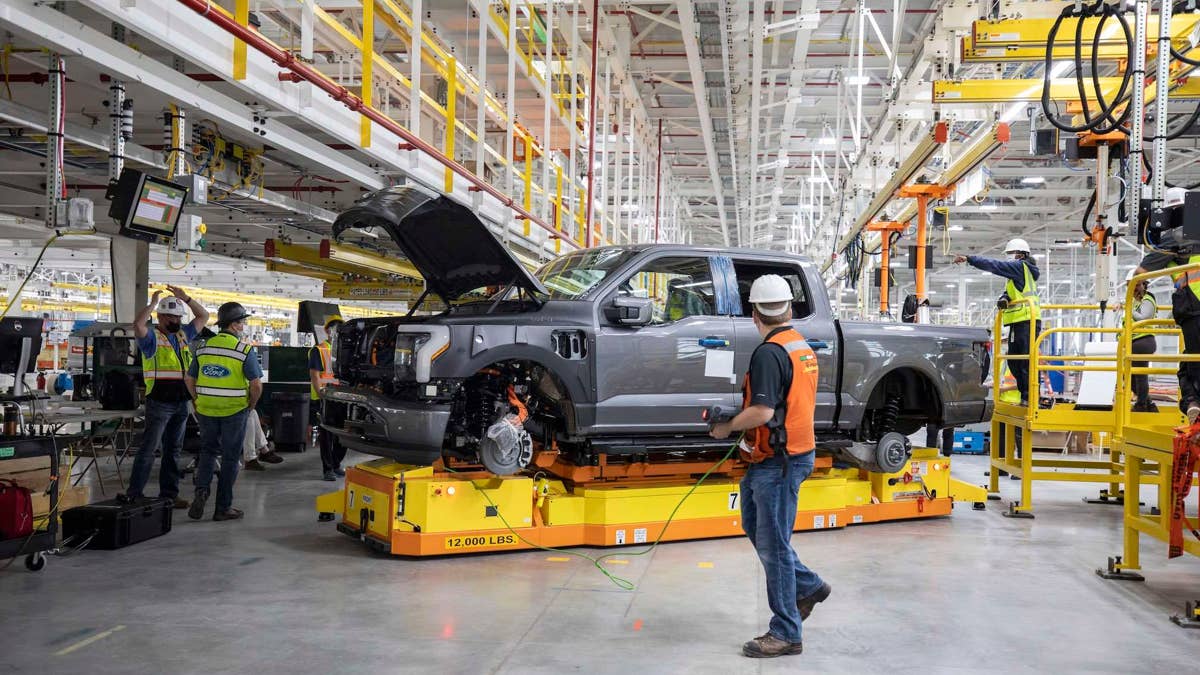
Mild Success with Ongoing Transition Challenges
Speaking at the recent 2026 Automotive News Conference, Farley explained that execution now hinges on a “complete obsession with details” across every phase of design and production. He stressed that earlier quality breakdowns often stemmed from rushed launch schedules or overlooked minor component variations during assembly. The revised mandate requires engineering teams to resolve potential failure points long before assembly lines begin rolling.
Central to this operational reset is a heavy investment in pre-production testing and real-time monitoring. By prioritizing catching defects early in the manufacturing cycle, factory teams can halt production to address component tolerances before vehicles leave the plant. This proactive approach aims to reduce costly post-sale warranty claims while establishing clearer accountability among tier-one suppliers.
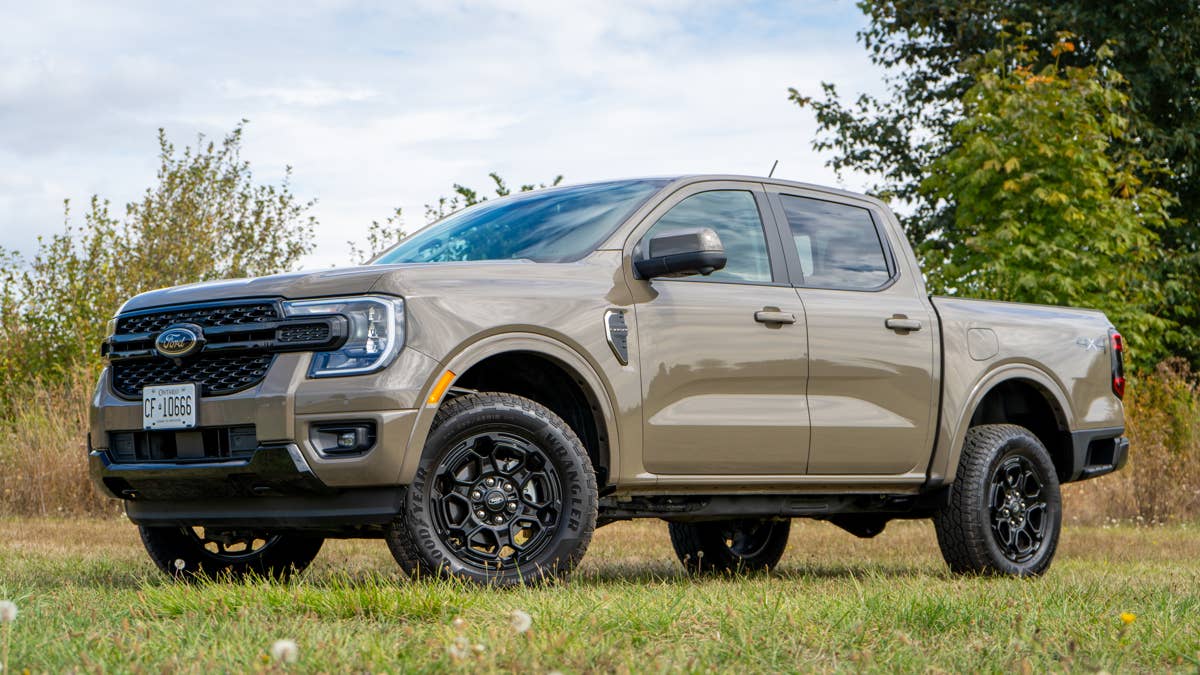
Despite these operational gains, the transition remains inherently complex because legacy vehicle platforms are already on the road. Increased scrutiny of existing inventory means future recall totals may spike temporarily as older defects are actively uncovered and addressed. This reality is underscored by open technical issues, such as a recent Ranger recall where engineers are still working to deploy a permanent field fix.
Cole Attisha
Systematic Cultural Change
Farley’s candid acknowledgment of Ford’s structural shortcomings represents a necessary departure from traditional corporate rhetoric. Addressing deep-seated quality deficiencies requires more than public commitments; it demands structural incentives that penalize shortcuts and reward thorough validation. Farley’s focus on granular detail signals that executive management recognizes the direct link between engineering rigor and long-term brand equity.
Sustaining this quality turnaround will require unwavering consistency as Ford navigates parallel investments in electrification and software architecture. Uncovering legacy defects will inevitably create short-term headlines and logistical friction for dealers. Nevertheless, prioritizing microscopic precision today remains the automaker’s strongest strategy for building durable customer trust tomorrow.
Jared Levenson/Autoblog