Safety Gear Blamed in Fatal Collision
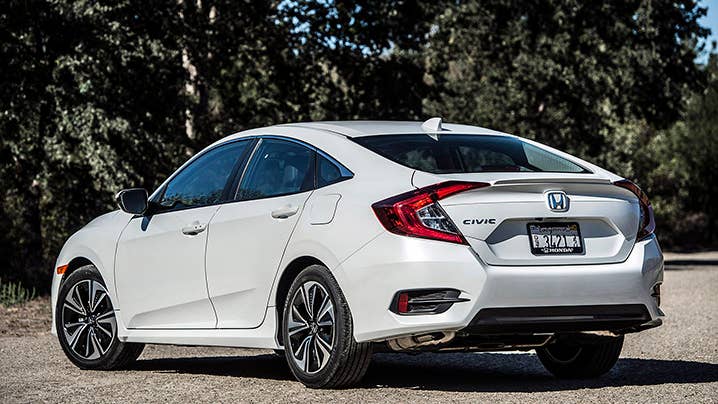
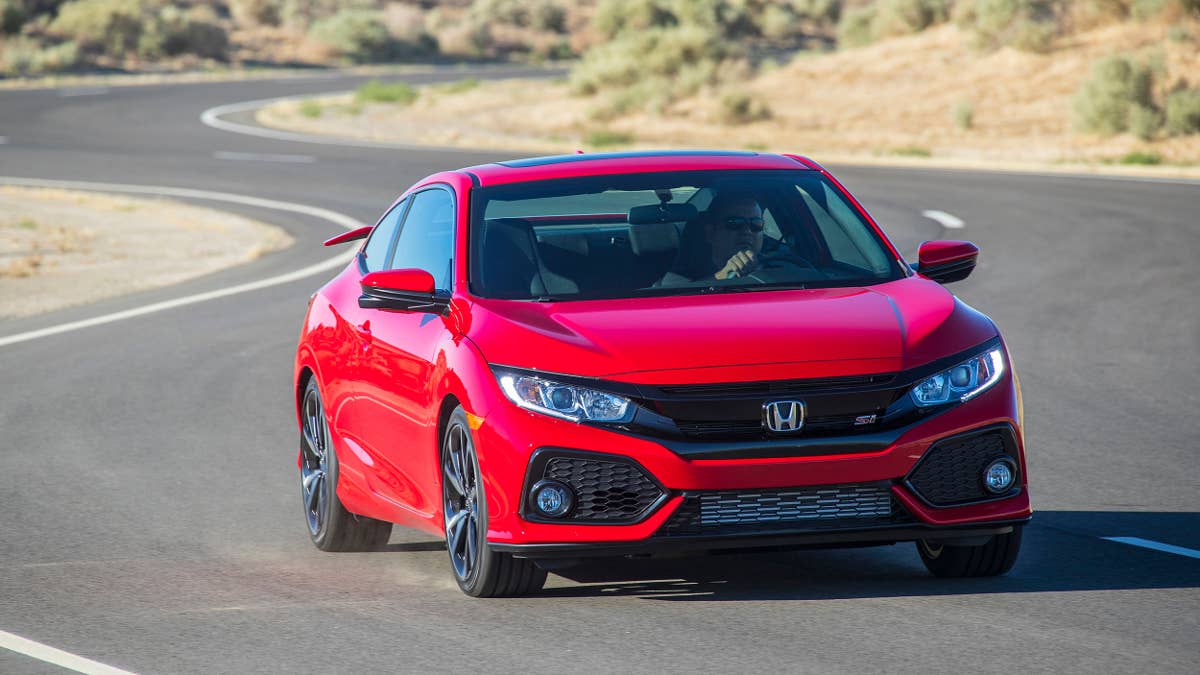
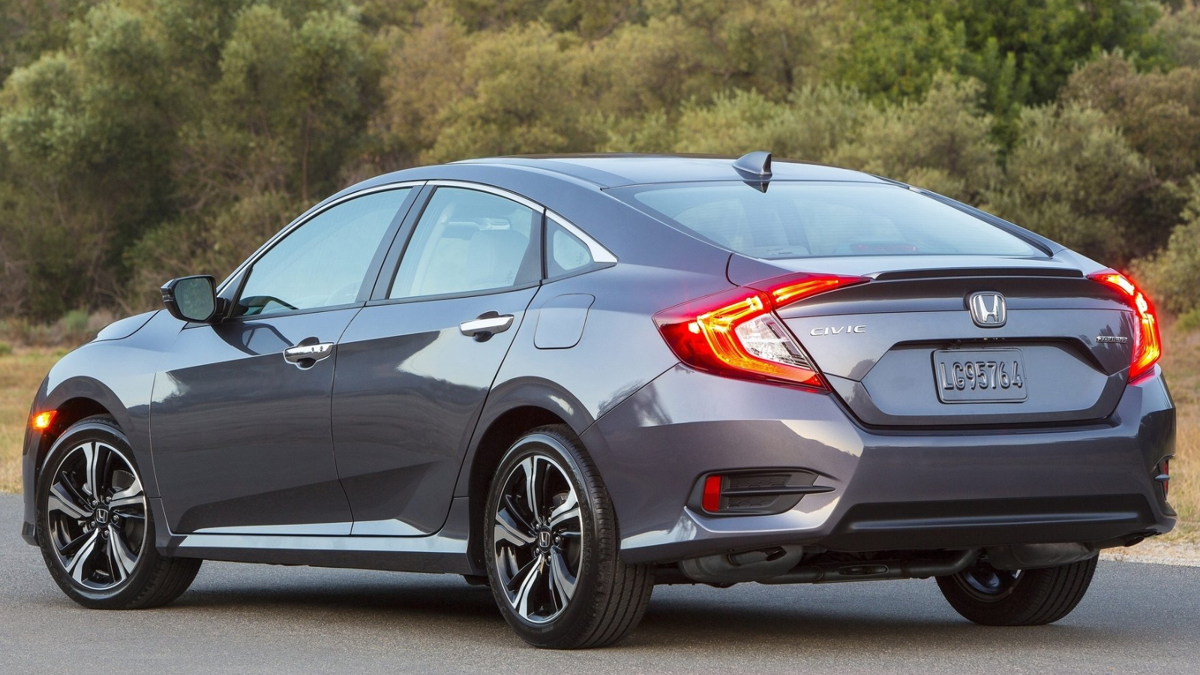
The tragic loss of 18-year-old Jacob L. Swann has sparked a complex legal battle following a horrific crash on May 27, 2025. Traveling through Hopewell Township, New Jersey, the Burlington resident was killed when the 2017 Honda Civic he was riding in suddenly crossed into oncoming traffic. The resulting accident was completely devastating, leaving a community grieving and a family desperate for answers regarding the violent outcome.
Instead of solely blaming the teenage driver, the family is pointing the legal finger squarely at Honda. The wrongful death lawsuit alleges that the vehicle’s rear seat belt system was defectively designed and directly responsible for Swann’s fatal injuries. The claim adds to the automaker’s recent recall woes, coming shortly after a major national recall addressing a dangerous seatbelt manufacturing defect in other popular models.
Honda
Tragic Head-On Crash
The incident unfolded on Route 31 near Titus Mill Road, with three teenagers inside the compact car. According to the Hopewell Township Police Department, the Civic, driven by Lukas J. Corcoran, drifted over the center line while traveling south. It slammed head-on into a northbound tractor-trailer, creating a catastrophic transfer of kinetic energy. The two front-seat occupants survived the terrifying impact, albeit with severe bodily injuries.
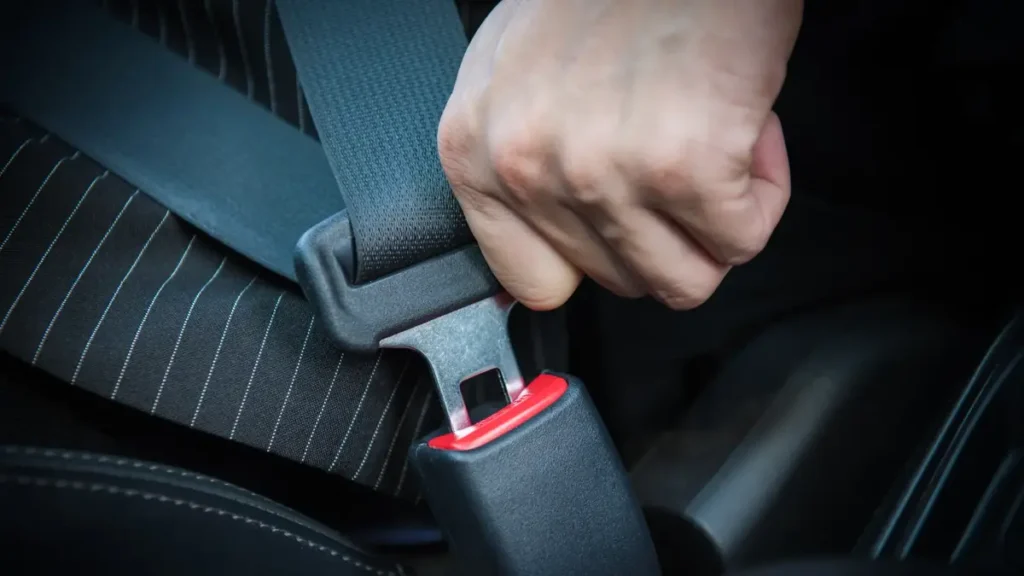
Swann was seated in the back, wearing a standard 3-point lap and shoulder belt. The lawsuit claims this restraint system was not crashworthy, causing dangerous and avoidable localized deceleration that ultimately led to fatal internal injuries. The plaintiffs argue that Honda could have used an alternative, safer design to eliminate the harm, despite the fact that the 2017 Civic met or exceeded all federal safety standards at the time of its initial manufacture.
The litigation, officially filed in the Superior Court of Burlington County, names both Honda Motor Company and the driver, Corcoran, as defendants. Honda is already fighting defensive battles on multiple legal fronts, including mounting litigation over safety tech failures that allegedly disable driver-assistance features. This fatal crash adds yet another layer of intense legal and public scrutiny to their engineering departments.
Blaming the Manufacturer for Catastrophic Impacts
Surviving a head-on collision between a lightweight compact car and a massive commercial tractor-trailer is exceptionally rare. Safety systems are designed to mitigate injury within reasonable parameters, but a direct impact with a semi pushes the physical limits of any passenger restraint. Arguing that a rear seat belt is inherently defective because it caused internal injuries during such an extreme deceleration event feels like ignoring the brutal realities of physics.
Automakers are frequent targets for massive legal payouts when unspeakable tragedies occur on public roads. Juries are often swayed by immense emotional grief, but this will be a long and arduous process, much like this overturned billion-dollar verdict involving an older vehicle. While the Swann family’s heartbreaking loss is undeniably profound, proving that Honda’s design was legally defective in a crash of this sheer physical magnitude will be an incredibly steep hill to climb in court.