
A recent $300 million acquisition could offer a clear clue as to what OpenAI’s future hardware might look like. OpenAI, the parent company of ChatGPT, quietly bought Glass Imaging, a California startup known for using neural networks to dramatically boost smartphone camera performance.
Reported by The Wall Street Journal, neither company publicly announced the deal. However, sources familiar with the matter say the purchase price triples Glass Imaging’s $100 million valuation from last year. Prior to the acquisition, the startup had raised about $30 million from major backers like Alphabet’s GV, Insight Partners, and Future Ventures, marking another aggressive step as OpenAI expands far beyond text-based software.
Fixing cameras at the shutter click
Glass Imaging was founded in 2019 in Los Altos by CEO Ziv Attar and CTO Tom Bishop. Both founders bring deep optical expertise from Apple. Bishop helped develop the core technology behind the iPhone’s iconic Portrait Mode, while Attar previously led computational photography projects at Apple after his earlier startup, LinX Imaging, was acquired by Apple in 2015.
Unlike photo tools that use generative AI to retouch or alter a taken picture, Glass Imaging’s GlassAI software works instantly. The custom neural network studies the exact optical flaws, lens aberrations, and sensor limitations of specific camera hardware. It then reverses those physical imperfections at the exact instant the shutter fires, aiming to deliver DSLR-style depth and clarity straight out of compact smartphone lenses. The technology has already proven its worth in DXOMARK benchmark tests and in commercial handsets from brands like Honor.
How this fits into OpenAI’s hardware puzzle
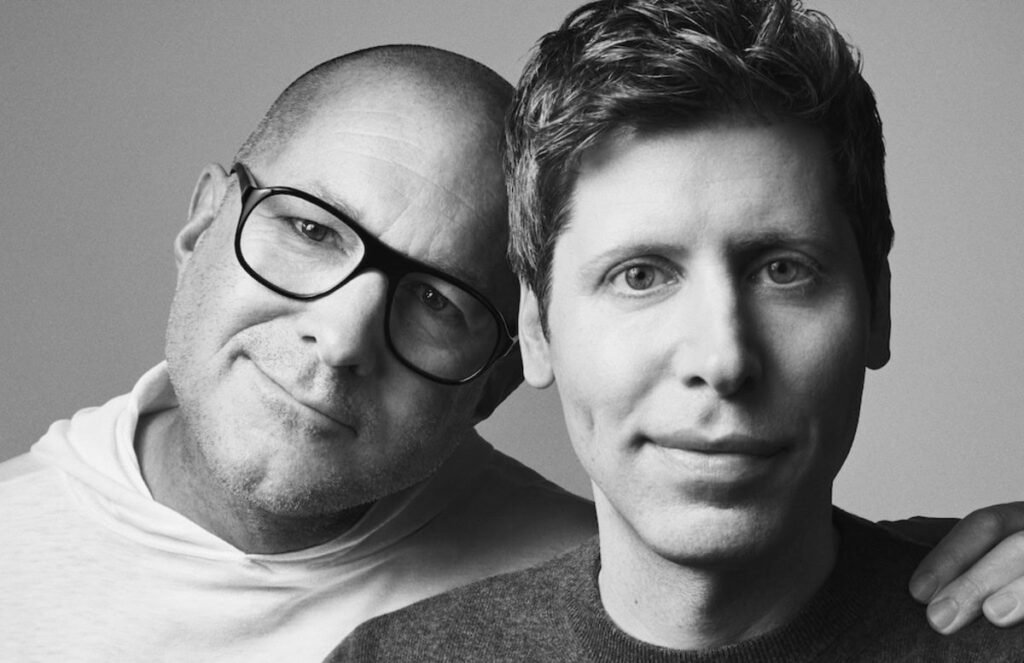
OpenAI has not disclosed its exact plans for Glass Imaging. Still, the purchase lands right as the company builds out a formidable hardware team. The firm previously bought io—the device startup founded by former Apple chief designer Jony Ive—in a $6.5b deal.
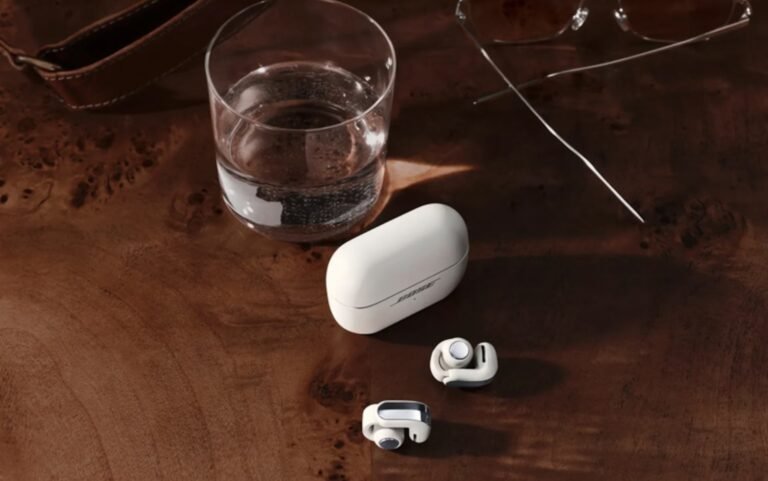
Reports indicate that over 200 employees are currently working on a family of OpenAI devices. This ranges from screen-free smart speakers and earbuds to an AI-agent smartphone. Snagging top-tier optical engineers suggests that real-time visual perception and high-end camera capabilities will play a massive role in whatever physical products OpenAI debuts next.
An aggressive shopping spree ahead of an IPO
OpenAI is preparing for an expected initial public offering next year. In the meantime, its recent shopping spree shows no signs of slowing down. Beyond camera technology, the company has been snapping up diverse assets. This includes open-source developer tool startups, corporate staffing firms, and even an internet talk show called TBPN.
Adding world-class camera talent to its growing hardware division shows that OpenAI is not content remaining just a software platform. These moves suggest that whatever physical products OpenAI debuts next will be built to see and understand the world around them in real time.
The post OpenAI Just Dropped $300 Million on a Smartphone Camera Startup appeared first on Android Headlines.