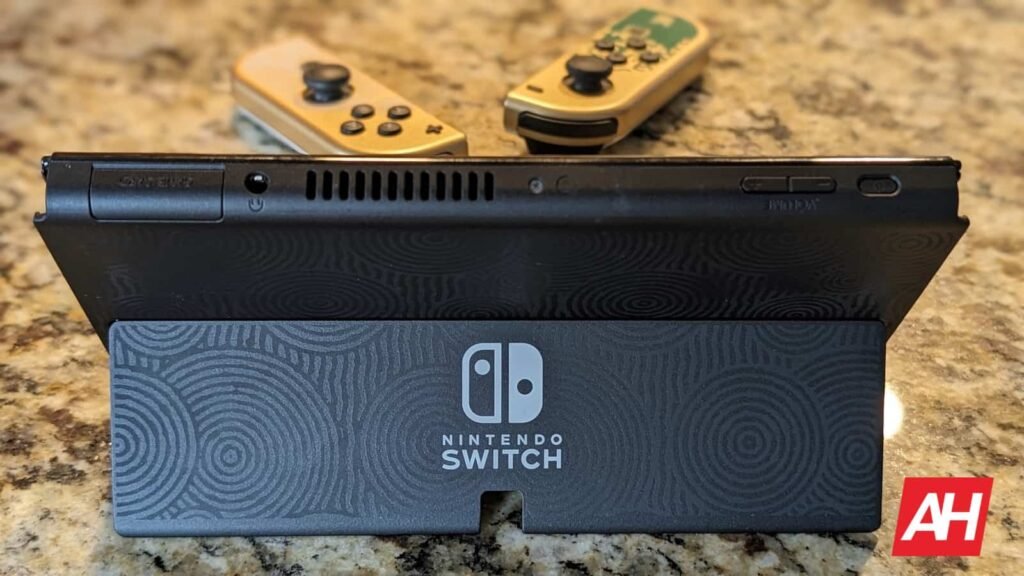

The Nintendo Switch reportedly has a vulnerability that targets the QR code, specifically one that Switch owners would use to upload screenshots and game clips that have been captured on their console to the web so those images can be shared. Back on the Nintendo Switch family, Nintendo’s method for uploading game screenshots and game clips didn’t just happen automatically like they do with today’s Switch 2. If you wanted to grab them on your phone to share them across places social media and through text messages, you’d have to scan a QR code on the console for that content.
According to Nintendo, it’s this feature that an exploit was found for. The company states that if a hacker wanted to, they could retrieve potentially sensitive information that’s stored on the console by running unauthorized code on it.
Scanning the QR code allows for the push of this unauthorized code by way of Proximity-Based Remote Attack. This issue doesn’t impact the Switch 2 because it doesn’t use QR codes to transfer images to a phone. Screenshots and game clips are automatically uploaded, and players can simply find those inside the current Nintendo app.
The Nintendo Switch QR code vulnerability has already been patched
There are two things about this vulnerability that will make it less of a cause for concern for anybody that keeps their stuff up to date. First, Nintendo says it has already pushed out a patch to fix this vulnerability last week. That being said, anyone that hasn’t updated their Nintendo Switch in a while will want to make this a higher priority.
In addition to a fix already being pushed out, this isn’t a vulnerability that’s simple to execute to completion, because it can’t be done remotely. The user who wanted to hack a Nintendo Switch console that hasn’t been updated with the patch to fix this vulnerability would have to be within the console’s proximity to scan it. The version of the software for the Switch system that includes this fix is version 23.0.0.
The post The Nintendo Switch had a QR code vulnerability that put it at risk from hackers appeared first on Android Headlines.