Good Behavior Gets the Green
Methods to curb speeding have evolved through the years, from officers using speed guns to automated cameras issuing tickets. But sometimes, punishing violators may be less effective than rewarding drivers for following the rules. That’s an approach Albuquerque and Portland have been adopting through a system commonly known as “rest in red.”
Adoption remains limited, so many drivers may not know what it is. For context, a rest in red system keeps traffic lights red by default. The versions used in Albuquerque and Portland use sensors to turn lights green earlier for drivers traveling at or below the speed limit. This approach can encourage drivers to slow down, as speeding would likely leave them stopped at an intersection. Albuquerque also operates nearby speed cameras, which officials say have made the approach even stronger.
Slow Is the New Fast
AP reported that Albuquerque officials credit the system with a dramatic drop in crashes and injuries along Lead and Coal avenues. Meanwhile, the first intersection tested on Southeast Powell Boulevard in Portland saw average speeds drop from 39 mph to the posted 30 mph during the late-night rollout.
Even without the incentive of turning green earlier for compliant drivers, a 2023 study of five rural and urban roads in North Carolina found a 43% reduction in total crashes after a simpler rest in red system was implemented around the clock. That version kept lights red until vehicles approached, without using speed sensors to reward drivers.
One potential downside, however, is a lack of awareness of how the system works, especially when other road users are affected. One speeding driver can cause others to stop, even as they slow down hoping to get an earlier green light. Clearer public education could help, though cities have been slow to embrace the system.
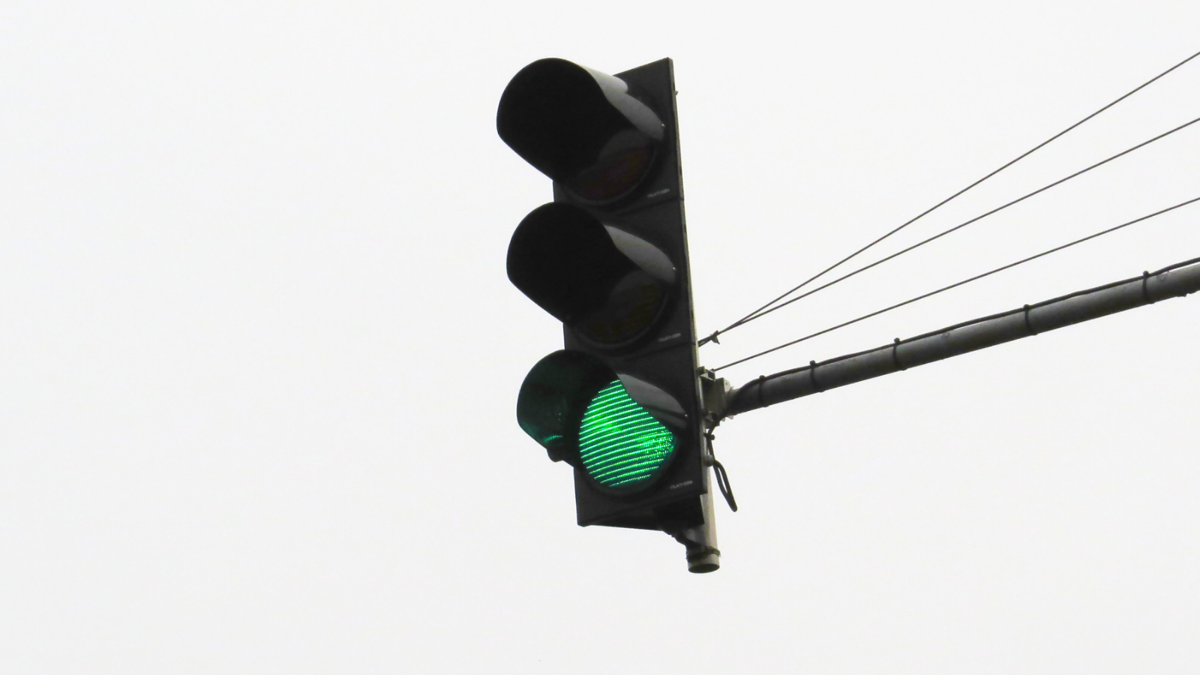
ama54/Getty Images
Don’t Floor the Conclusions Yet
While early results are promising, David Hurwitz, a professor of transportation engineering at Oregon State University, said further research is needed to make sure gains aren’t offset by more drivers running red lights or other negative consequences.
The rest in red system is just one of many approaches to improving road safety through technology. In Colorado, the state uses point-to-point cameras to calculate a vehicle’s average speed based on its travel time through a particular section of road. Automakers are also doing their part with improvements in areas such as advanced driver-assistance features. Honda, for example, aims to achieve zero traffic collision fatalities involving its automobiles and motorcycles globally by 2050.
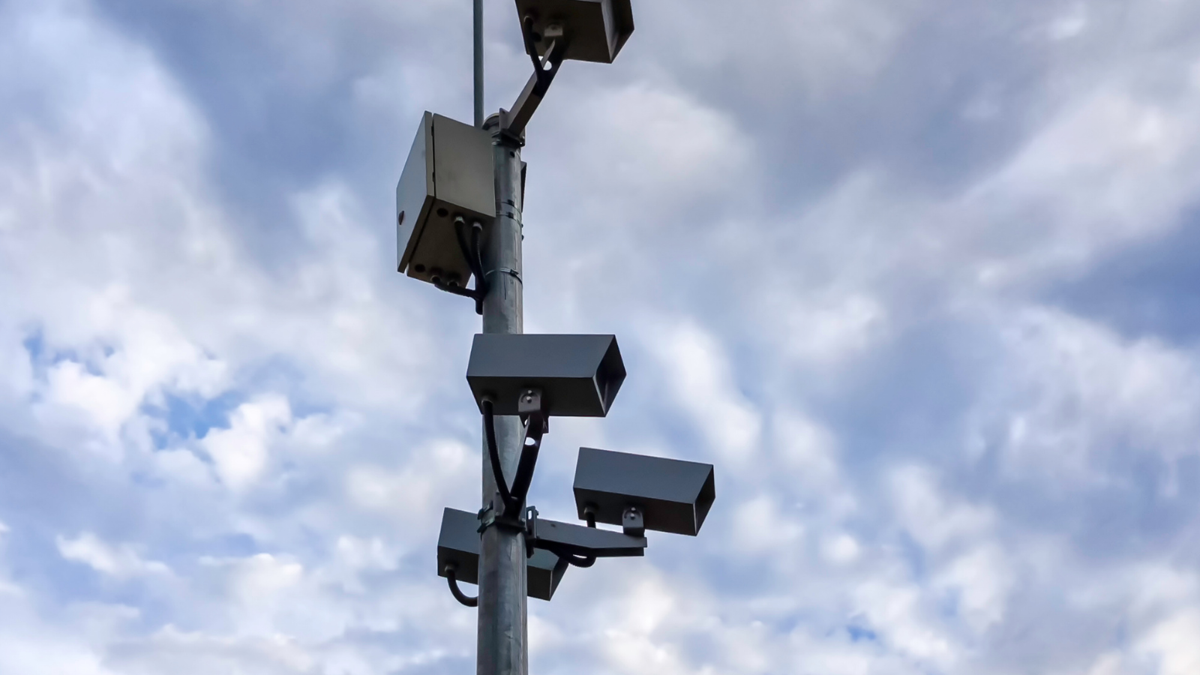
wsfurlan/Getty Images