Tesla’s Driverless Robotaxi Era Starts – And So Does Another Federal Investigation
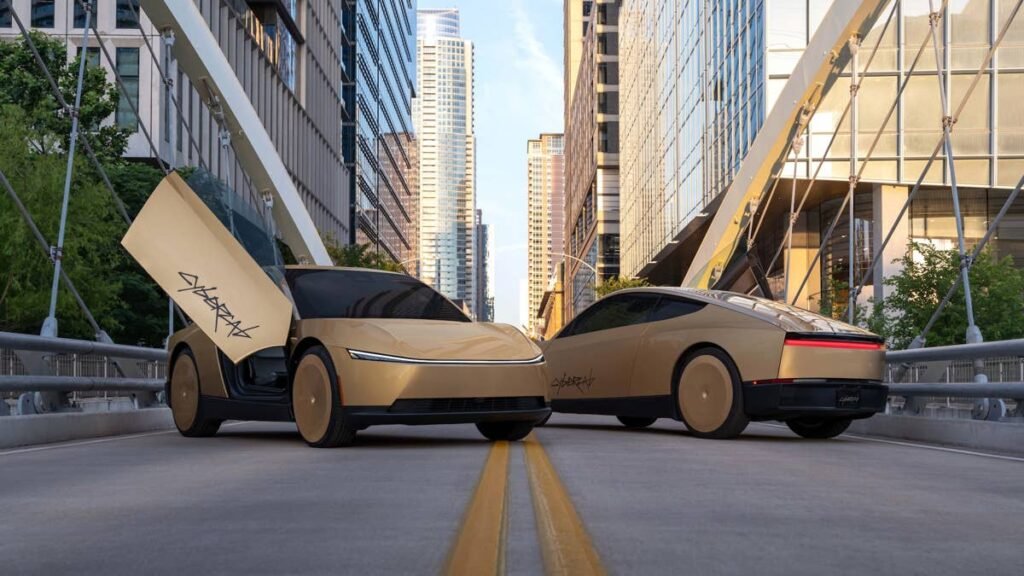
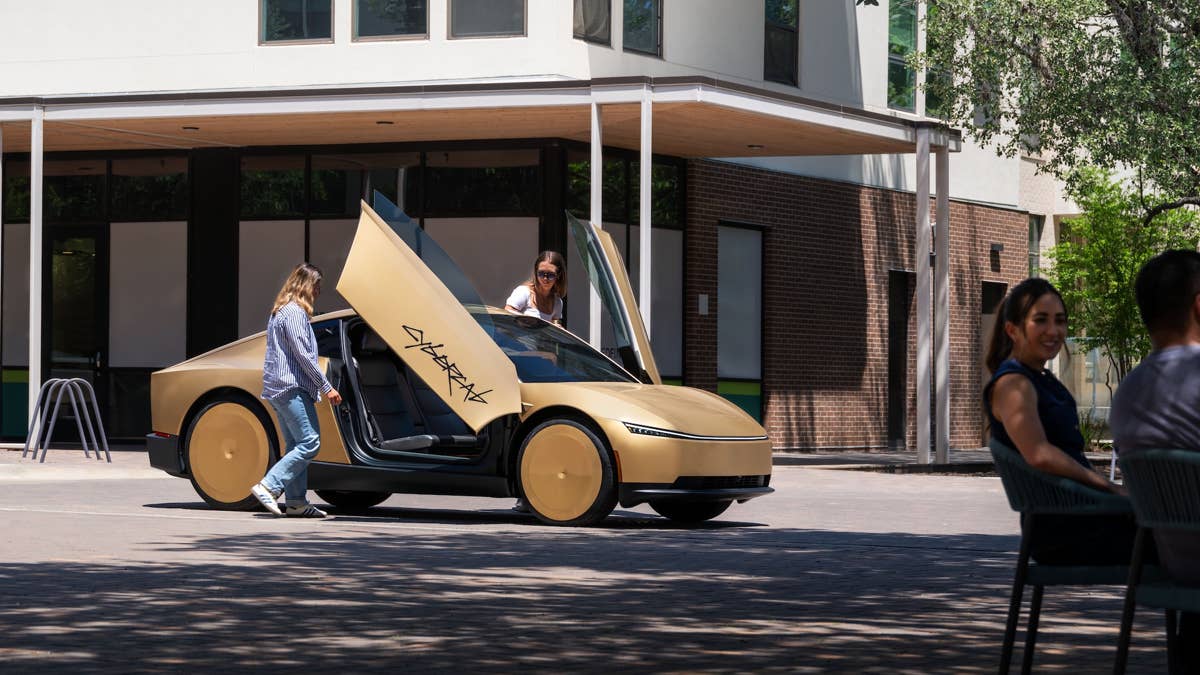
After years of hype, teasers, and Elon’s big promises, Tesla’s long-awaited Cybercab robotaxi is finally prowling the streets of Austin. The company’s fully autonomous ride-hailing service has kicked off with a small fleet, marking the start of a new era – at least in Texas.
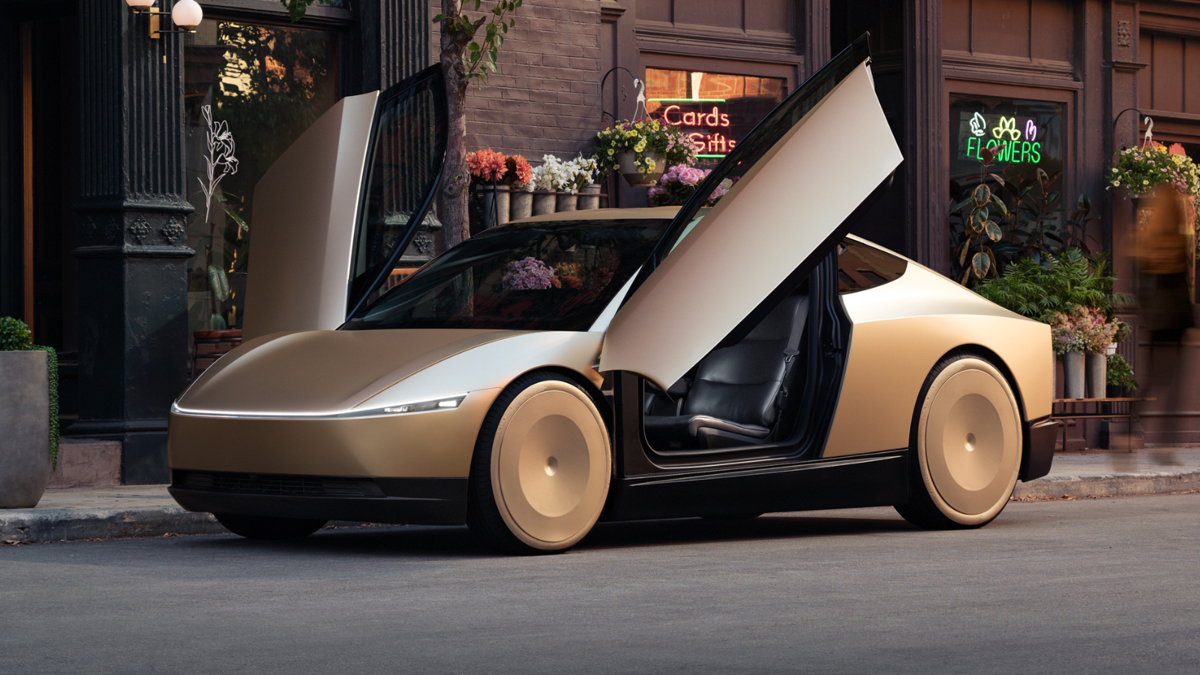
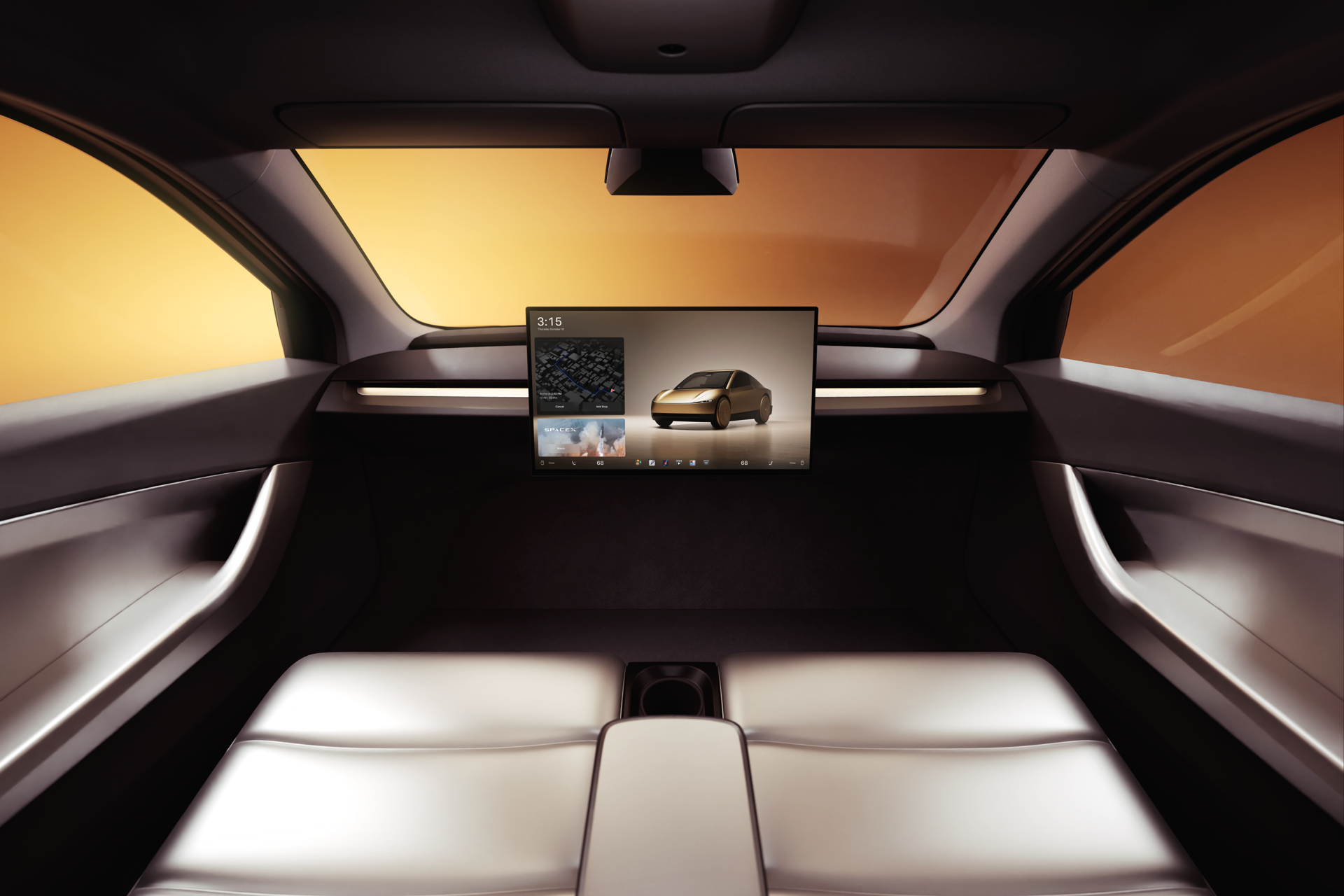
The Cybercab is unlike anything Tesla has ever put on the road. Forget steering wheels, pedals, or even a driver – this thing is all software, all the time, trusting Tesla’s Full Self-Driving (FSD) system to do the heavy lifting.
The ink was barely dry on the rollout – September 3, for those keeping score – before federal regulators swooped in. The NHTSA wasted no time, launching an official Audit Query (AQ26002) into how Tesla certified the Cybercab. Tesla claims the Cybercab ticks all the Federal Motor Vehicle Safety Standards boxes, even though it skips the usual manual controls. It also told the agency it plans to roll out more Cybercabs and expand beyond Austin as the fleet grows.
What the NHTSA Wants to Know
This isn’t a recall or a declaration that the Cybercab is unsafe – at least not yet. The NHTSA just wants to know how Tesla gave itself the green light before unleashing these robotaxis on the public.
Regulators are digging into the nitty-gritty: what process and technical data did Tesla use to sign off on the Cybercab? They also want to know if Tesla decided some safety rules just don’t count when your car ditches the usual controls.
That’s a big deal, since most FMVSS rules were written for cars with steering wheels, pedals, and mirrors. The Cybercab tosses all that out, so now everyone’s wondering how the old rulebook applies. Right now, the audit covers around 1,000 Cybercabs, though only a handful are actually roaming Austin’s streets so far.
An Audit Query is basically the agency’s way of asking for receipts – engineering docs, certification details, and anything else they need before deciding if they want to take things further.
Tesla
Why Safety Questions Aren’t Going Away
The Cybercab is rolling out just as Tesla is already juggling a stack of safety investigations into its driver-assist and self-driving tech.
Tesla’s FSD has already been under the microscope, with NHTSA digging into crashes and how the software handles real-world chaos. Those probes have touched millions of Teslas running FSD.
Just recently, a fatal crash in New York put FSD in the spotlight again. Investigators say it was switched on before a Model Y tried a left turn and collided with another car. That case is now fueling the bigger debate over how FSD performs when it really counts.
The Cybercab takes those worries up a notch. There’s no human backup – no steering wheel or brake pedal for a passenger to grab if things go sideways.
For now, Tesla’s robotaxi service is still rolling in Austin while the NHTSA combs through the paperwork. The investigation doesn’t mean the Cybercab is getting yanked off the streets just yet, but it does mean Tesla’s boldest new ride is already under the federal microscope – almost as soon as it launched.
Tesla