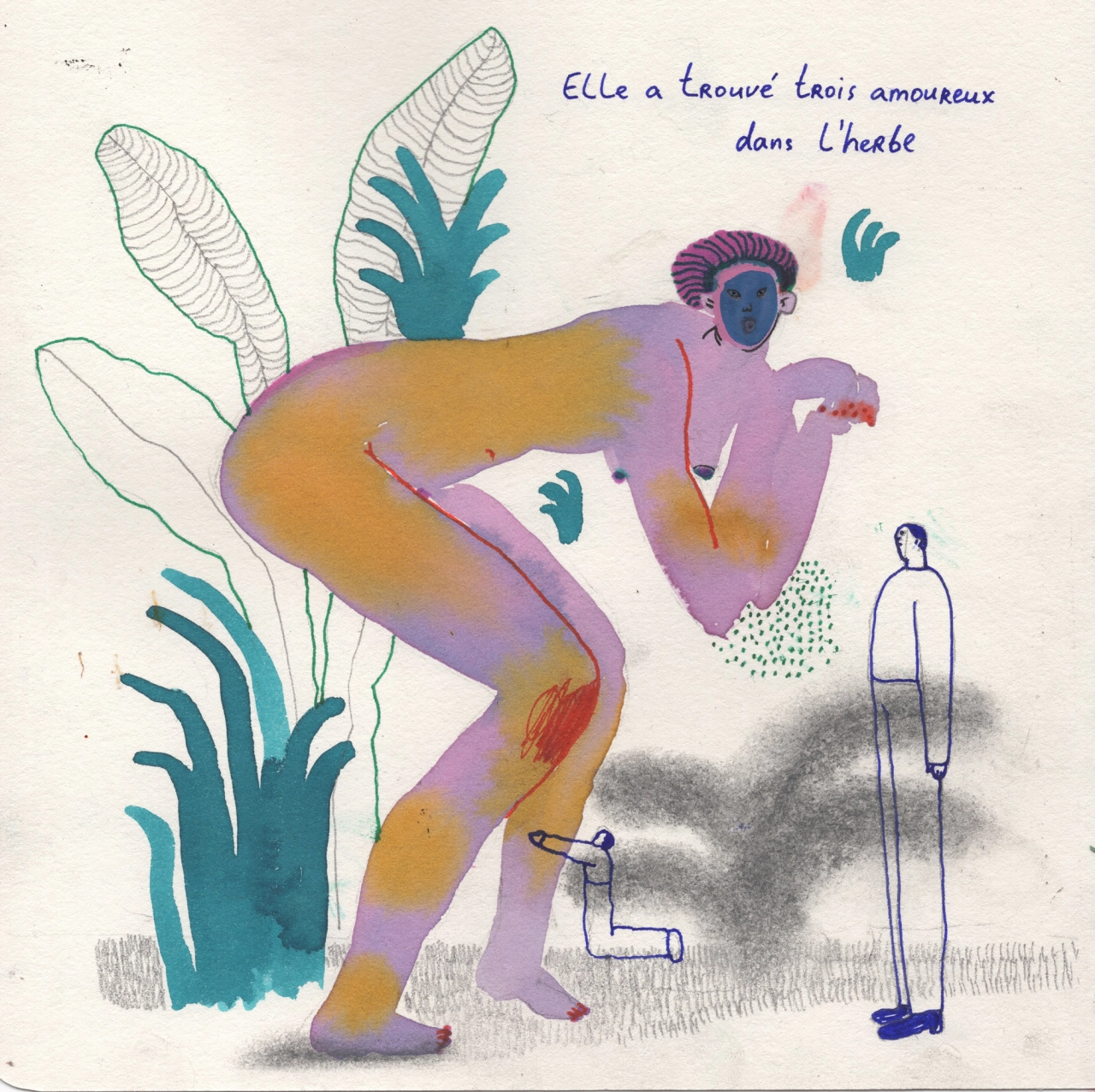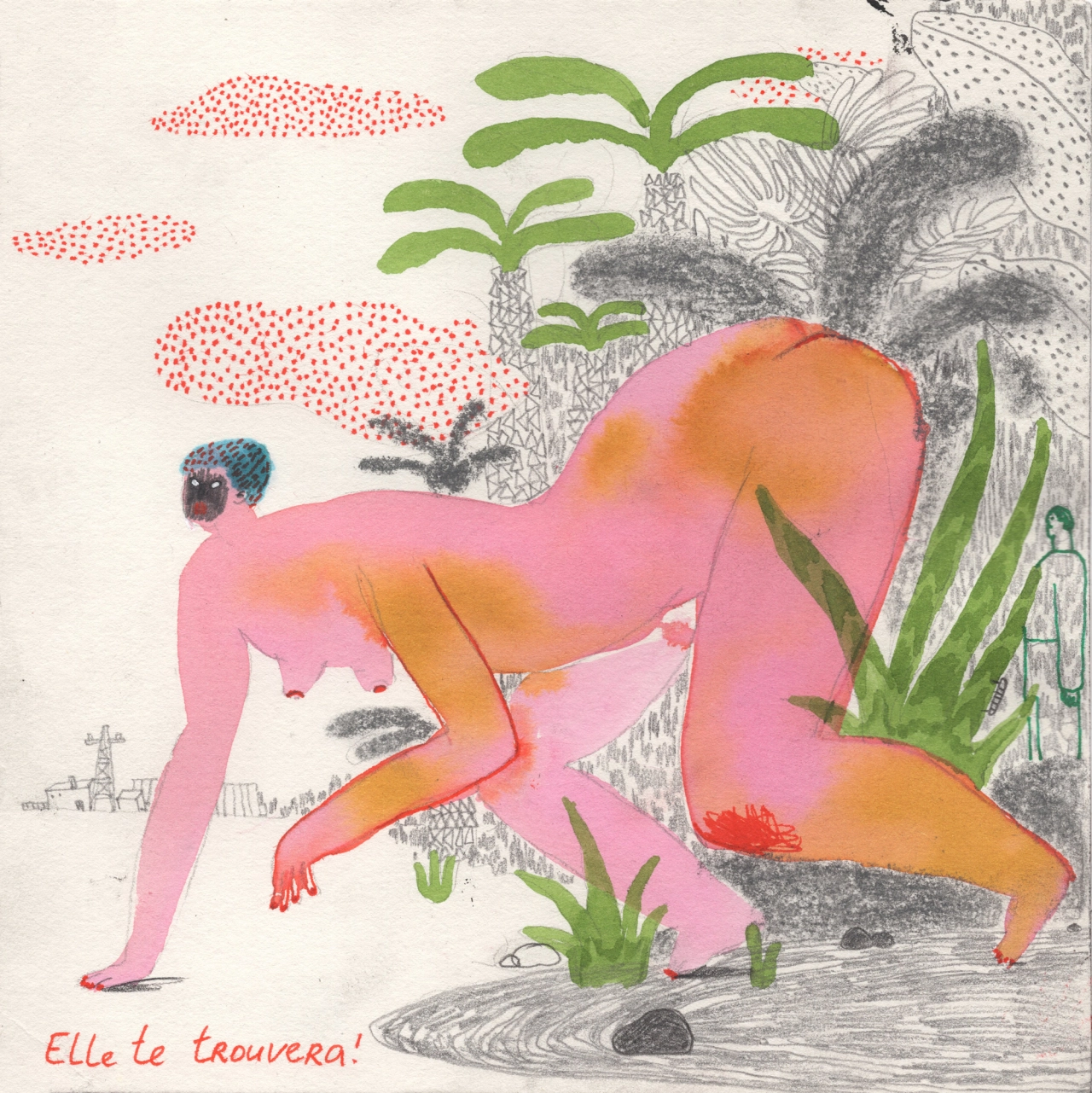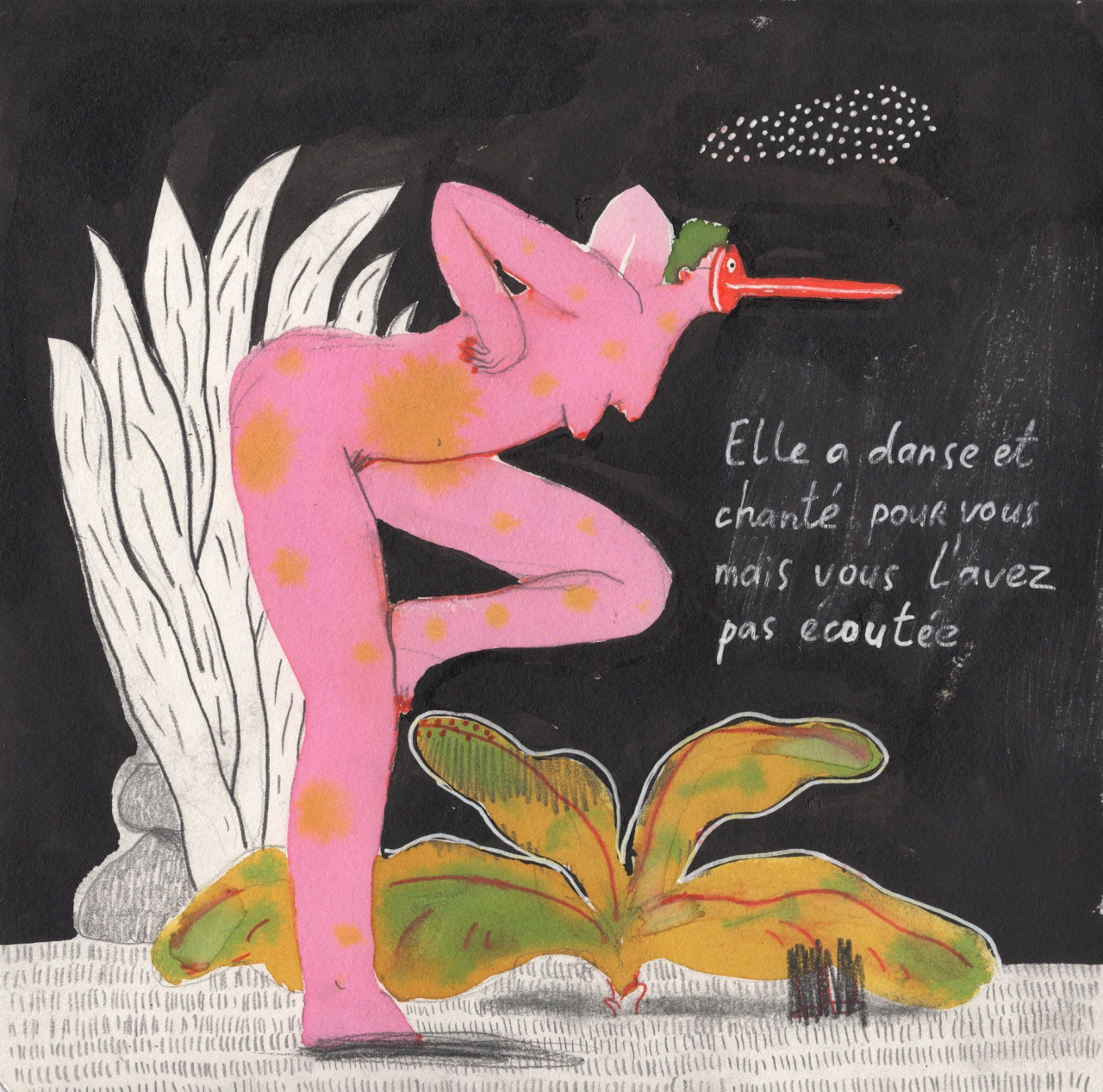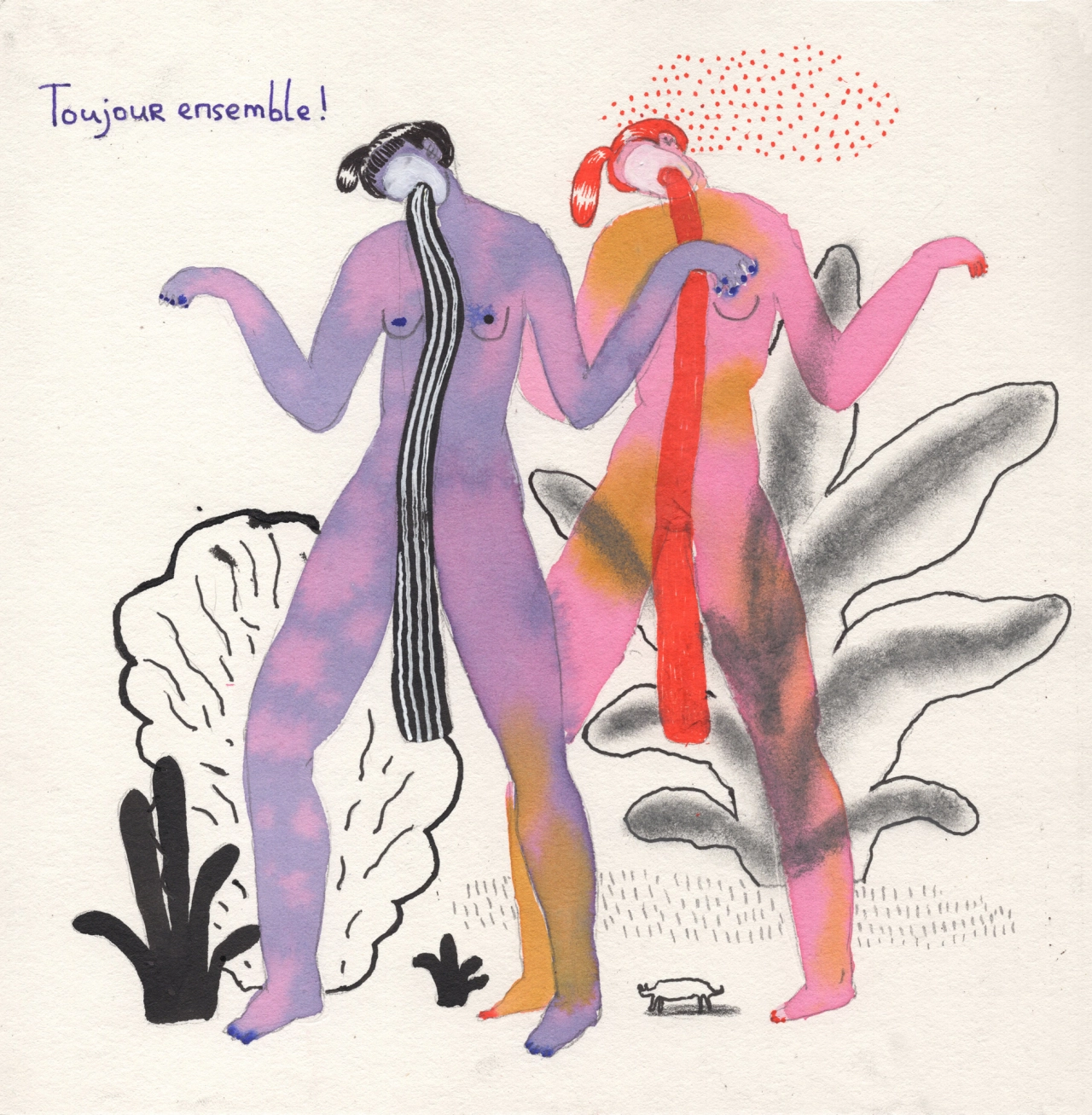
From a chance ink sketch to a full series of paintings and wooden sculptures, the illustrator and animator explains how Les Femmes sauvages came together.
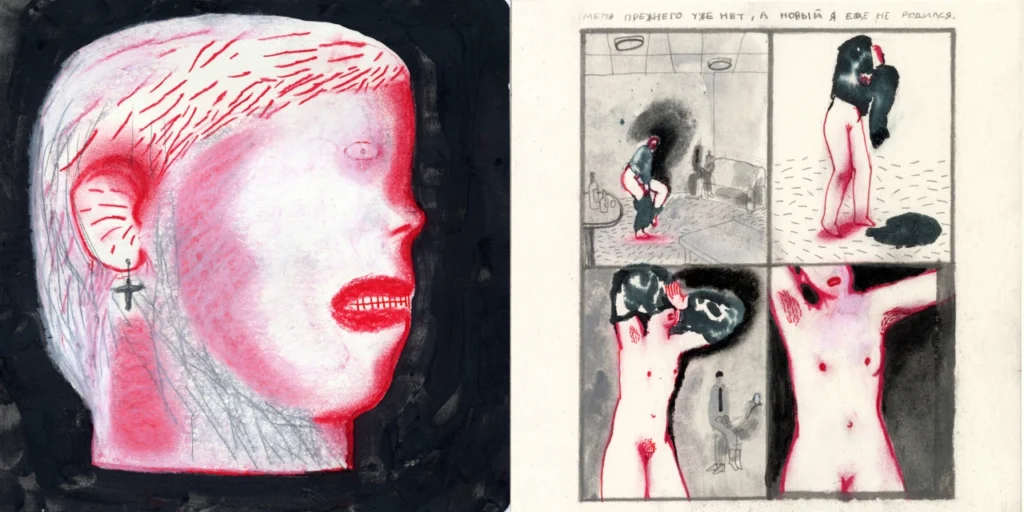
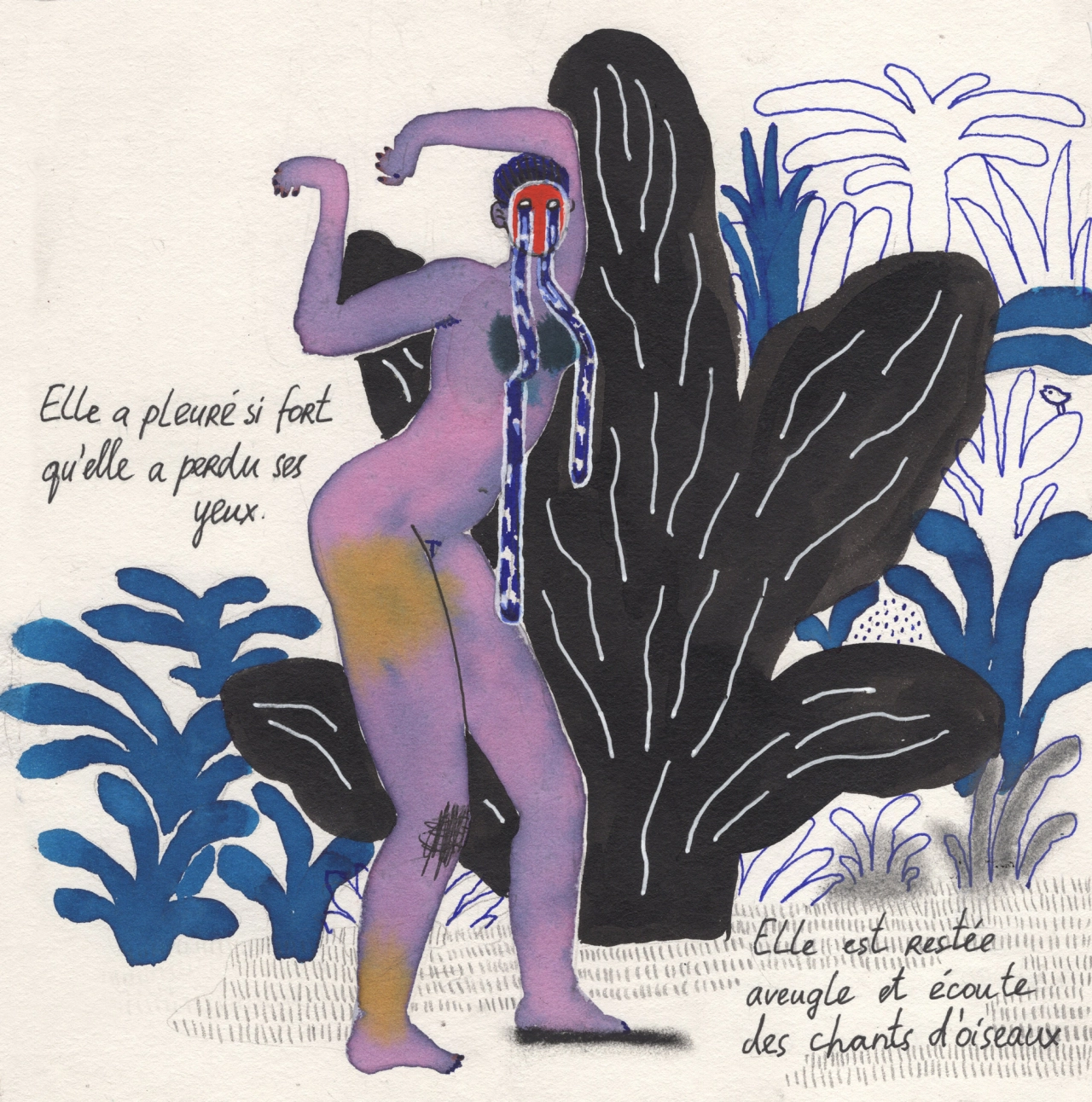
“I was playing with ink, and I linked a random sketch of a woman. I noticed her pose: she looked wild, like an animal,” says Varya Yakovleva, describing the start of Les femmes sauvages, now a full series of paintings, drawings and wooden sculptures. “Something can be born out of change, out of experiment and surprise,” she says. “Intuition tells you that this is something you need to develop, and then you begin to think. What can be drawn out of it, what it can be transformed into.”
Varya was born in Russia – “or more precisely, in the Soviet Union,” she says – and trained for a decade across art college, institute and directing courses before her practice split into animation, illustration and object making. That range makes it hard to describe her inspiration in one line, especially since it’s always changing.
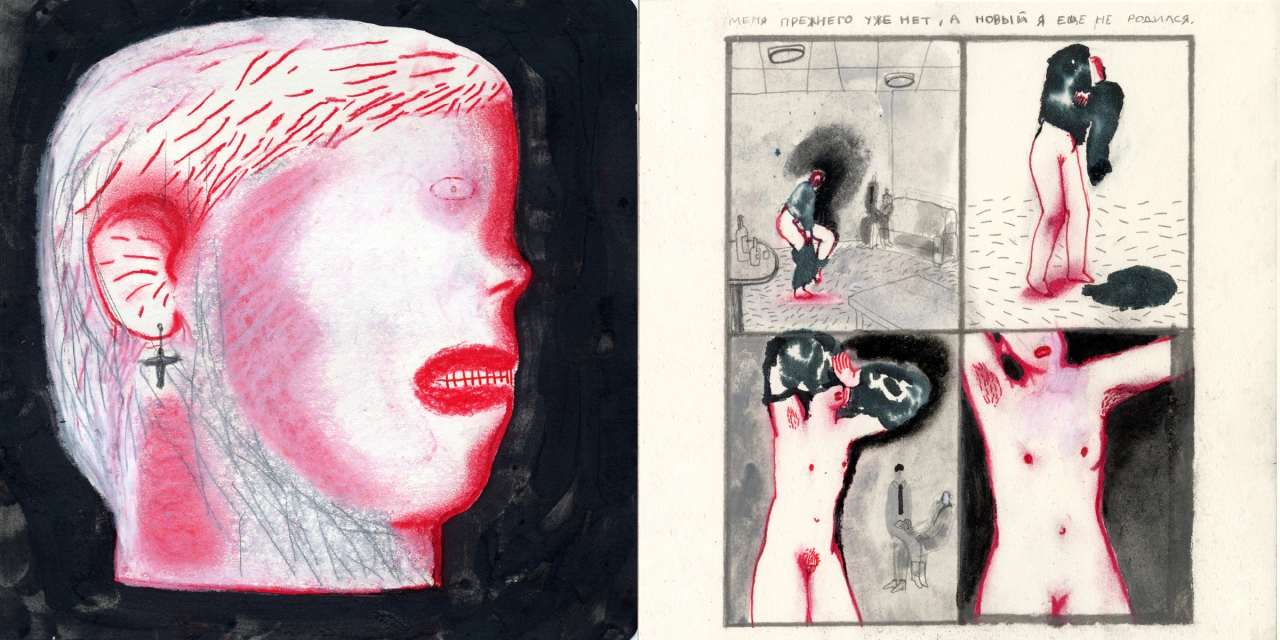
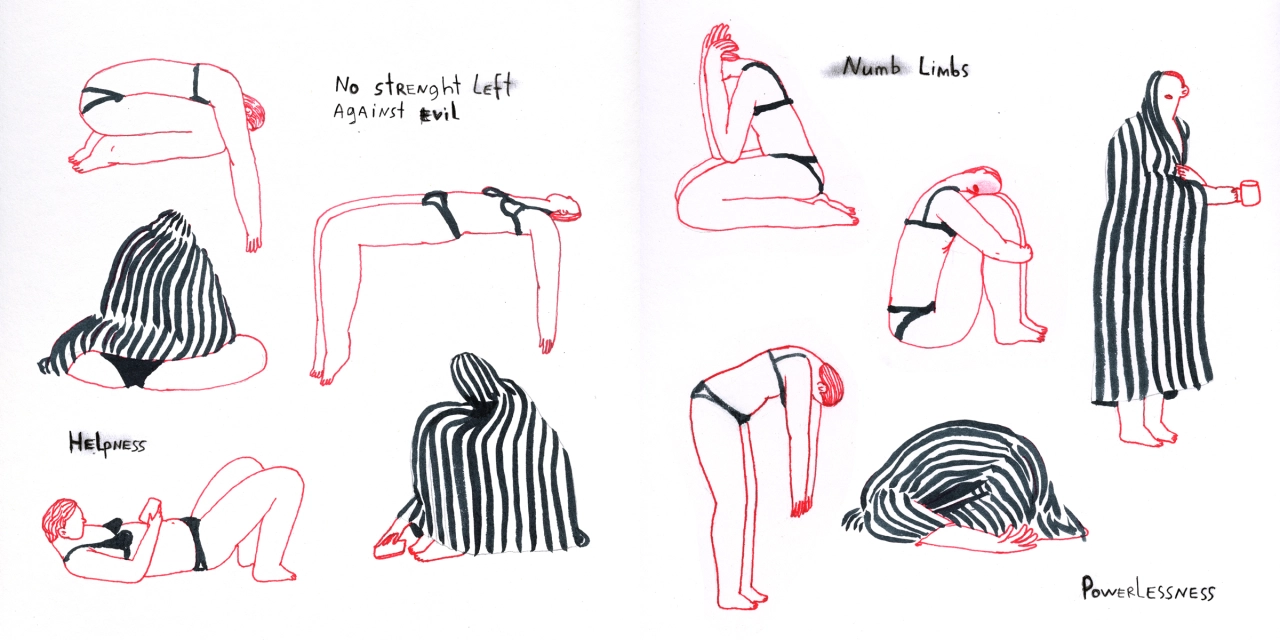
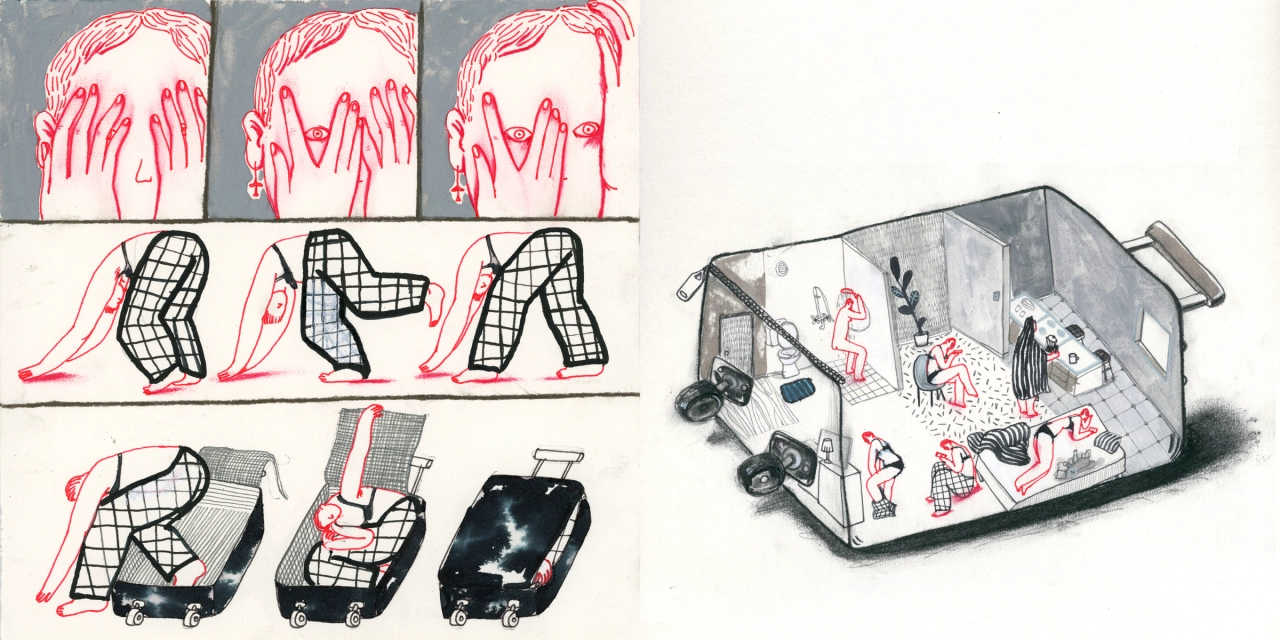
“It depends very much on the project, whether it is a series of graphic works, illustrations, a comic or an animated film. In general, it does not matter what I am doing; what matters is being sincere and honest in my work, not trying to look like something or not look like something, but listening to myself. This is not always easy, when there are so many wonderful artists before your eyes, and when so much has already been done and said in so many different ways.”
Les Femmes sauvages grew from that single sketch into something more wonderful and layered. To get there, Varya added phrases in French, a language she’d just begun learning – “it seemed quite poetic to me,” she says. As a result, the finished pieces carry short handwritten lines alongside figures that are dancing, listening to birdsong. They are drawn unguarded, bent low to the ground or caught mid-movement among painted plants, their bodies rendered in colourful, oozy ink. Eventually, the series evolved from paper into wooden sculptures that “completed the story” and gave it physical form.
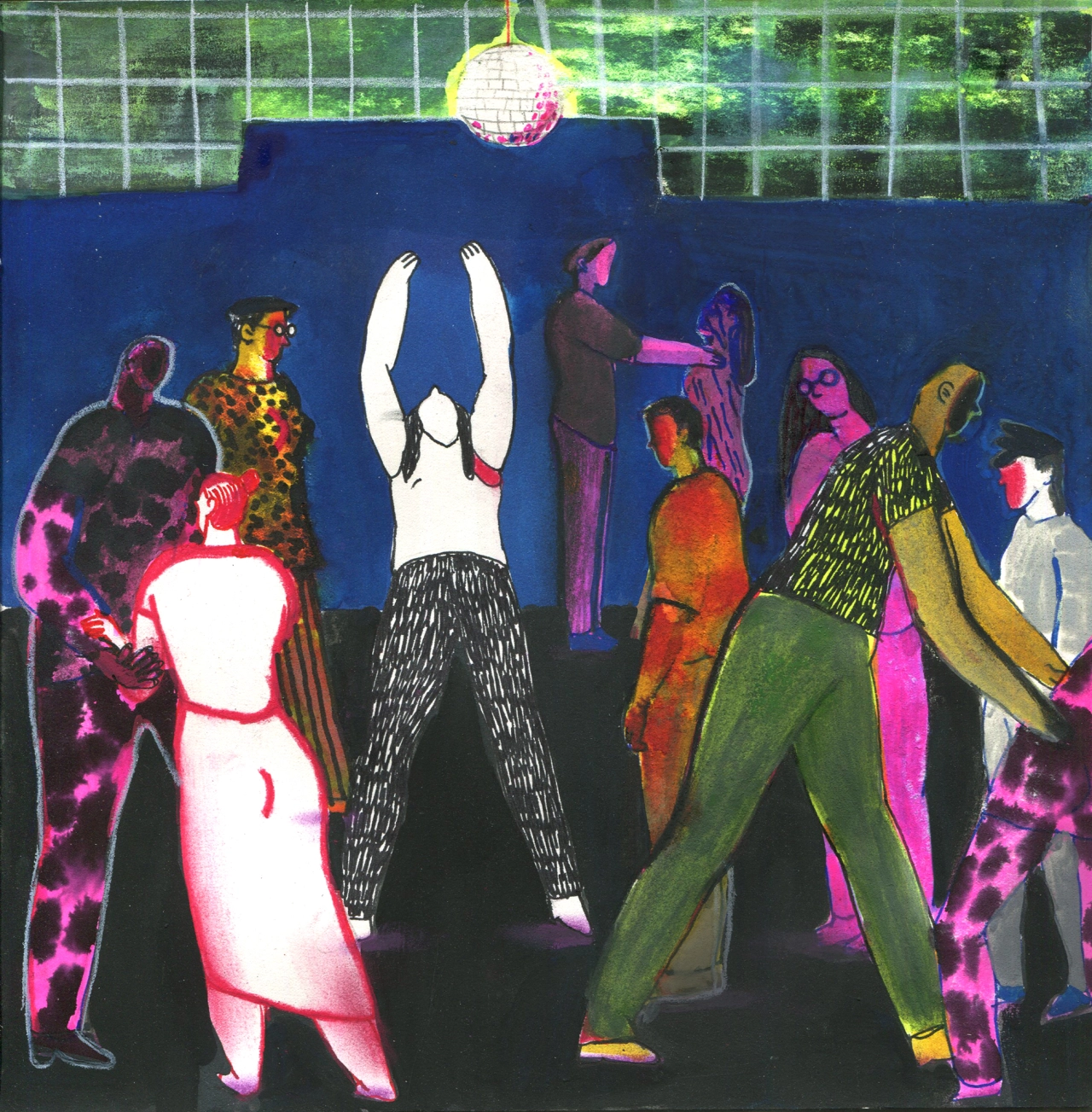
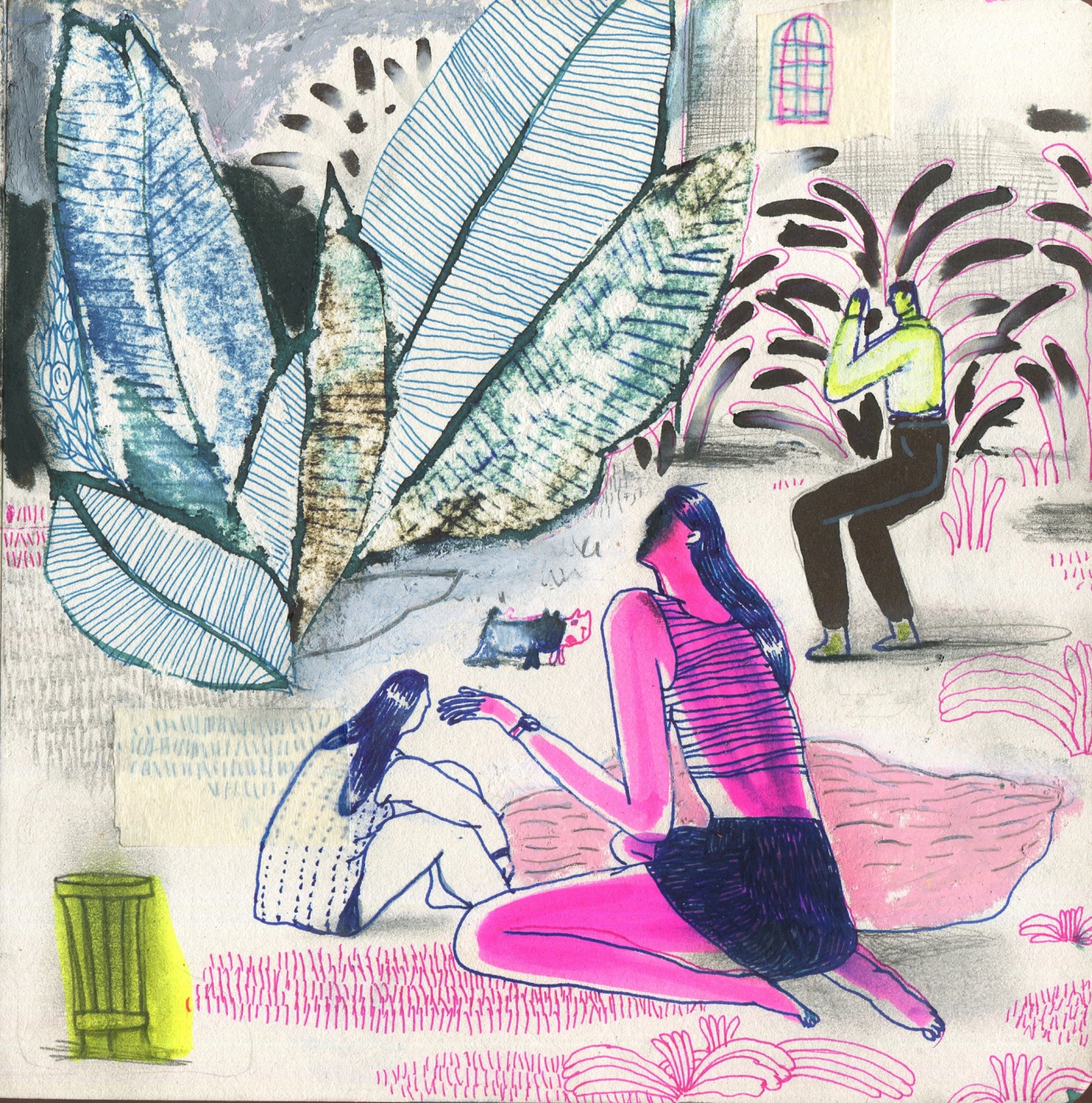
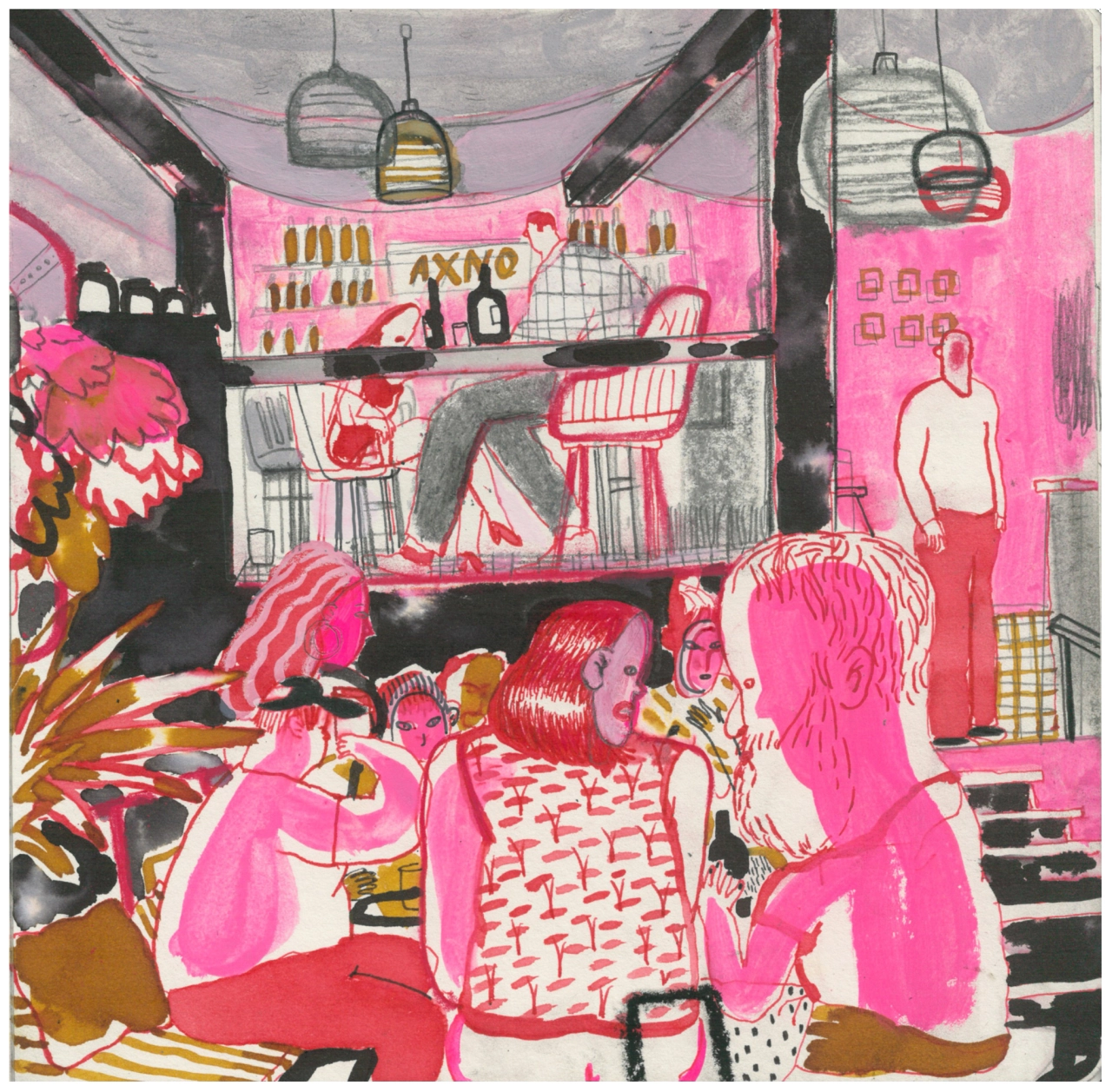
The series sits alongside heavier territory in Varya’s broader work, which touches on themes such as repression, women’s rights, violence, and war. But she’s careful not to let those topics dominate. “I cannot work only with heavy subjects,” she says. “I need breaths of joy.” That balance shows in pieces like her la vie quotidienne series, which trades protest and pain for joy and happiness. “Life itself also occupies an enormous place in my work: ordinary, everyday life in the streets, bars and cafes.”
All in all, Varya isn’t precious about how her work lands – but what we do know is that her work is going to tug a few heartstrings and bring some moments of joy. “I’m happy when people are touched by what I do. Then it feels as if it was not for nothing. I simply cannot do otherwise; what I do fills my life and saves me.”