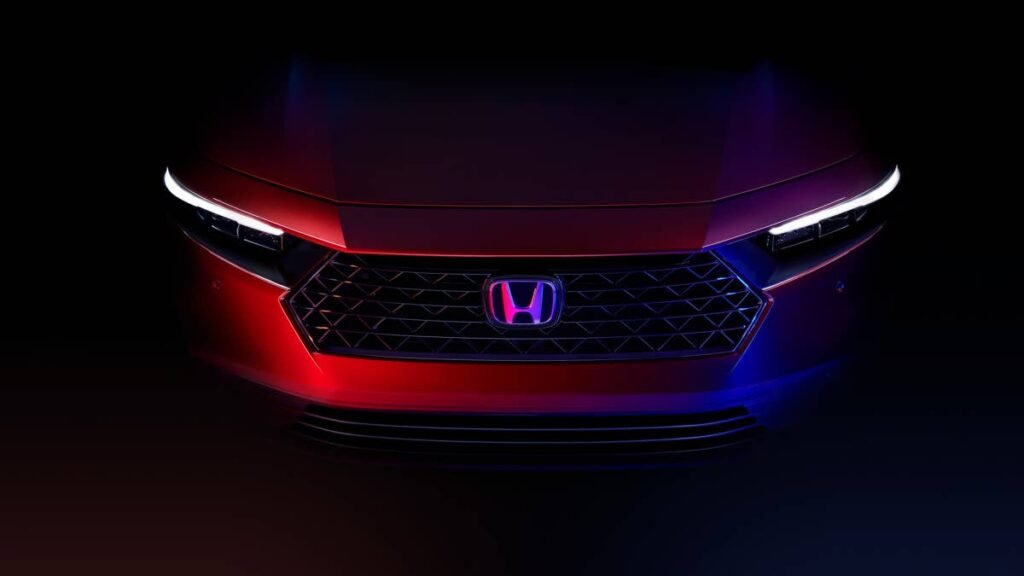
Honda’s whole identity is built on cars that just don’t break. That’s the Toyota playbook too, and it’s why both brands have such fiercely loyal buyers. But Chinese automakers are closing the gap fast with better tech, sharper pricing and faster development cycles. Now, Honda is responding the way a company under pressure usually does: by going after cost. The target is more than $9 billion in supplier savings by 2030, with cuts on some parts running as high as 30 percent. For a brand that sells itself on durability, that’s a strange place to start swinging the axe.
The Big Question Is Where Honda Can Actually Cut
Honda
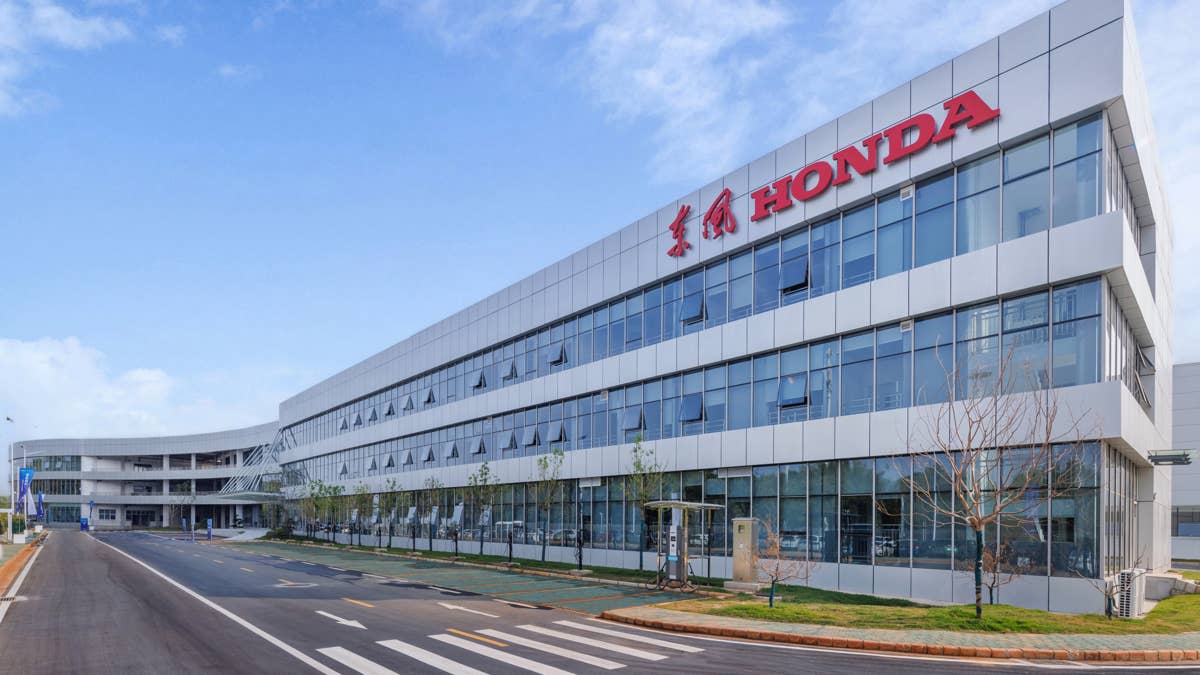
According to internal documents reviewed by Reuters and people familiar with the plan, Honda is planning to push standardized parts and greater use of second- and third-tier suppliers. Chinese suppliers are apparently part of that equation too, with Honda managers encouraging greater use of Chinese-made components where possible. It works out to roughly $2.4 billion in annual savings over the next four years, which is a serious amount of trimming even by automaker standards.
In effect, Honda is trying to beat Chinese automakers at their own game by borrowing some of the cost advantages that helped those companies become so competitive in the first place. The catch is that suppliers reportedly consider Honda’s targets extremely aggressive, raising obvious questions about how much of that $9.4 billion can actually be squeezed out without affecting quality or supplier margins.
Honda’s EV Setback Makes This More Urgent
Cole Attisha
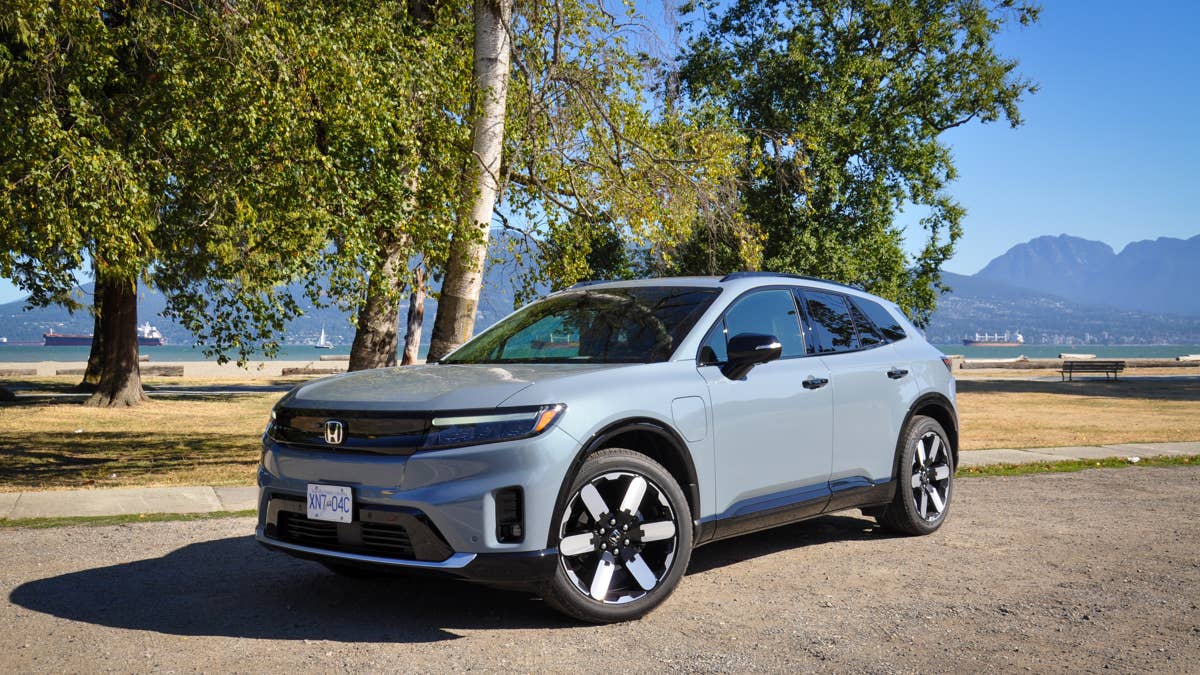
The cost-cutting push comes after Honda’s expensive EV strategy ran into trouble. The company expects its EV-related losses to eventually exceed $12 billion and has shifted its focus toward gasoline-electric hybrids. It also reported its first annual loss as a publicly traded company earlier this year.
That makes the $9.4 billion target look more like damage control. Honda now needs cheaper cars, healthier margins and enough money left over to develop the technology needed for the next generation of vehicles. Meanwhile, Chinese rivals such as BYD continue expanding into markets including Europe. Honda, effectively, is trying to buy itself enough breathing room to catch up.