This story was copublished with Next City, a nonprofit news organization reporting on solutions for more sustainable, accessible, inclusive, and equitable cities.
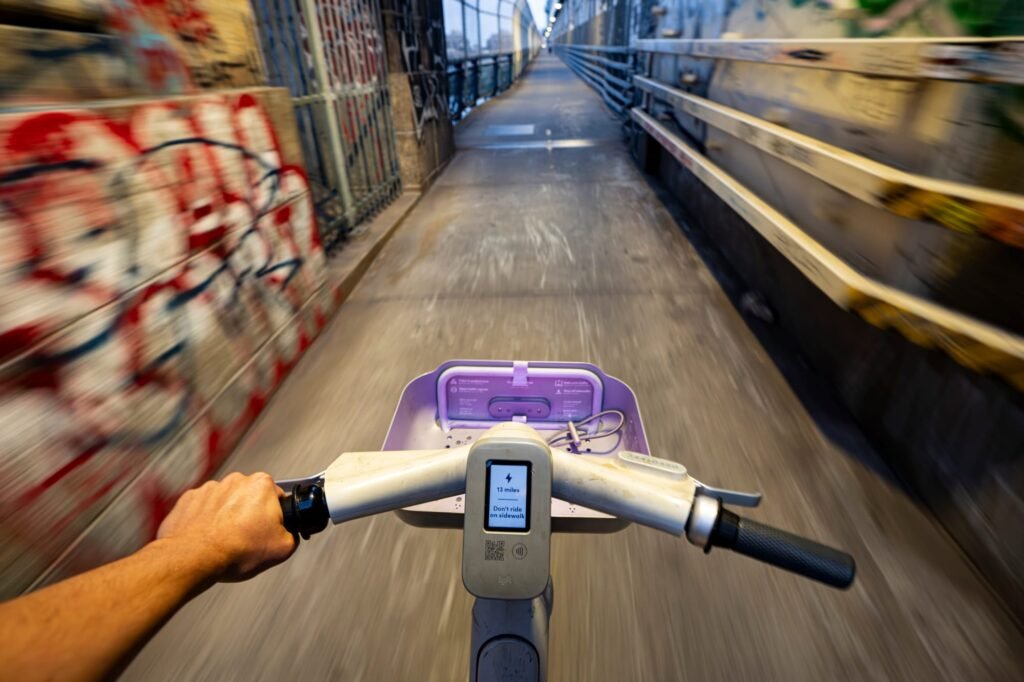
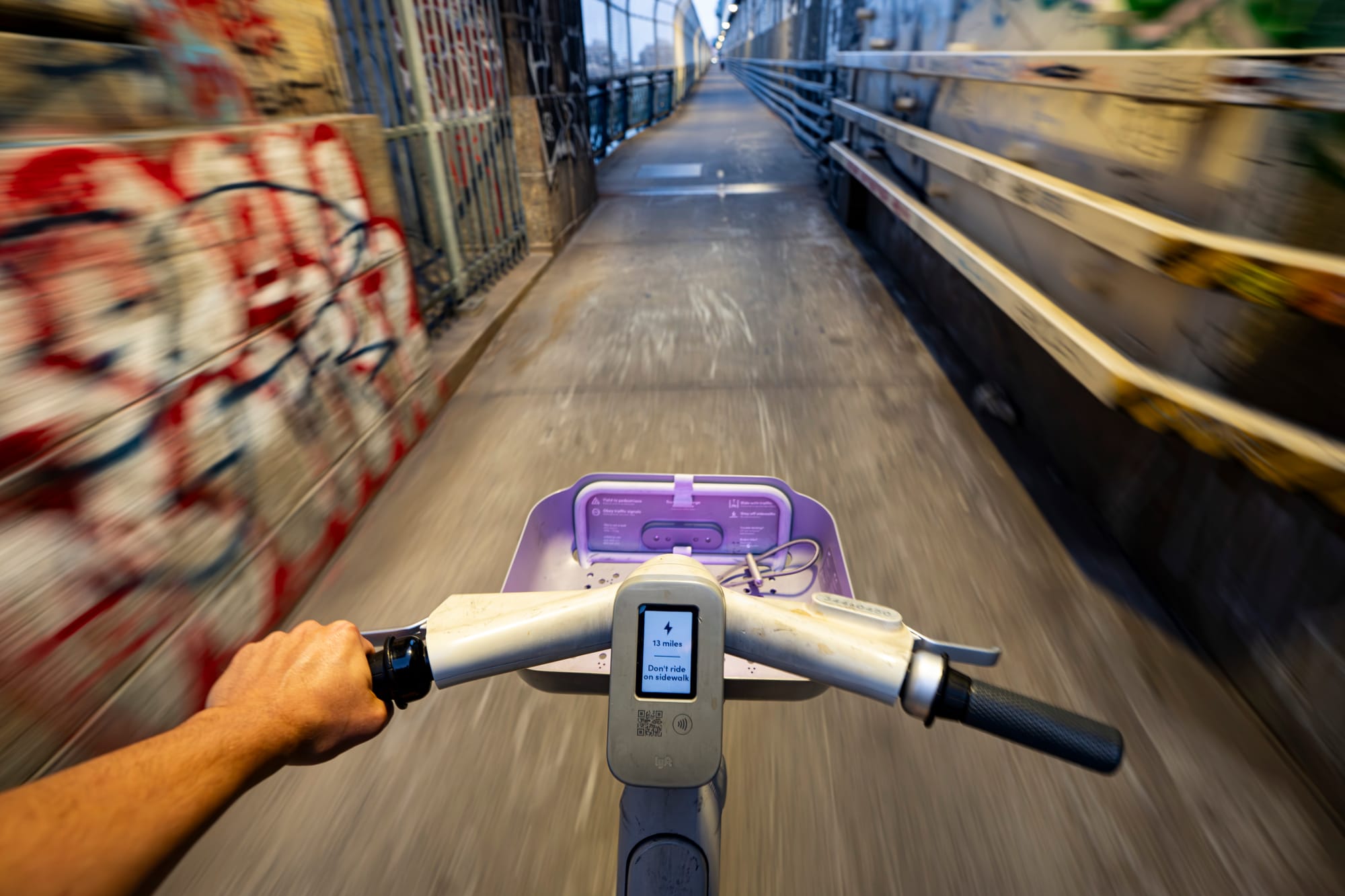
While biking the perimeter of Prospect Park in Brooklyn, New York, on a sunny August afternoon, the pedal strokes are smooth. On the Citi Bike, I ease through all of Park Slope and most of Windsor Terrace, but as I bike through Prospect Lefferts Gardens, also known as Flatbush, tension builds. When I enter the park at Lincoln Avenue, where Flatbush begins, there is a massive shift in my ability to move. It is jarring, and I’m forced to dismount.
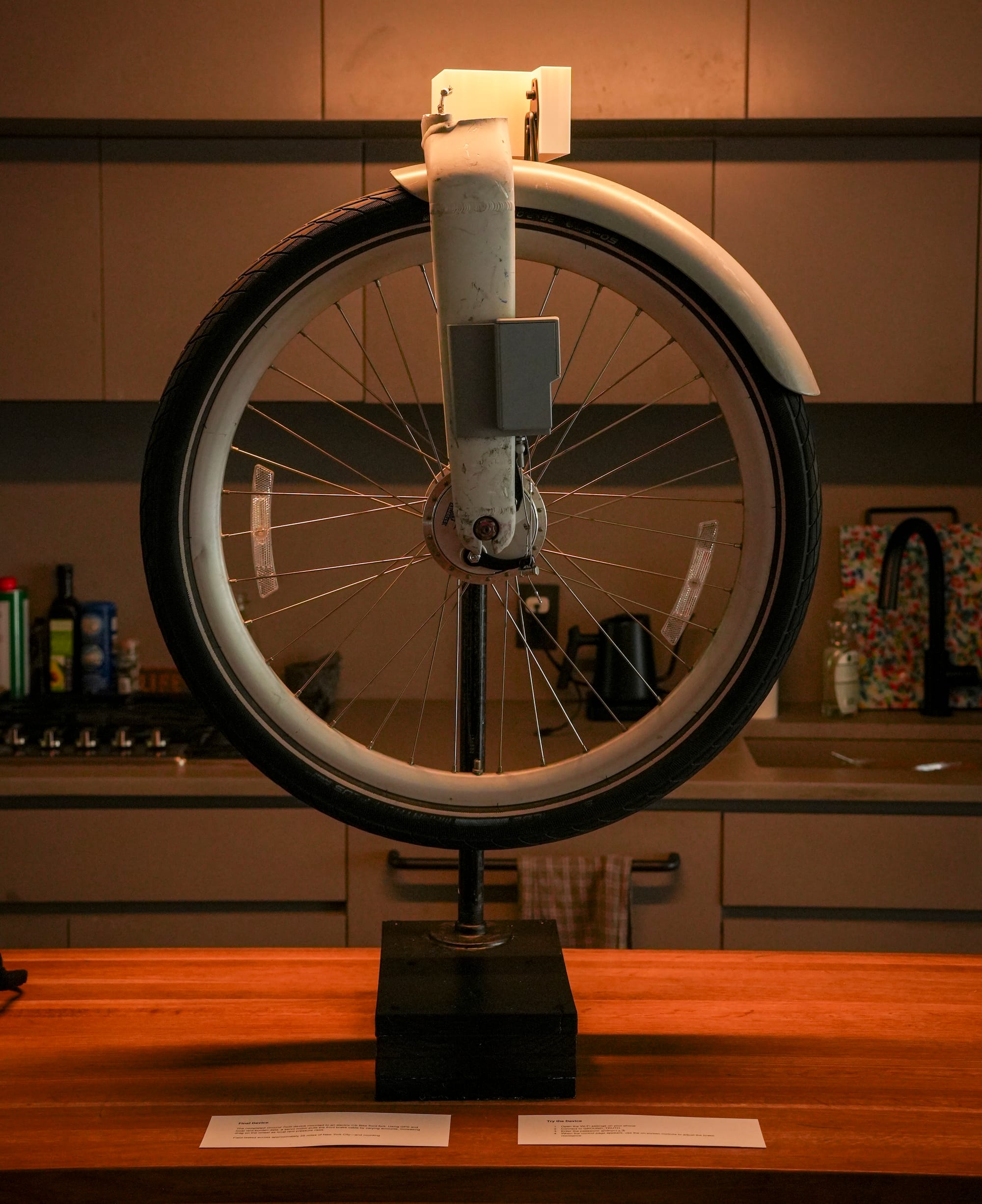
I’m riding around with a device attached to the e-bike that manipulates the brakes depending on the levels of rent affordability in the neighborhood you’re biking through. The device is an artwork called “Ground Truth,” Justin Blinder’s latest creation and part of an exhibition with the same name.
Blinder is a researcher, biker, scientist, and, at his most vivid, an artist. The exhibition explores New York City’s affordability crisis and, through the device, makes the disparities felt on a physical level. While not publicly available, he created the device for both the Lyft manual and e-bikes and has biked over 35 miles across New York City himself with it installed.
The device being mounted to a Citi Bike’s front wheel (video courtesy Justin Blinder)
This work was made possible with money from Idle Hands, an art incubation program founded in 2025 by Linden Renz and Gabrielle Sirkin. Blinder was the Idle Hands Incubation award’s inaugural winner, cashing out $10,000 and loads of professional support to make Ground Truth a reality.