It’s been a rough few years for Mitsubishi, from the U.S. perspective the smallest of the Japanese automotive brands. With a minimal line-up, marginal brand awareness and the discontinuation of the little Mirage, sales took a nearly 14% hit in 2025. But the brand – whose name is Japanese for “three diamonds” – is nothing if not determined.
After a weak launch to 2026, Mitsubishi sales drove into the black in recent months and the automaker is targeting a sharp increase in sales for the full year. Credit a new product offensive that’s at the heart of its Momentum 2030 turnaround plan. That includes a range of new models and product segments, including a midsize pickup due out next year. It also sees Mitsubishi press further into electrification, a technology it pioneered with its quirky little i-MiEV battery-electric vehicle.
Related: Mitsubishi Pajero Returns Next Week With Ladder Frame, Super All-Wheel Control
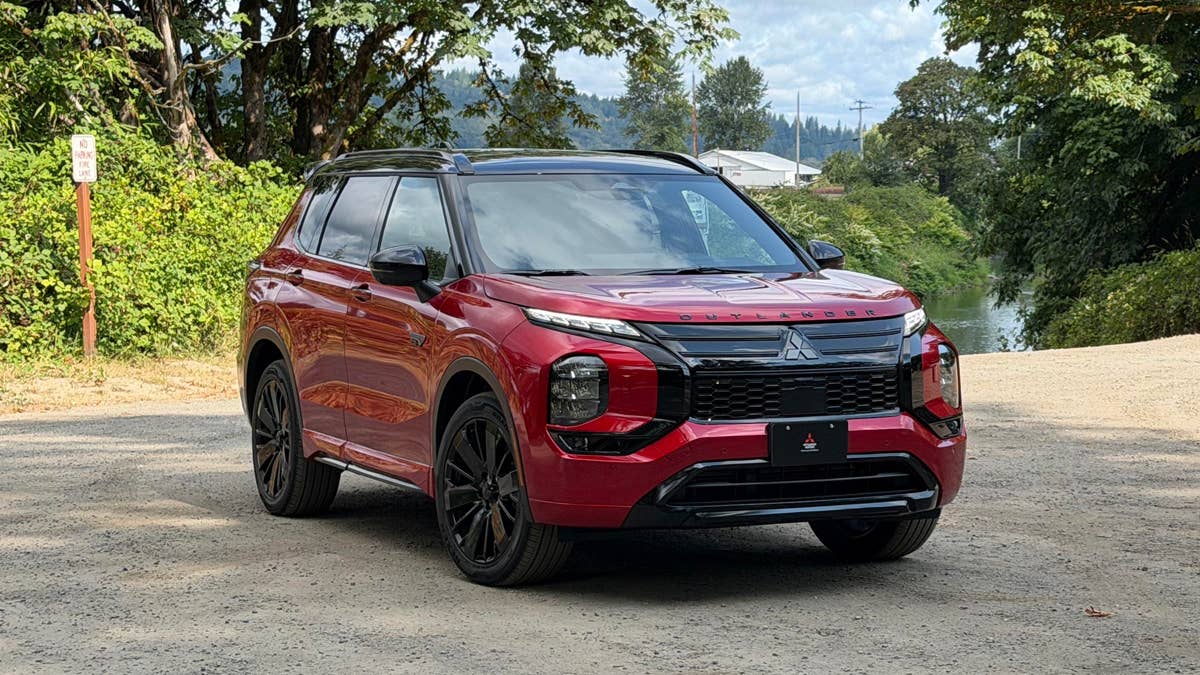
The 2027 model year sees Mitsubishi offer a variety of battery-based packages, three of which we had a chance to drive during a visit to Seattle this month, including updates of both the mild and plug-in hybrid versions of the Outlander SUV, as well as the new, all-electric Eclipse Sportback. Here’s what we found.
Powering Up
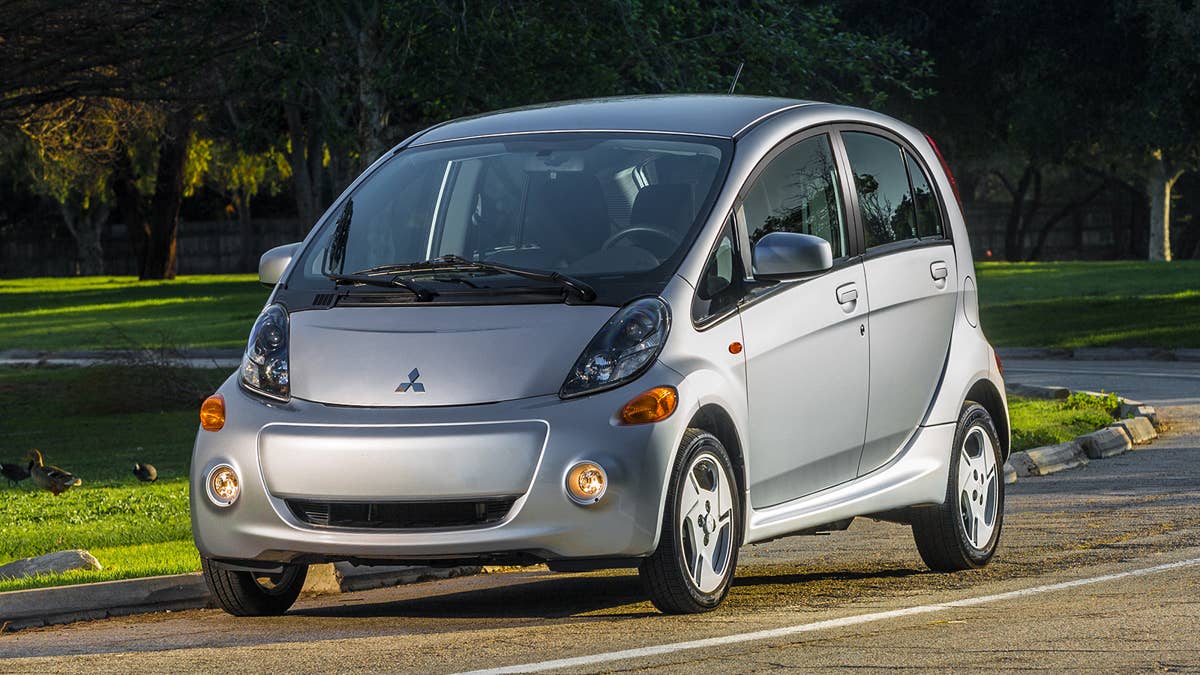
Mitsubishi was an early entrant in the EV market, bringing out the i-MiEV in Japan in 2006. The U.S. version followed in 2011, though it was never more than an asterisk on the sales charts due to its marginal 62-mile range. The automaker pulled i-MiEV out of the market in 2017. The new Eclipse Sportback EV will mark its return to the segment.
In 2013, Mitsubishi launched its first plug-in hybrid, a version of the familiar Outlander PHEV. It debuted in Japan, followed in Europe and ultimately made its move to the U.S. in 2018. For 2026 the Outlander PHEV gets a critical update that, most notably, increase battery capacity by nearly 15%, upping range to 45 miles per charge. Meanwhile, Mitsubishi also is upgrading the mild hybrid option for Outlander, improving fuel economy while also delivering a 25 lb-ft boost in torque.
First Look: 2027 Mitsubishi Eclipse Sportback EV
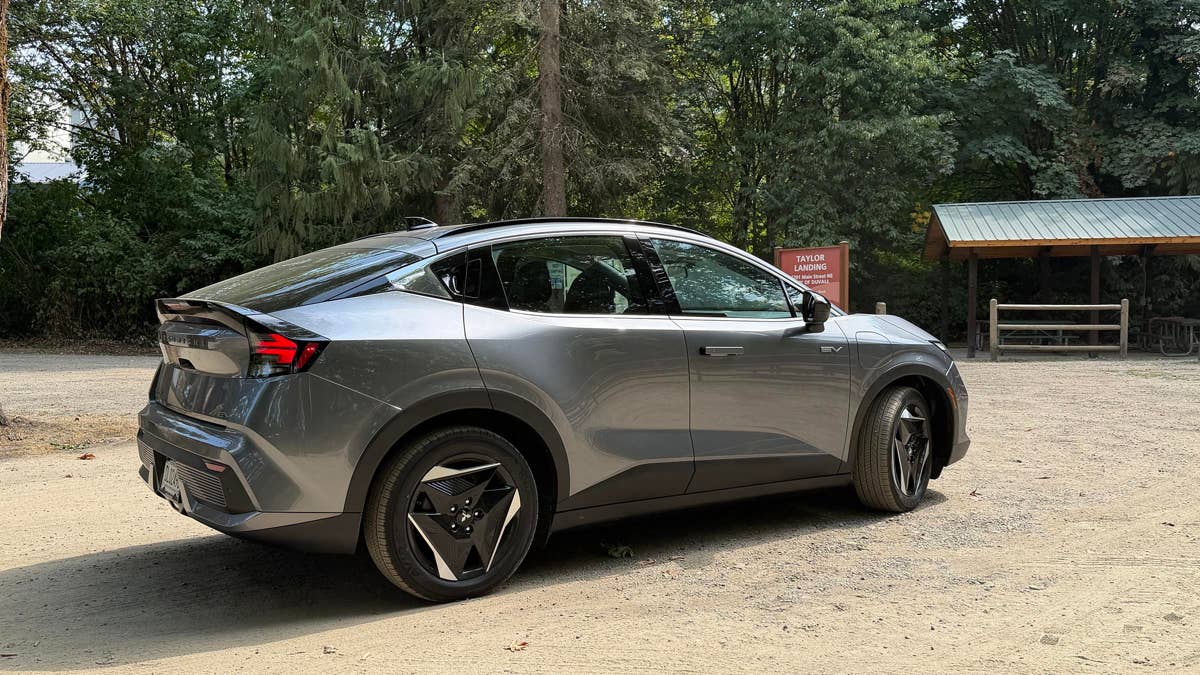
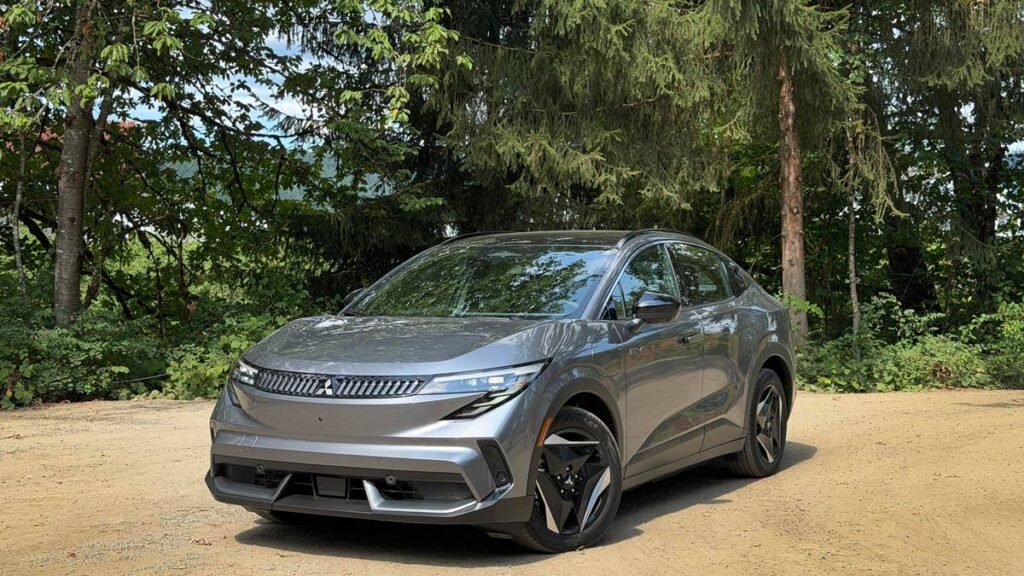
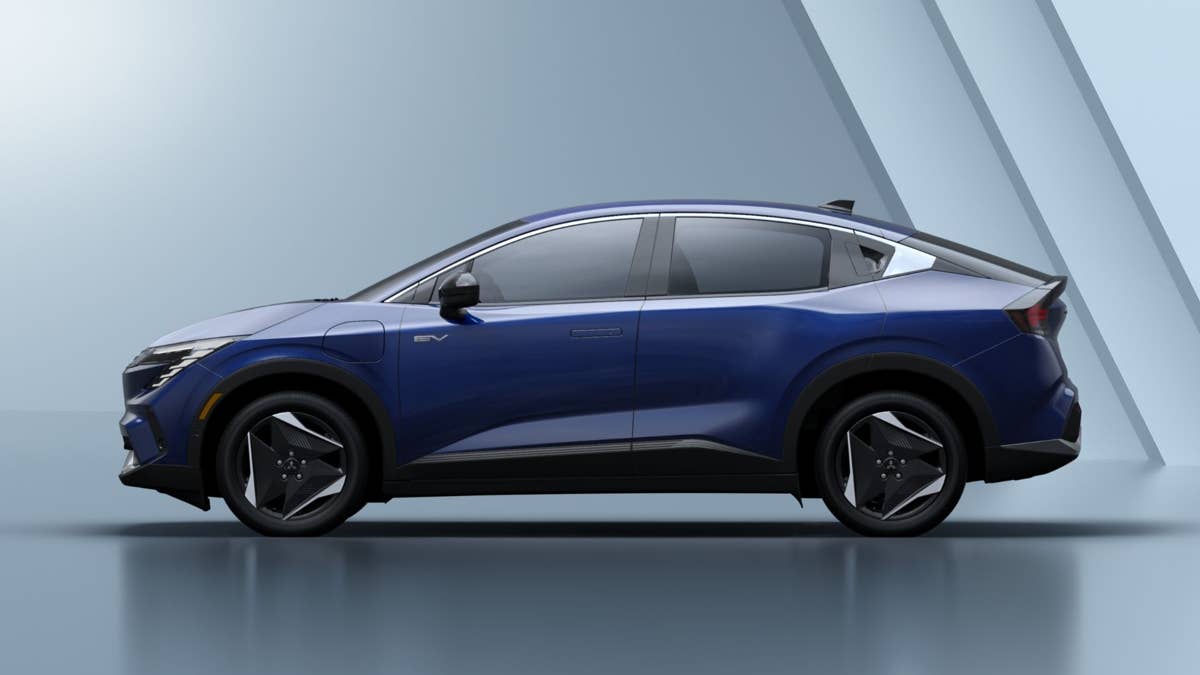
Mitsubishi has a long love affair with the Eclipse badge and, come 2026, there’ll be two models using that name. Don’t confuse the older Eclipse Cross with the 2027 Eclipse Sportback EV, however. The latter nameplate is an entirely new addition to the Mitsubishi line-up. If your first glimpse triggers a sense of déjà vu that’s not surprising. Sportback is the product of Mitsubishi’s alliance with the bigger Japanese automaker Nissan and is based on the familiar Leaf EV.
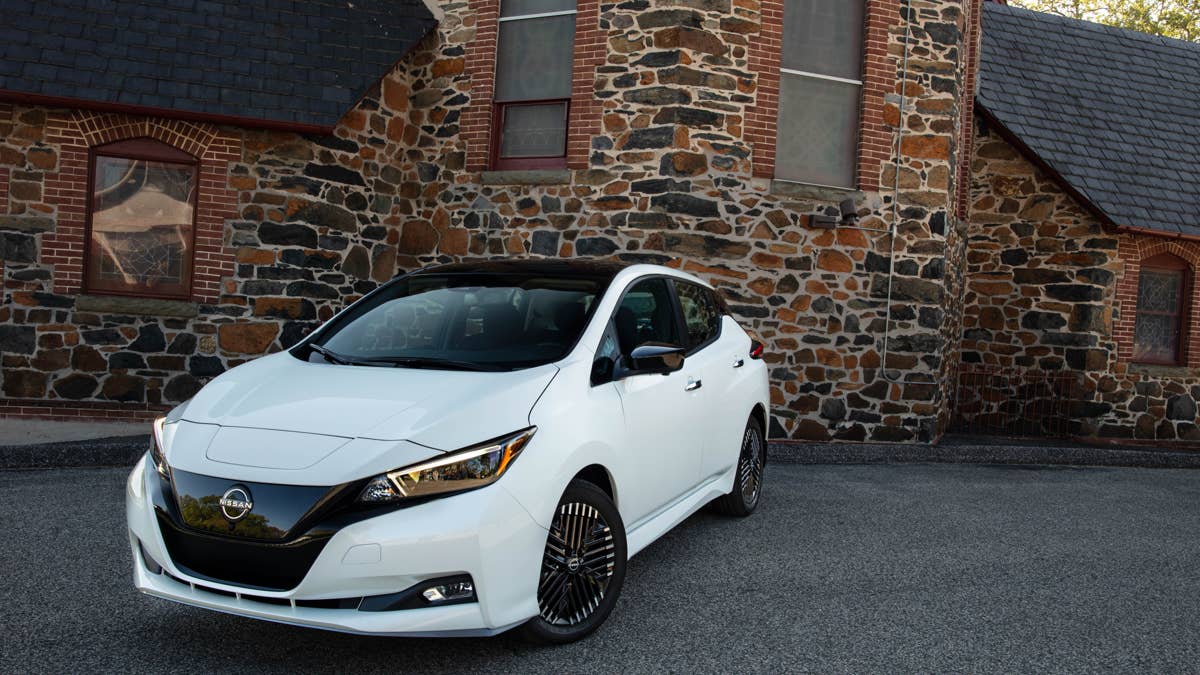
Nissan
There are some key design tweaks – meant to give it a more “athletic” and “dynamic” appearance – starting with the head and taillights, bumpers and grille. There are unique interior details as well, especially on the IP with its dual 14.3-inch gauge and infotainment displays. Significantly, there’s only a single Sportback trim with minimal options available, reflecting the reality that U.S. sales of the EV will be modest, at best. But that means buyers will get some welcome features, including the Google Automotive infotainment system, including navigation voice assistant and plenty of apps available on the Google store. Instead of a conventional moonroof, electrochromic glass allows a motorist to go from transparent to opaque at the touch of a button, providing more headroom than you’d get with a manual or power shade. The fully flat floor, meanwhile, provides plenty of legroom, even for the middle rear passenger – though you’ll only want to squeeze in three adults if you have to. There’s plenty of cargo space, meanwhile, at a factory-rated max 56 cubic feet.
Another plus: Mitsubishi is offering a longer warranty than you’d get with the Nissan Leaf, covering 5 years or 60,000 miles bumper-to-bumper and 10 years or 100,000 miles on the powertrain and battery. It tosses in two years of free maintenance – though there’s not much needed on an EV.
Driving the Sportback EV
Mitsubishi
From a powertrain perspective, Leaf and Eclipse Sportback are essentially interchangeable. They share a single electric motor driving the front axle. It punches out 214 hp and 261 lb-ft of torque. Power comes from a 75-kWh lithium-ion battery that gets an EPA-rated 282 miles of range. Charging up from a 10 to 80% state-of-charge takes as little as 35 minutes using a DC quick charger and you can go from 20 to 80% using a 240-volt Level 2 charger in as little as 6.5 hours. One of the quirkiest features of the Sportback is the fact that it actually has two charge ports, one on either side of the front fenders. There’ a NACS port giving you access to the huge Tesla Supercharger network, a J1772 plug for Level 1 and 2 charging on the opposite side.
Related: Mitsubishi Is Trying A New Way To Sell Cars In America
From a driving perspective Leaf and Eclipse are essentially identical. They’re reasonably quick off the line, though far from the battery-powered rockets offered by some competitors such as Hyundai and Kia. Neither automaker offers acceleration figures but a rough test suggests 0-60 times of around 7 seconds. The ride is reasonably smooth, handling acceptable considering the total mass of the vehicle, with its big battery pack. The two automakers did a particularly impressive job at noise cancellation.
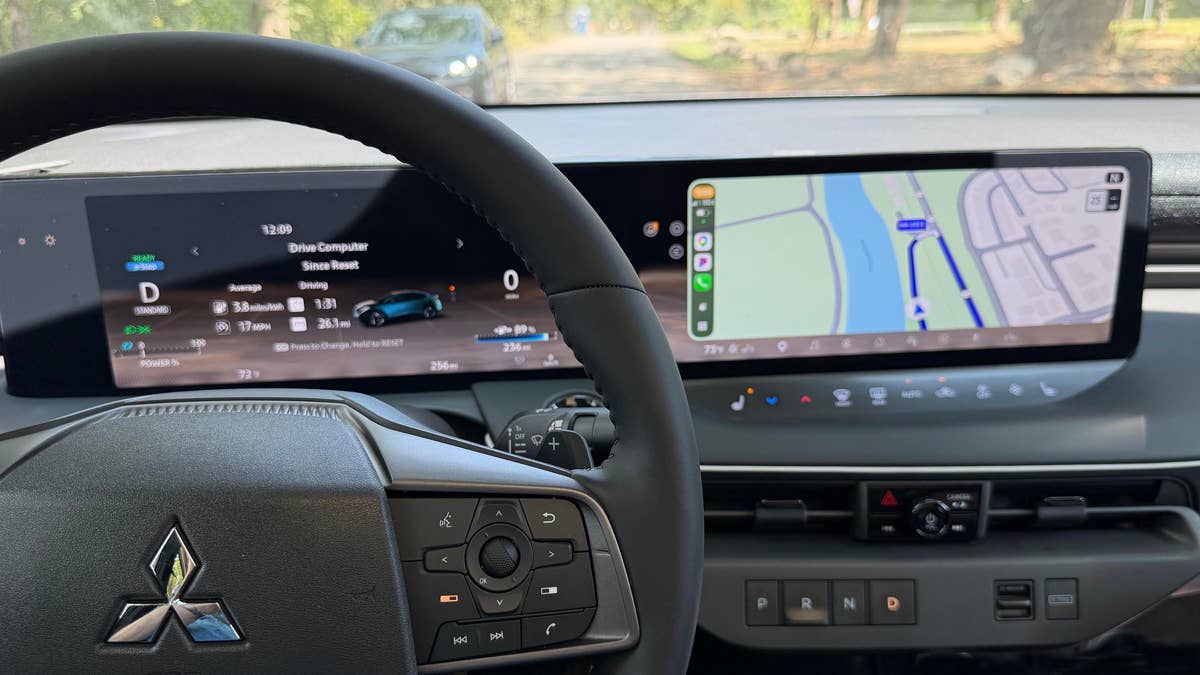
One shortfall: the lag of a true 1-Pedal mode which allows you to slow, and then bring the Eclipse Sportback a complete stop, simply by modulating the brake pedal. The e-Pedal alternative is a less complex regenerative braking system that does slow the crossover down. But at speeds of around 5 mph it effectively fades away and requires you to apply brake pressure. Once stopped it will begin creeping forward, like a vehicle with an internal combustion engine, if you lift off the brake.
Comparing Outlander’s Hybrid Options
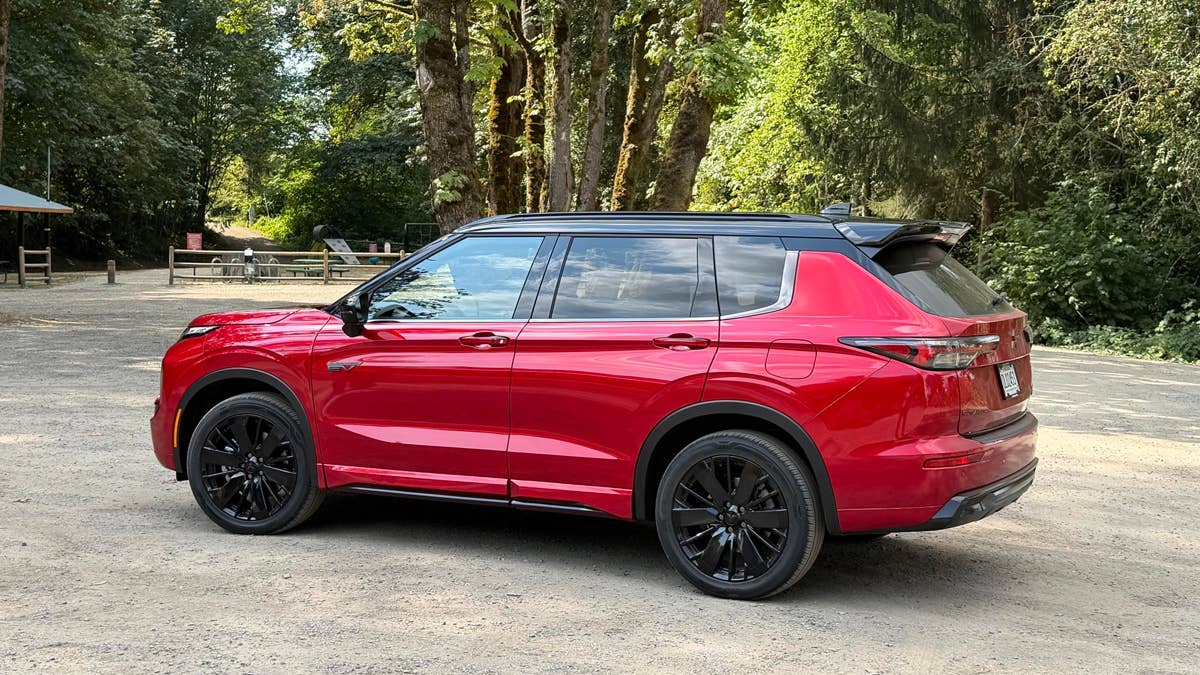
Mitsubishi now offers two options for those who want a bit more mileage and performance out of the Outlander SUV. The mild hybrid replaces the conventional starter and alternator with a BSG – or belt starter generator. This 48-volt system enables a smooth Stop/Start mode when you would otherwise be idling at, say, a light, ATM or fast food line. It also kicks in some additional muscle. Paired with a 1.5-liter turbo-four gas engine, the package develops a peak 174 hp and 206 lb-ft of torque through a CVT gearbox. That’s a 25 lb-ft upgrade for the 2026 model year. The mild hybrid package can be ordered in either front wheel-drive or Mitsubishi’s Super-All Wheel Control system.
The big news is the late 2026 arrival of the upgraded Outlander HEV with its upgraded battery pack powering twin electric motors. It’s jumped from 20 to 22.7 kWh, with range increasing from 38 miles per charge to 45. The other half of the drivetrain is a 2.4-liter internal combustion engine running in the efficient Atkinson cycle. The pairing delivers a combined 297 hp and 332 lb-ft. Mitsubishi claims that you can get an estimated 420 miles on a full tank and charge. For a large percentage of drivers, there’s enough juice in those pouch-type battery cells to handle typical day-to-day chores or commutes.
How Outlander’s Mild and Plug-in Hybrids Compare on the Road
Cole Attisha
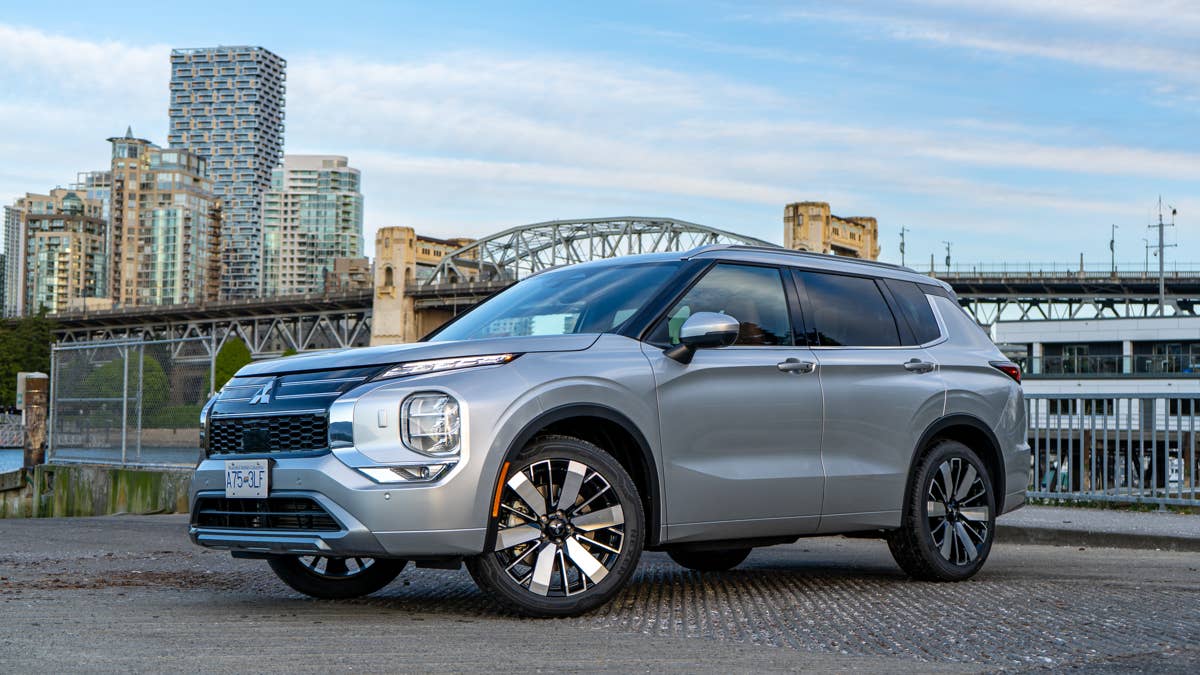
It didn’t take long to discover just how different the mild and plug-in hybrids are on the road. The good news is that the BSG system does give a little bit of a boost off the line in the mild package. That’s critical considering you’re trying to move more than 4,000 pounds of metal with a 1.5-liter gas engine. Virtually all that boost comes on in the initial launch, however. Getting to 60 still takes what we estimated to be about 8 seconds. The mild hybrid isn’t nearly as smooth, or quiet, as the plug-in package, either. Combined with light and relatively numb steering, the mild hybrid is the choice for those on a moderately tight budget – or just view driving as a way to get from Point A to B with the least involvement necessary.
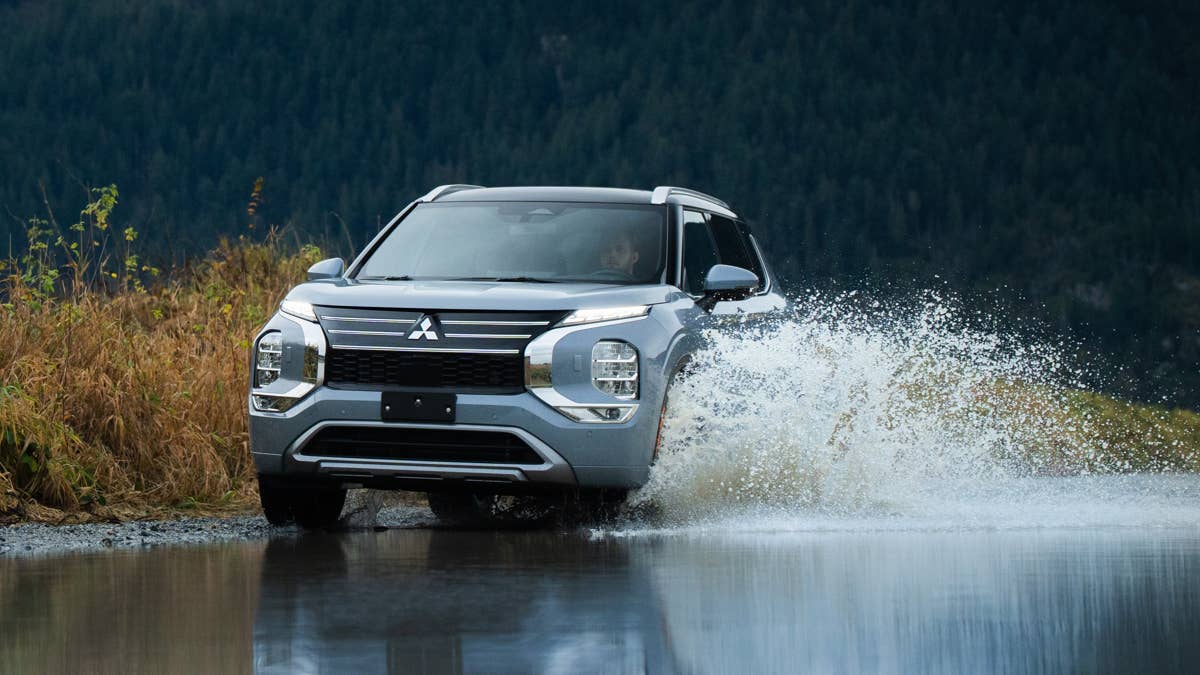
The PHEV has, in a sense, a dual personality. Sure, there are going to be buyers whose primary purpose is to cut fuel bills, operating in all-electric mode as often as possible. They’re likely to switch drive settings to maximize range and then go light on the throttle. But other buyers are going to take advantage of the instant torque electric motors deliver, even as the ICE side of the powertrain is revving up. By our estimate, 0-60 times appear to be in the mid-6-second range, enough to amp up Outlander’s fun-to-drive factor substantially. The PHEV, it should be noted, comes exclusively in all-wheel-drive, a plus for drivers in wet and snowy climes. Even with the more aggressive acceleration, meanwhile, we found the plug-in Outlander to be quieter and more confidence-inspiring than the mild hybrid alternative.
Pricing and Availability
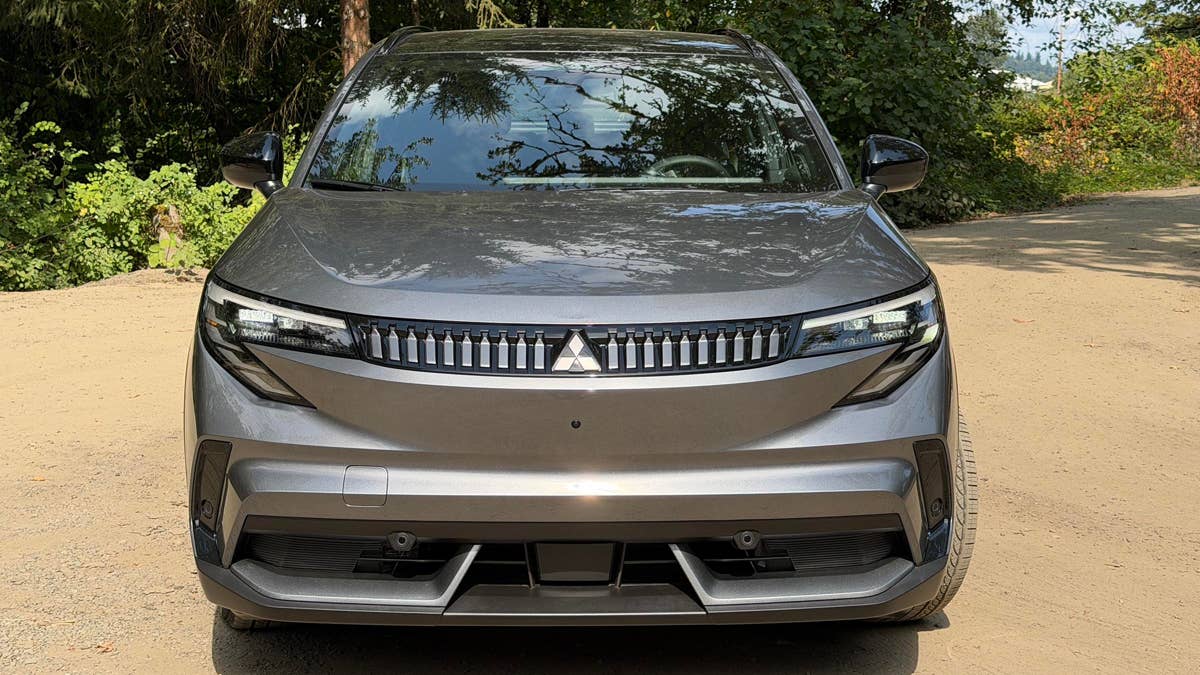
We’ll have to wait for final pricing on the 2027 Mitsubishi Eclipse Sportback. Based on a comparably equipped version of the Nissan Leaf it’s likely to come in somewhere between $33,000 and $36,000. The longer warranty and included maintenance could be a selling point for some buyers – though the more limited availability of Mitsubishi dealers might be a deal-breaker.
Depending upon trim and options, expect to pay somewhere between $45,000 and $56,000 for the 2026 Mitsubishi Outlander PHEV, with the mild hybrid option running from around $30,000 to $32,000. Add $1,745 for destination fees to all these figures.