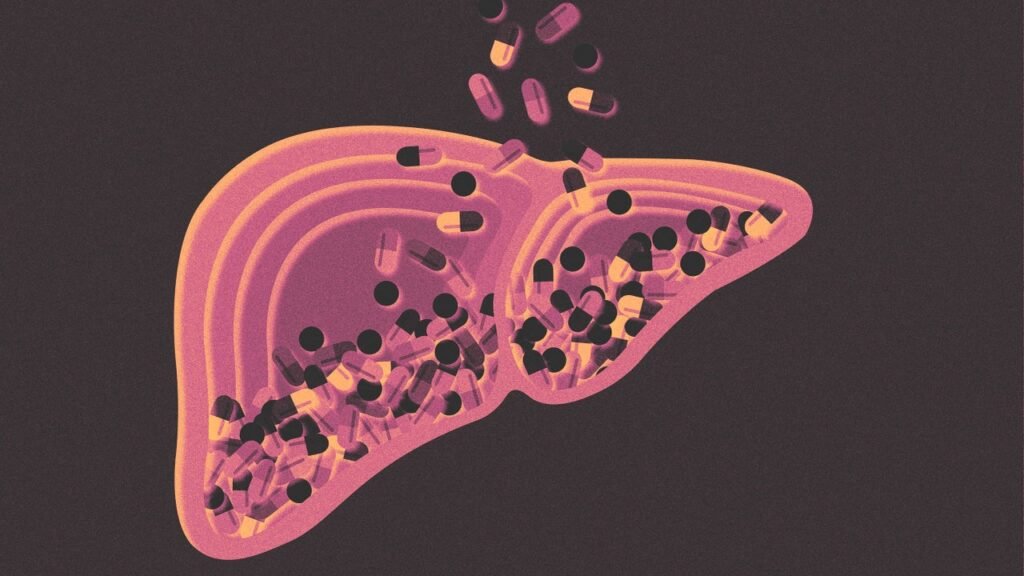
A new study showed a 400% increase in liver injuries linked to medication and substances over the past 25 years.
But the standout substance wasn’t alcohol. It was acetaminophen—the main ingredient in Tylenol.
The study—led by Christopher P. Holstege MD at University of Virginia Heqlath’s Blue Ridge Poison Center—identified 220,160 cases of liver injury caused by “xenobiotic,” or foreign substances not naturally found in the body.
The results showed that liver injury cases skyrocketed from 11 per million to 53 per million. A majority of drug-induced liver damage patients required hospitalization—85% for men and 94% for women.
What’s the damage?
Your liver breaks down acetaminophen as it works through your system. A small percentage of the drug is broken down into a toxic byproduct called NAPQI, which your liver fights with glutathione molecules.
But when you ingest too much acetaminophen, your liver can’t produce enough glutathione to handle the excess NAPQI.
The byproduct builds up in your liver and can cause abdominal pain, nausea and vomiting, unusual bleeding, and even liver failure. It can often happen when patients take multiple acetaminophen-containing medications.
Acetaminophen is in hundreds of drugs, including Tylenol and cold medicine. Often, people don’t realize medicines they take contain the drug and accidentally double up.
Overconsumption can be the most threatening on an empty stomach. In the worst cases, it might require a transplant.
While taking too much Tylenol can be harmful for anyone, people with existing liver disease and who frequently drink alcohol are also at a higher risk.
Doctors advise patients to check the labels on their medications to ensure they aren’t doubling up on the drug.
In 2011, the Food and Drug Administration (FDA) recommended discontinuing dispensing combination prescriptions with more than 325 mg of acetaminophen, and cases involving acetaminophen-containing drugs decreased by 85%, according to the study.
“We have studied this topic for decades and know that when taken as directed, according to the package label, Tylenol (acetaminophen) is safe and effective and does not cause liver damage,” a Tylenol spokesperson told Fast Company when reached for comment. “We work across the industry and with healthcare organizations to bolster education with consumers and healthcare professionals on the importance of safe and responsible use of over-the-counter medicines.”
Alcohol was a close second
While acetaminophen alone remains the leading contributor to liver injuries reported to poison centers, alcohol isn’t off the hook. The study showed it was the second-leading cause of liver injury—but by a distance.
Other causes of liver injury included street drugs, stimulants, and dietary supplements.
“Xenobiotic-induced liver injuries reported to U.S. poison centers have steadily increased,” said Holstege in a statement. “The public should be aware of potential liver injury with various substances that are readily available to consumers.”