High Stakes
It’s no overstatement to say that Ford’s new affordable EV pickup, the Fathom, is an important model; a lot is riding on its success, as the brand is prior to launch. A lot has been going on behind the scenes to get the soon-to-be-launched under-$30,000 truck into production.
The brand’s Louisville Assembly plant, a vital part of its manufacturing sector, is being prepared and retooled to begin Fathom’s production.
Fathoming Production
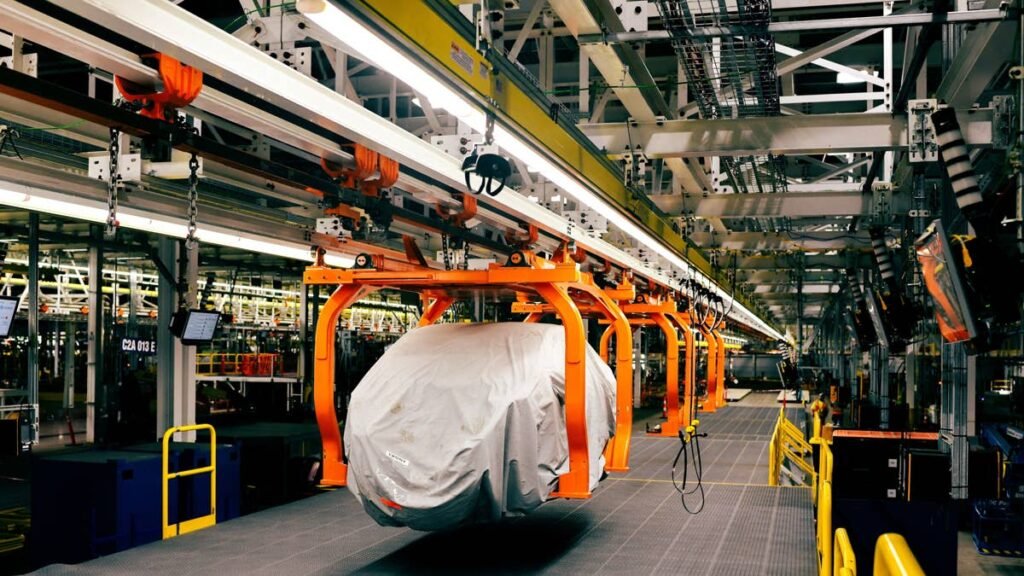
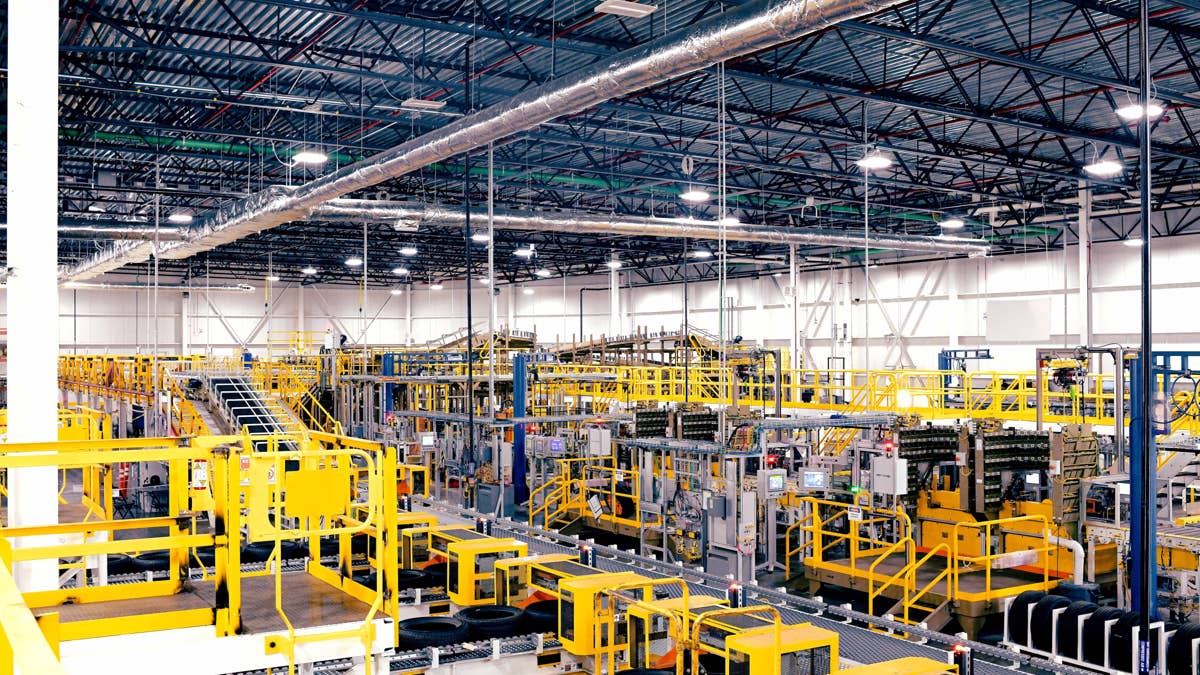
The Louisville Assembly Plant (LAP) is a massive, sprawling 3-million-square-foot facility, and it has taken over a year of production stoppages and retooling to get it set to build the all-new Fathom. It used to be a production hub for gas-powered vehicles, with Ford opting to change it up for the Fathom, spending $2 billion on the overhaul.
It took workers months to clear the facility, and by February of this year, all that was left was the factory itself. It was essential that the plant’s old innards gutted, because Ford needed to put in place the production system for the completely new Universal EV Production System (UEV), which will deliver the Ford Fathom midsize electric truck at scale next year. The total investment and retooling for the brand helped create 4,000 new jobs and funded new purpose-built equipment essential to the UEV production system. UEV will see the traditional production line transform into what they call an “assembly tree,” enabling skilled men and women in production to build key vehicle sections in parallel before joining them into one body.
Ford
Close to Production
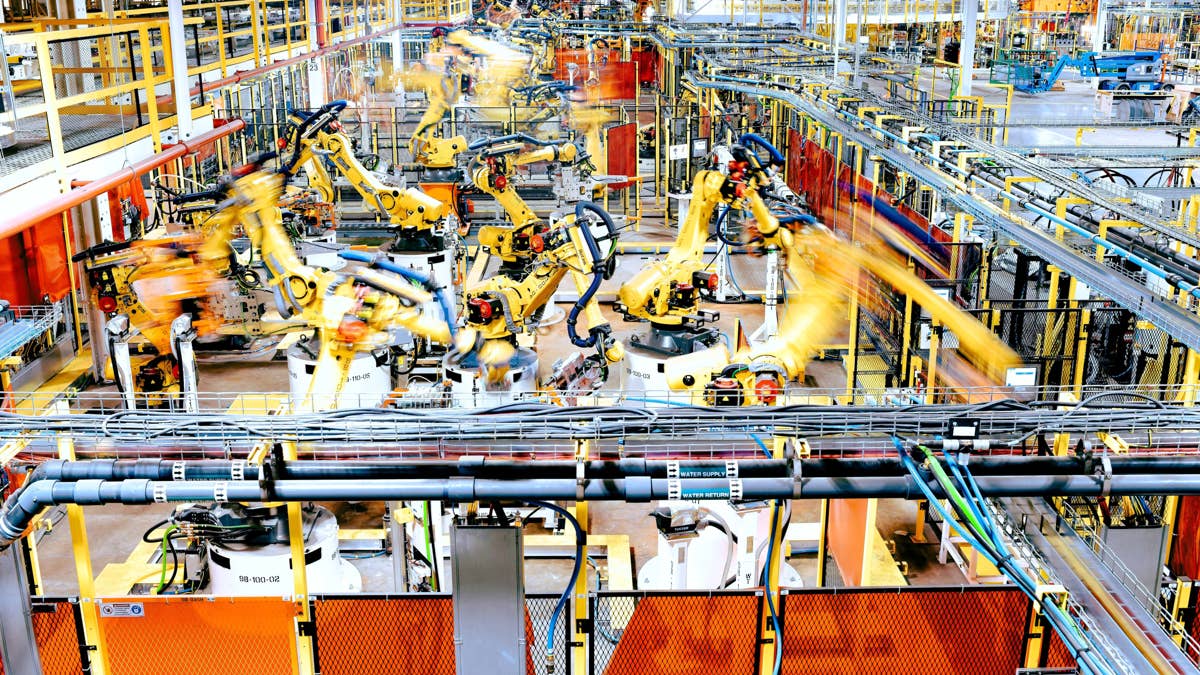
The components of the truck have also been separated along the production line, specifically the front clip, rear clip, and battery. The three main sections of the body marry together only when the bulk of components are already installed. This is possible through the new use of large unicastings, in which a single large aluminum casting replaces what was once dozens of individually stamped and welded pieces.
At the current breakneck pace of LAP’s transition, the teams and workers will be ready to begin building prototypes of the Fathom that have qualified parts by early 2027, with actual production units for customers set to arrive by the latter part of the year. According to Ford, the installation and implementation of the UEV system will allow them to assemble the Fathom 40% faster than the current LAP products.
Ford