The Homegrown Hypercar Goes Topless
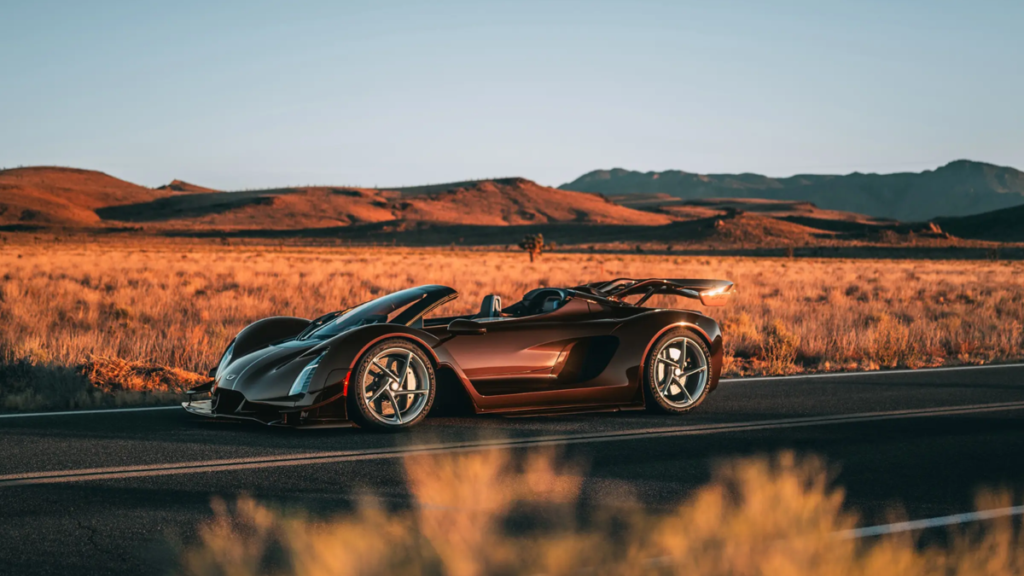
Unlike Europe, which has Koenigsegg and Pagani, America does not have a long list of hypercar brands. It does have Czinger, a California-based automaker showing plenty of promise in the performance space with the 21C HDF and 21C VMax. This time, though, Czinger is not solely focused on lap times. Instead, it is embracing the open-air experience with the 21C Spyder.
The 21C Spyder could appeal to a different kind of collector and help Czinger broaden its audience. Traditionally, open-top variants involve some performance compromises, especially compared with the 21C HDF’s high-downforce package and the 21C VMax’s longtail configuration, which prioritizes top speed. However, the automaker says performance does not take a major hit in this new configuration, and the numbers back that up.
The Numbers Are Still Ridiculous
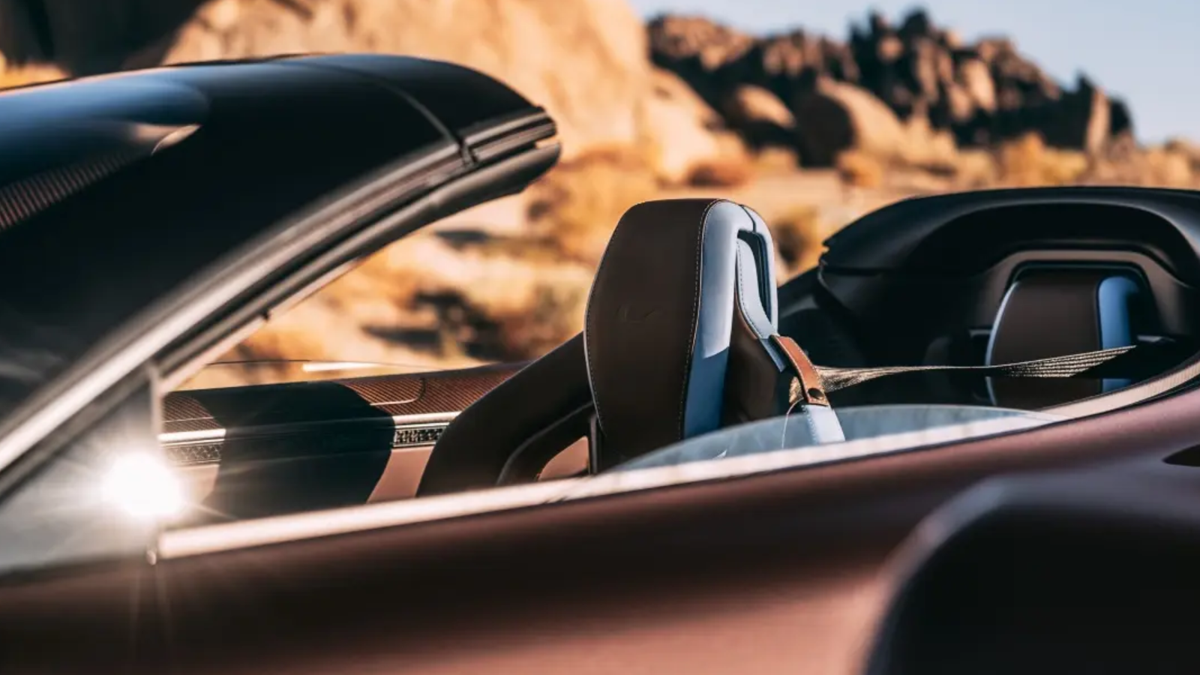
The 21C Spyder has a dry weight of 3,571 pounds, making it only 22 pounds heavier than the 21C HDF. With its removable roof installed, it matches the 21C HDF’s 3,307 pounds of downforce at 150 mph. The latest variant also shares the high-downforce variant’s claimed performance figures, including a 1.9-second 0-to-60-mph time, a 205-mph top speed, and an 8.7-second quarter-mile.
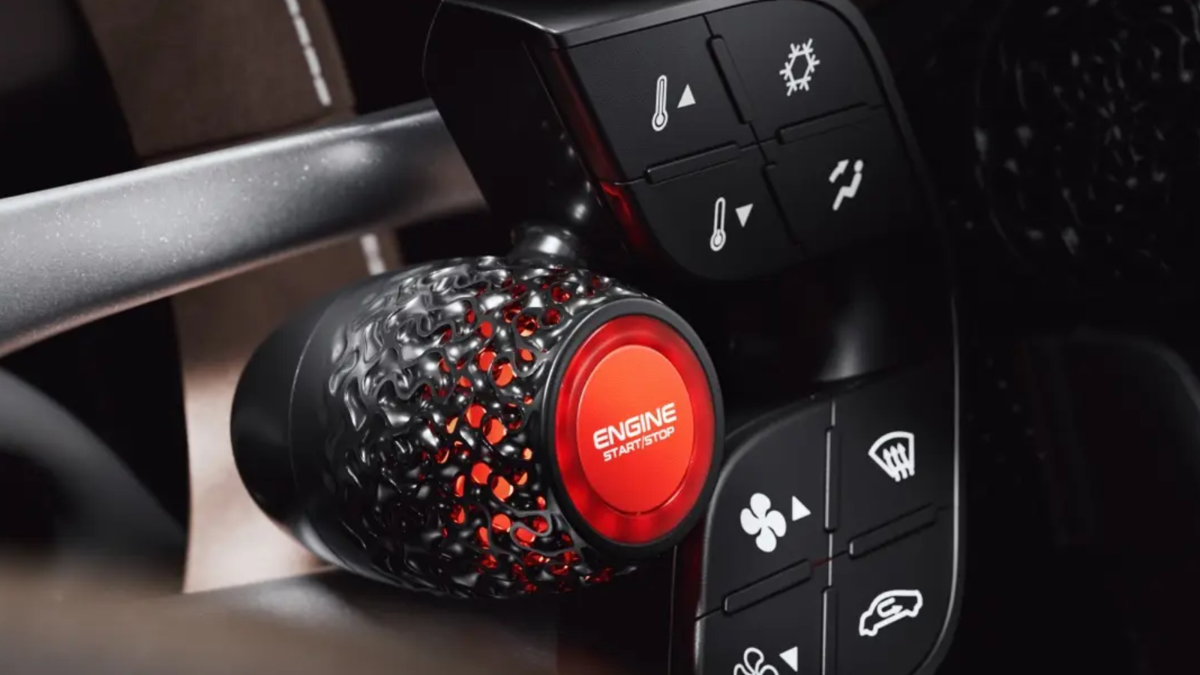
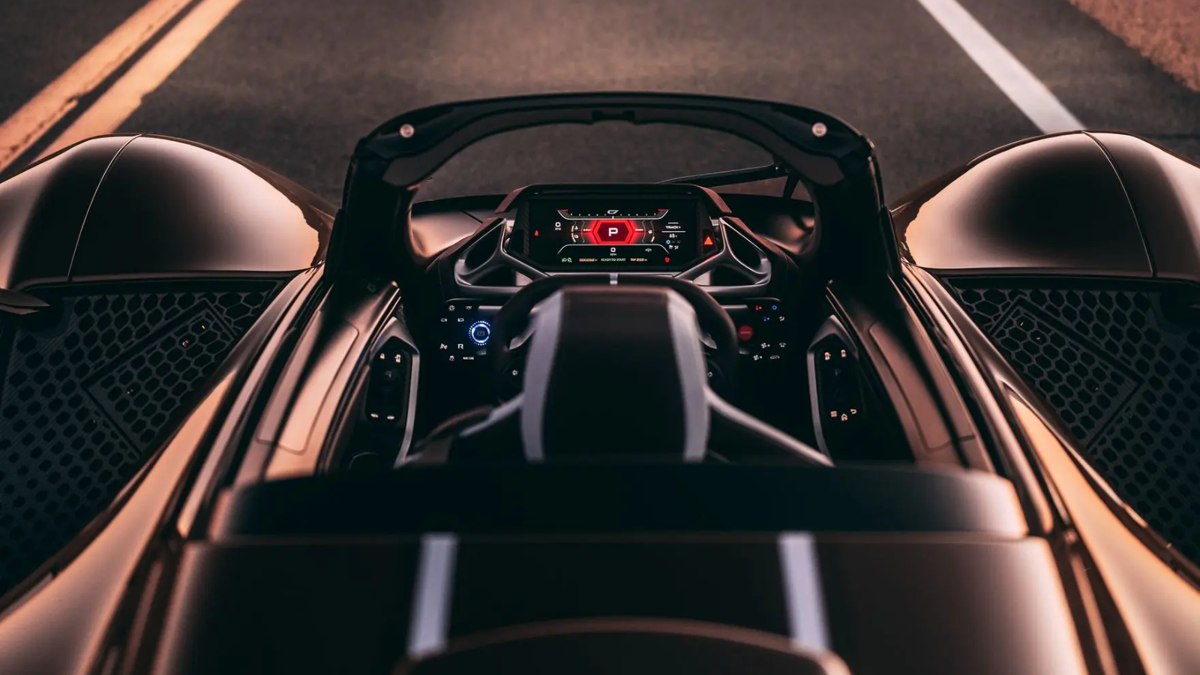
Czinger is also introducing NeuralNode and BrakeNode in the 21C Spyder. NeuralNode is a 3D-printed, exoskeleton-like dashboard structure that integrates the instrument panel, air vents, and various controls into one lightweight assembly, strengthening the cabin’s fighter-jet-like feel. Meanwhile, BrakeNode is a 3D-printed aluminum component that combines the brake caliper, suspension upright, and internal brake-fluid passages into one unit. It can also be retrofitted to the 21C HDF and 21C VMax.
Developed using technology from Czinger’s parent company, Divergent Technologies – which also supplies components for the McLaren W1 – the 21C has a 276-pound chassis, 23% of which is 3D-printed. Its hybrid powertrain combines a 2.88-liter twin-turbo V8 with electric motors to produce 1,250 horsepower.
The Cost of Going Roofless
Czinger plans to produce only 30 examples of the 21C Spyder, each starting at $2.75 million.
The 21C has a long list of records supporting its performance credentials, including production-car benchmarks at Laguna Seca Raceway, Circuit of the Americas, and the Goodwood Festival of Speed Hillclimb in 2024. It was also spotted testing at the Nürburgring in Germany earlier this year, though it has yet to set an official lap time there. For now, the Ford Mustang and the Chevrolet Corvette are still battling for bragging rights as America’s fastest road-going car around the Green Hell.