Autoblog aims to feature only the best products and services. If you buy something via one of our links, we may earn a commission.
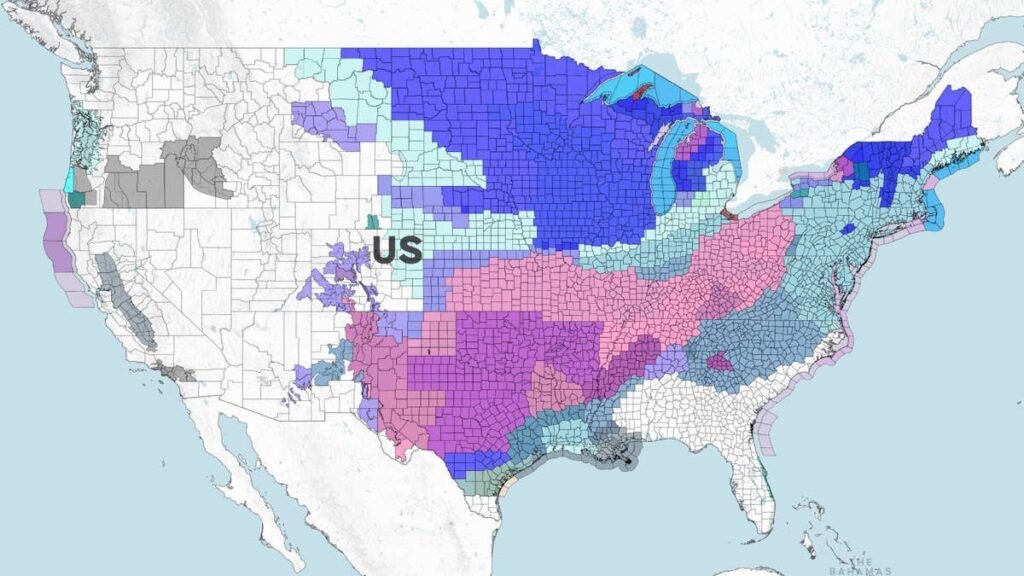
NOAA has released its first outlook maps for the upcoming winter months. The early findings point to snow shifting south across much of the country, onto highways and drivers that see it least, with the busiest stretch of the season running January through March.
The Danger Is Where Nobody Expects It
NOAA’s snowfall map, built from decades of winters like the one ahead, shifts the load away from the highways that handle snow every week and onto the ones that see it a few times a year, and the winter outlook backs it with a wet lean across the South from December through February.
That is why the most dangerous mile of this winter will not be on Donner Pass, where everyone expects snow, carries chains and knows the drill. It will be on a Texas panhandle overpass or an Atlanta interchange during the one storm this pattern sends. A few inches there do more damage than a foot in Buffalo: nobody has winter tires, road crews run thin equipment, and every bridge freezes before the pavement around it.
If you drive the South this winter, the win on a snow day is not driving at all. If you must, go slow enough to feel boring, leave triple the gap you think you need, stay off the brakes on bridges, and remember that all-wheel drive helps you go but does nothing to help you stop.
A Driver’s Calendar for This Winter
The logic is simple: the pattern peaks around the turn of the year, and the atmosphere cashes it in over the weeks that follow, which is why winters like this start slow and finish loud, sometimes as late as March.
- December: the quiet month is the deadline, not a reprieve. Book the winter tire changeover before the first storm fills every shop, check that pressures come up as temperatures fall, and swap in winter washer fluid before the first freeze turns the summer mix to slush on the windshield. Add a snow brush to the door pocket now, because clearing the whole car, roof included, is the rule: several states ticket for riding with a snow cap, and a sheet of it letting go at 70 mph is how following cars end up in the median.
- January: the storm track hits full strength across the Southwest and southern Plains. The storms ride in behind sharp cold fronts, temperatures can fall 30 degrees in hours, and gusty winds blow snow across open stretches of I-40 just as the wet road freezes. Build slack into the schedule and treat every clear cold morning after a storm as black ice until proven otherwise.
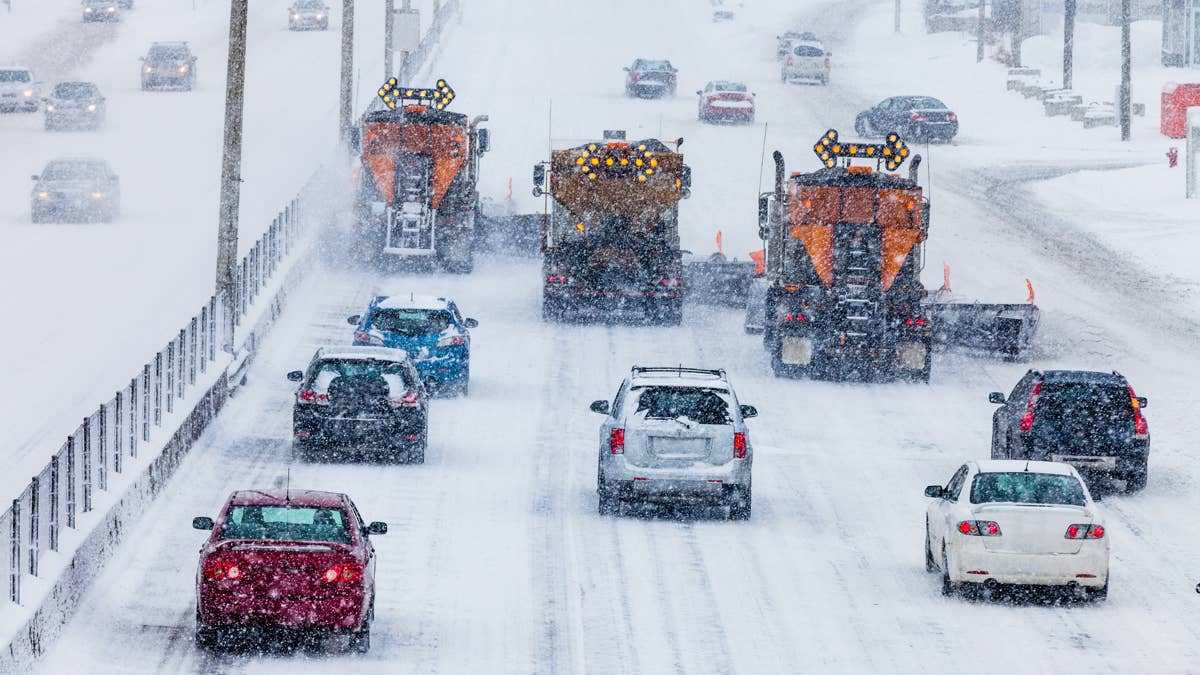
- February: peak month on the East Coast, with coastal storms in this pattern delivering two to three big snowstorms in an average season. When one is inbound, the smart move is shifting the trip by a day rather than beating the storm by an hour, and around the plows, stay well back and never pass on the treated side. In falling snow, run low beams: high beams bounce off the flakes and blind you with your own light.
- And even March: the trap month. The late-season outlook keeps moisture flowing across the southern tier into spring, and last season buried Colorado’s mountains in March. Do not swap the winter tires off at the first warm week, the mountain passes will not be done.
The pattern rewards the same habit everywhere: check conditions before you commit, not after. Every state’s 511 system is free, and this winter the states that need it most are the ones where drivers have never dialed it.
Getty Images