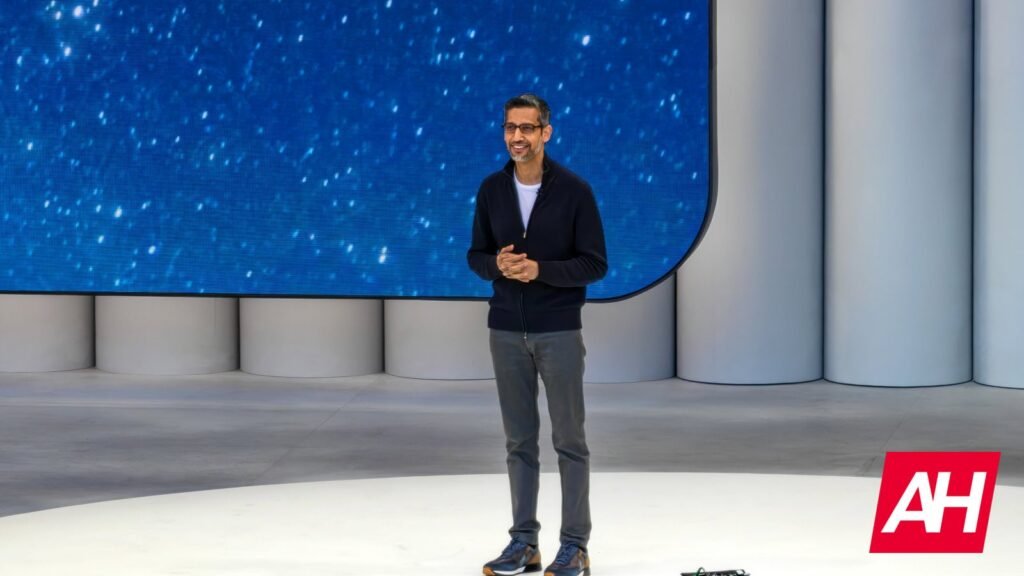

Alphabet CEO Sundar Pichai took a defensive stance on the company’s latest earnings call, rejecting claims by Wall Street analysts that Google has fallen behind competitors in the high-stakes race for generative AI.
The scrutiny follows recent setbacks, including delaying the flagship Gemini 3.5 Pro model originally expected earlier in the summer. Rivals like OpenAI, Anthropic, and Chinese tech firms accelerating their release schedules. So, investors worry that Google is ceding ground in crucial areas like automated software development and autonomous agents. Pichai acknowledged room for improvement in AI coding capabilities while maintaining that Google remains firmly at the industry frontier.
Pivoting to high-efficiency Flash engines, Gemini 4 to get near-monthly updates
Rather than flagship delays, Pichai highlighted the success of Google’s lightweight, affordable “workhorse” engines—particularly the new Gemini 3.6 Flash. He noted that the updated Flash model improved its coding benchmark scores by more than 10 points while using fewer processing tokens. Google also introduced Gemini 3.5 Flash-Lite and a security-focused Flash Cyber build. Gemini 3.5 Pro is restricted to partner testing for now.
To ease investor concerns about release velocity, Pichai previewed upcoming releases. He described Gemini 4 as a highly ambitious, significantly larger frontier effort currently undergoing training. Once the platform officially launches, Pichai revealed that Google plans to deploy future Gemini 4 iterations on a near-monthly cadence. Meanwhile, they’ll rely heavily on smaller Flash models to power corporate workflows across cybersecurity, data analytics, and customer support (via Reuters).
Surging spending meets investor skepticism
Pichai urged Wall Street to evaluate Google’s overall momentum across its broader ecosystem—including proprietary silicon, cloud infrastructure, and deep product integrations—rather than fixating on single model timelines. While Google Cloud posted impressive 82% revenue growth for the quarter, rising capital expenditures continue to weigh on investor sentiment.
Alphabet raised its annual spending guidance to between $195 billion and $205 billion to support ongoing data center expansions. Following the call, Alphabet shares dropped roughly 5% in premarket trading, extending a double-digit decline since late spring amid model delays and recent key executive departures.
The post Is Google Falling Behind in the AI Race? CEO Sundar Pichai Doesn’t Think So appeared first on Android Headlines.