The fascination with Michelangelo Merisi da Caravaggio continues unabated, and for good reason. Not only was Caravaggio the most impressive Italian painter since the death of his namesake, Michelangelo Buonarroti, less than a decade before his birth, but his reputation as the “damned artist” lends itself to questions about his character, sexuality, politics, and professional practice.
Today, we have a tendency to see him as a solitary, bellicose figure, and Caravaggio (2025), a documentary drama directed by David Bickerstaff and Phil Grabsky, does nothing to dissuade us, even though the story it tells is one of constant collaboration. Among the experts telling Caravaggio’s story are the brilliant art historian Helen Langdon; the head of Christie’s research and expertise department, Letizia Treves; art historian Fabio Scaletti, to give an Italian perspective; and the artist Stephen Nelson. The film serves as a salutary primer, full of long pans up and down his most famous works so we can see up close what is normally kept well away from us in churches and museums, but we should be wary of what it tells us about the personality of its subject.
Even in a society like that of early-17th-century Rome, Caravaggio was described by his contemporaries as “strange” and “angry.” But context is important. In his lifetime, conflict was built into Roman society. Precisely because social mobility in Rome was more possible than in other Italian cities, microscopic differences of rank could provoke physical fights. As a penniless newcomer in Rome, Caravaggio had everything to prove and fought his way upward to be recognized. Even when he got his big break with chapel commissions for San Luigi dei Francesi and San Maria del Popolo before the age of 30, he continued to struggle for more prestige. The principal social coin was honor, a commodity forever in short supply and far easier to lose than to win.
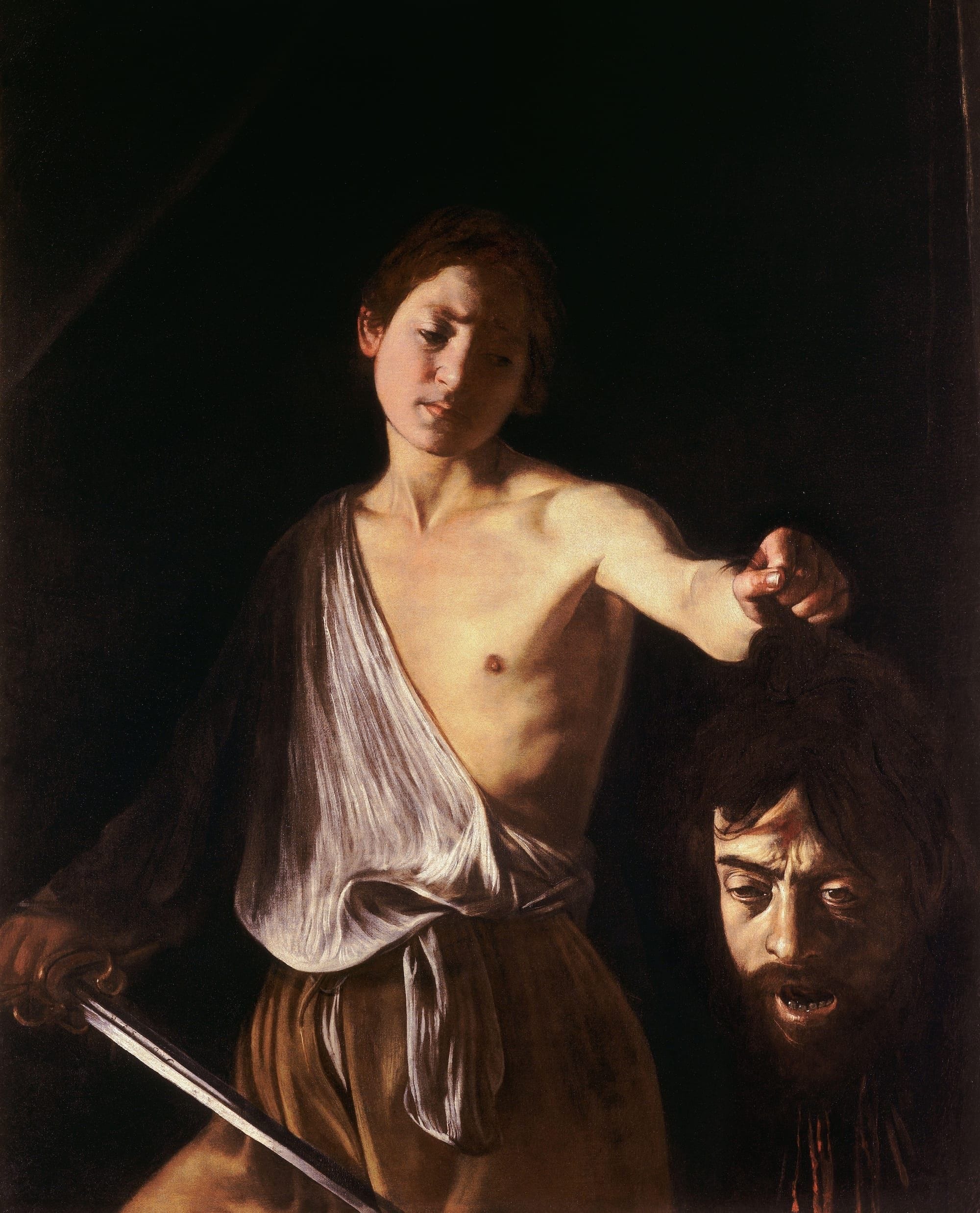
As someone eager to climb the social ladder, Caravaggio was more acutely sensitive to this than most. He picked fights with ruffians who dominated the streetscape. None was more dangerous than the pimp Ranuccio Tomassoni, whose criminal racket in the Campo Marzio region of central Rome was protected by his brother Giovanni Battista, the caporione or local head of the city militia. Tradition describes the fight between Ranuccio and Caravaggio as happening after a game of pallacorda, a predecessor of tennis. Caravaggio fought dirty and slashed Ranuccio’s femoral artery. Historians have long looked for a personal motive for what ended up being a murder, but the society Caravaggio lived in encouraged his predisposition for conflict, and his motive might have been quite simple. Ranuccio Tomassoni was a Campo Marzio swaggerer and a bully, and for Caravaggio to take him on in a fight was perhaps an attempt to take his honor, not his life.
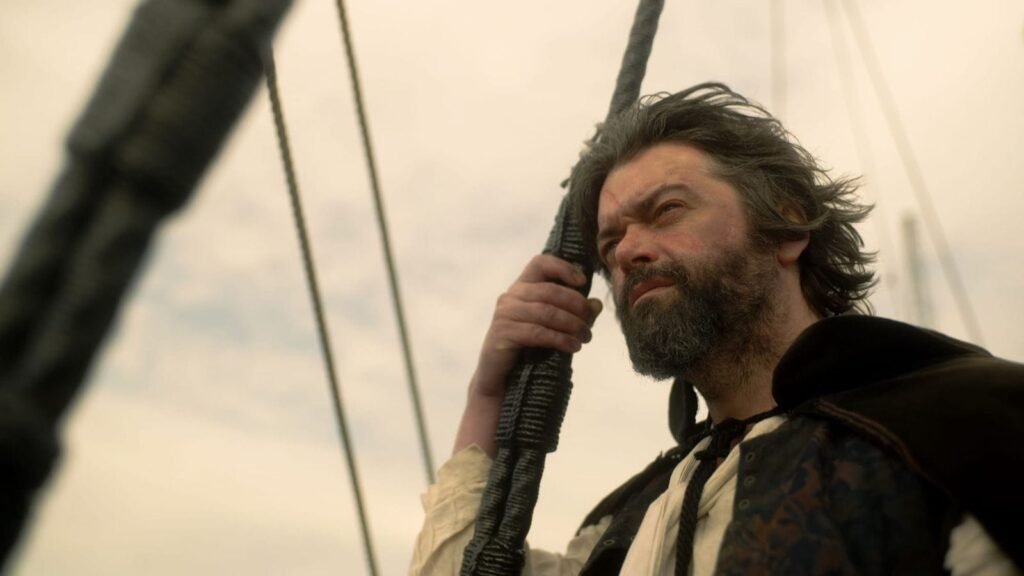
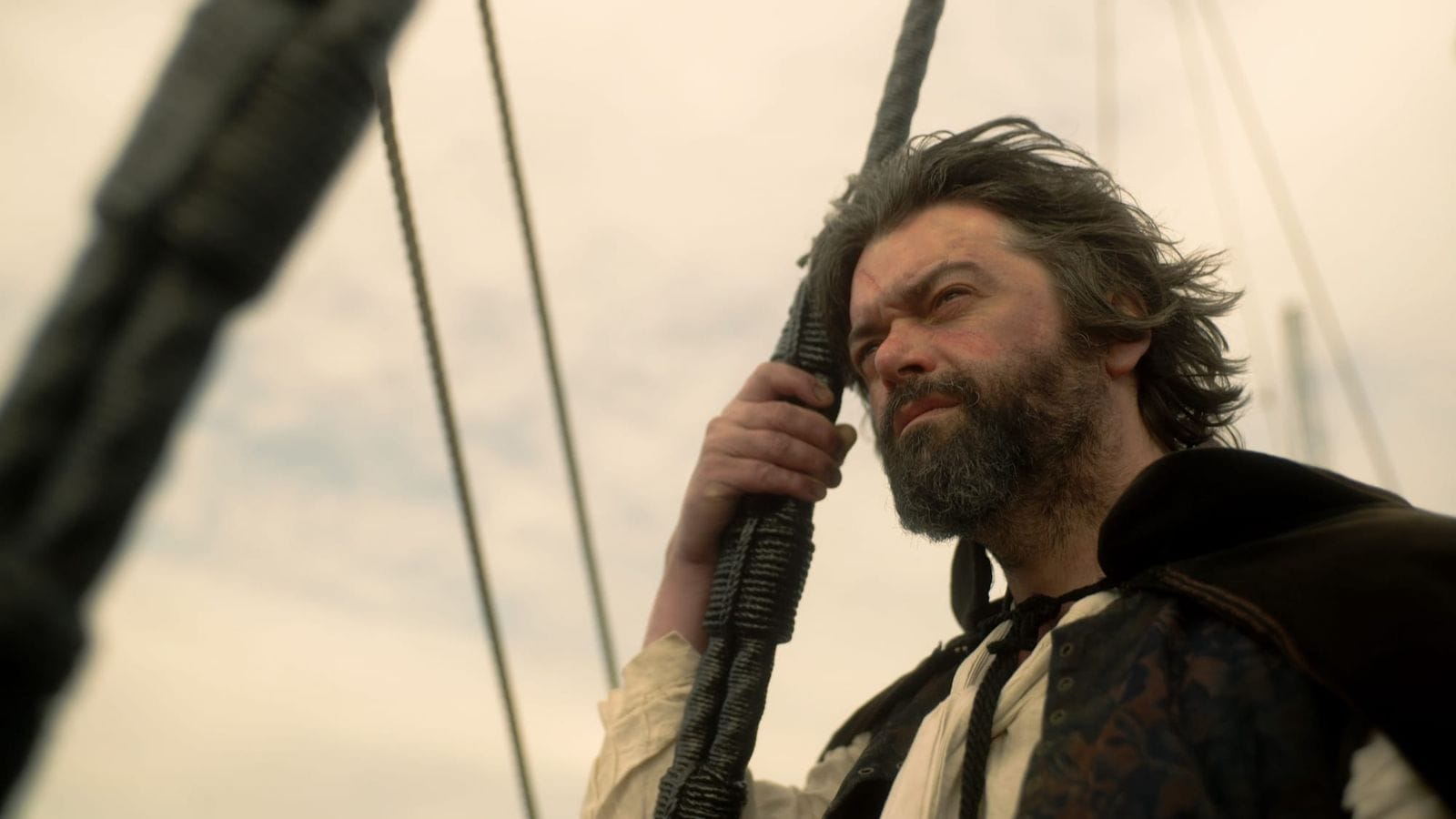
This documentary does not acknowledge, or at any rate does not discuss, the violent cultural context. But Caravaggio, played by Jack Bannell, does tell us about this lethal encounter. Unfortunately, the actor mispronounces Italian words and names, which damages the viewer’s suspension of disbelief. Bannell is properly made up to look like Caravaggio did on his return journey from exile in Naples, with a huge diagonal scar across his face. Yet his lines are unconvincing and unilluminating. The film would have been better off without this dramatization.
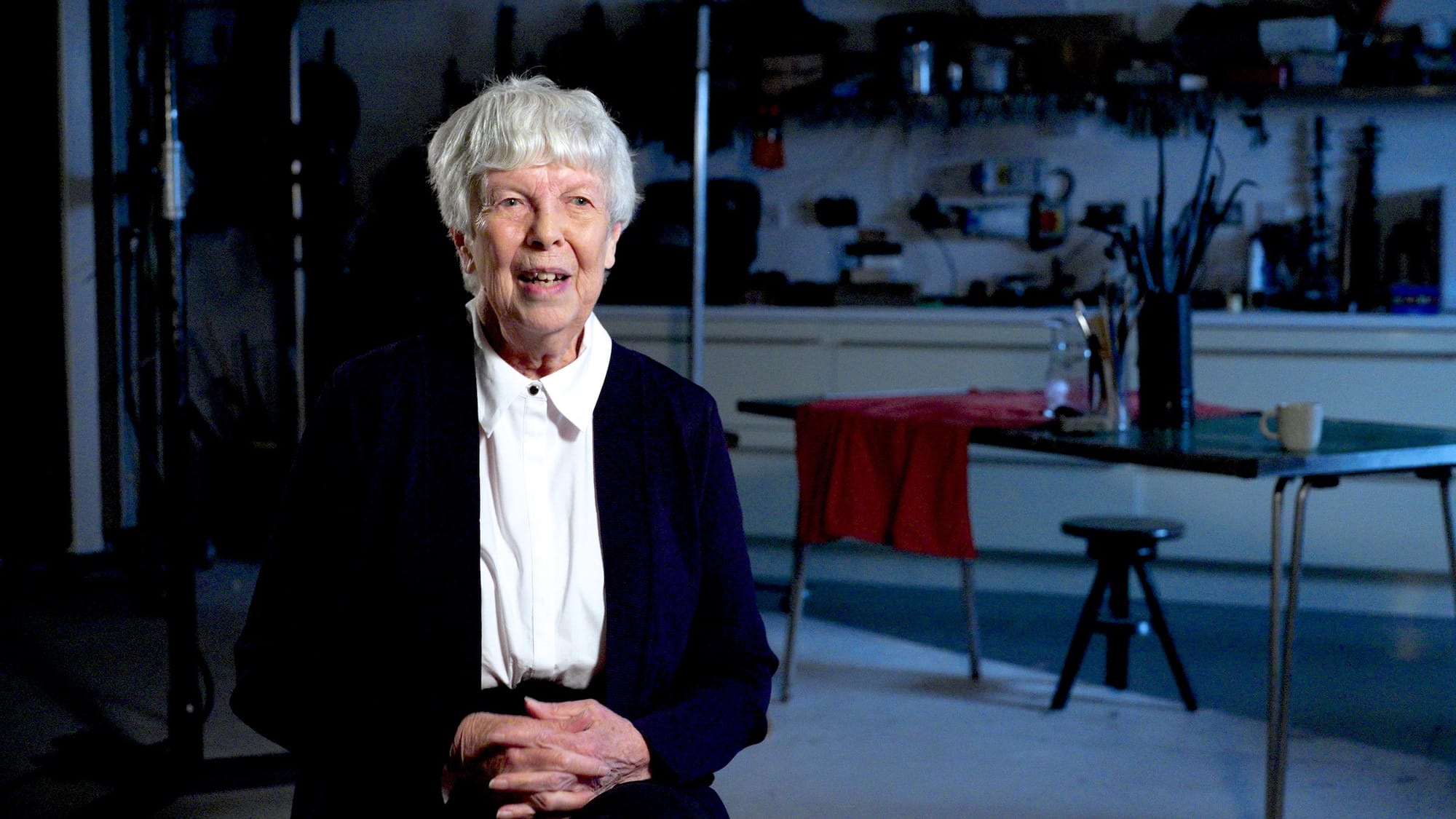
The film is strongest when it focuses on the paintings and the evolution of Caravaggio’s style. Of the experts, Nelson does the most speaking by far, which is a strange choice given that his interventions are mainly factual descriptions of events in the artist’s life, perhaps better explained by one of the art historians. I would have liked to see more of Caravaggio’s portraits, which were an important source of his income, and more of his early works. This documentary is at its best when exploring the great bravura pieces of the artist’s oeuvre. But it ultimately leaves us with a frustratingly incomplete view of the man himself. Caravaggio has slipped through our fingers once again.
Caravaggio (2025), directed by David Bickerstaff and Phil Grabsky and produced by Seventh Art Productions, is available to stream or download online.