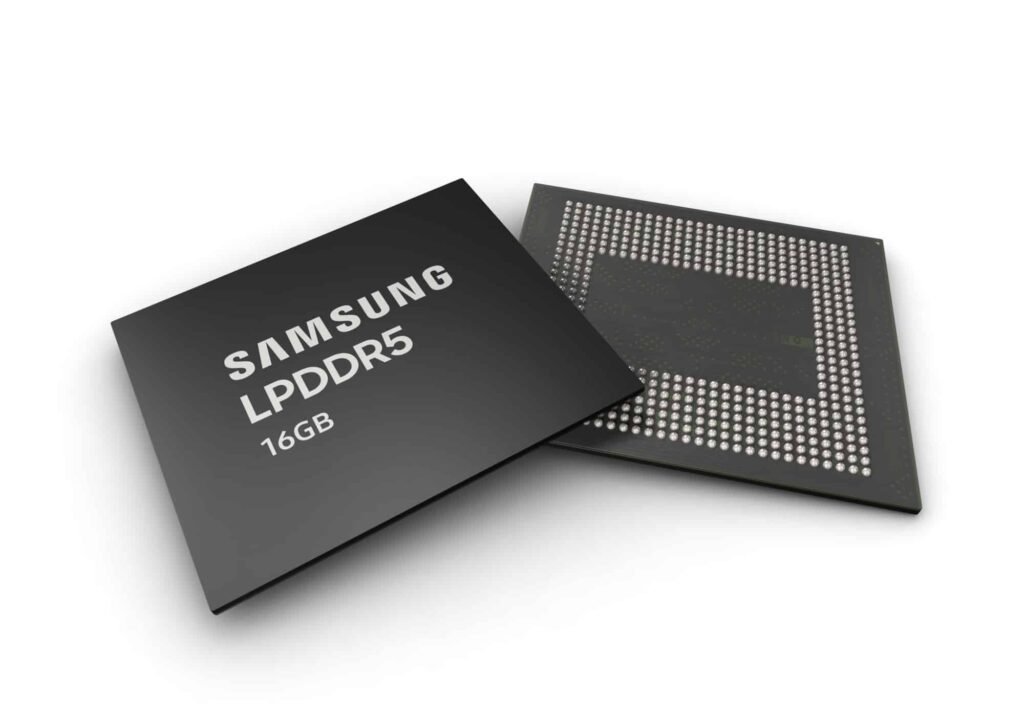

If you have been holding off on buying a new smartphone, laptop, or graphics card hoping for a price drop, you might want to reconsider your timeline. The cost of memory is on the verge of another significant spike. Reports from industry tracking groups and mainstream financial outlets indicate that Samsung Electronics is aggressively pushing to raise the average selling price of its DRAM memory chips by up to 20% over the next quarter.
According to a report from Yicai (via Jukan), multiple hardware manufacturers have already been verbally notified of the new contract rates. This is not an isolated adjustment, though. It’s a follow-up to a highly aggressive financial stance by South Korean chip titans to maximize profit potential in a shifting market landscape.
The AI infrastructure bottleneck
The primary catalyst behind this persistent pricing pressure is the massive wave of corporate investment flowing into artificial intelligence infrastructure. Tech giants are buying high-margin memory components at unprecedented scales. Fabricating these sophisticated enterprise components requires immense manufacturing capacity. So, semiconductor foundries are prioritizing data centers over traditional consumer hardware.
This production shift has caused a massive bottleneck for general-purpose memory. Samsung’s memory pricing has been on an absolute tear, with average selling prices jumping over 90% in the opening months of the year, followed by an estimated 50% increase in the previous quarter. Adding an extra 20% hike now compounds an already inflated baseline.
While research firm TrendForce suggests that overall consumer DRAM contract pricing growth might narrow slightly to between 13% and 18% due to slowing retail demand, specific high-demand mobile components tell a different story. Highly integrated components like the 8GB LPDDR5X memory chips used in modern portable devices are expected to hit the full 20% premium. Additionally, secondary storage costs are climbing alongside memory, with NAND flash contract prices projected to grow by 10% to 15% over the same period.
The retail trickle-down effect
For the average consumer, these backend supply chain negotiations will inevitably impact retail pricing. While some downstream manufacturers say they can weather minor component fluctuations, major tech brands are already adjusting their strategies. Companies like Lenovo and Apple have signaled that they can no longer completely shield consumers from compounding chip costs, passing manufacturing premiums directly down to final retail buyers. Market analysts warn that these soaring baseline costs will likely dampen global consumer demand. This will force many buyers to delay hardware upgrades through the latter half of the year.
The Android Headlines take
We are facing a frustrating shift in how consumer tech is valued. For years, hardware followed a predictable downward pricing curve as manufacturing efficiency improved. Now, the enterprise AI boom is effectively forcing everyday consumers to subsidize tech giants’ data center expansions. If Samsung and its peers keep chasing massive enterprise margins while leaving the consumer sector starved for affordable allocation, we are going to see a massive stagnation in mid-range smartphone and laptop innovation. Manufacturers will likely freeze RAM capacities at lower tiers just to keep retail prices manageable, turning what should be an era of hardware progression into a holding pattern.
The post Samsung Pushes 20% RAM Price Hike in Q3 2026 and Your Next Tech Device Will Feel It appeared first on Android Headlines.