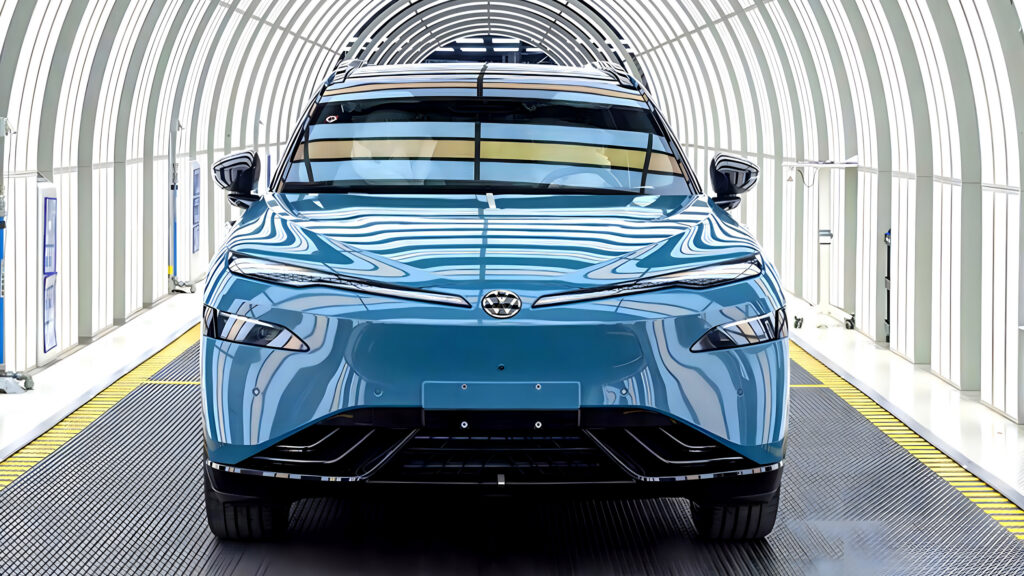
- While the VW CEO likes the idea, not all VW executives are on board.
- Building the Chinese models in Europe would help them avoid tariffs.
- The first model imported from China could be a new SUV in 2027.
Volkswagen is edging toward something it once treated as off-limits. The group’s China-developed models could go on sale in Europe, and eventually roll out of German plants, with a feasibility study already commissioned to see whether the math works. Plenty of people will hate the idea. It might also be the lifeline VW badly needs.
According to people familiar with the matter who spoke to Handelsblatt, the study covers both importing complete vehicles from China and the possibility of assembling them, or their major components, in Europe. Company sources also stress that the proposal remains exploratory and could still be abandoned.
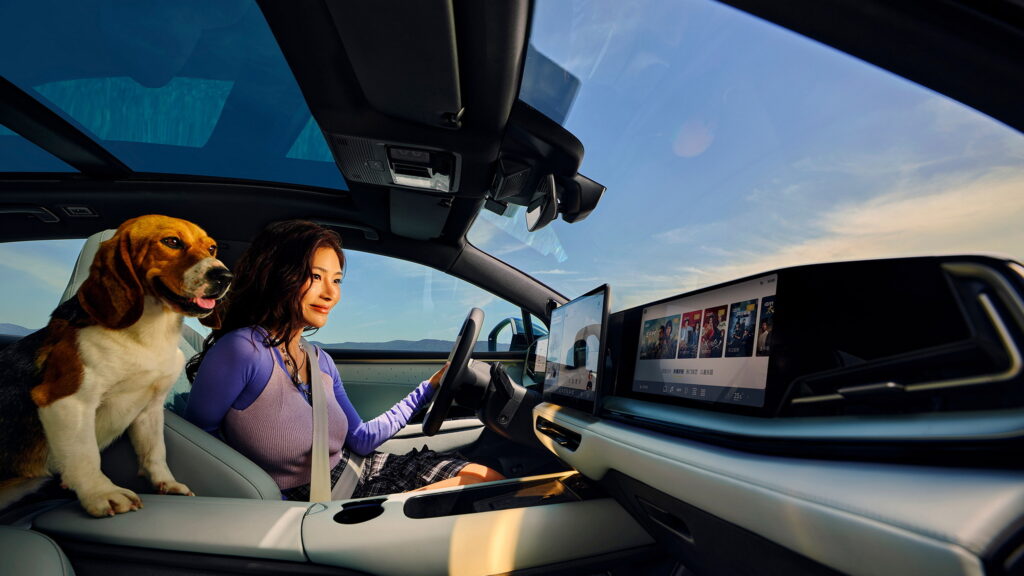
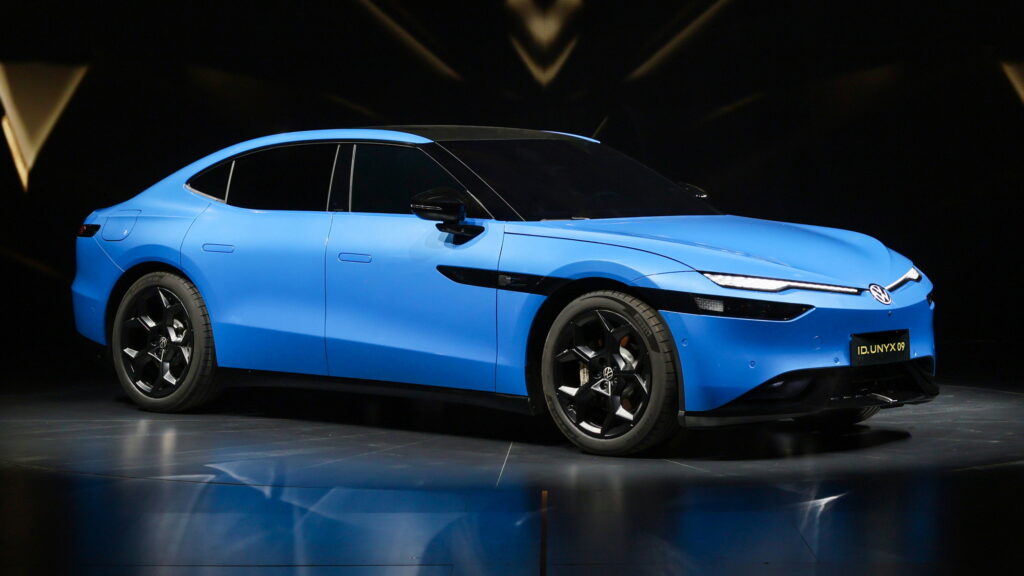
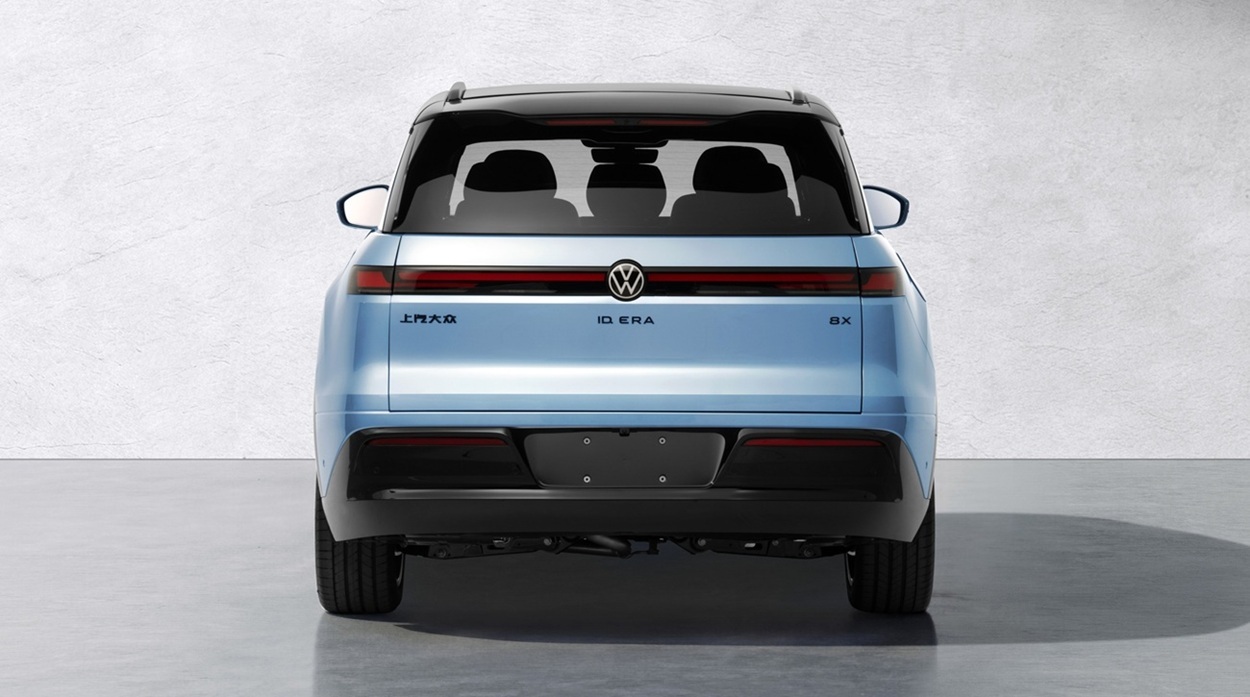
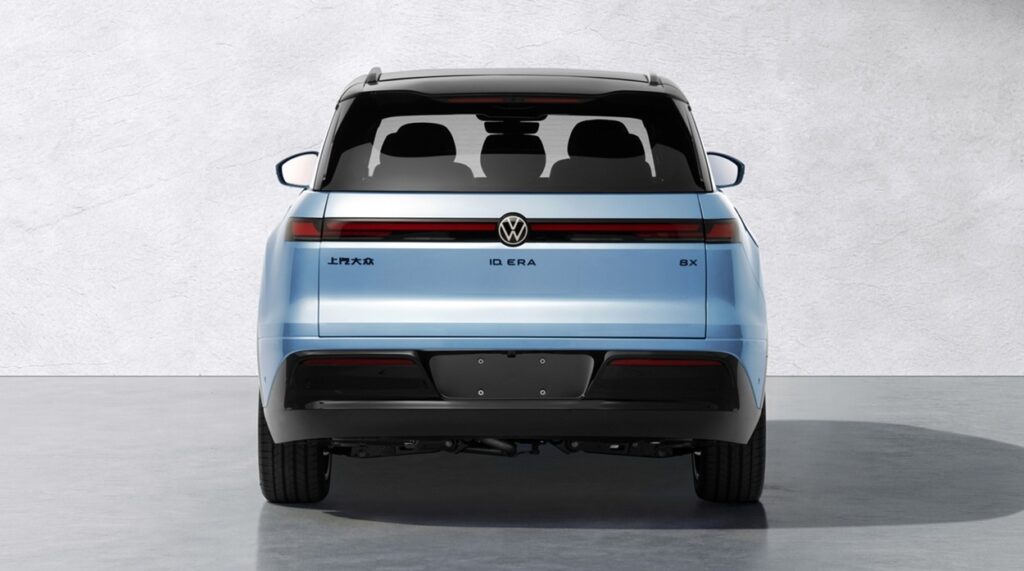
Reports about VW potentially importing vehicles built in China to Europe first surfaced in May, following statements made by company boss Oliver Blume. At that stage, the talk centered on the ID.Era 9X, a model currently built in China alongside SAIC, which VW was said to be weighing for a European launch.
Read: VW Ruled China For 25 Years, Now Young Buyers Call It Their Parents’ Car
That forward-looking model is larger than the VW Touareg, yet in China it costs just €45,000 ($51,000), while a Touareg in Europe can easily climb past €80,000 ($91,000). Handelsblatt now reports that VW is leaning toward a different vehicle for import, one that has yet to launch in China at all, which suggests the plan has shifted since those first reports.
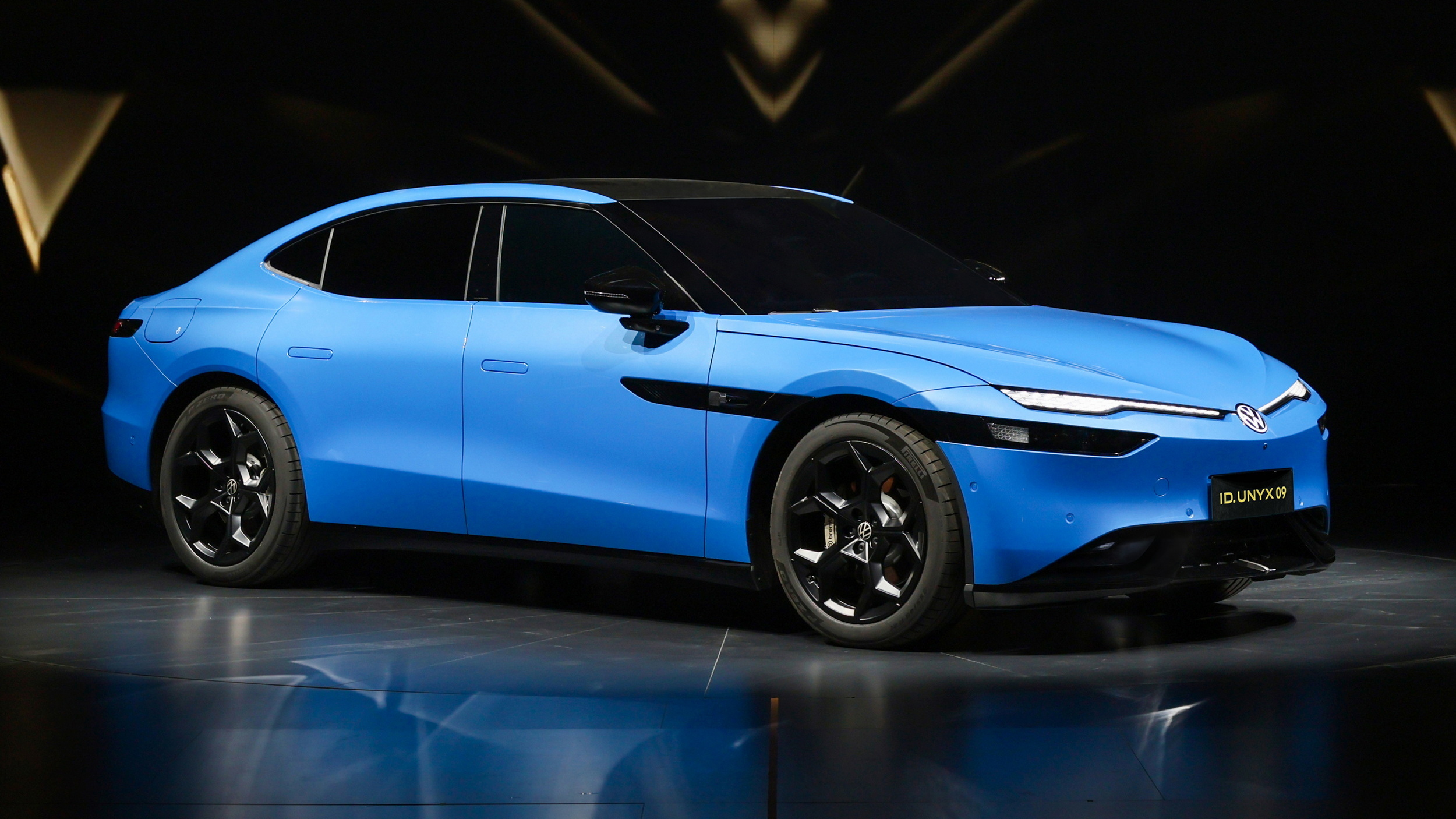
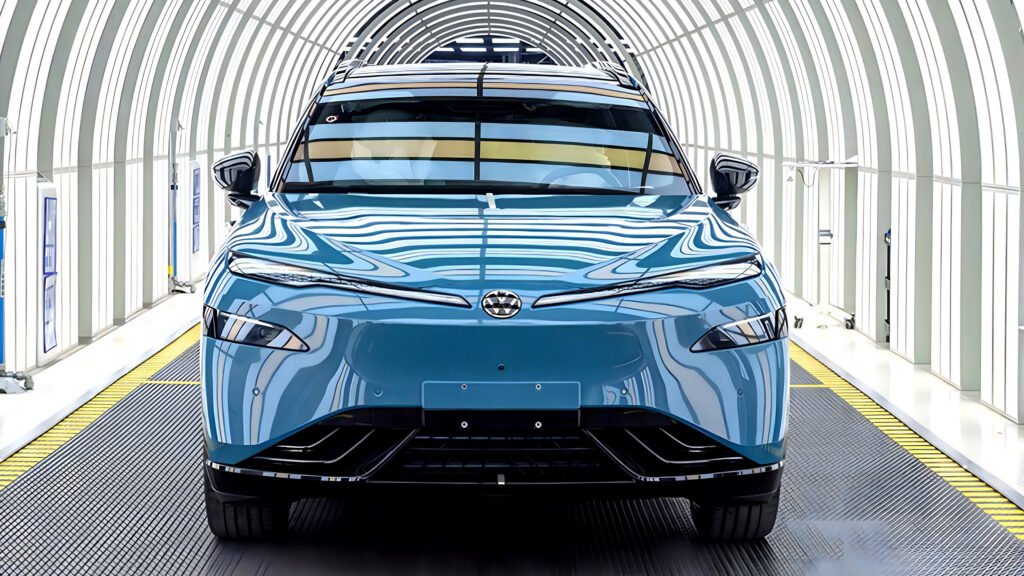
The model in question is expected to be close in size to the Touareg and will ride on Volkswagen’s China Scalable Platform (CSP). Crucially, this platform will be VW’s own and will not share technology and components with SAIC, giving the German brand complete control over the vehicle’s technology. Adaptations would be required to the car to meet European market requirements, including changes to the driver-assistance systems, materials, and software.
How To Avoid Tariffs?
Any vehicles VW brings into Europe from China will be subject to tariffs, and that is the sticking point. The Cupra Tavascan is currently built in China and exported to Europe, though it recently landed a tariff exemption because it mostly relies on European technology. Other models VW might import would probably not get the same treatment, which is where the calculus gets harder.
Current EU countervailing duties on Chinese-built EVs vary by manufacturer. SAIC faces 35%, BYD 17%, and Tesla just under 8%, in addition to the EU’s standard import tariff.
Building these vehicles in Europe would be an obvious way to avoid tariffs. Unnamed sources point to the company’s plant in Zwickau as a possible location, although nothing is set in stone. A key appeal of building these Chinese models on local shores is that it’d allow VW to boost the utilization rates at its German factories.
Employee representatives are reportedly open to evaluating additional China-developed models, provided they supplement rather than replace existing commitments to German factories.
Not Everyone Is Sold
However, it doesn’t appear that all VW executives are as interested in the idea as Blume. According to a company insider, VW chief financial officer Arno Antlitz has warned against “building vehicles from completely unrelated competitors in China and then branding these vehicles with the Volkswagen quality image.”