The results of the JD Power 2026 U.S. Initial Quality Study (IQS) were released this week, which measures the number of problems experienced with new vehicles in the first 90 days of ownership. The study exposes early quality issues in new vehicles at a time when most buyers expect their cars to be working flawlessly. This year, Porsche emerged as the top-rated brand, but BMW will be pleased to have picked up the most category wins with six. The results speak to a steady improvement in BMW reliability over the past few years, especially compared to archrivals Audi and Mercedes-Benz.
How The Initial Quality Study Is Run
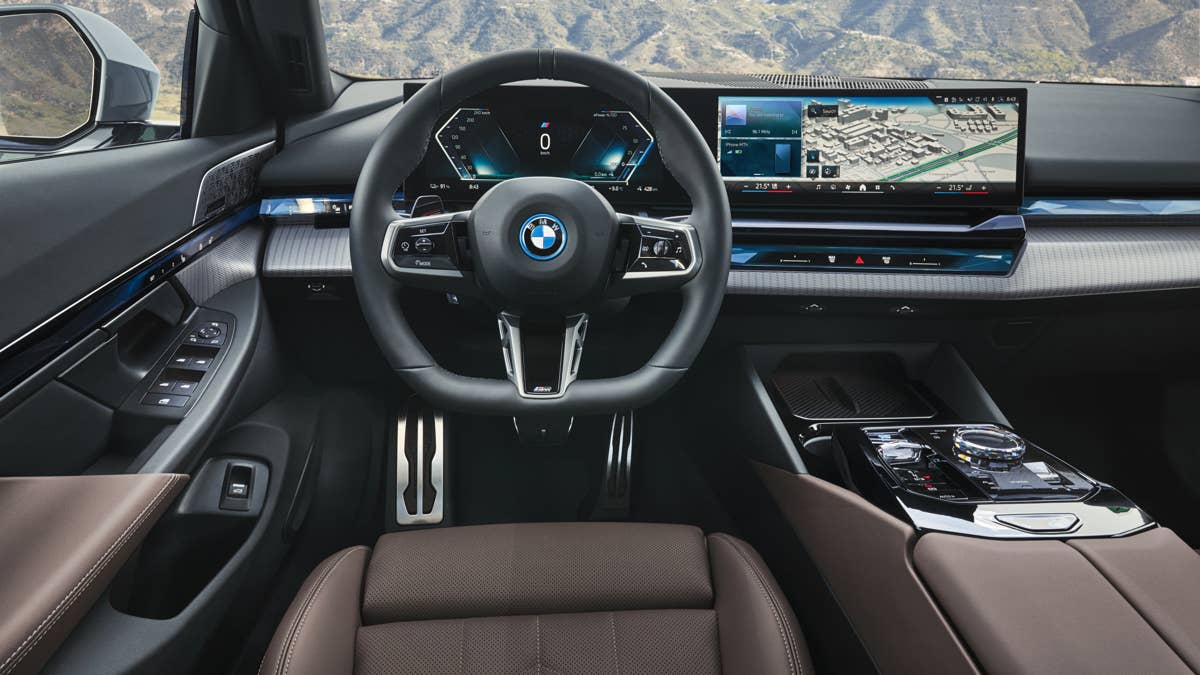
BMW
Now in its 40th year, the IQS is based on responses from 78,514 people who purchased or leased a 2026 model-year vehicle. Feedback from drivers is split into 10 core categories: infotainment, features, controls and displays, exterior, driving assistance, interior, seats, powertrain, driving experience, and climate. An unspecified category based on repair visit data is also taken into account.
Brands are then ranked based on the number of problems per 100 vehicles (PP100). Porsche came out on top in this year’s study with a score of 138 PP100. It was followed by Genesis, Ford, Lexus, and Nissan. The study average was 175 PP100, with the lowest-ranked brand being Infiniti (235 PP100).
BMW Claims Six Category Wins
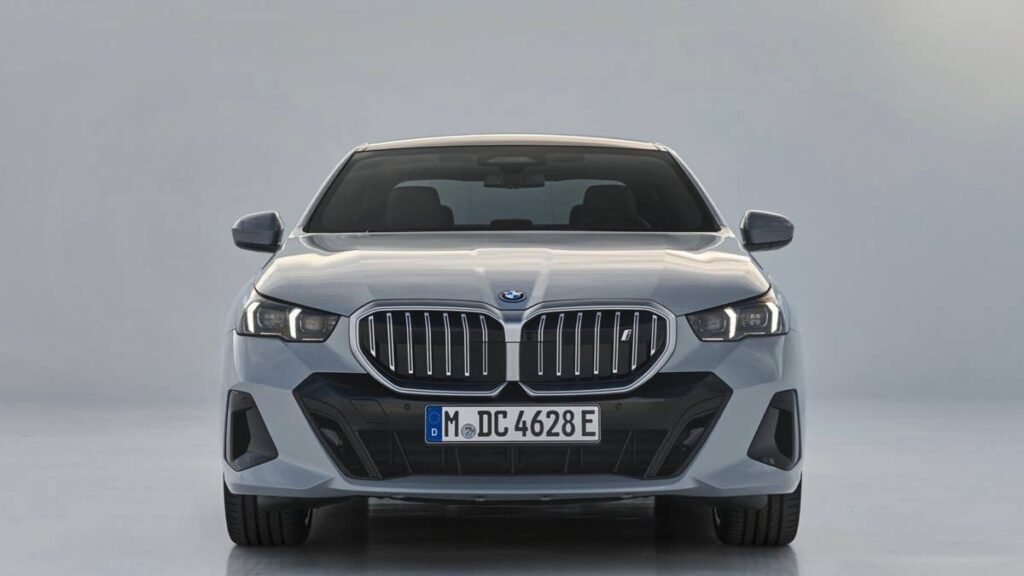
2026 BMW 5 Series BMW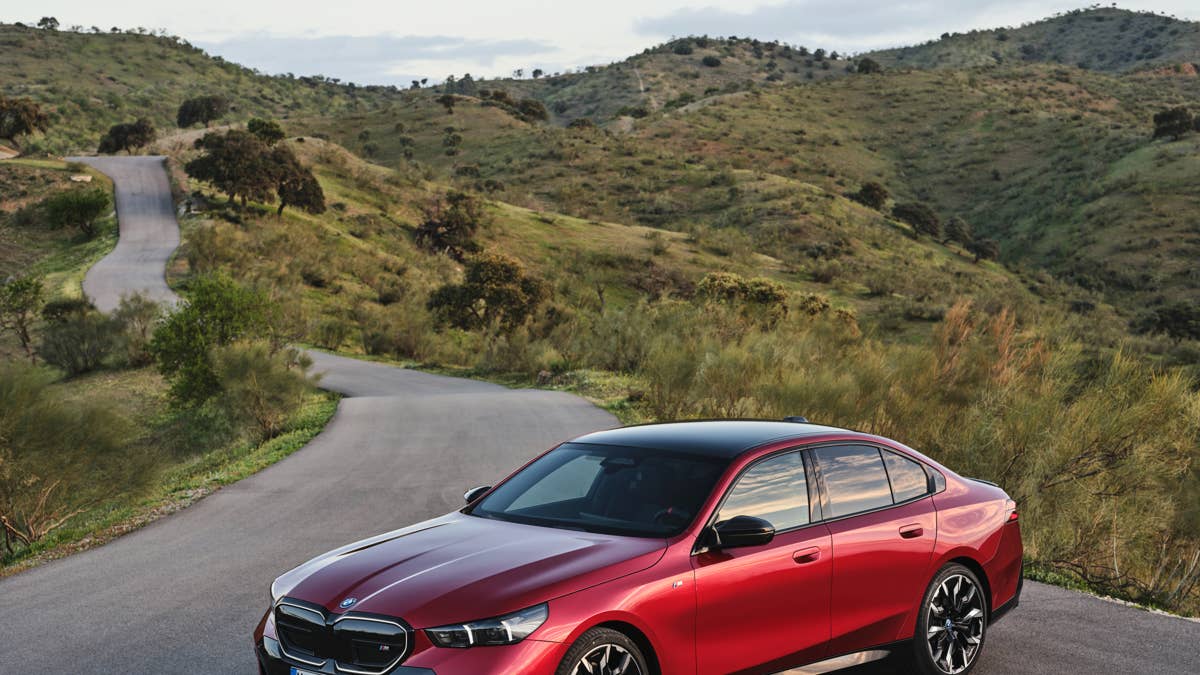
BMW was only ranked 12th (178 PP100) out of 27 eligible brands, but it still emerged with the most category wins. The following BMWs were rated highest in their categories for initial quality:
- BMW 2 Series (Small Premium Car)
- BMW 5 Series (Upper Midsize Premium Car)
- BMW 8 Series (Large Premium Car)
- BMW X1 and X2 (Small Premium SUV – tied)
- BMW X6 (Upper Midsize Premium SUV)
- BMW X7 (Large Premium SUV)
Another BMW, the 4 Series, was a runner-up in the Compact Premium Car segment, capping a very strong showing for the brand.
These results bolster generally positive reliability and quality ratings for BMW over the last few years, especially after the 2000s and 2010s, when the brand suffered a host of serious mechanical and electrical defects. BMW outranked Mercedes (17th) and Audi (24th) in the JD Power study, and in an analysis of longer-term reliability, we found that BMW was clearly ahead of its two rivals. Robust engines like the B58 six-cylinder mill and generally stable software have served BMW well, while other brands have struggled as modern cars become increasingly reliant on software.
Related: Audi Vs BMW Vs Mercedes Reliability: One Clear Winner for 2026
What It Means
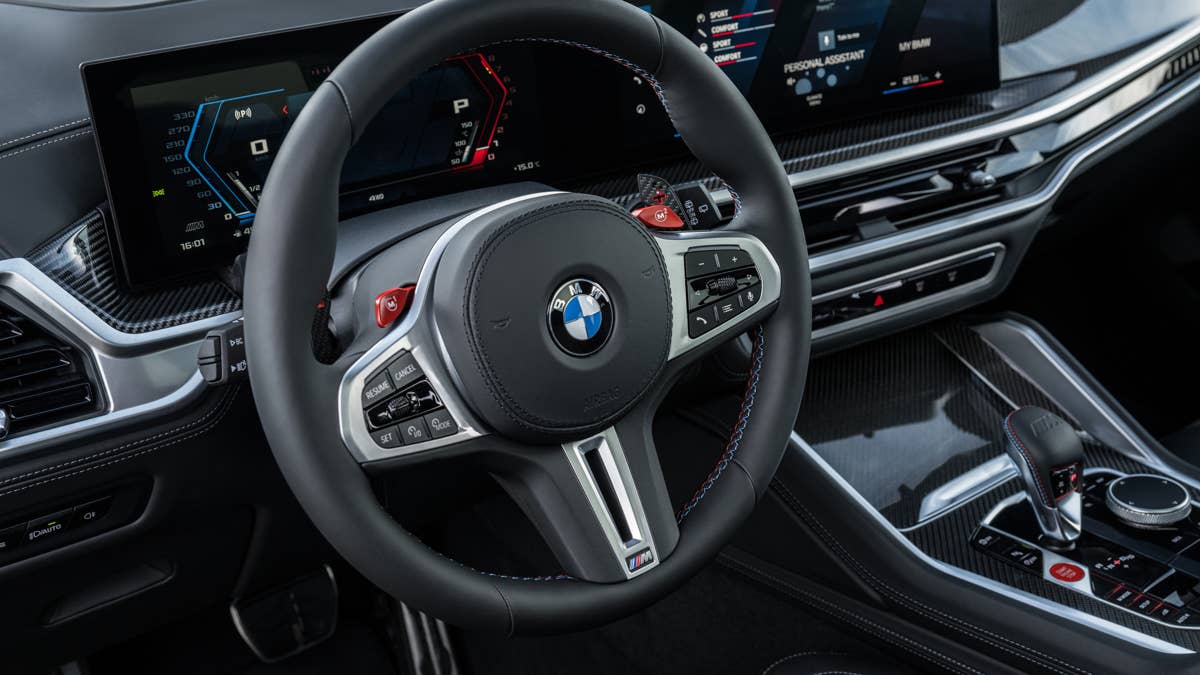
BMW
Buying German has historically meant accepting that your car will spend a lot more time in the shop than an equivalent Lexus. While that’s still true to an extent, all German brands can’t be painted with the same brush. Porsche has consistently been the leading German marque for dependability and BMW’s improvements in recent years have been replicated across multiple surveys. This doesn’t mean that owning a German car outside the warranty period is a smart financial move, but most customers can expect their BMW to be moderately reliable over the first four or so years of its life.
Related: The Most Reliable BMW Models You Can Buy Used in 2026