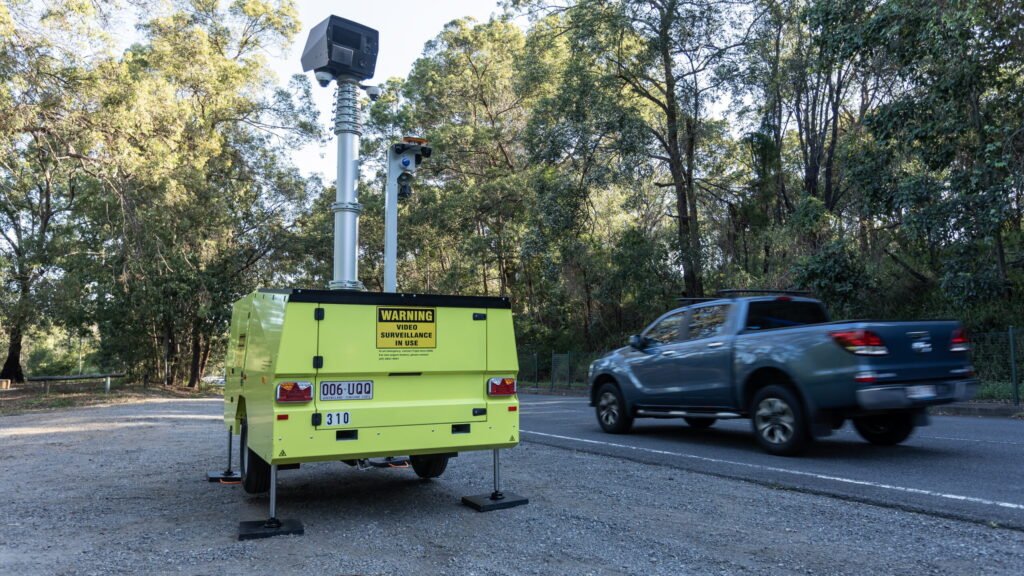
- Mississippi is deploying AI camera trailers to monitor traffic violations.
- System alerts officers in real time rather than issuing tickets automatically.
- Some lawmakers are already questioning the privacy implications.
Mississippi might land at or near the bottom of plenty of national rankings, but it’s not going to be last to the AI camera party. The state is initiating a new plan to use cameras and artificial intelligence to catch all sorts of traffic violations. Supporters say it’s about reducing crashes. Critics say it’s another step toward a surveillance state. Either way, the Magnolia State is moving ahead.
The Mississippi Department of Information Technology Services Board recently approved a sole-source contract allowing the Mississippi Department of Public Safety (DPS) to lease mobile traffic enforcement systems from Acusensus. That’s the same company that neighboring state Arkansas uses in its work zones.
Also: AI Cameras Fined Empty Seats For Not Wearing Seatbelts
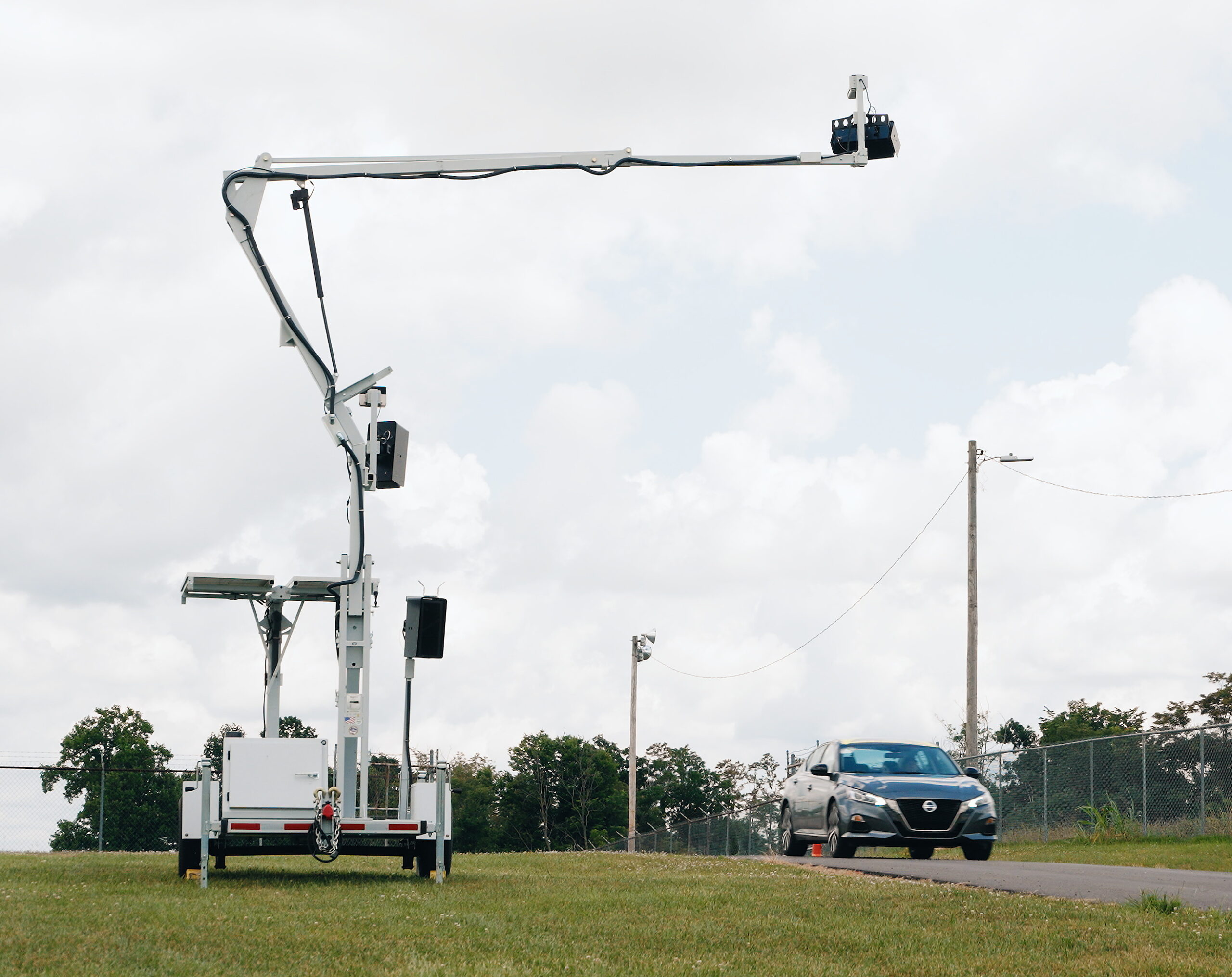
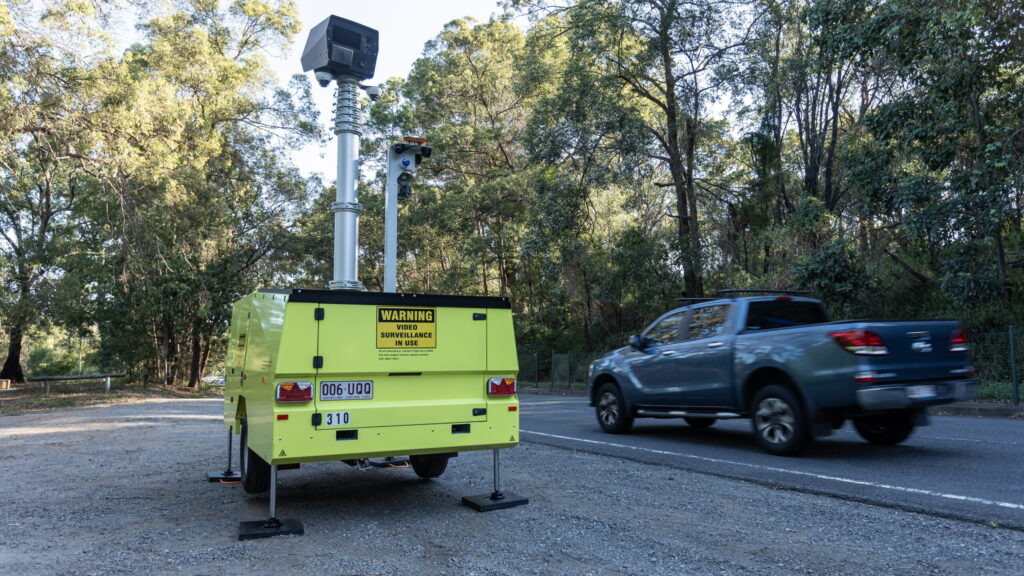
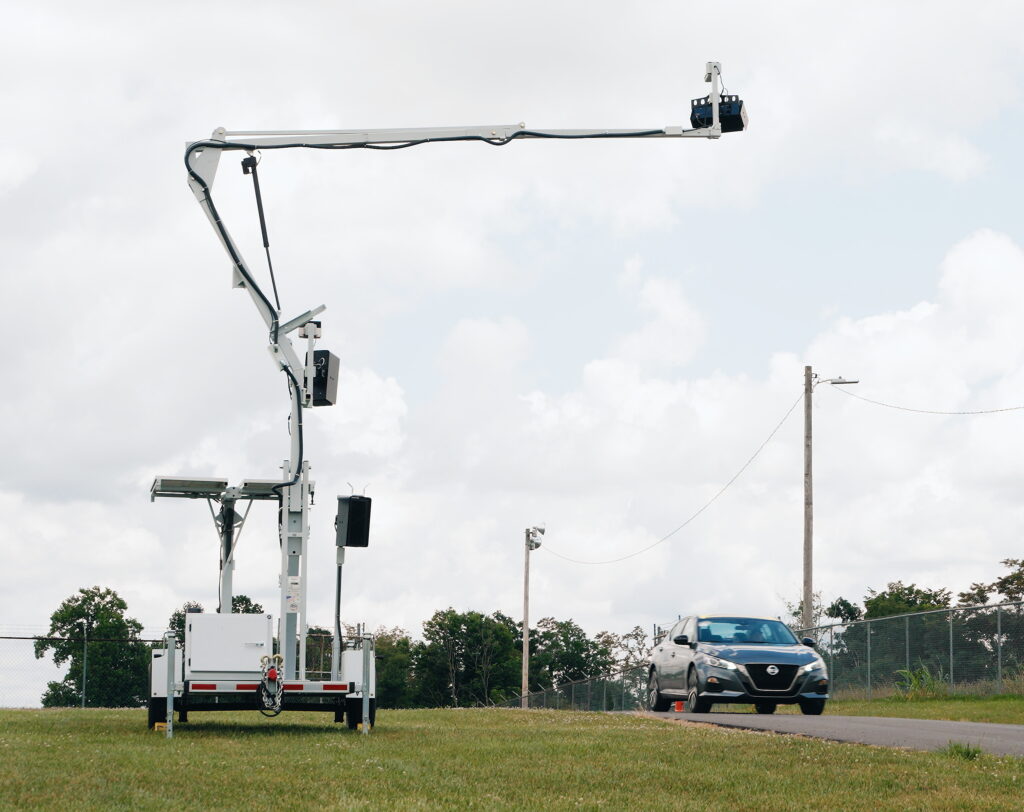
The three-year agreement is worth $2.052 million and is funded through federal grants says the Magnolia Tribune. According to DPS, the trailer-mounted systems will be deployed in high-crash areas, construction zones, and other locations where officers can’t easily conduct traditional traffic enforcement.
What The Cameras Can See
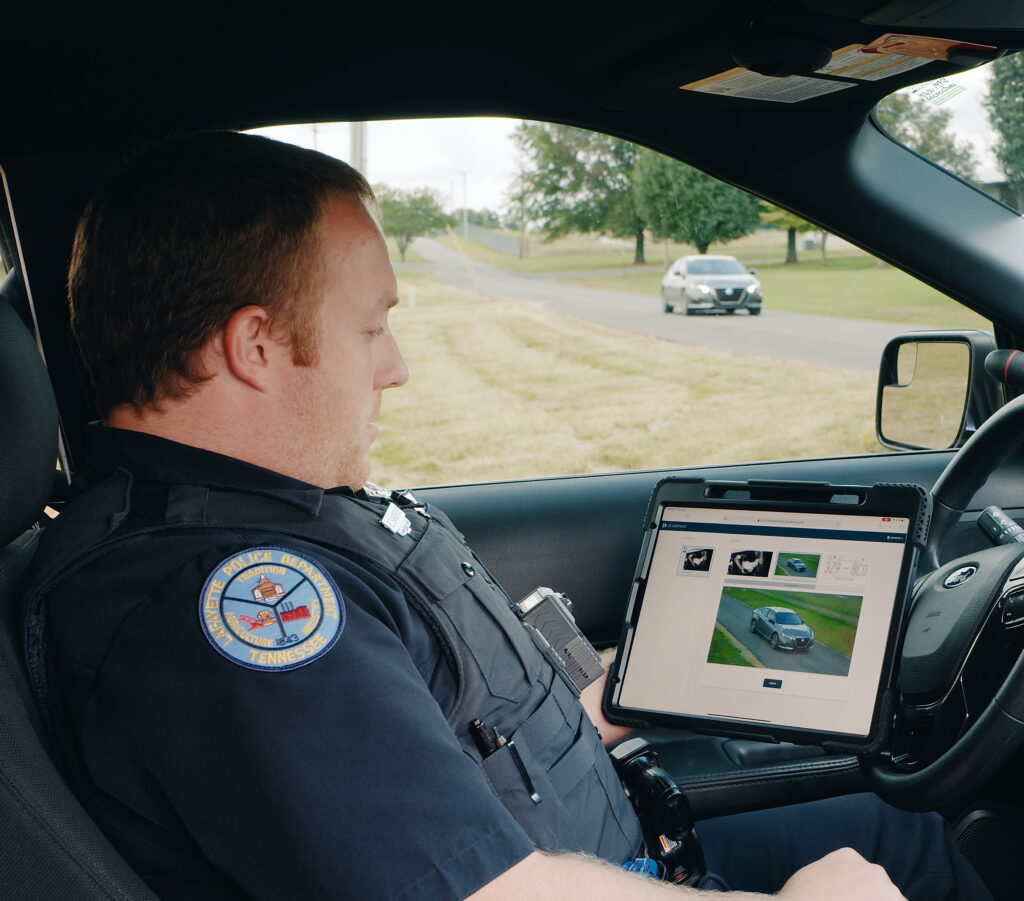
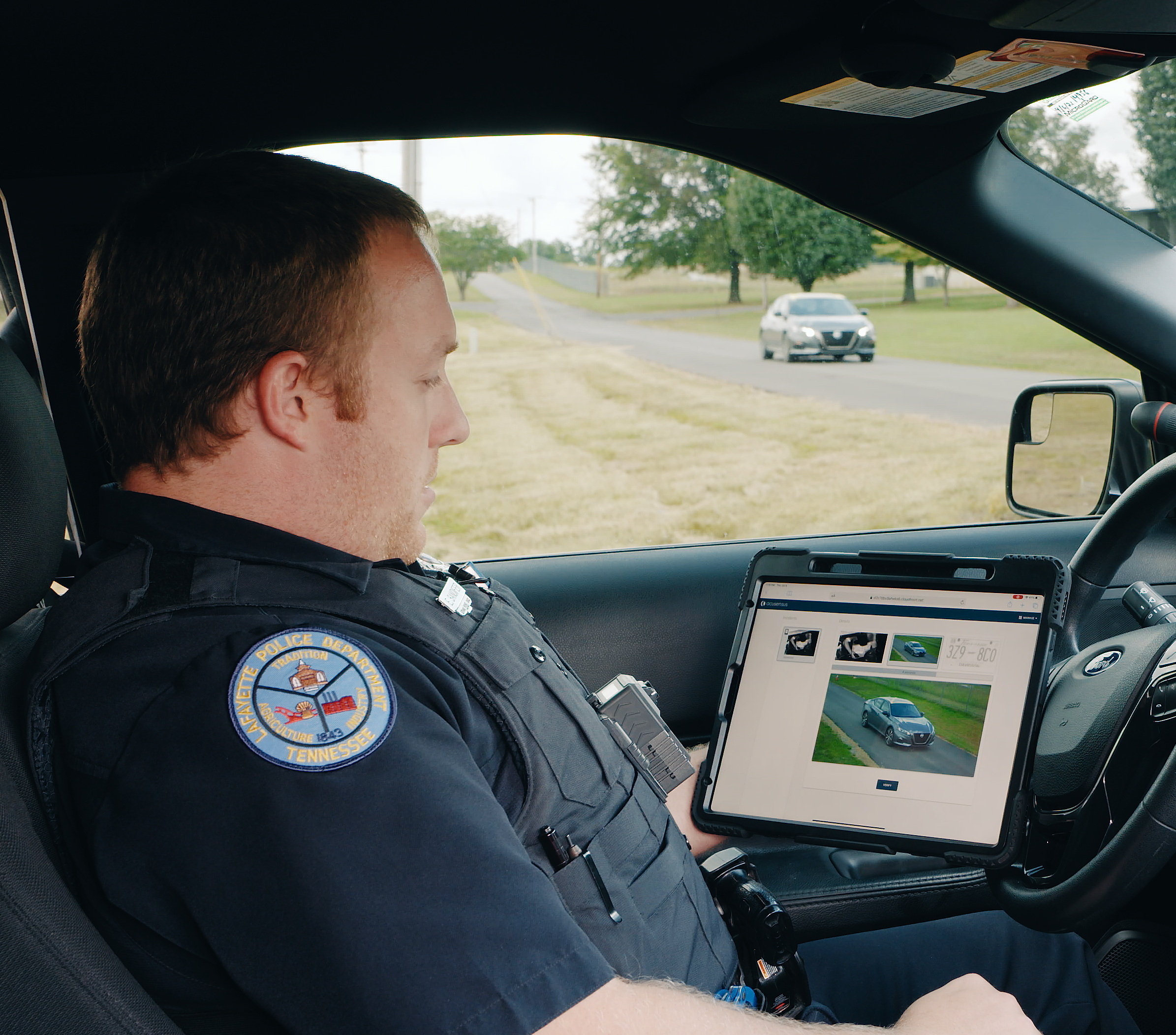
The cameras are evidently good enough to capture drivers holding their phones, speeding, carrying an unsecured child in the back seat, and more at up to 186 mph (300 km/h) without motion blur. If a camera senses a traffic infraction, it sends images and data to an officer down the road who can pull the car over.
Some lawmakers are not wildly thrilled by the technology. “Cameras armed with AI, peering into your car and processing your actions, invading your privacy, and then signaling a live officer down the road to pull you over and issue citations and/or make arrests in real time. It’s a very slippery slope with frightening ramifications,” House Rep. Dan Eubanks said.
“Every American citizen has a Constitutional right to face his or her accuser. This begs the question, is that accuser some ambiguous AI positioned and aimed to stare into your vehicle and at your lower regions, or the officer who didn’t physically witness the offense but is now writing you the ticket or making the arrest at the behest of that Artificial Intelligence?”
Read: A Single AI Traffic Camera Issued Over 1,000 Fines In Just Four Days
Others appear more comfortable with the system’s current implementation. State Senator Joey Fillingane said he has no objection so long as officers remain responsible for issuing citations. He added that he would oppose any future move toward fully automated tickets sent through the mail. Regardless of the debate, the reality is that drivers in Mississippi have one more thing to watch out for on the road.