Companies spend hundreds of millions of dollars annually for stadium naming rights, and for good reason. It’s an opportunity like none other for brands to become associated with lasting memories and big cultural moments, like games and concerts.
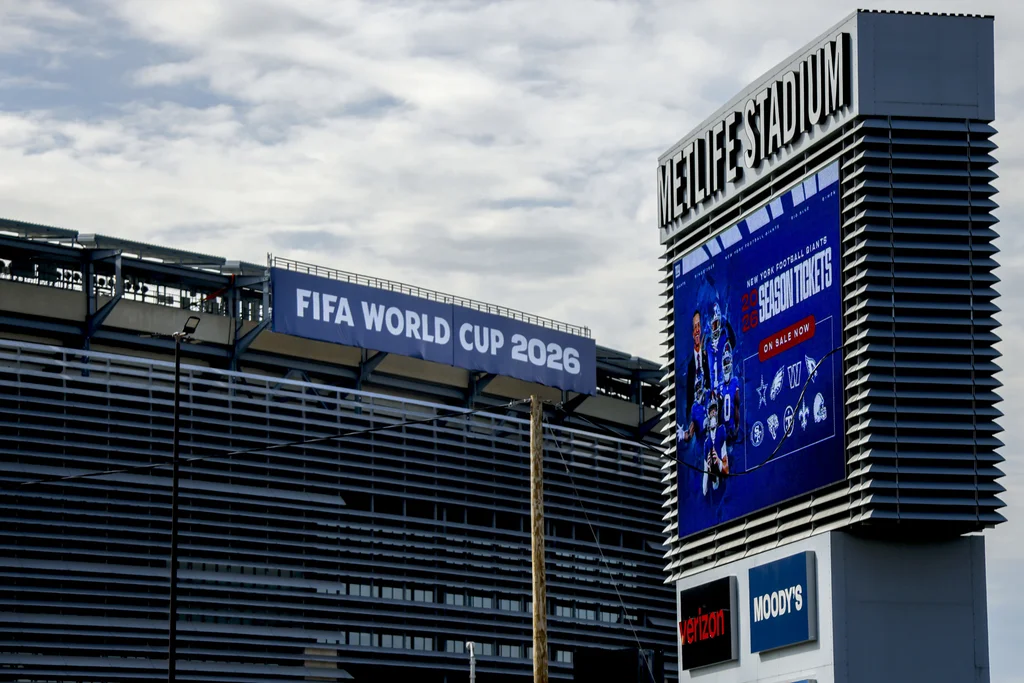
Over the next several weeks for the World Cup, though, brands with naming rights to any of the 10 U.S. stadiums in the tournament have had to scrub their names from their big investments. In essence, they’ve had to de-brand.
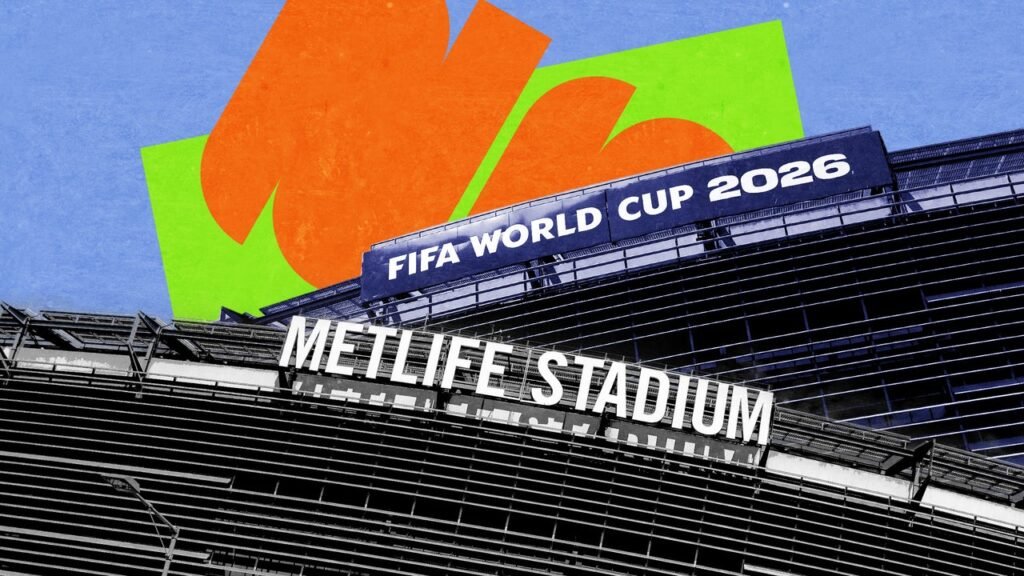
MetLife, the insurance and annuities company that usually has its name in big letters on the side of a stadium in East Rutherford, New Jersey, has been covered in a sign that says, in part, “World Cup 2026.” Earlier this month, workers were spotted stretching a tarp to hide the letters of the name of a multinational telecommunications holding company (AT&T) on the roof of a stadium in Arlington, Texas.
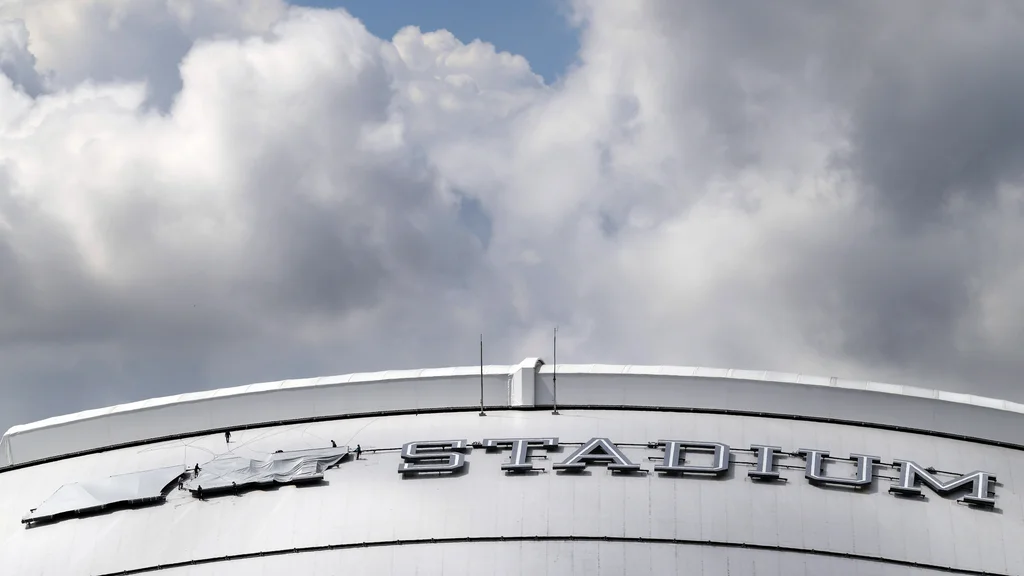
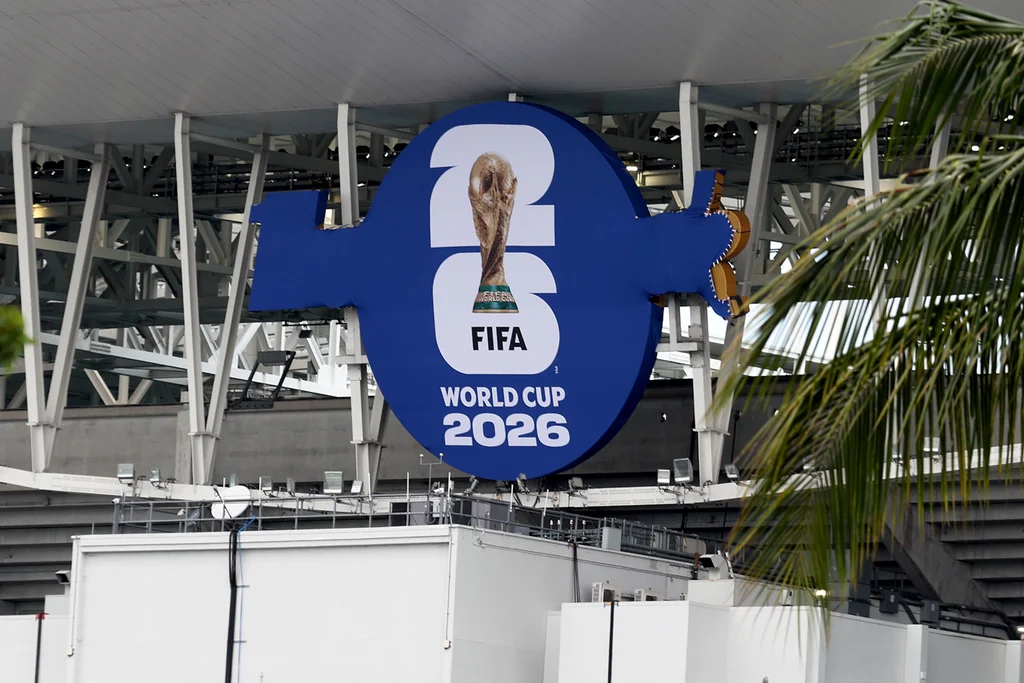
Instead of their usual monikers, host stadiums have adopted new place-based names for the duration of the World Cup (MetLife Stadium is now New York New Jersey Stadium, and it even shows up that way on Google). That’s because FIFA, the soccer tournament’s governing body, gets the right to rename host stadiums to “any non-commercial name that it deems appropriate, without any reference to the naming rights sponsor, owner or user of the Stadium,” according to a stadium agreement obtained by a newspaper owned by a certain online marketplace founder.
Debranding means FIFA controls all the advertising. You want your brand in the World Cup? You better pay up. There are no free rides for big, global sporting events.
For marketers, there are few things more frustrating than being forced to rebrand. Like a snowplow driver in June or a journalist on a slow news day, they’re benched. Suddenly, millions of dollars worth of earned media value evaporates, just as the biggest sporting event on Earth comes to town.
But brand presence isn’t so easily erased.
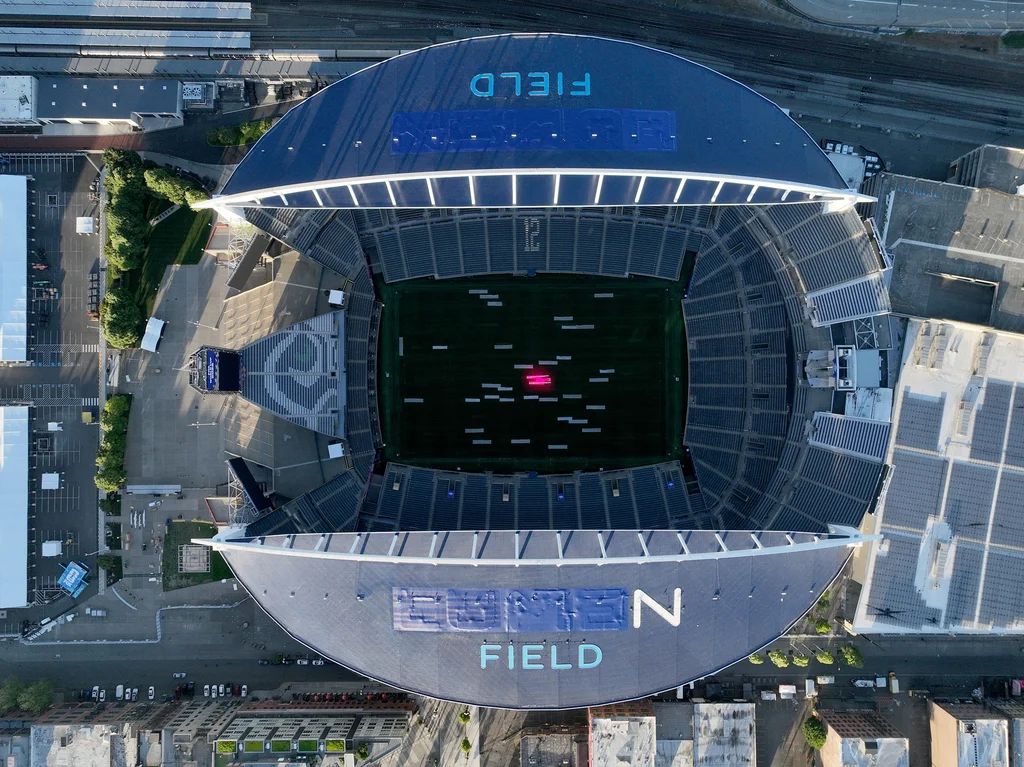
Ryan Asdourian, Lumen’s EVP and Chief Strategy & Marketing Officer, says the company’s branding has been stripped from every surface of the venue it paid nearly $163 million for in 2017 for 15 years of naming rights. The venue is now called Seattle Stadium.
“One of the things I’m most proud of is that we’ve got our branding everywhere,” he says. “I mean, it’s big top, it’s roof, it’s the Jumbotron, it’s the seats, it’s every garbage can,” he says. “It’s a lot.”
When asked how he’s thinking about branding during the World Cup, since it’s not going to be on the stadium, he says, “Well, we don’t, and that’s part of the agreement.”
To get a few last-minute brand mentions and some earned media in, though, the company released a promotional video joking about taking the logo down, though the CMO admits an outside company really plans and executes on the actual physical de-branding.
U.S. stadiums used to have mostly generic names, but beginning in the 1990s, corporate sponsorship became more common, and the trend has continued to grow. Today, nearly three-fourths of venues used by the big four men’s professional sports leagues are named for a corporate sponsor in banking or financial services, food and beverage, air travel, communications, insurance, technology, retail, automotive, or energy.
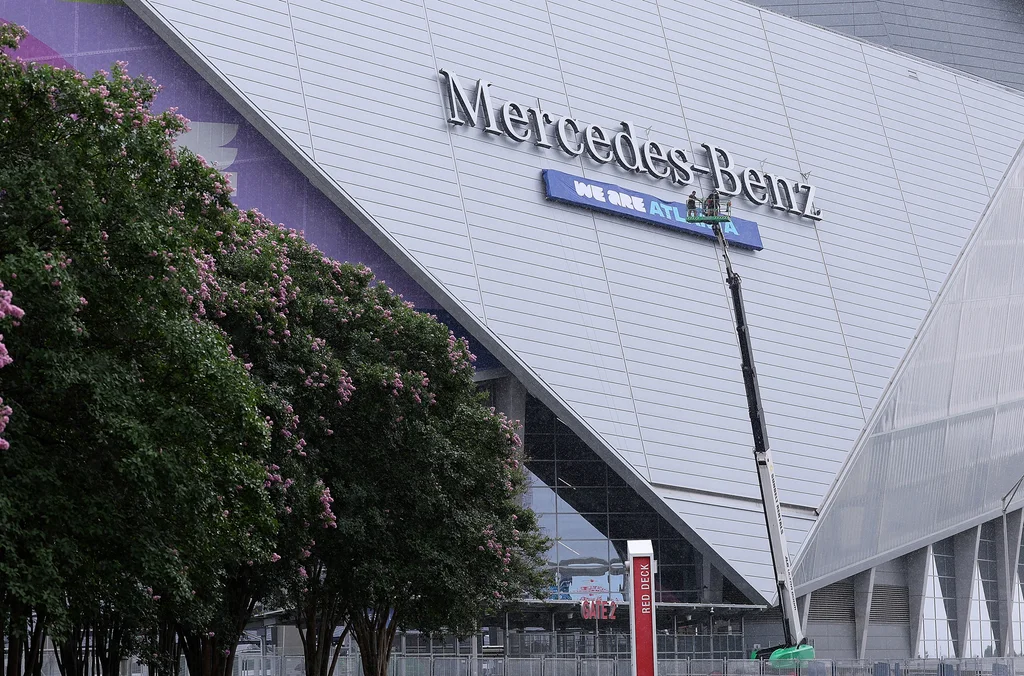
The rise of stadium naming rights has necessitated the need for contract clauses about de-branding for big outside events that don’t want it. In Atlanta, the luxury automaker that sponsors the stadium there found a loophole. Crews can’t get rid of one logo on the roof since it’s literally built into the retractable surface and removing it would damage the structure.
The temporary place names for the stadiums could be helpful for foreign fans visiting the U.S. who might not immediately know where venues named for razor blades or blue jeans are located, but could point generally on a map to Boston and the Bay Area. That benefit is likely secondary to the financial incentives for organizers.
For the rest of us, the non-commercial stadium names may feel nostalgic, a reminder of a time before everything was an ad.
Brands frustrated that their expensive naming rights are superseded can take heart that the temporary invisibility won’t last forever. Naming rights are a long-term investment measured in decades, not weeks, and everything that’s been debranded will one day soon be rebranded again.