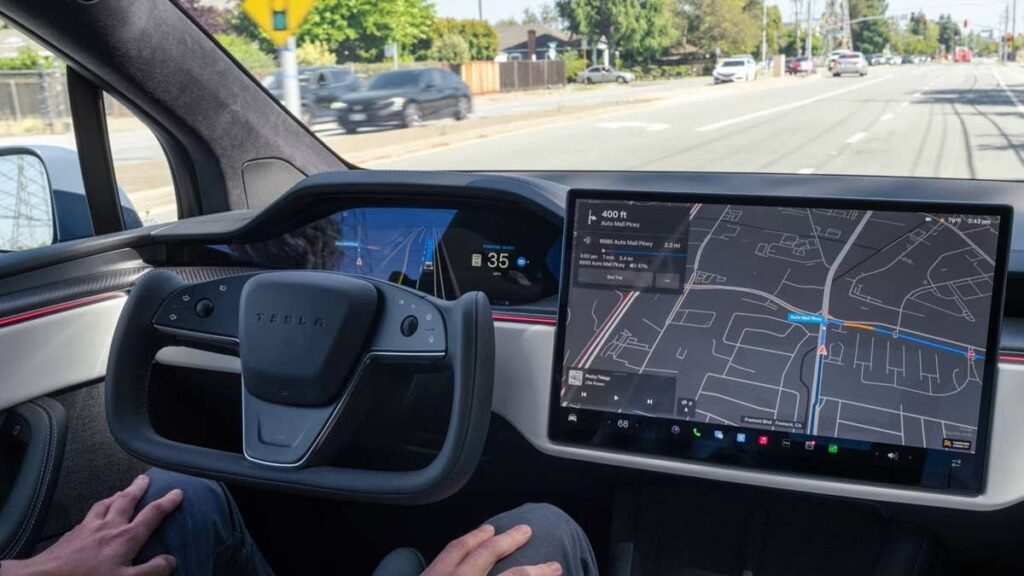
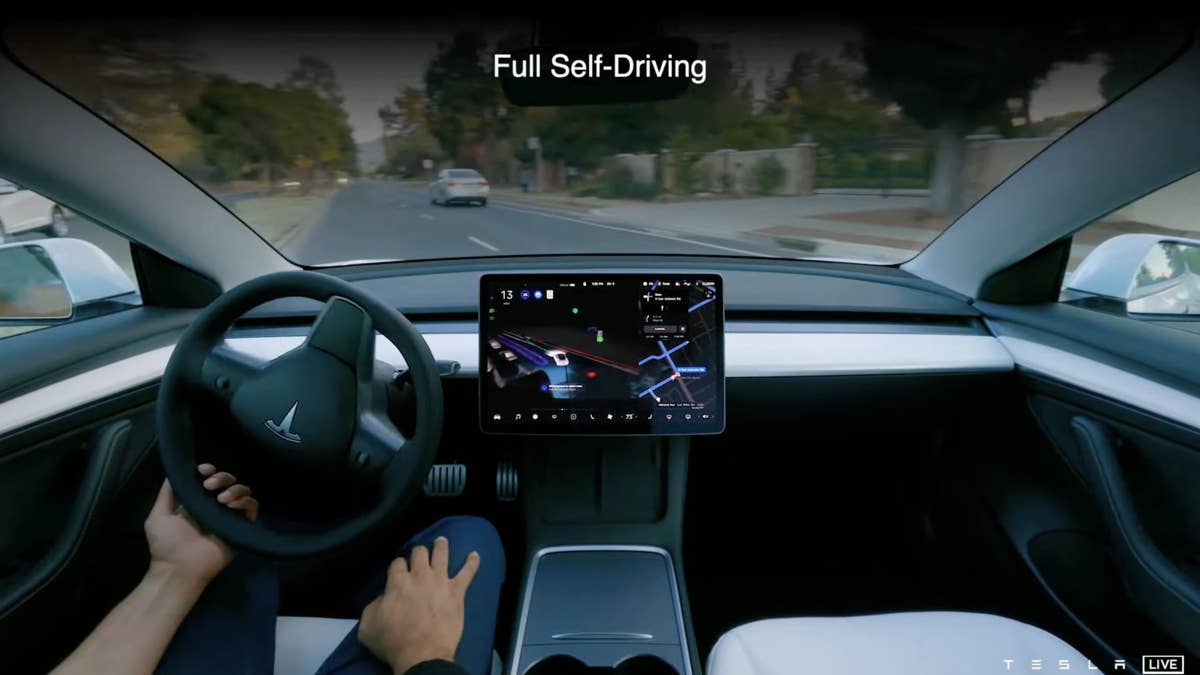
Tesla has spent years telling the world its Full Self-Driving software is on the verge of making human drivers obsolete. The people training the AI behind it disagree. Reuters interviewed nine former data labelers, a former self-driving engineer, and eleven independent traffic safety researchers, and what emerged was a story that cuts straight through the marketing. Seven of the nine former data labelers said they wouldn’t trust FSD to drive them. One put it bluntly, saying he wouldn’t ride in a Tesla Robotaxi even if you paid him. The worst part is that these aren’t critics with a malicious agenda, these are the people on the inside who’ve spent hours watching behind-the-scenes footage of the software in action.
Tesla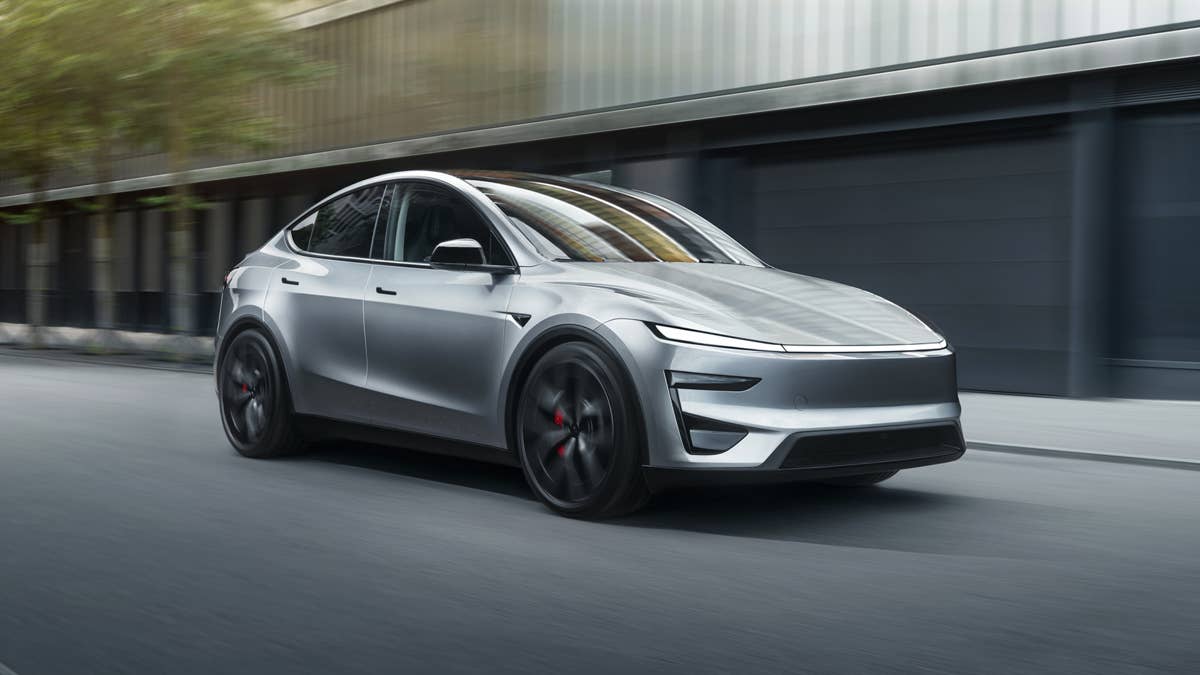
What Good Ol’ Investigative Journalism Actually Found
Insiders told Reuters that as Tesla prepared for public Robotaxi demonstrations, staffers worked long hours mapping specific routes and training the software on known hazards, essentially making the technology appear more capable than it actually was. Former employees said those safeguards cannot realistically be deployed at scale, which directly contradicts Musk’s repeated claim that FSD will soon function anywhere in the world without the kind of painstaking local mapping that rivals rely on.
The safety statistics Tesla uses publicly are equally shaky. Researchers found that Tesla inflates its safety numbers by comparing airbag-deployment crashes in FSD vehicles against a federal crash database that includes far less severe incidents, and by benchmarking against the average American car, which is considerably older than the average Tesla. Ten of the eleven researchers who reviewed the methodology told Reuters it read more like marketing than genuine safety analysis.
A Trail of Failures, Lawsuits, and Regulatory Heat
The distrust from insiders doesn’t exist in isolation. In October 2025, NHTSA launched a broad investigation into nearly 2.9 million Tesla vehicles after linking 58 incidents to FSD, including 14 crashes and 23 injuries, with particular focus on the system running red lights and drifting into oncoming traffic.
The legal picture is just as grim. A federal judge upheld a $243 million verdict against Tesla in a fatal Autopilot crash case, the first major plaintiff win in an Autopilot wrongful death suit. In January 2026, Tesla was sued over a Model X crash that killed an entire family, and in March a Cybertruck owner sued after her vehicle attempted to drive off a Houston overpass while FSD was engaged. Tesla now faces up to $14.5 billion in lawsuits spanning crash liability, false advertising, and securities fraud. The company has been selling a vision of autonomy for nearly a decade. Now, we find out that the people who helped build it aren’t buying it themselves.