Like any other battery, electric vehicle batteries last only so long. Constant charging and even the weather can degrade the cells, which can lessen an EV’s range.
For Waymo—which operates autonomous EVs that drive for hours at a time, providing a total of more than 500,000 paid trips a week—that means that “sometimes, our vehicles outlast our batteries,” says Adam Lenz, the company’s head of sustainability and environment.
But even if that battery isn’t fit to power a car anymore, it can still store energy. And now, retired Waymo batteries will get a second life as grid storage, helping firm up electricity grids in the same areas where Waymo is active.
How EV batteries become storage
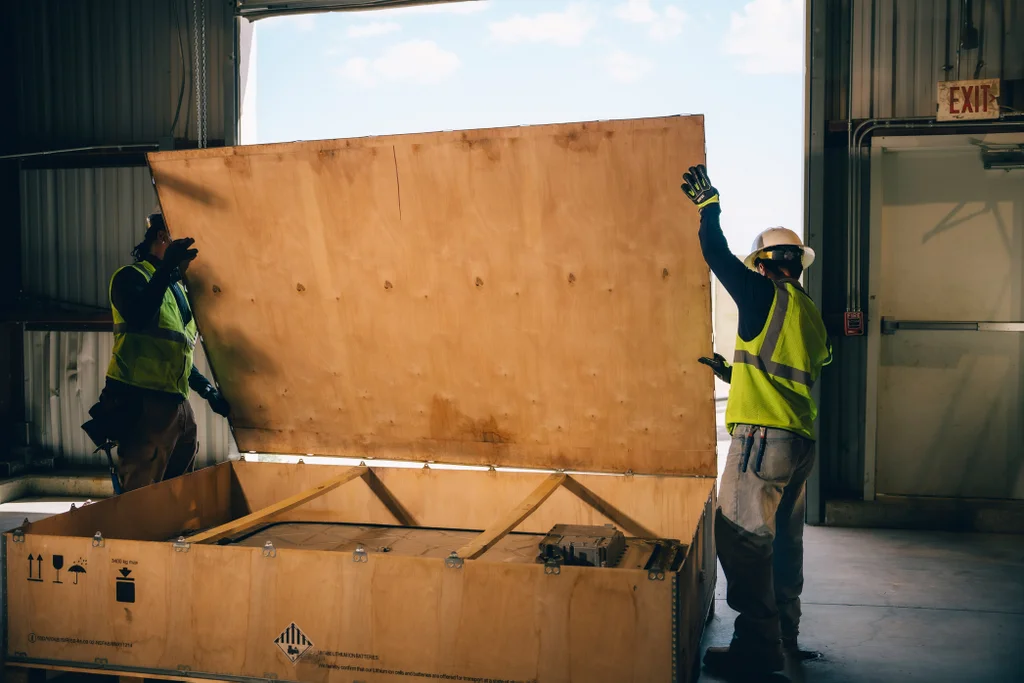
Waymo batteries will be repurposed as part of a partnership between the autonomous car company and B2U Storage Solutions. Founded in 2019, that startup turns used EV batteries into battery storage systems for the electric grid.
When an EV battery degrades, it affects how the vehicle charges, and also how much range it has.
But even when a battery isn’t fit for automotive use anymore, “you can take the same batteries and run a lot less current through them, but still get a good bit of utility,” says B2U’s CEO, Freeman Hall.

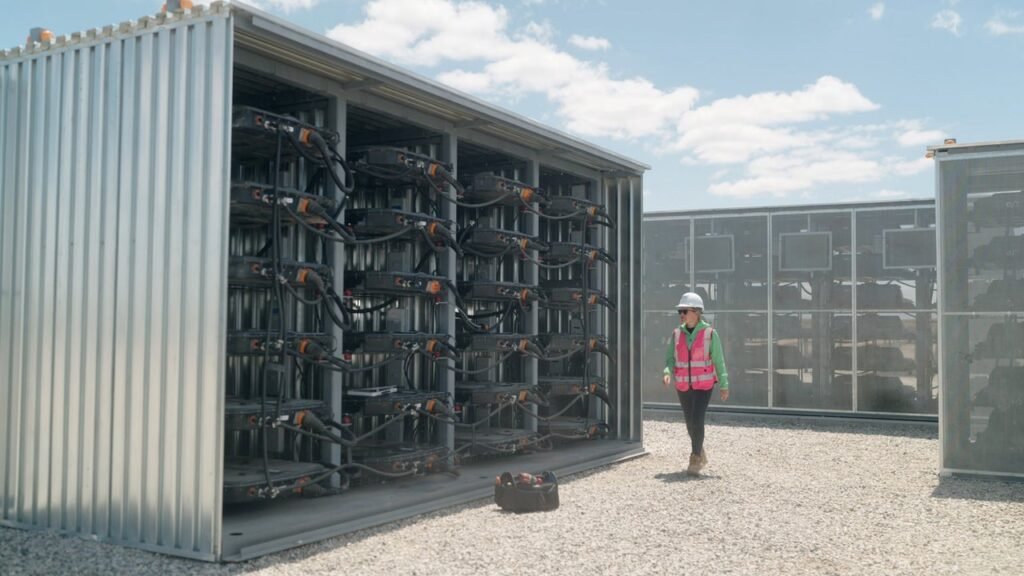
B2U takes the batteries as they come out of the vehicles, without separating any components, and slots them directly into its storage systems. The startup can fit between 24 and 54 EV battery packs into a cabinet, and each cabinet has a capacity of up to 2.5 megawatt-hours (mwh).
“That’s half as much, maybe, as the competing new best systems,” Hall admits. “But it’s still pretty effective, and our cost position is attractive.”
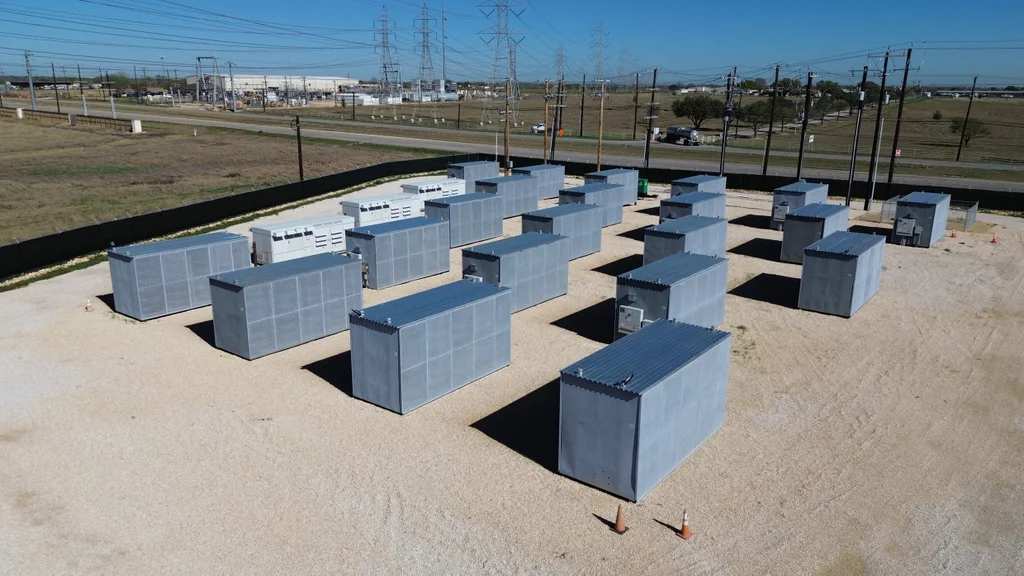
A battery storage project uses multiple cabinets; B2U’s project in Lancaster, California, for example, can store up to 28 mwh of power.
Years of more use
Even though the EV batteries have been retired from cars, they have a lot of life left for energy storage. Hall estimates that B2U’s systems can get a few thousand more charging cycles out of these retired batteries.
In its storage systems, the batteries average only “one cycle and change a day,” he says.
This means a few thousand cycles translates to somewhere between five and eight years of additional use. That allows the resources that went into those batteries to last longer. After that second life, B2U recycles the EV batteries with recycling partners.
“You want to get as much utility out of that asset before destroying it and starting fresh,” Hall says.
Already, B2U has repurposed more than 4,000 EV battery packs, using EV batteries from Nissans, Chevrolets, and Teslas.
Supporting local grids
Through its partnership with Waymo, B2U will repurpose Jaguar I-PACE batteries; Waymo has more than 3,000 of those EVs in its fleets.
Waymo does have a maintenance program and works on efficiency to increase its batteries’ lifespans, but this partnership helps that lifespan extend even beyond the vehicles, says Lenz, Waymo’s sustainability chief.
Neither company could say exactly how many batteries will end up in storage solutions, but with the size of that fleet, Lenz anticipates it means “thousands of batteries and over hundreds of megawatt-hours that will be deployed to BTU systems and supporting local grids.”
The partnership is also particularly beneficial to B2U. It means the storage startup will get a consistent volume of retired batteries, and all the same type, which helps it plan for storage projects and capacity.
“As the wave of batteries become available, we’ve got the projects ready to go,” Hall says. (Project deployment typically takes a couple of years, he notes.)
The two companies are also located in the same areas. Waymo operates in Los Angeles; B2U’s Lancaster project is an hour north, and it has a facility in Palmdale, which sits in Los Angeles County, and a third one in Santa Barbara County. Waymo also operates across multiple cities in Texas, and B2U is working on projects in that state.
This means that the EV batteries will be storing renewable power—capturing energy generated by solar when demand is low and the sun is shining, and then deploying that energy when demand is high—on the same grids that Waymos are using to charge.
“It’s synergistic to where Waymo is,” Hall says. “We can help firm up the very grid that needs to be enhanced to help consumers and customers do more with electricity, such as Waymo services.”
Time to scale EV battery repurposing
Lenz says that this partnership is the first time an EV fleet is sending its retired batteries off to a second life.
The entire field of repurposing EV batteries for grid storage is still new, Hall notes. For one, there haven’t been all that many EV batteries that have gotten to the end of their (first) life yet.
The Nissan Leaf, one of the first modern EVs, hit U.S. roads in 2011. Typically, an EV battery can last about a decade, and most warranties cover batteries for about eight years.
When B2U launched in 2019, that’s when “there was a first trickle of batteries” being retired, Hall says; the startup’s first repurposed batteries came from Nissan Leafs that he says degraded “a little faster than promised” in hot temperatures.
“We’re just now getting to the point where it’s time to scale this,” he says. “The time is now to make sure we’re getting as much utility and value out of these assets before true end of life.”