Xiaomi’s Breakneck Speed Breaks The Bank
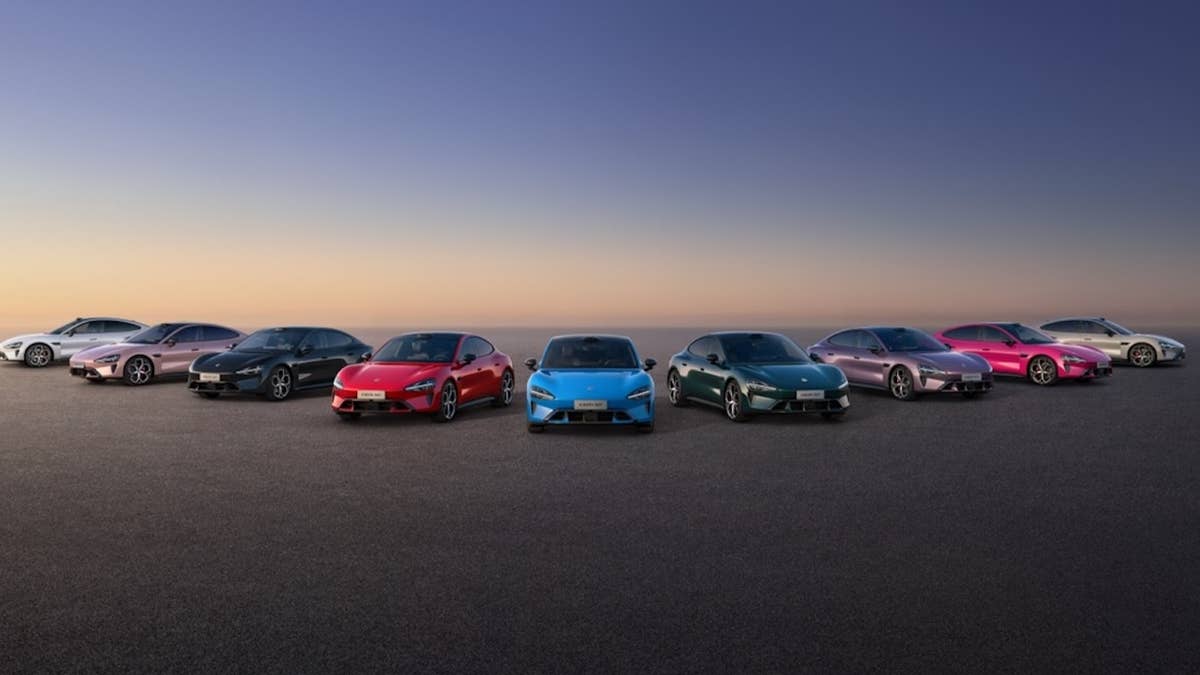
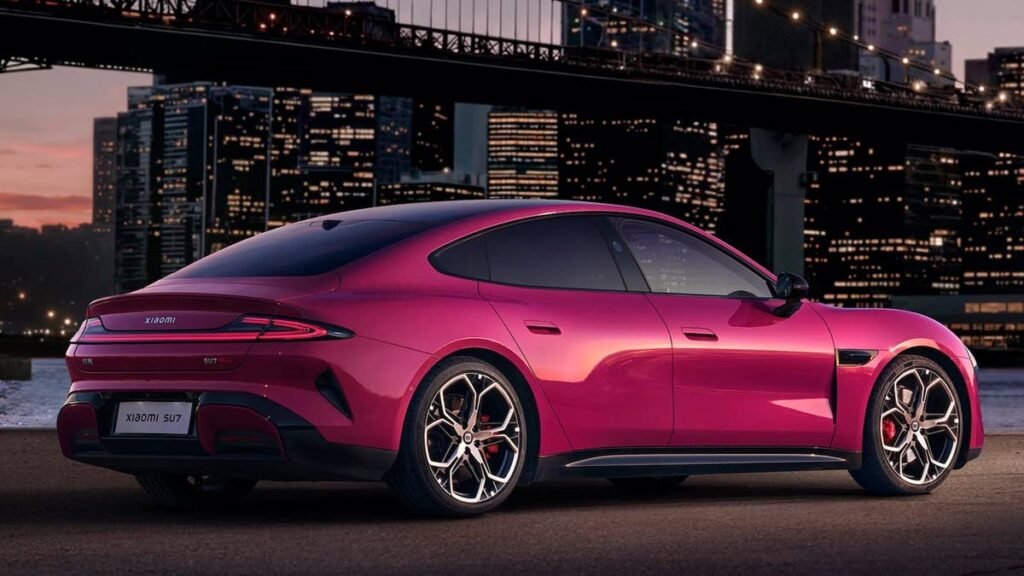
Xiaomi, a brand more commonly known for building affordable yet feature-packed phones and gadgets, has its own car, in case you missed it. It has proved to be quite popular; it recently sold more than 15,000 units in just about half an hour for the second generation of their car. On the surface, the consumer electronics giant-turned-automaker is flying high. However, beneath the viral delivery milestones and packed showrooms, the company’s financial statements hide a massive problem.
According to a report from CarNewsChina, Xiaomi Group’s Q1 2026 financial results show that their smart electric vehicle and AI innovation division generated 19.9 billion yuan ($2.9 billion USD) in revenue. However, it was dragged down by an operating loss of 3.1 billion yuan ($457 million USD). When you evaluate the 80,856 vehicles sold during the quarter, the result is sobering. Xiaomi lost roughly $5,600 USD per car it sold in the first three months of the year, a massive jump from the $900 USD per vehicle it lost during the same period last year.
Getty Images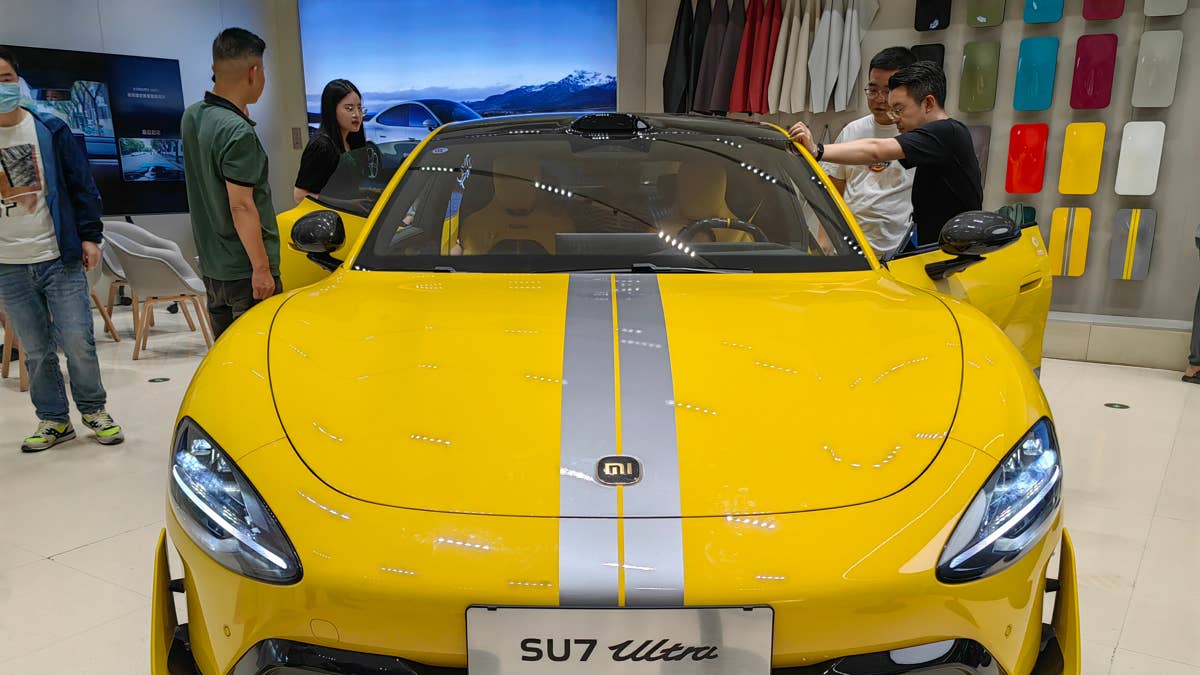
Losing the Margin Battle
While selling cars below their manufacturing cost is a hallmark of Chinese sales strategies due to an ongoing price war for hearts and minds in the Chinese market, Xiaomi’s volume remains incredibly robust. The company achieved a 6.6% year-on-year increase in deliveries despite the discontinuation of the first-generation SU7 series. This success was largely driven by the new YU7 series, which reached a cumulative delivery milestone of 232,000 units within 10 months of its market debut. Sales in April also surged by 71.2% month-on-month to 36,702 units.
The profitability challenges stem from heavily squeezed margins. Gross margins for the smart EV segment dropped to 20.1% from 23.2% last year. Xiaomi blamed this decline on vehicle purchase tax subsidies, a lower delivery proportion of the higher-margin SU7 Ultra, and rising costs for core components. Simultaneously, expansion costs are soaring. Xiaomi has aggressively built out its retail footprint to 490 sales stores across 143 cities in mainland China to keep up with consumer demand.
Xiaomi
The Lowdown, Selling Cars Like Phones
Americans are warming up to the concept of getting an affordable yet capable Chinese car into their garages. One of the biggest reasons is outright affordability, and Xiaomi knows that to succeed in the market, it needs to be distinct. Whether that distinctiveness comes down to looks, tech features, or disruptive pricing, Chinese brands have to compete fiercely with one another to survive.
Xiaomi is treating the automotive industry like the tech sector by subsidizing hardware at a loss today to capture dominant market share tomorrow. The entry-level YU7 standard version starts at an aggressive 233,500 yuan ($34,300 USD), directly undercutting Western benchmarks. Xiaomi has deep enough smartphone pockets to absorb this bleeding for now, but this brutal war of attrition means volume victories must eventually convert into actual profits.
Xiaomi