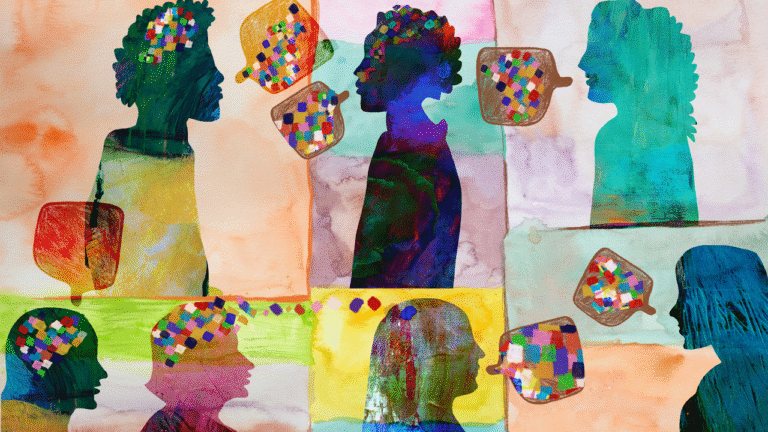
Human connectivity is core to the design of thriving live, work, play communities, where the blending of physical, digital, and live engagement offers meaningful personalization. Mixed-use districts continue to gain momentum as they reshape our cities: housing connects opportunity, workplace connects innovation, recreation connects wellness, and mobility connects access.
In the 1960s, Walt Disney (the man) sought to address fractures in American society and create “a living blueprint for tomorrow.” Walt’s vision for the Experimental Prototype Community of Tomorrow, known as EPCOT, was to create a real city (not a theme park). His vision was to do so through an ecosystem of residential, commercial, and recreation interconnected through multi-mobility, transportation, and walkability.
His words are shared in The Official Walt Disney Quote Book: “EPCOT will take its cue from the new ideas and new technologies that are now emerging from the creative centers of American industry.” Walt passed away in 1966 before his vision of EPCOT was realized, but he stated his ambition, “Everything in EPCOT will be dedicated to the happiness of the people who work, live, and play here.” While some of the concepts could be considered utopian and controlled, we can still aim for urbanism that is embedded with wonder and awe in the real world. EPCOT ultimately opened in 1982 as a theme park focused on global culture and innovation.
THE CAMPUS AS A LIVING ECOSYSTEM
The typology of higher education campuses has long been an environment centered around live, work, play. The University of Utah’s “college town magic” initiative looks to integrate communities by combining residential, academic, athletics, cultural, and entrepreneurial spaces to foster connection and innovation. The goal is to create a place where students, faculty, and staff can engage and build community together.
The vision of University of Utah President Taylor Randall is to transform the commuter-focused campus to a residential one, with sustainable transportation and parking to ease access. The guidelines for future planning decisions are based on enhancing six existing and evolving districts or “neighborhoods”—academic and research, health, college town magic, cultural, athletics, and research park.
The university’s Lassonde Studios for entrepreneurial students reflects a new paradigm of a 24/7 residential community that offers real world learning opportunities while creating social connections to accelerate ingenuity.
EXPERIENTIAL IMMERSION BECOMES ACCESSIBLE
The demand for adaptable mixed-use communities is being driven by the desire for seamless integration of living and working, with recreation opportunities that are not fragmented. According to the National Association of Realtors 2023 Community & Transportation Preferences Survey, 78% of people would pay more for a home in a walkable community. The value attributed to accessibility and proximity are a fundamental reorientation away from the transactional, to places designed with a people-first mindset. We see this evolution play out across various dimensions:
- The impact of global sports and entertainment brings the creation of shared experiences to the local level.
- Outdated retail centers are being reimagined to more curated story-driven experiences.
- Under-leased office buildings are being converted to much needed residential units.
TECHNOLOGY EMPOWERS HUMAN CONNECTIVITY
Infrastructure is the backbone of connectivity for live, work, play communities. A sense of belonging is beyond physical parameters where innovations like artificial intelligence and neighborhood-based digital twins are envisioned to enhance communication and security.
As we look to the future, many of the challenges we aim to solve today are seen through the lens of technology and the connection to human wellbeing. The Urban Land Institute and PwC’s 2026 Emerging Trends in Real Estate report for U.S. and Canada underscores a generational shift that data center demand is outpacing capacity.
DESIGN WITH PEOPLE-FIRST MINDSET
With the hyper-personalization of smart home systems, hybrid work, and mobility options, a “community of today” reflects the real world and must go beyond experimental or being a prototype. It is designed with a people-first mindset for diverse residential lifestyles. It also embodies vibrant work environments, entrepreneurial education, accessible healthcare, mobility options, and immersive human experience.
Walt’s notion of how we design communities that genuinely serve the people who inhabit them is still relevant today in the “real world” of cities, neighborhoods, and campuses. With the influence of economic challenges, technological advancements, and shifts in consumer sentiment, it will be vital to meet people where they are and where they choose to engage. Designing the future of live, work, play engages new levels of human connectivity.
“You can dream, create, design, and build the most wonderful place in the world…but it requires people to make the dream a reality.” Walt Disney
Barbara Bouza, FAIA, is executive director of CannonDesign’s Live, Work, Play.