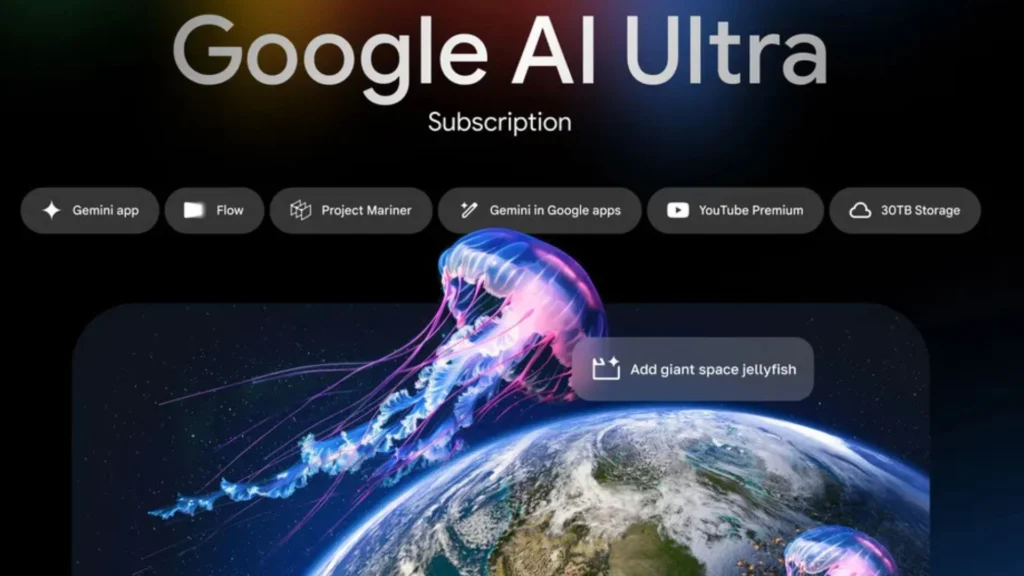

Subscription tiers are supposed to make choosing a service easier. However, a recent product branching left Google ecosystem users scratching their heads. Following the introduction of a new AI Ultra pricing alternative, the subscription menu for high-end cloud tiers became incredibly muddy. Fortunately, Google is rolling out a quick design correction to ensure customers know exactly what they are paying for before inputting their credit card data for an AI Ultra subscription.
The identical name dilemma
The confusion traces back to the technical announcements dropped during the recent Google I/O 2026 conference. During the showcase, developers officially split the top-tier Google One premium option into two distinct brackets. The absolute highest package demands a steep $200 per month, delivering a massive 30TB of cloud storage alongside 20x the standard AI operations threshold. To bridge the gap for heavy users with smaller storage requirements, the company added a second, lower tier priced at $100 per month with 5x extra AI compute quota.
The core issue stems from a lazy naming convention. Both packages officially share the exact same title: “AI Ultra.” Because the naming strategy remains identical, tech reviewers quickly noted that the initial upgrade dashboard did almost nothing to explain the massive $100 price gap. To a regular user, clicking the upgrade button simply made it look like jumping to the absolute highest price tier doubled your monthly billing statement just to add a tiny chunk of extra file storage.
Fixing the usage limits confusion between both Google One AI Ultra plans
Recognizing the growing friction, the development team decided to fix the visualization problem rather than rewrite the branding guidelines. Vikas Kansal, Google’s product lead for Gemini AI subscriptions, confirmed the news on an X post. He confirmed that an updated user interface is officially making its way to global accounts (via 9to5Google).

Shoppers no longer have to dig through obscure dropdown menus or external support articles to find hidden values. Instead, the mobile checkout flow now openly displays the concrete values. At checkout, the UI tells you exactly what quotas you get next to your allotment of cloud storage. This immediately reflects the value of the $200 bracket, as shoppers can now visualize the real benefits.
Meeting in the middle
There are still fans and specialists who believe in a different, cleaner way to fix the issue. They suggest Google should simply assign separate marketing names to the independent packages. This way, they would avoid consumer fatigue entirely. At least the updated dashboard ensures that paid users can verify their specific resource allocation in a single glance.
The post Double the Price for What? Google Clarifies Its Twin AI Ultra Paid Tiers appeared first on Android Headlines.