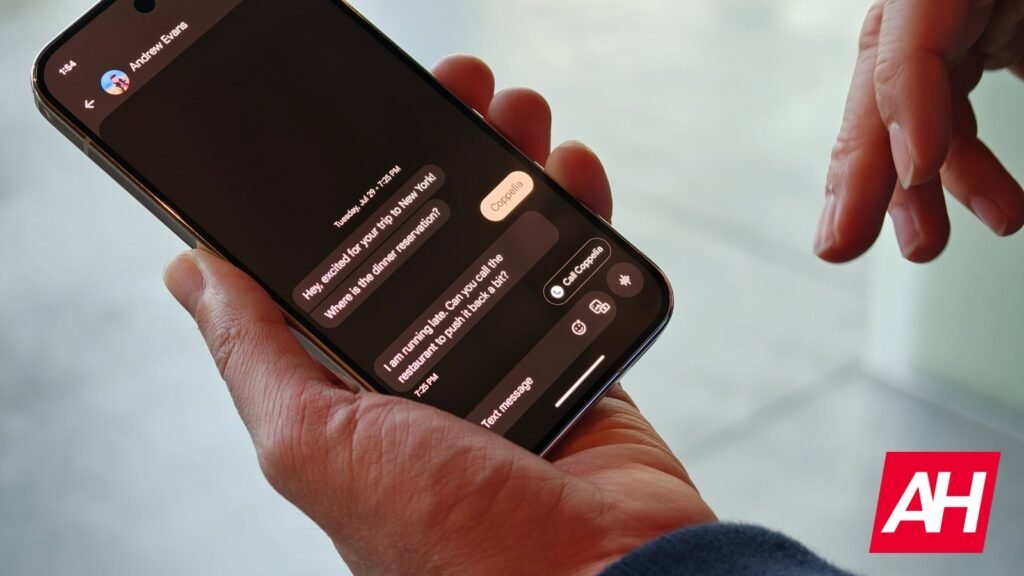

Google is now rolling out the Android Contextual Suggestions feature to more non-Pixel devices, including the Galaxy S25 Ultra and OnePlus 15, according to Android Authority.
These are both Snapdragon 8 Elite-powered devices, which isn’t surprising. However, we haven’t seen it roll out to more mid-range devices just yet, like the Galaxy A57. This makes us believe that they need the processing power of a higher-end chipset like the Snapdragon 8 Elite – yet the Tensor is able to handle it.
This is important to note because this feature is all done on-device, as Google mentions in its support page that “the data never leaves your device, isn’t shared with Google, and is used only for on-device learning”.
What are these Contextual Suggestions?
Android Contextual Suggestions are exactly what they sound like. It will pop up with suggestions and recommendations from different apps, which are based on your usage patterns. This is to help save you a few manual steps to complete the task.
For example, if someone texts you what time is your doctor’s appointment, and it’s in your calendar, it can pop up with the time and date of that appointment, and in some instances even give you a suggestion with the location of that appointment.
This feature actually is very handy, but if you’d rather not use these contextual suggestions, Google does allow you to turn them off in the Settings, thankfully. You can disable it by going to Settings > Google Services > All Services > Developer Features > Contextual Suggestions.
So far, the Contextual Suggestions seem to be pretty limited, but we’d expect that to change as it rolls out to more devices. More developers will want to use this API to get included in this feature. This could end up being an extremely useful feature, and potentially one of the most used features on Android.
The post Google’s Contextual Suggestions feature is finally landing on Samsung and OnePlus phones appeared first on Android Headlines.