With around 5 million pets entering shelters in the US each year, and almost 10% of those being euthanized,1 it is clear that the dilemma of stray, abandoned, and unwanted dogs will not disappear anytime soon. However, the good news is that over recent years, those figures have started to decline, and there are several likely reasons for this positive trend. Improved education surrounding issues of responsible pet ownership, the importance of spaying and neutering to prevent unwanted litters, and the ‘adopt don’t shop’ movement have undoubtedly helped to bring these statistics down, but there is one aspect that you may not have considered: location.
Some parts of the United States have much higher numbers of stray animals, which not only puts their animal rescues under enormous pressure but also makes rehoming much more difficult.
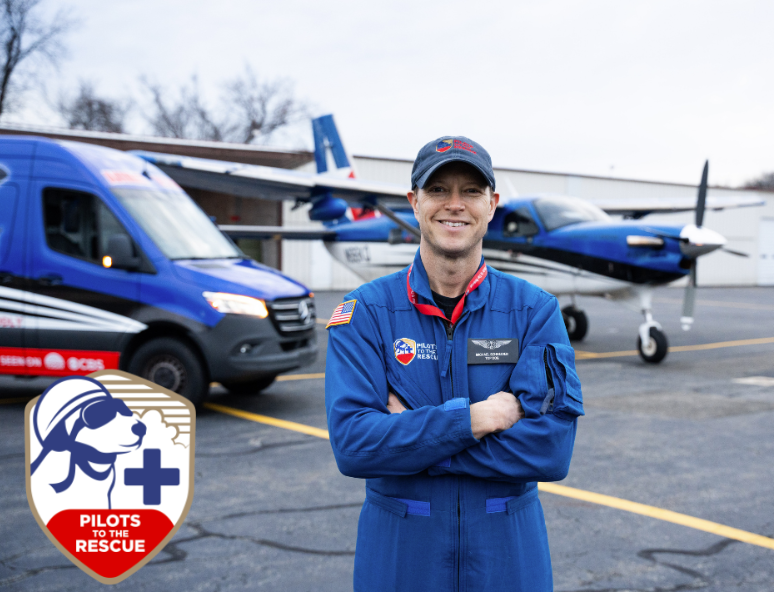
What if we could move animals from these areas into places that have more shelter space, foster carers, and pet parents searching for their perfect new family member? Well, that’s exactly what Michael Schneider, founder and top dog at Pilots to the Rescue, wanted to find out.
From Puppies to Planes
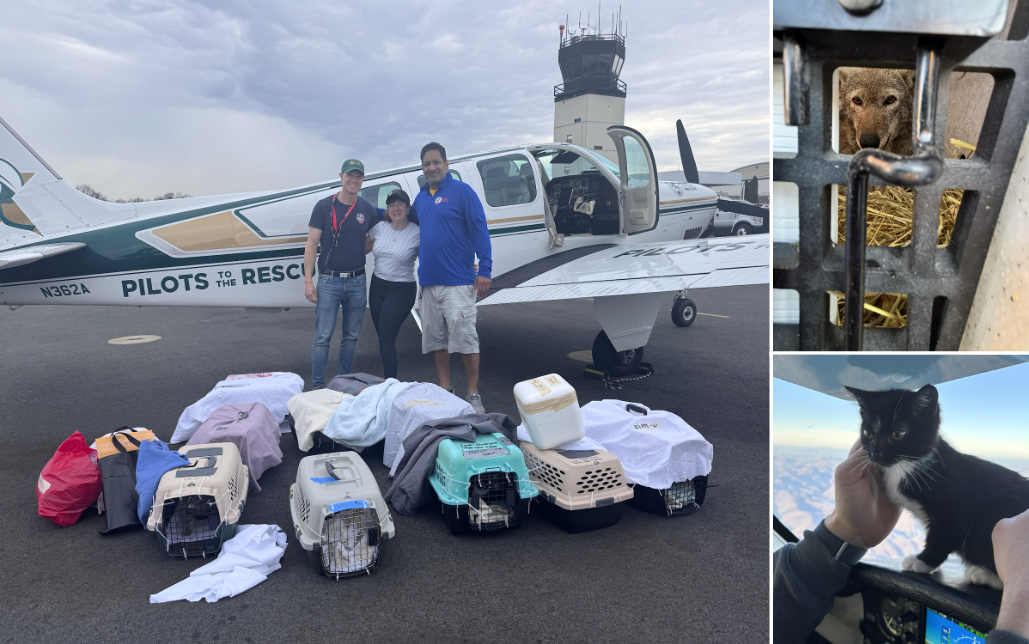
Michael’s journey started in 2015 with a litter of puppies that had been abandoned in a ditch in rural North Carolina. At the time, he was the owner of a corporate events business, but helping animals and flying planes were his real passions. When he heard that the puppies were going to be put to sleep because there was no room in any nearby animal shelters, he didn’t hesitate to jump in his plane and fly down to collect the poor abandoned pups and bring them to a facility on the east coast of New York where they could be looked after until they were strong enough to go to their forever homes. This mission opened his eyes to the enormous problem of overcrowded animal shelters across the country, and what he could do about it. And so, Pilots to the Rescue was born.
It began with one man and his plane, flying animals from areas and situations of high risk to places where they have a chance at a better future. Over the next few years, the charity grew, and in 2021, when Covid sounded the death knell to his events business, Michael decided to take the leap, turn his passion project into a full-time career, and has never looked back.
“I was almost forced, really, to do this full-time because I had no choice. I had to put food on the table with my family, but it was significantly less money,” he says, but considers himself extremely fortunate compared with many people who are working jobs they don’t find fulfilling.
“Nobody goes into a nonprofit to make lots of money. But in terms of fulfillment, it’s off the charts. Fulfillment is better than making money. It really is. I mean, it’s never enough money; I have four kids, and I live in Brooklyn, so it’s never enough money. But being excited about what you do and waking up every day and feeling fulfillment, and making a difference is extremely rewarding.”
Onwards and Upwards
Having celebrated their 10th anniversary last year, Michael is proud of what the charity has achieved, but is even more excited about what is yet to come.
“We’ve rescued over 6,000 animals, but last year alone we did over 2,000. And financially it’s just been continuing to increase. It’s not just me doing it from my kitchen table! I hired two people last year and two this year, and we’re continuing to rescue more and more animals and providing
solutions to these shelters by expanding our fleet.
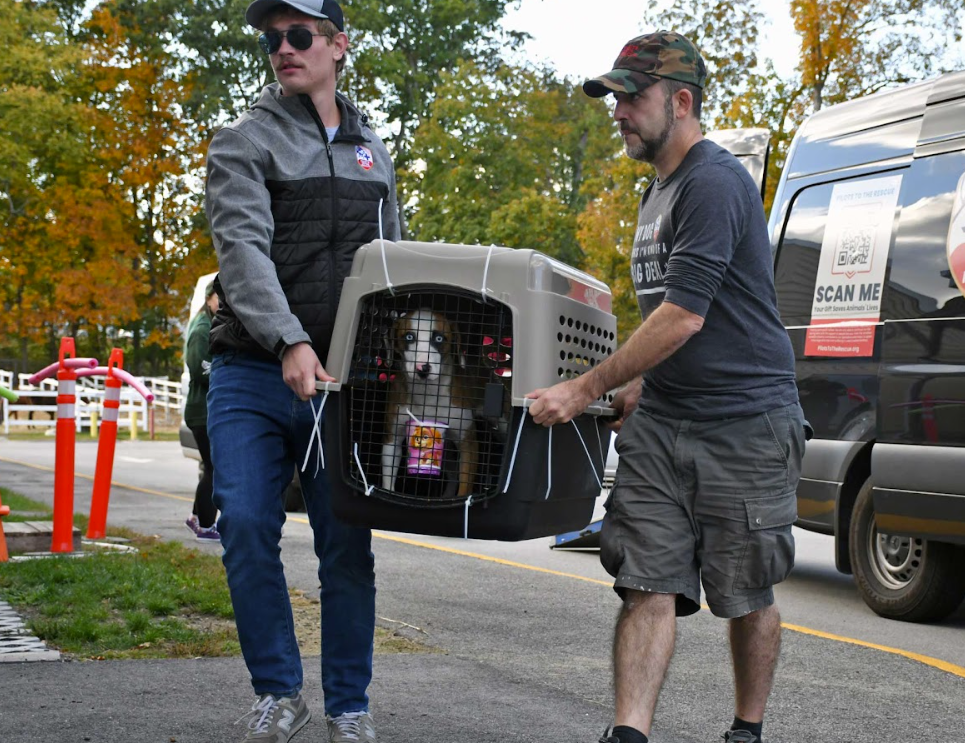
“Five years from now, I could see us having reliable, safe transport for shelters across the country, not with just aircraft, but with vans. Right now, a lot of shelters are struggling. They don’t have the equipment, they don’t have the drivers, they don’t have pilots, so we’re filling a much-needed niche in the animal rescue world by providing reliable, safe transport.”
But it’s not only cats and dogs that have benefited from Pilots to the Rescue. Endangered species, including wolves, sea turtles, and monkeys, have been on the passenger manifest, as well as the occasional farm animal. Most recently, the team took part in transporting a number of Beagles that were liberated from the infamous Ridglan Farms breeding center.
Raising Awareness to New Heights
As you can imagine, with the price of fuel continuing to rise, the costs of these rescue missions are eye-wateringly high.
“We own and operate two planes out of Essex County Airport in Fairfield, New Jersey, and we have seven transport vans,” says Michael. “The transport vans are the unsung heroes, the muscle behind the mission, because not every transport requires a plane, and they’re very expensive to operate, especially at the moment with jet fuel the way it is.”
And while help with funding is always welcome, Michael emphasizes that supporting Pilots to the Rescue doesn’t have to mean giving money. Raising awareness, sharing content, and increasing the visibility of the work can be just as valuable as making a monetary donation, and he is happy to be part of that message.
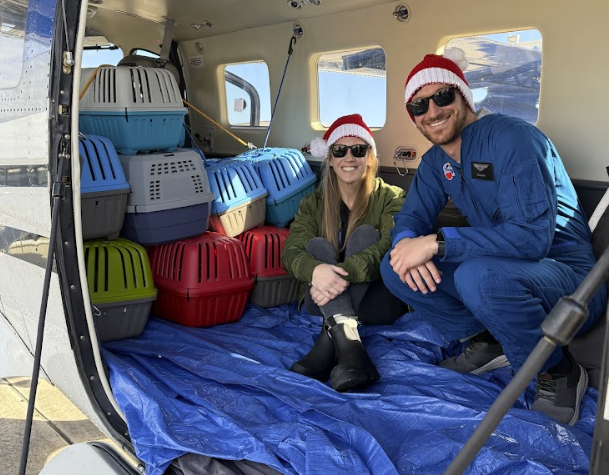
“Donations are really important. It’s easy to write a check, and if you have the means, that’s great. But actually rolling up your sleeve and getting involved physically is extremely rewarding. They always talk about: giving is better than receiving, and I’m living proof that that’s true.
“It’s so important to create awareness about this problem that we still have, and why it’s so important to adopt an animal and not buy one. Why it’s important to open up your homes and hearts to fostering animals. That is a great temporary solution to help these shelters.
“None of these shelters likes to euthanize. So these shelters that are euthanizing at such a high rate, if they get to bring some adoptable animals to the airport and see them go off in a plane, it gives them hope.”
You can find Pilots to the Rescue on Instagram and Facebook, check out pilotstotherescue.org to make a donation, or click HERE to get involved.
Did You Know?
- Our breaking news articles are included in our weekly emails. Don’t miss out on the latest and sign up for our newsletter below!