Chery, China’s largest car exporter, indicated its intention this week to enter the U.S. market when the timing becomes viable. For now, tariffs and local regulations have kept Chinese automakers out of the United States, but many analysts believe this won’t last forever. China’s growing presence in the global automotive industry has left many legacy automakers scrambling to keep up. In markets like the UK and Australia, Chinese models have already crept into the top 10 best-seller’s list. Chery recognizes the opportunity that exists in the large U.S. market and is clearly bullish about its chances of getting a foot in the door.
Related: Your Next Car Could Be Chinese
Chery Keen to Break Into U.S.
Chery
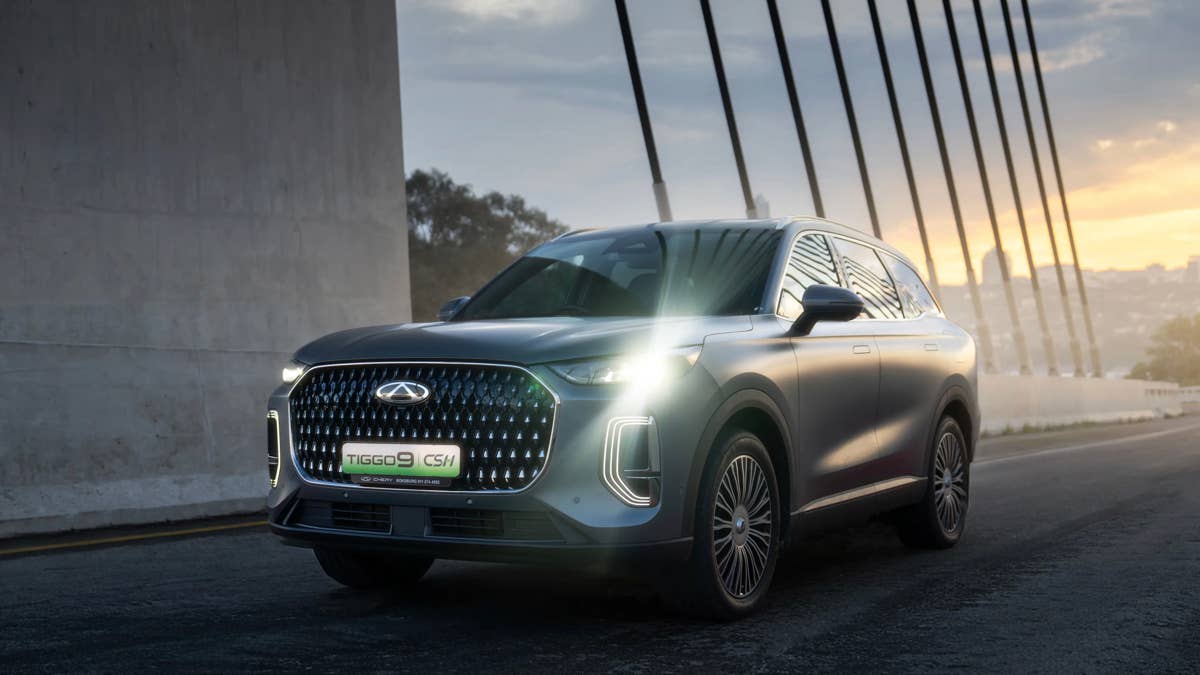
One of the largest automakers in the world right now, Chery sold over 2.8 million vehicles worldwide last year. Its subsidiaries include Omoda, Jaecoo, and Jetour, among others; in March, a Jaecoo crossover became the top-selling vehicle in the UK, outselling other popular SUVs from Ford and Nissan. That underlines the potential of Chery, and an executive overseeing the brand’s international business said this week that it wants to enter the U.S. at a suitable time, according to Reuters.
“When we find a good and suitable time in the future, we definitely hope to enter it,” said Zhang Guibing, president of Chery International, when talking to reporters at the automaker’s headquarters this week. “Everyone knows the American car market is huge … we definitely have the idea of selling cars in the United States. Everyone definitely has that idea.”
Chery
The executive said Chery’s own readiness and auto industry policies between the USA and China would determine when it makes the move. Right now, 100% tariffs are imposed on Chinese-made EVs, while lawmakers are concerned about connected-car tech in Chinese vehicles. Earlier this year, U.S. auto groups wrote a letter to President Trump, warning that Chinese automakers threaten global competitiveness and the domestic industry in the USA. Chinese vehicles are typically loaded with features and priced more competitively than legacy automakers’ offerings.
Trump previously said he’d be open to Chinese brands if they built vehicles in the U.S., something these brands haven’t yielded to yet. This month, the president also attended a summit in China, but no news of the discussions extending to auto sales in the U.S. was shared.
Related: Chinese Cars Are Blocked In America, But Their Parts May Be Next
Chinese Cars Are Genuinely Capable
Chery
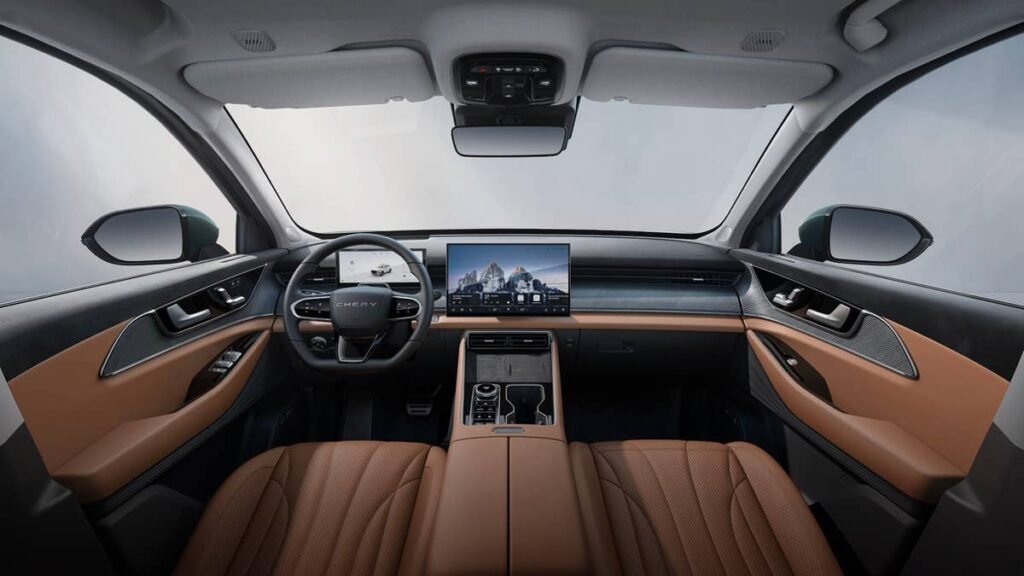
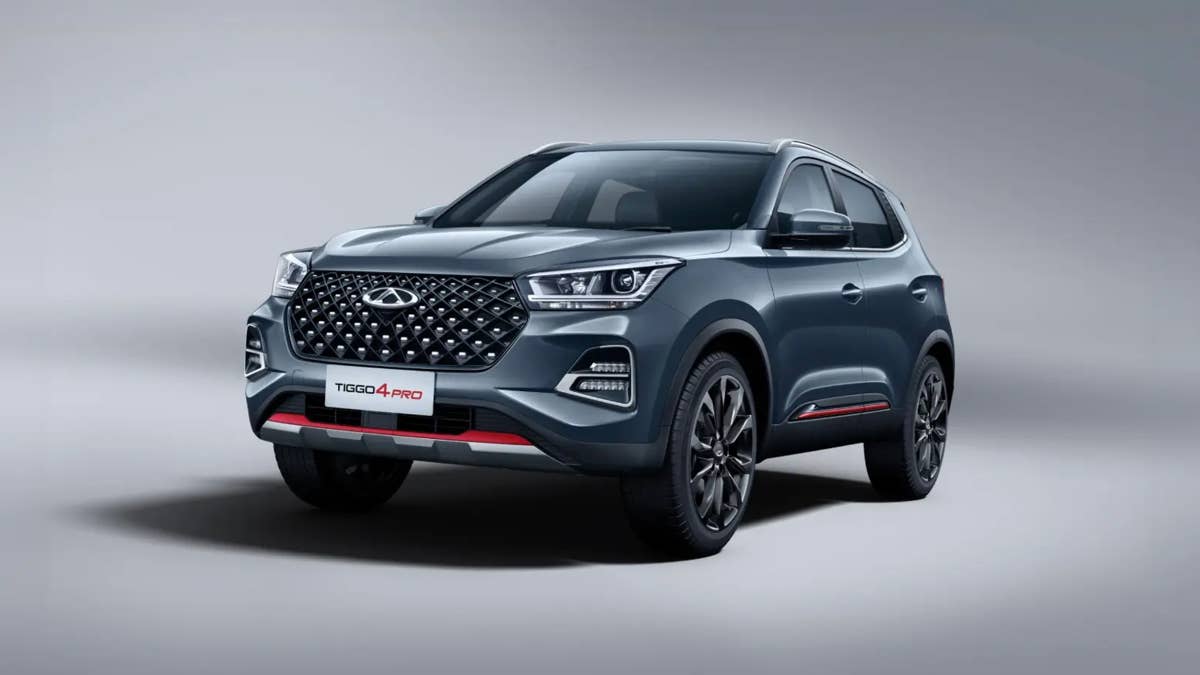
It doesn’t seem that long ago when Chinese cars were oddly styled, poorly built, and fell short in powertrain refinement, but the region has made great strides in these areas. Last month, I had the opportunity to be driven in a Chery Tiggo 4 Pro in South Africa. Priced at the equivalent of around $17,000 in that country, this is a small, budget-oriented crossover. I was in the entry-level trim, but it impressed me with its crisp digital displays and plush materials, which were better than what you’d find in an equivalent Toyota or Volkswagen. It was also comfortable for such a cheap crossover.
A seat behind the wheel of another Chinese vehicle, the Geely E5 electric crossover, confirmed that Chinese vehicles are unrecognizable from what they were a few short years ago. This model has a premium-feeling interior that wouldn’t look out of place in a Volvo; appropriate, since Geely owns Volvo.
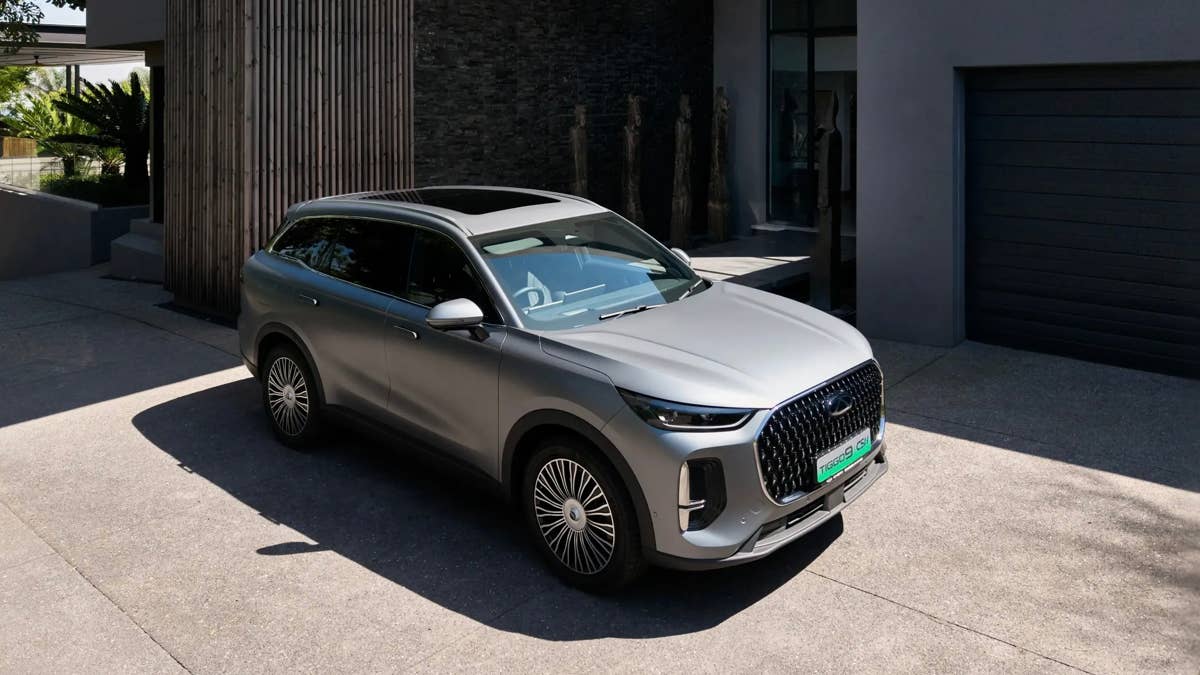
In certain markets, you can buy a powerful and luxuriously-equipped three-row SUV like the Chery Tiggo 9 for less than a far more basic RAV4.
Related: JLR Isn’t Worried About A China-Built SUV That Looks Like A Land Rover
What It Means
Chery
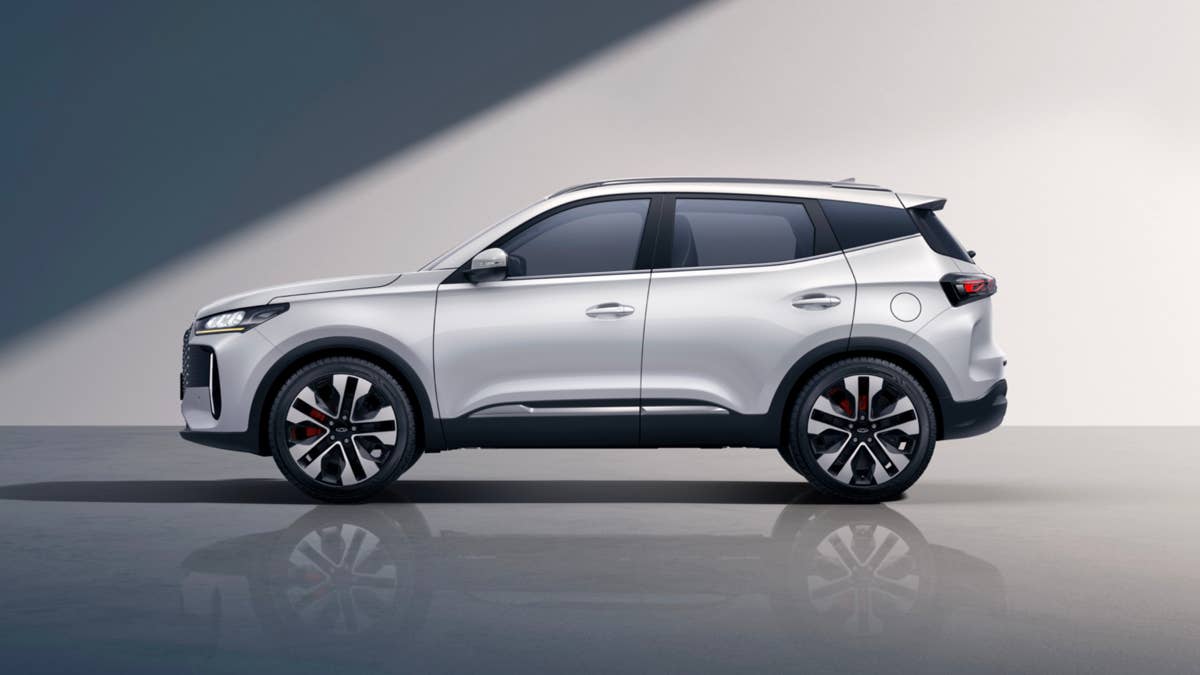
For now, the red tape keeping Chinese-branded automakers outside of the U.S. is still very much intact, but that doesn’t mean it will never happen. Mexico and Canada have already opened their doors to Chinese brands, and the likes of Chery seem prepared to make the move when, and if, policies allow for it. For now, the closest thing to a Chinese car in America is Volvo, which is owned by Geely and operates a plant in South Carolina. But that’s still a well-established European brand that’s been around for decades, not an unknown marque. Established European, American, and Japanese brands will still dominate the U.S. auto market for the foreseeable future, but we’ve seen how quickly this can change in other markets.