Under the Fastlane 2030 strategy revealed by Stellantis on Thursday, four brands will dominate the automaker’s future: Jeep, Ram, Fiat and Peugeot. The two U.S. marques are the real winners, however, as the North American market will receive a disproportionate share of the cash – and new products – that underpin the $70 billion program.
Chrysler
Fastlane contains a number of surprises, however. For one thing, CEO Antonio Filosa has ruled that, at least for now, none of the other 10 Stellantis brands will go on the chopping block, as many industry observers had long expected.
That includes the once mighty, but now all but forgotten, Chrysler, a name that long seemed ready to fade into oblivion. If anything, the 101-year-old marque now gets its own turnaround strategy as Stellantis prepares to quadruple its current, meager product line-up.
Driving Off Into the Sunset
In recent years we’ve seen a number of once-memorable brands vanish from the U.S. market, including names like Oldsmobile, Pontiac, Saturn and Chrysler’s one-time down-market sibling Plymouth.
With a collection of 14 separate marques created by the 2021 merger of Fiat Chrysler Automobiles and France’s Groupe PSA, Stellantis has a lot of mouths to feed, especially at a time when it is struggling to reverse last year’s massive sales and earnings losses. But, despite pressure from outside and in, Filosa was determined not to pare back the list, on Thursday declaring “Our brands are our strongest assets.”
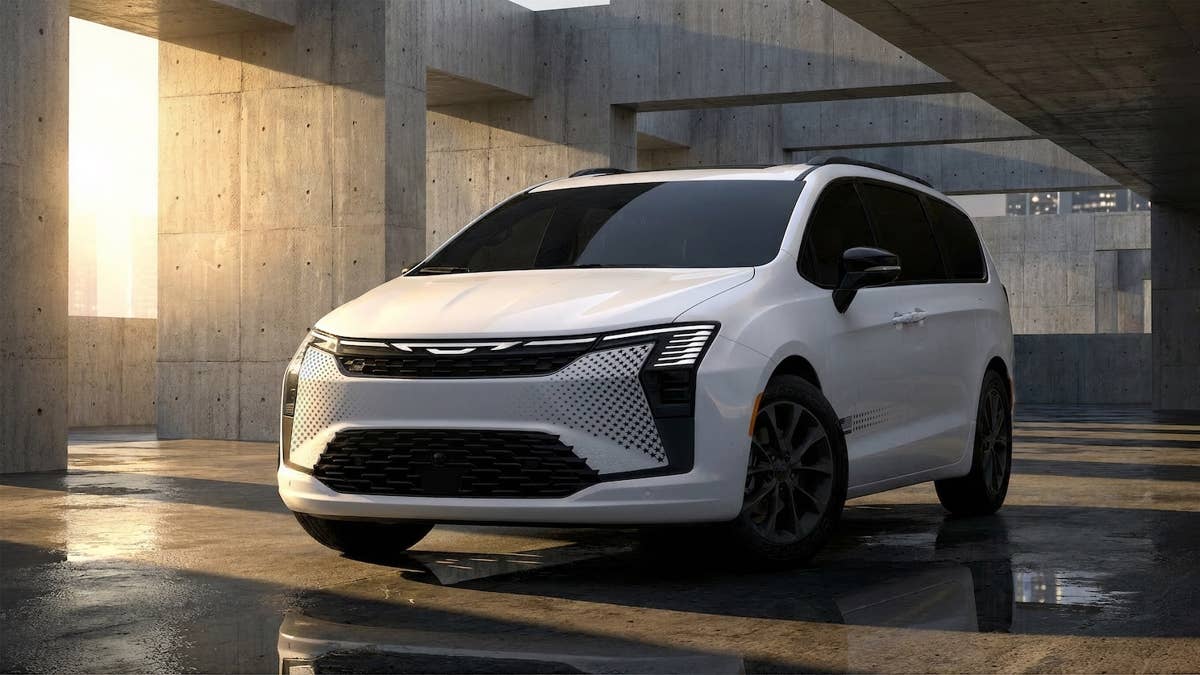
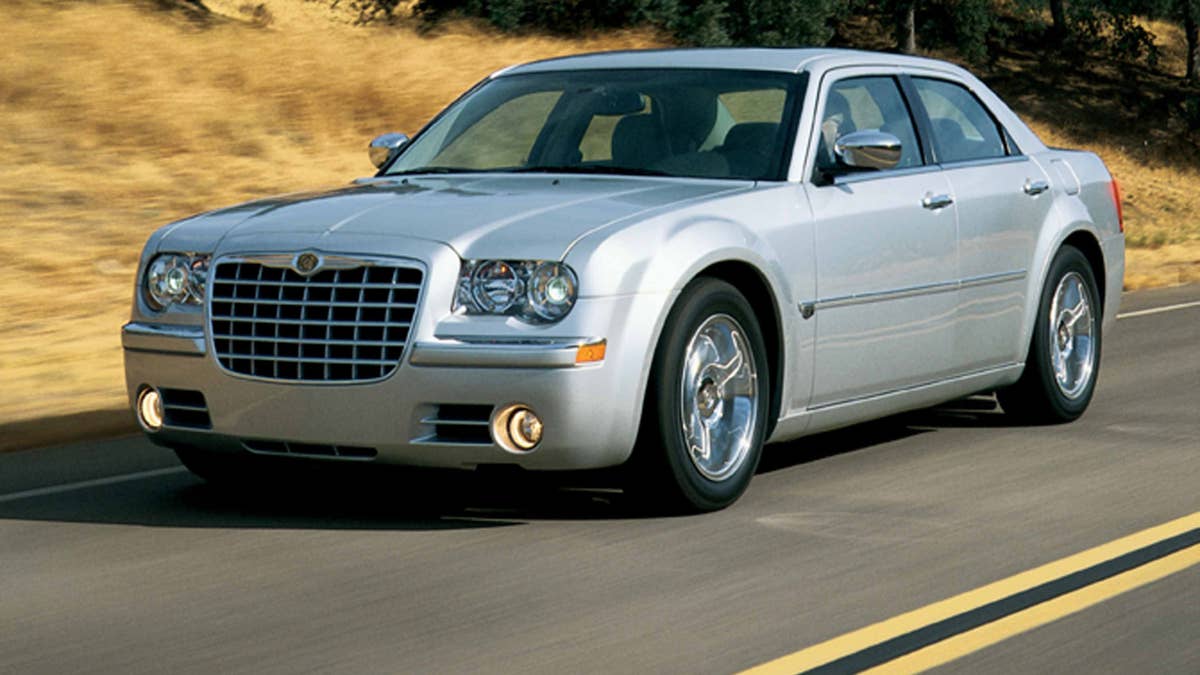
There was a time when that certainly applied to Chrysler. Back in 1957 it scored big with the “Forward Look,” with its massive tailfins, crafted by design chief Virgil Exner, capturing a 20% share of the U.S. new car market. From a volume perspective, Chrysler peaked in 2005, delivering 641,406 vehicles, thanks to the equally aggressive styling of the big 300 sedan. But the bottom was about to fall out. As more and more motorists shifted from sedans and coupes to SUVs and CUVs, Chrysler was left watching from the sidelines. By 2025, with a line-up comprised of a single model, the Pacifica minivan, Chrysler dealers delivered a grand total of 78,933 vehicles.
Related: Chrysler Pacifica Prices Cut by Up to $2,060 After 2027 Model Criticism
Chrysler Comes Unplugged
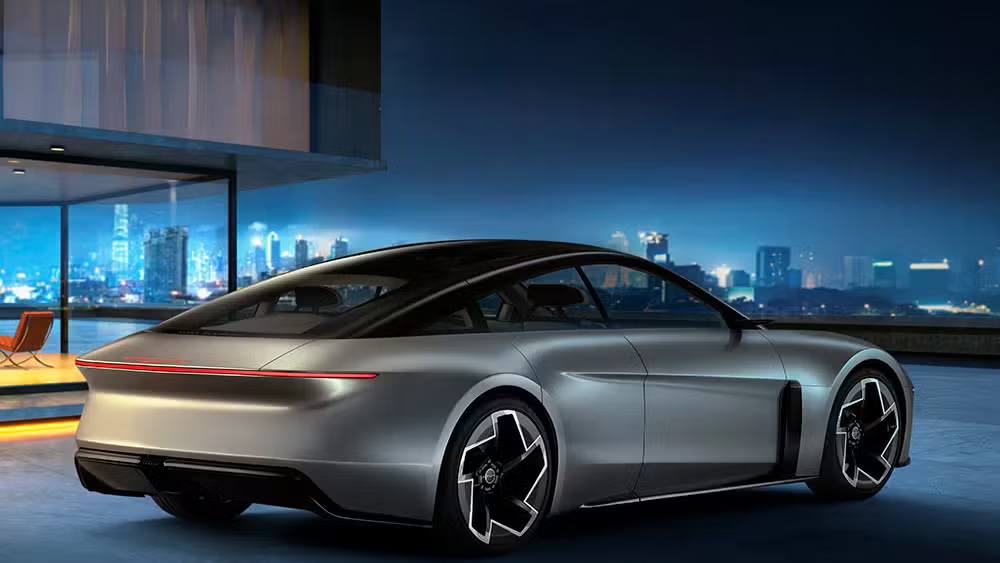
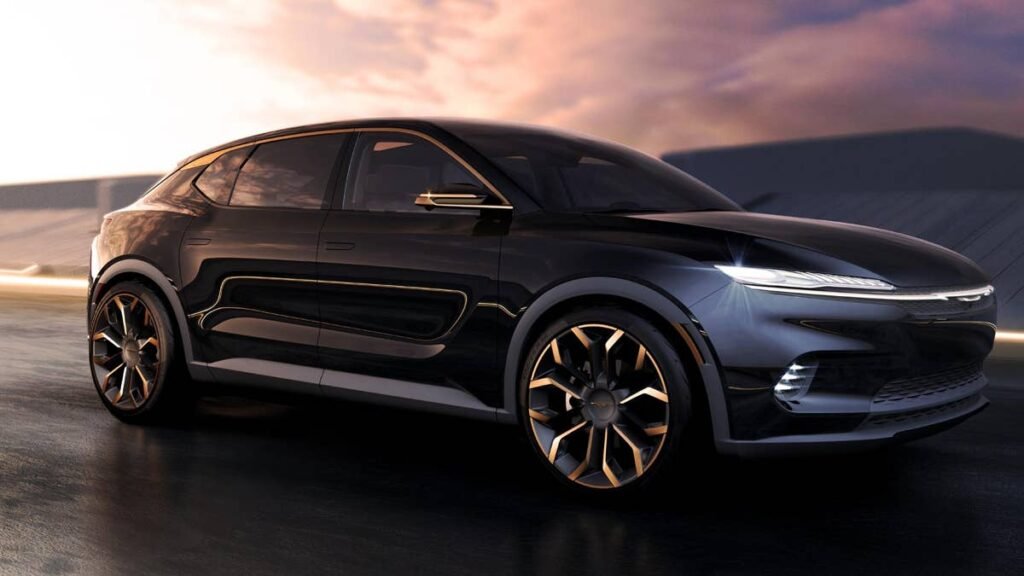
Over the past decade, FCA, and then Stellantis, seemed ready to give Chrysler a much-needed product infusion. As recently as last June, during an event marking the brand’s centennial, former boss Christine Feuell declared “Chrysler is in excellent condition,” insisting it was getting ready to roll out an assortment of new products based on several well-received concept vehicles, the Airflow and Halcyon.
The timing couldn’t have been worse, both models set to go all-electric at a time when Pres. Donald Trump and the Republican-controlled Congress were rapidly moving to short-circuit the EV market. Within months, Chrysler’s lifeline was severed. Making matters worse, Stellantis management decided to drop the plug-in hybrid version of the Pacifica. With seemingly nothing else to fall back on, Chrysler’s days seemed numbered.
A New Hope
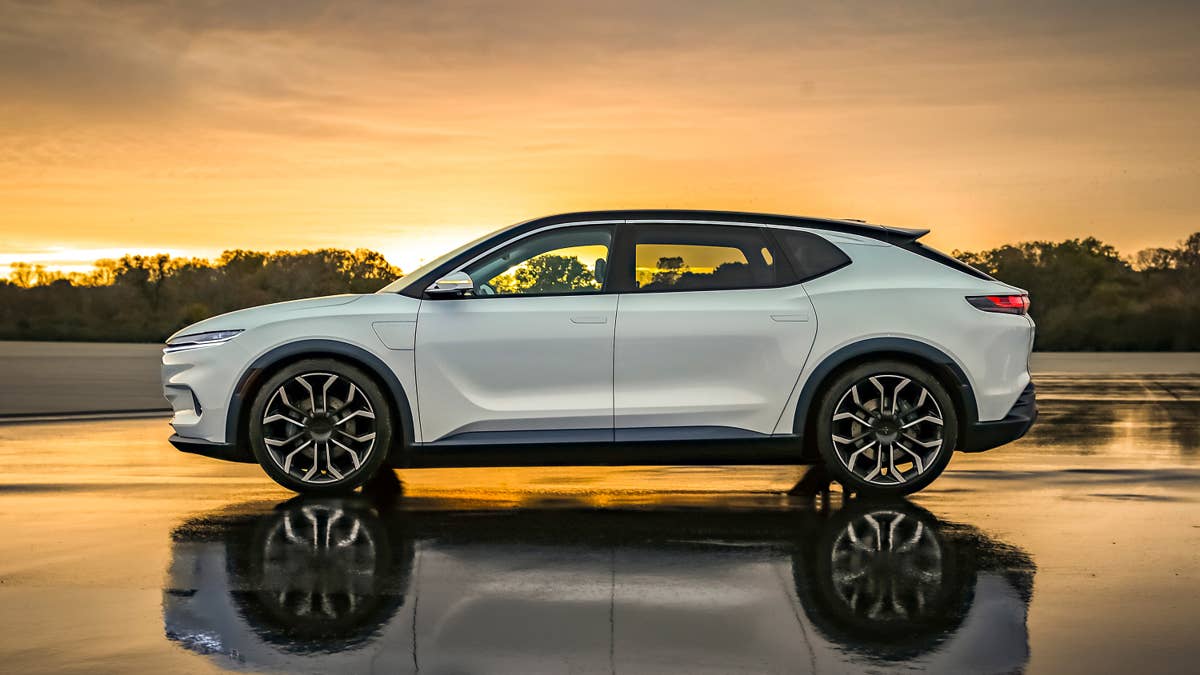
During Thursday’s day-long presentation, Tim Kuniskis, one of Filosa’s top lieutenants, asked the obvious question: “Can Chrysler be more than a minivan brand? It’s clearly been more than that in the past,” added Kuniskis, who serves as head of American brands and North American marketing and CEO of both the RAM and SRT brands. And, so it seems, it will be once more. The Fastlane program calls not only for a complete makeover of Pacifica – which is getting a more modest update in 2027 – but for the addition of three more products. While full details have yet to be released, the line-up will include:
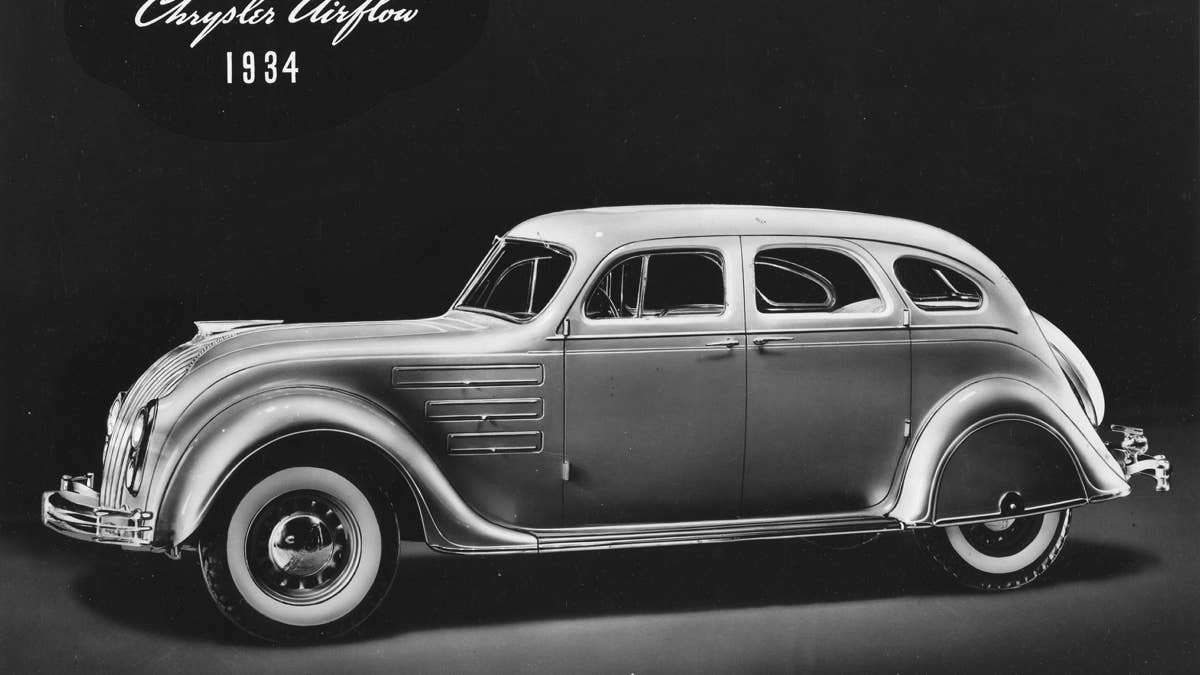
The Airflow, the largest and most expensive of the three, though it will still start under $40,000, according to Filosa and Kuniskis, about $10,000 less than the average transaction price of today’s new vehicles. While it shares the name of the recent Airflow concept – as well as a pioneering, highly aerodynamic production model from the 1930s – it’s expected to get a new design. It will be based off the new STLA One architecture, one of the three new platforms being developed under Fastlane. And it will be offered with an EV option, as well as several other powertrain choices.
The other two models will be “homologated” versions of smaller Fiat crossovers, Arrow Cross adopting a more coupe-like fastback design. Both are expected to start at less than $30,000, Kuniskis promised.
Chrysler Has Company
Stellantis officials are optimistic enough to list Chrysler as one of five second-tier “regional brands,” but it isn’t the only marque granted a reprieve under the Fastlane 2030 plan. Of anything, Fiat is one of the four new global brands. But that really shouldn’t come as a surprise to those who don’t focus exclusively on the North American market. The Italian brand continues to show strength in its ancestral home – but it really flexes its muscles in Latin America where it is the number one marque.
Lancia
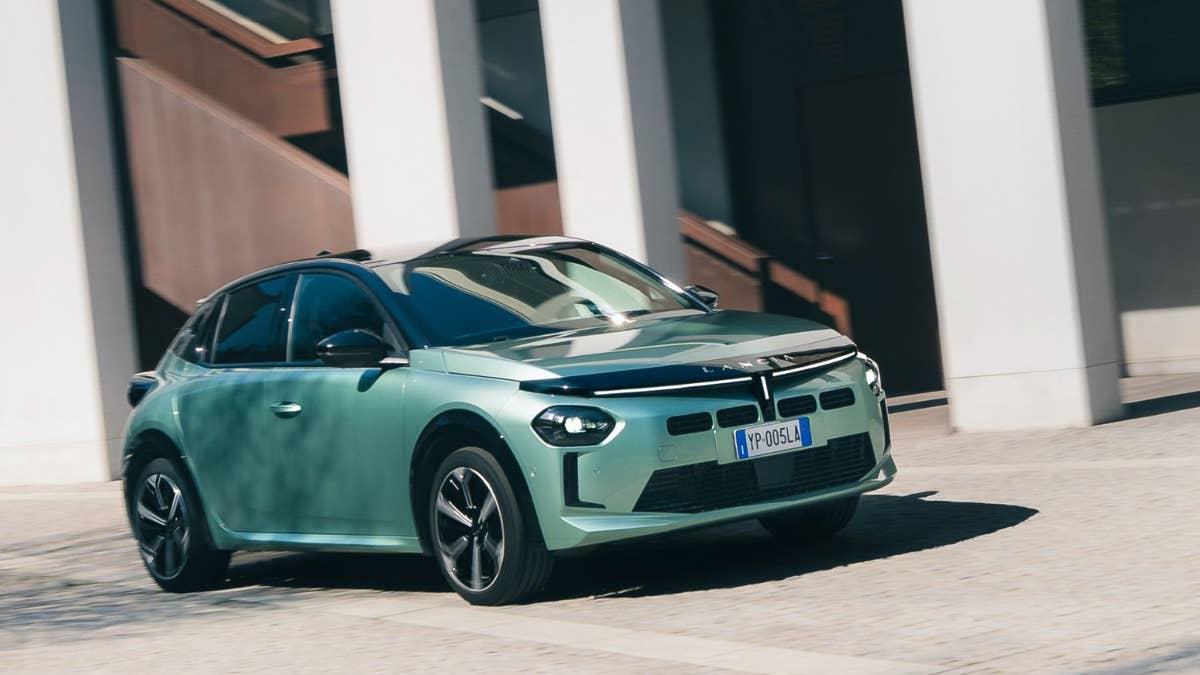
More surprising, perhaps is that Stellantis planners have chosen to retain the somnambulant Lancia brand. Founded in 1909, it was once positioned as a design and technology innovator. But demand has all but dried up. From 300,000 sales as recently as 1990, Lancia dealers delivered just 11,754 vehicles in 2025. Lancia drew little more than a vague mention during the Thursday presentation. But Stellantis officials have hinted they will expand the brand’s line-up – which, like Chrysler, currently consists of just one model, the Ypsilon. If they follow through, they’re also expected to try to reintroduce the brand beyond Italian borders for the first time in years.