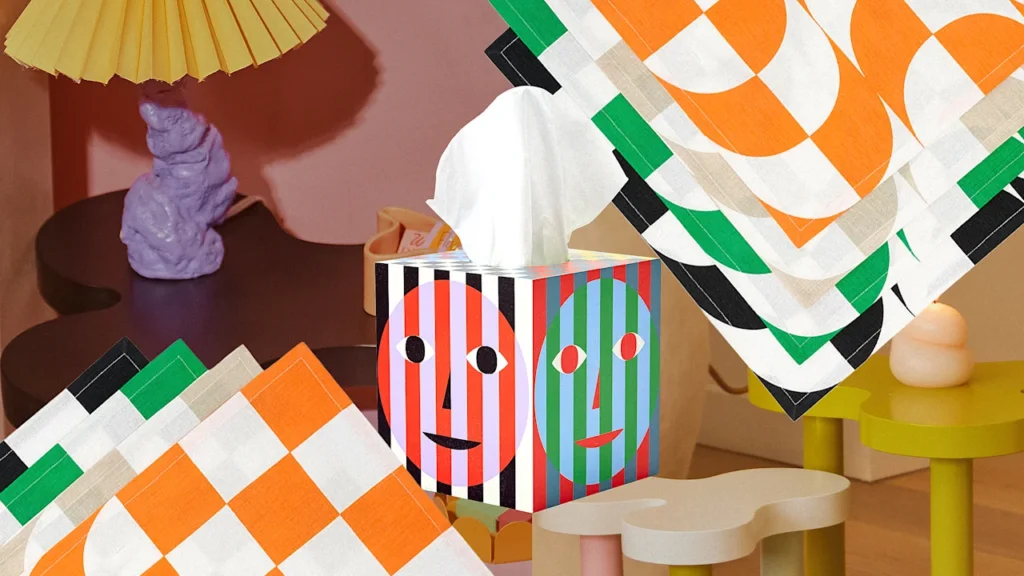
Areaware, the 22-year-old design brand, announced its closure back in February, bidding farewell to its dedicated fan base and selling off the last of its quirky home goods in a series of final sales.
Just three months later, though, the brand is getting a surprising second chance: Today, the puzzle company Piecework is announcing its acquisition of Areaware for an undisclosed sum.
Piecework, founded in 2019 by Rachel Hochhauser and Jena Wolfe, plans to keep Areaware’s name, website, and socials separate, and will maintain the two as distinct sister brands. According to Hochhauser, who will serve as Areaware’s chief brand officer, the idea to acquire Areaware was completely serendipitous.
“It stemmed half from our genuine enthusiasm for Areaware and what it means to the design community. The other half was that there’s a genuine business case for it on our end,” Hochhauser says.
Piecework, she explains, is in a growth phase—and it’s been looking to build out its SKUs beyond puzzles. Areaware’s existing brand platform, relationships with independent artists, and manufacturers will give Piecework a solid foundation to pursue that goal—but hopefully in a more sustainable format.
“I think it’s one of those really nice small business stories of something that happened really fluidly,” Hochhauser says. “It’s not part of a broader rollup strategy for us—it’s just something that felt like kismet.”
Keep the creative. Rework how it’s made
After Areaware announced its closure, the brand went through all the motions of shutting down: The company laid off its staff, wrote a farewell post on Instagram, and held multiple sales to move out final inventory.
Areaware’s cofounder, Noel Wiggins, explained to Fast Company at the time that the closure came due to difficulties with its business model and the added strain of tariffs.
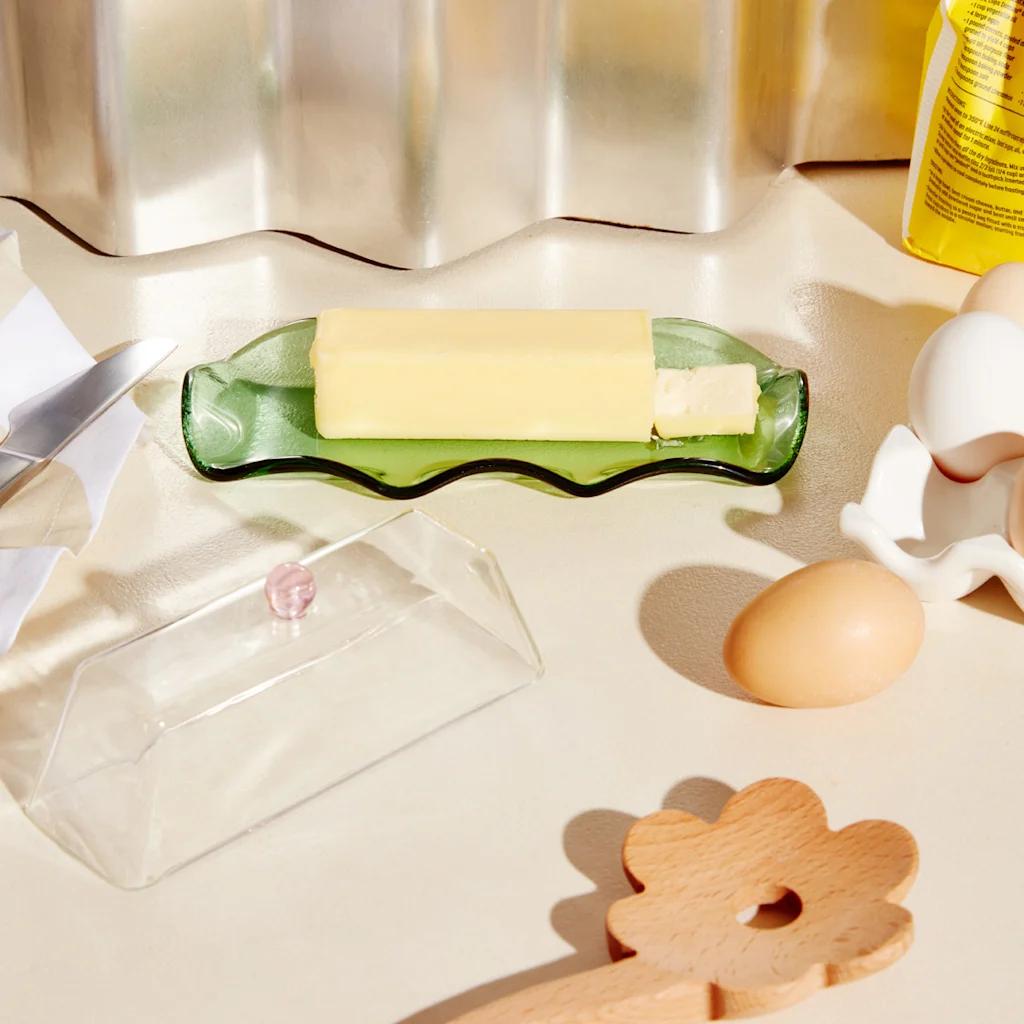
Areaware primarily operated by licensing and manufacturing pieces from independent designers. That offered smaller artists major exposure, but, because the company produced such a variety of materially different goods in small batches, it was difficult to scale. Product development was time consuming and expensive, profits vacillated wildly, and, ultimately, tariffs were the final straw. “It is not a great business model. It’s a wonderful creative model,” Wiggins said at the time.
Hochhauser in contrast believes she has a fairly straightforward plan for improving Areaware’s operational model: manufacturing more products at once.
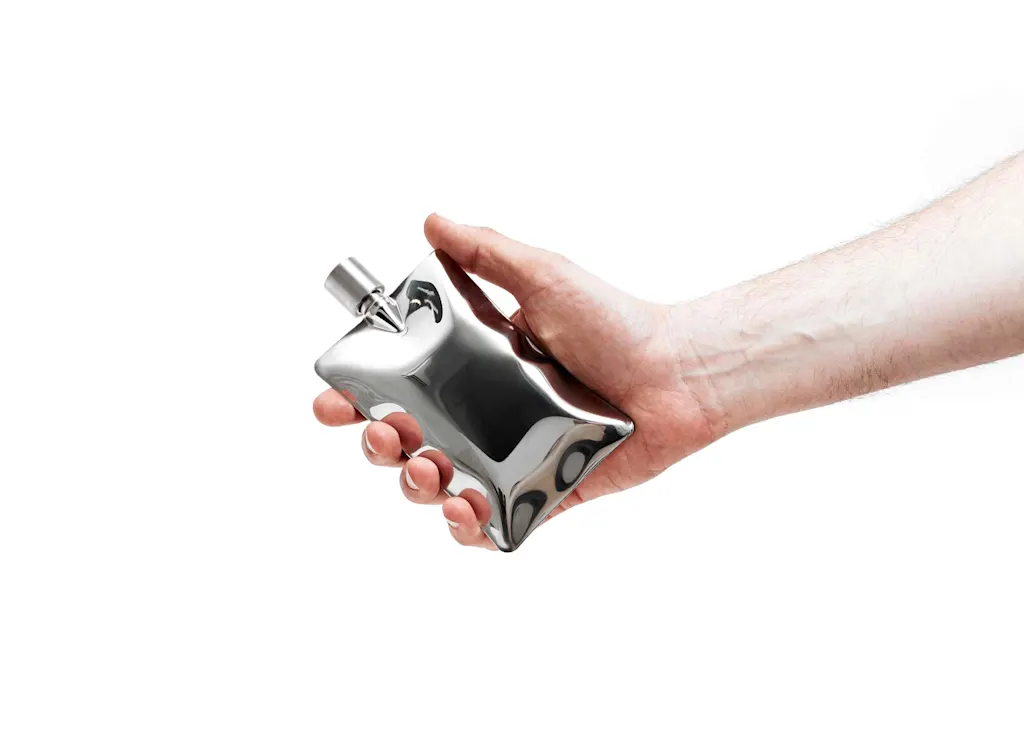
In the past, Areaware often partnered with artists on one to three products at a time, which were then made in small batches. Most of these pieces sold in the hundreds or thousands. This system meant high production and manufacturing costs for sometimes minimal profits.
In the future, Hochhauser wants to borrow from Piecework’s model and prioritize designing entire collections in tandem with artists and partnering with manufacturers who can then produce those lines in one place. (Say, for instance, a series of tomato-themed items and puzzles.)
By placing larger product orders and having them shipped from one location, she says, the business can avoid extra production costs accrued along the way. Wholesalers prefer this model too, because it allows them to increase the size of their purchases, Hochhauser says, and it also encourages customers to pick up a few extra items.
“We want to apply that same approach to Areaware,” Hochhauser says. “Rather than a buyer coming in and saying, ‘I’m going to get this one salt and pepper shaker set,’ they’ll be able to say, ‘We’re going to get this, but it merchandises really well with all of these other products.’”
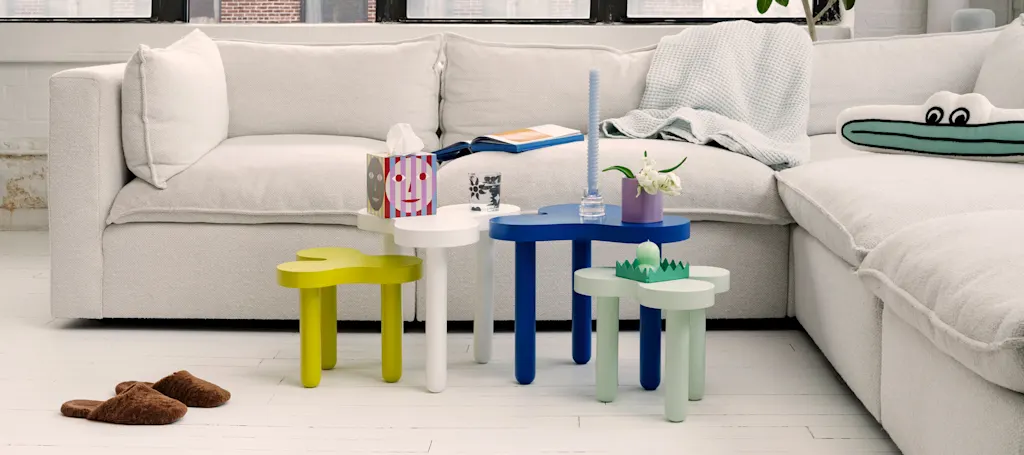
That said, Piecework won’t actually receive any Areaware product through its acquisition. Instead, the company will gain access to Areaware’s branding, IP, fan base, and numerous relationships with artists, manufacturers, and distributors.
Hochhauser’s team is in contact with some of Areaware’s former artist partners and is working to get some of its popular lines back up and running by the fall.
She believes this system will also help Areaware factor in additional tariff costs at the early stages of creative concepting, given that certain products cost more to ship than others.
“It’s a really challenging climate at the moment for small retail brands, and it’s no surprise that companies are struggling,” Hochhauser says. “Piecework seems to have found a model that, despite the odds, is really working and thriving—but it’s really specific.”

Building on a model that works
In its first six months of business back in 2019, Hochhauser says, Piecework got off of the ground through strong media coverage. Then, when the pandemic hit and puzzles took off, the brand’s business skyrocketed—and it needed to start scaling, fast.
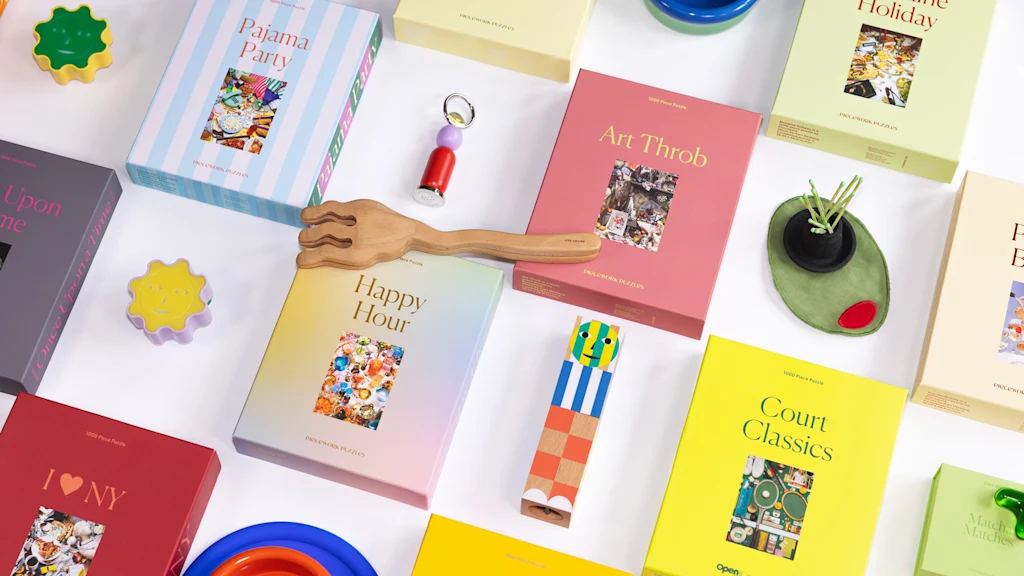
Operating primarily through an in-house design team, Piecework began to expand its puzzle offerings. Then, it branched out further into other design-centric, gift-ready goods, like a fish-shaped carafe, maraschino cherry-inspired matches, and funky toothbrush holders. Its themed linen cocktail napkins, which range from tennis to martini and sardine prints, became a core driver for the business.
In 2025, the company’s revenue grew by 60% year-over-year. This year, it’s already on track to grow by another 40% before the fourth quarter. Hochhauser says a good chunk of that growth has been driven by lifestyle products like its napkins and decor, exactly the kind of quirky fare that one might have found on Areaware’s website.
On the user end, she wants the brand to feel like the same Areaware that fans know and love—while, behind the scenes, the brand’s operations can stand on more solid ground.
“The changes that we’ll be making will be largely invisible to the consumer, and, if they are [visible], we think they’ll be positive,” Hochhauser says.