Meta and Ray-Ban are finally getting some serious competition.
Warby Parker is launching its first-ever smart glasses, developed with Google and Samsung. Announced Tuesday at Google I/O, it could change the wearables market.
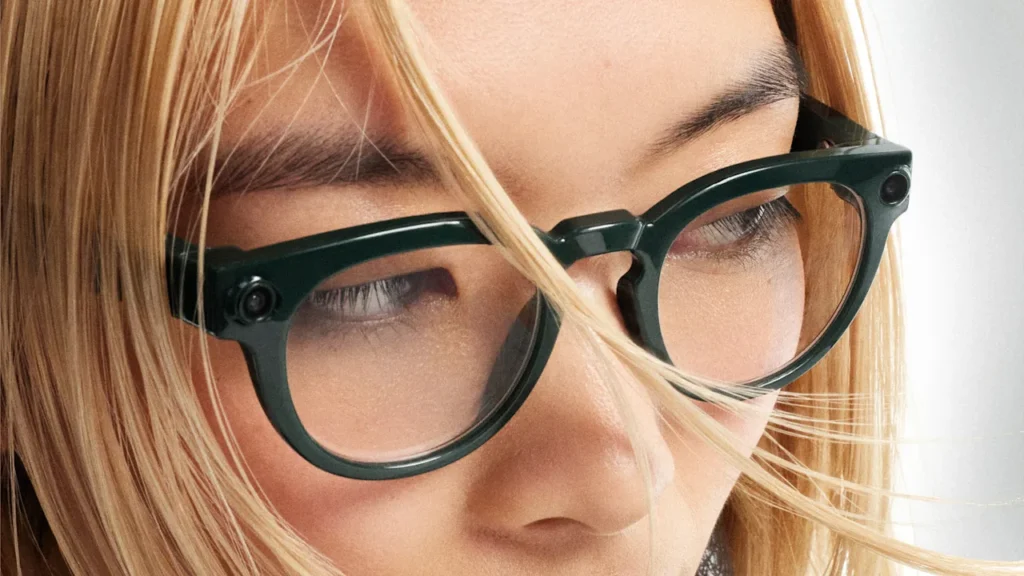
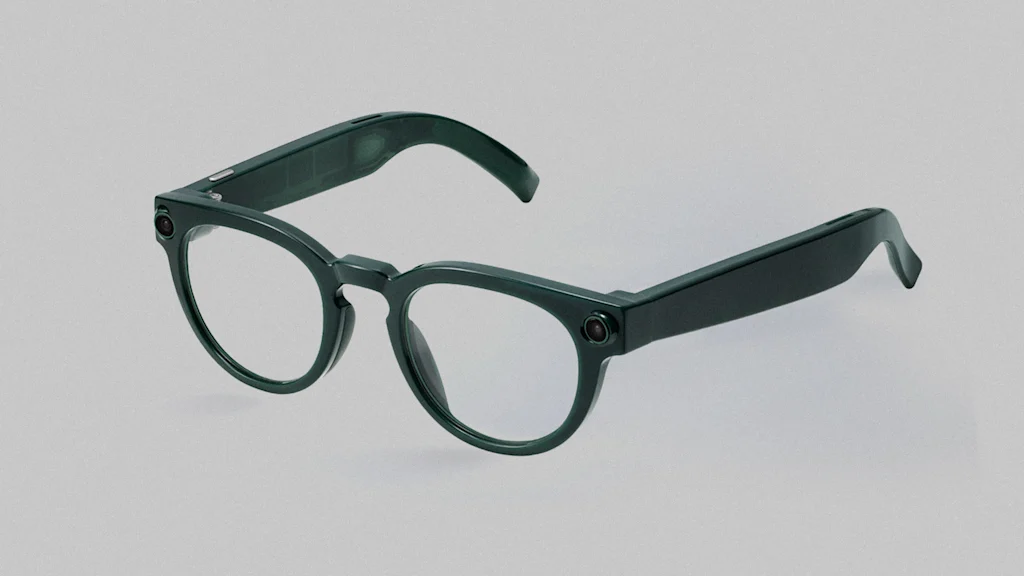
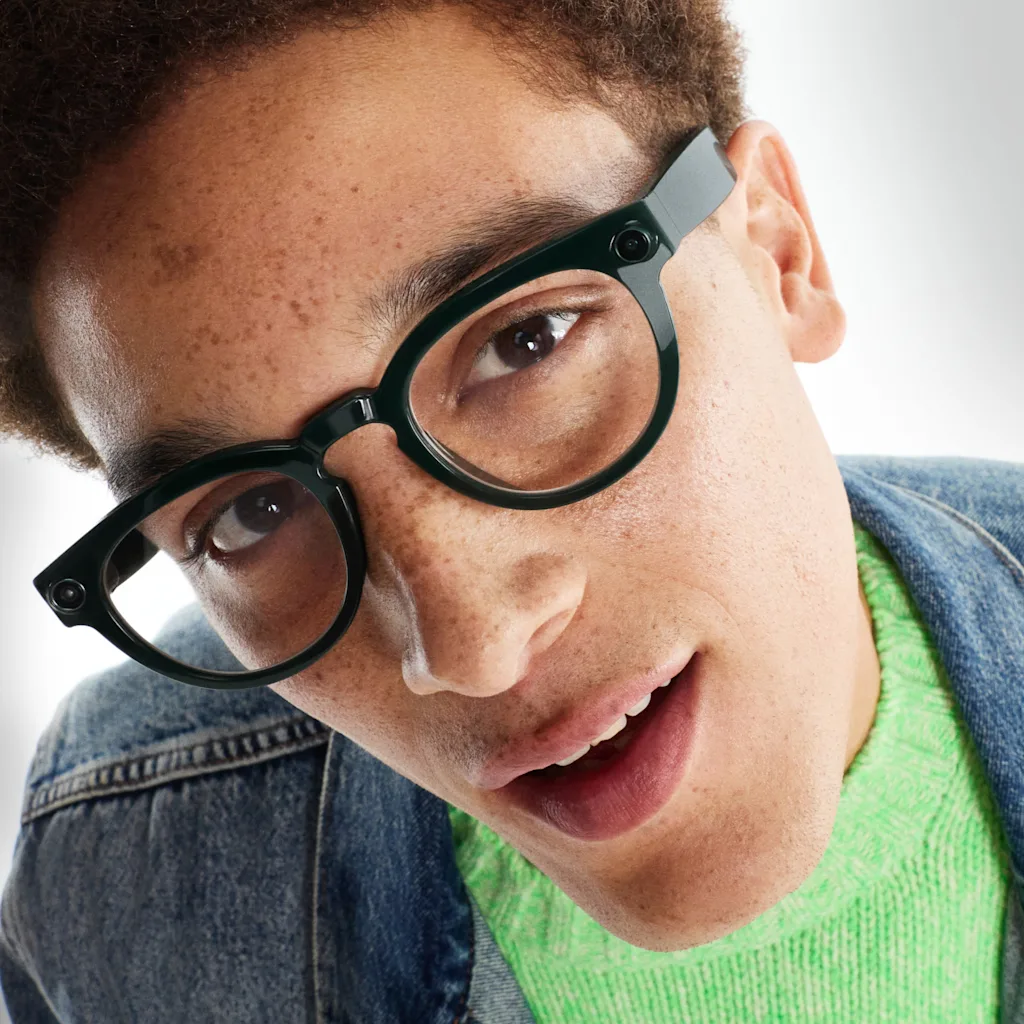
Its new Intelligent Eyewear frames have speakers, cameras, and access to AI inside a light, flexible, dark green nylon frame that will be available as sunglasses and regular glasses. The glasses are powered by Google Gemini, the company’s AI assistant; and Android XR, Google’s unified operating system for ‘XR’ (extended reality) headsets and glasses.
Warby Parker declined to share pricing, however Meta Ray-bans currently run from $390 to almost $500 (some models are on sale).
The glasses represent Warby Parker’s entry into wearable tech, which is a category experiencing serious growth. Smart glasses could reach revenues of $4.2 billion by 2028, according to Bank of America, up from less than $500 million in 2024.
For its part, Google has been looking to break into the category for years. It first launched Google Glass back in 2013. More recently, it launched its first Android XR headset last fall, which Gizmodo called “the future of wearables,” and tech blog CNET described as “Like Apple Vision Pro for half the price.“
Now it’s bringing XR mainstream with a glasses form factor designed by Warby Parker and honed for everyday use. “XR is going to be the next frontier for Gemini, and for AI,” Shahram Izadi, Google’s VP and GM for Android XR, told CNET nearly a year ago. Now we know how they plan to take a big piece of it from Meta, which has dominated the category since the launch of its smart Ray-Bans in 2023.
Beyond simple diversity of choice, co-founder and co-CEO of Warby Parker Dave Gilboa thinks smart glasses could broadly change the way wearers interact with their smartphones by allowing them to take calls, send texts and emails, or check their calendars all without taking their phones out of their pockets.
He says some people in the Warby Parker office have used prototypes of the glasses for live instructions on how to make a balloon animal. He’s used them for help in installing a car seat.
Gilboa says his smartphone screen time dropped by more than half after wearing a pair of the company’s first smart glasses. “I got an alert from my phone that my screen time was down 60% the other day, which was pretty shocking,” he tells Fast Company.
The technology isn’t without its detractors, however, because of wider backlash to AI and privacy concerns around facial recognition and what the glasses can secretly record.
“If you look at most technology that’s been introduced over the last 20-plus years, it’s designed to take your attention away from the real-world surroundings and onto a screen,” he says. “I think that this is a fundamentally new category of products.”
Warby Parker worked hand-in-glove with Google and Samsung to design the glasses, which are the result of thousands of tiny decisions, like shaving fractions of millimeters off frames and what shape to make the battery, he says. The semi-translucent finish of the interior temple subtly shows where the technology is integrated into the glasses. The frames were designed to be light enough for all-day wear.
“We joke that glasses are the original wearable technology going back hundreds of years,” Gilboa says. “They serve a form and function and provide a really compelling utility in helping enable a wearer to see. The whole idea behind Intelligent Eyewear is to have all the best parts of glasses—enable enhanced vision, comfort—while enabling the wearer to express themselves, while also adding additional technology.”
The debut style will be a classic, rounded silhouette that the company says will launch this fall.
“We think our initial collection will be very well received,” he says.