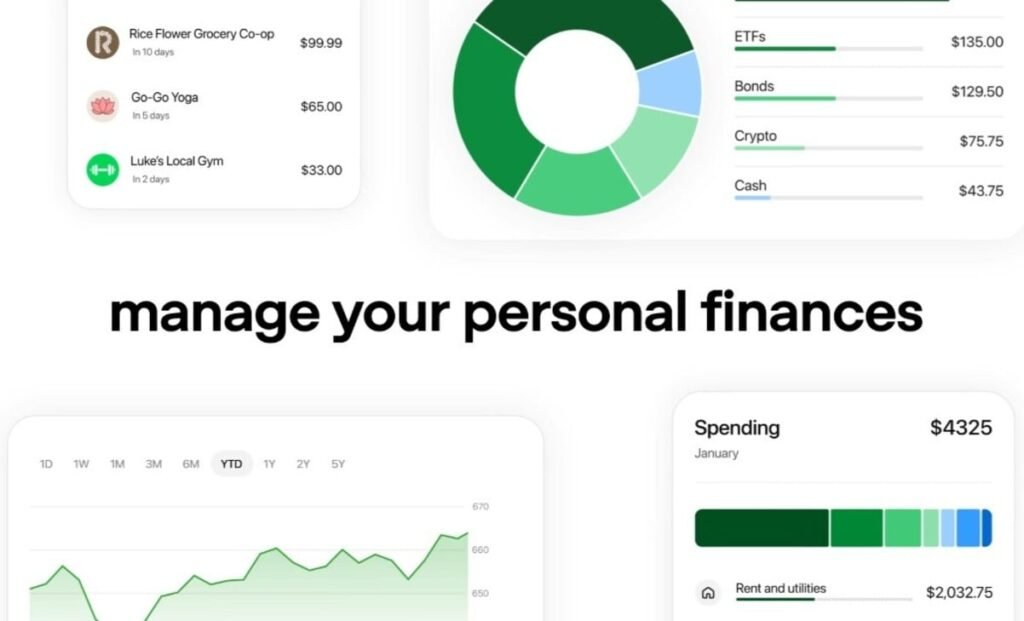

Generative artificial intelligence has evolved far beyond drafting emails and generating digital imagery. Tech companies are increasingly realizing that users look to large language models for advice on highly sensitive, real-world topics. Now, the next step seems to be to let the AI advise you on how to manage your money. OpenAI has officially introduced a specialized personal finance experience directly within ChatGPT, allowing users to connect their current bank accounts to the chatbot for tailored monetary guidance.
ChatGPT asks users to link bank accounts for custom advice
The feature is currently rolling out as a preview version exclusive to premium ChatGPT Pro subscribers within the United States. OpenAI has built an interactive backend infrastructure to support it. The main advantage is that users no longer have to manually copy and paste text from financial statements.
The integration functions through a direct partnership with fintech company Plaid. This links ChatGPT to more than 12,000 global financial institutions. It encompasses massive banking names like Chase, Capital One, Citi, and Bank of America, alongside modern services like Robinhood and Affirm.
Once a user authorizes the sync by entering a specific chat command or navigating to the app’s sidebar, the AI starts populating a visual financial dashboard. This interface outlines portfolio metrics, active subscription lists, liabilities, and upcoming payment schedules.
Unlocking deep analytical reasoning
OpenAI notes that over 200 million individuals already use generic chatbot prompts for budgeting advice every month. However, the new GPT-5.5 architecture allows the system to reason with deep context instead of just generic financial formulas.
Instead of receiving boilerplate advice on saving strategies, a user can ask highly specific questions like tracking abnormal increases in monthly grocery spending or building a concrete five-year roadmap to buy a house in a specific zip code. Additionally, a future integration with Intuit software aims to help users calculate how investment sales will impact their annual tax returns.
Strict parameters for user privacy
Understandably, linking sensitive financial nodes to an AI platform raises immediate security questions. To reassure hesitant users, OpenAI has put strict boundaries on what the system can execute. Through the Plaid framework, ChatGPT operates entirely on read-only permissions. That is, it can view balances and transactional records, but it can never see full account numbers or initiate actual monetary transfers.
Also, builders can delete specific account connections at any time from the main settings. This prompts a full purge of synced data within 30 days. The feature also includes granular controls for specific conversation strings, offering automated, self-deleting temporary financial chats that bypass the system’s long-term memory logs entirely.
The feature is currently confined to web and iOS interfaces for Pro members. OpenAI plans to use early real-world feedback to optimize the system before expanding the rollout to Plus tier subscribers.
The post ChatGPT Can Now Give You Custom Financial Advice if You Link Your Bank Accounts appeared first on Android Headlines.