The Chinese automobile market has rejected internal combustion engine (ICE) vehicles. For decades, legacy Japanese automakers like Toyota and Honda stood tall in the Chinese market, leveraging long-standing reputations for reliable ICE vehicles. However, new data from April 2026 tells the story of EV dominance.
According to the latest figures from the China Passenger Car Association (CPCA), the retail penetration rate for New Energy Vehicles (NEVs)—which includes plug-in hybrids and pure battery-electric vehicles—surpassed the 60 percent threshold for the first time, reaching a historic 61.4 percent. During April, NEV retail sales hit 849,000 units; conversely, traditional ICE vehicles experienced a severe 37 percent year-over-year collapse, dropping to just 530,000 units. The tides have all but turned in China.
BYD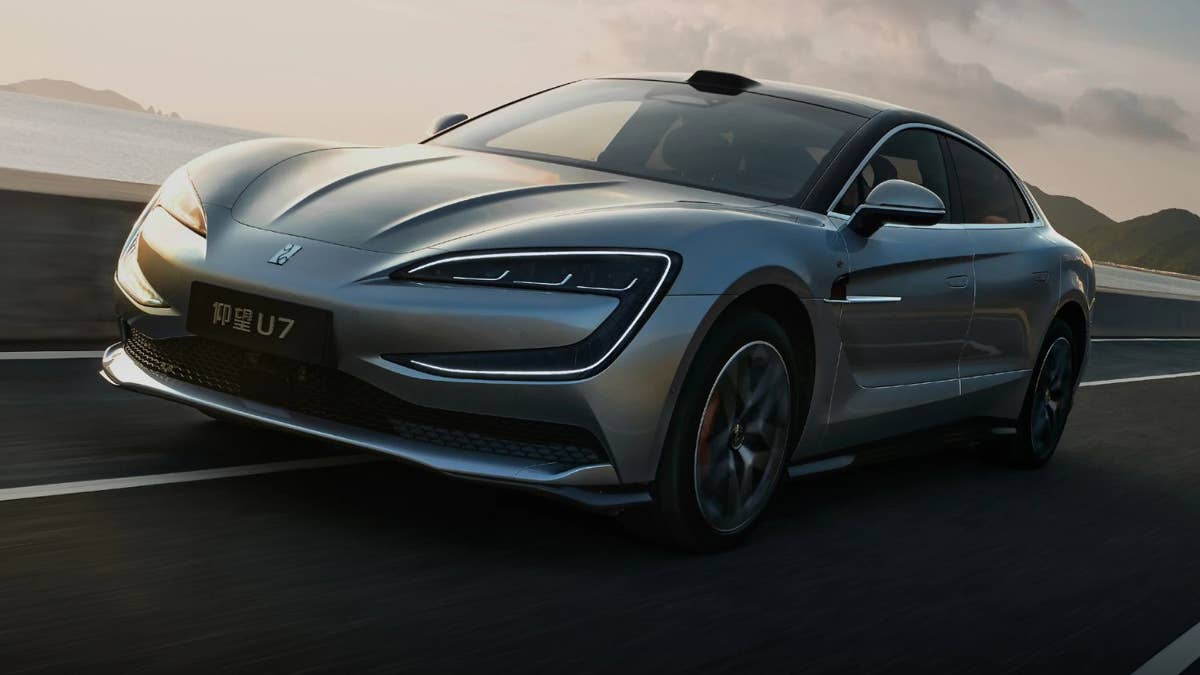
Catalysts for Conversion
The divide between domestic and foreign automakers is stark. Chinese domestic brands achieved an 80.1 percent NEV penetration rate, successfully capturing the mass-market transition. In contrast, mainstream joint ventures, heavily populated by legacy foreign brands, posted a mere 14.1 percent NEV penetration rate.
This structural market shift is having an immediate and severe impact on Japanese manufacturers‘ sales volumes. Honda is facing significant headwinds even beyond China; cumulative tracking data from January through April 2026 shows a 28 percent year-over-year plunge, equating to 145,065 units sold. For the month of April specifically, Honda’s terminal sales in China slumped by 48 percent.
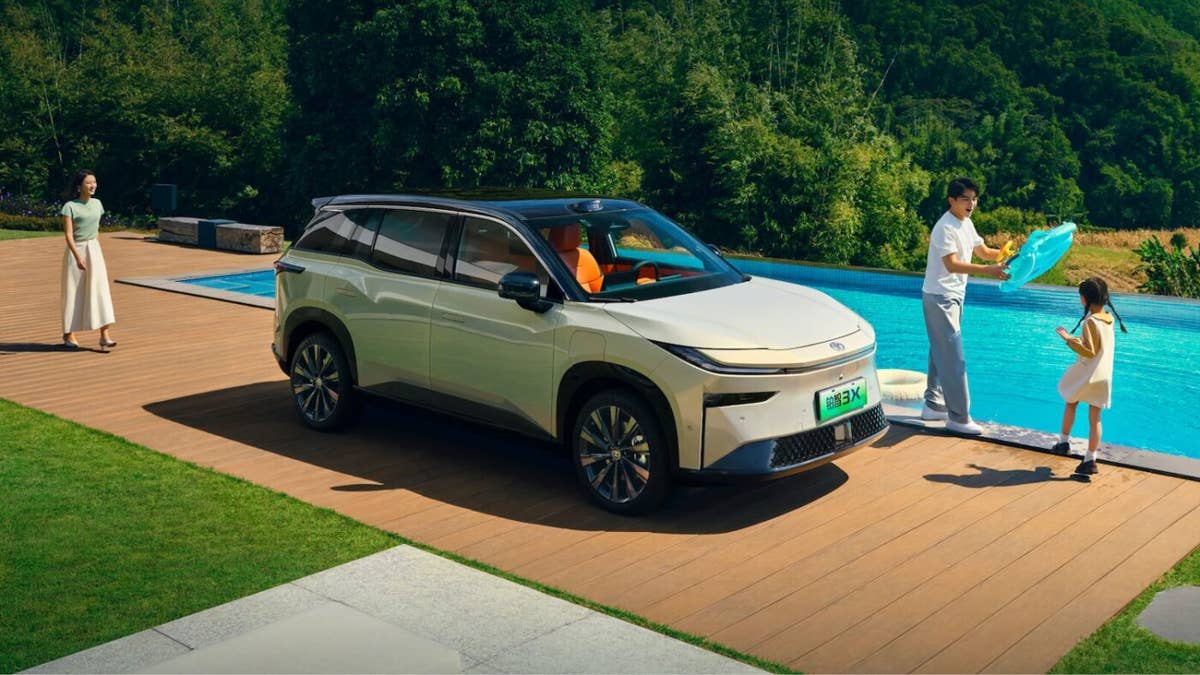
Toyota, despite its massive global footprint, is also losing ground. Over the first four months of the year, the automaker saw its Chinese sales fall 10 percent year-over-year to 477,100 units, with its overall April volume contracting by 25 percent. Consumers are increasingly bypassing conservative ICE architectures in favor of highly digitized, affordable domestic electric vehicles.
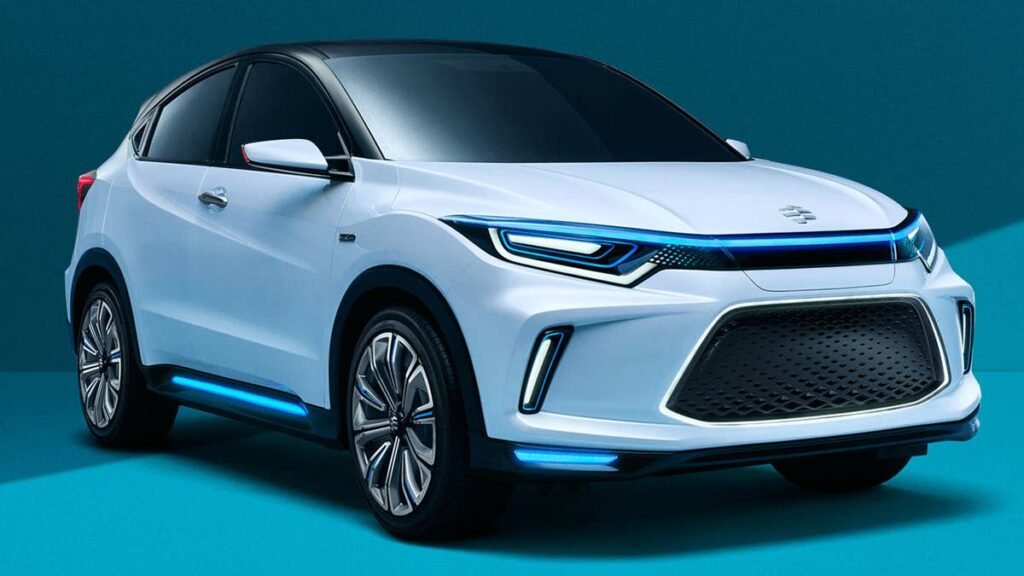
Yet, the data also provides a clear blueprint for survival. While Toyota’s overall internal combustion volume plummeted, the brand’s localized EV sales in China surged by an impressive 88 percent year-over-year in April. This singular bright spot proves that Japanese brands can still capture market share in the region, provided they deliver competitive electric alternatives.
Ultimately, the April 2026 reporting period serves as a definitive warning. As domestic Chinese automakers push the pace of NEV adoption, legacy foreign brands can no longer rely on legacy powertrains. To remain viable in China, accelerating the deployment of localized, high-value electric vehicles is no longer optional—it is a strict necessity.